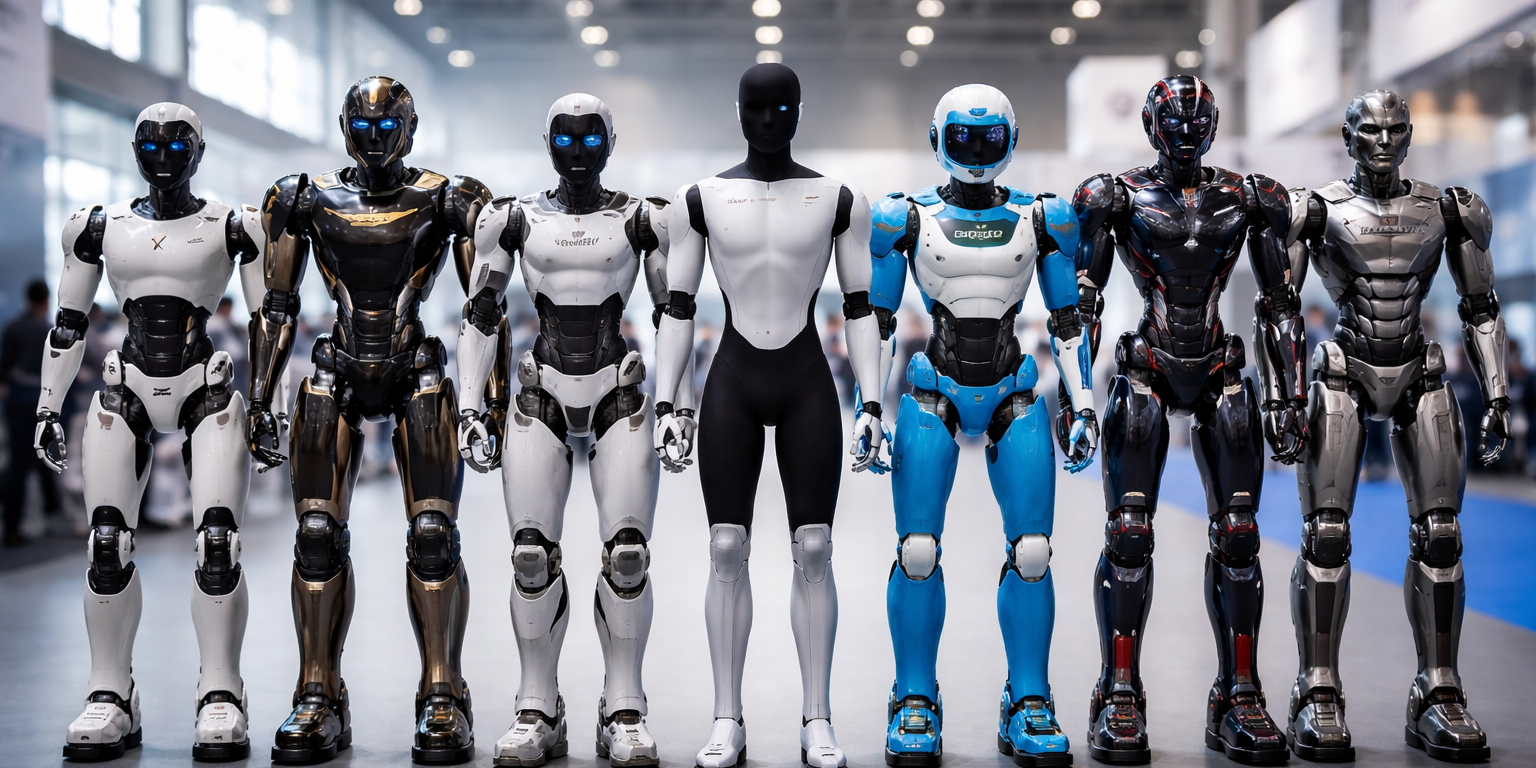
Several Chinese robotics firms demonstrated measurable technical progress in humanoid hardware and physical AI integration during the second quarter of 2026, according to industry disclosures and technical demonstrations observed by engineers at industry events in Shenzhen and Beijing. The advances center on two parallel tracks: improvements in mechanical dexterity and load-bearing capacity for humanoid platforms, and tighter coupling between vision-language models and real-time motor control systems. These developments arrive roughly six months after China's Ministry of Industry and Information Technology issued policy guidance prioritizing embodied intelligence as a strategic technology area, a directive that unlocked both subsidies and regulatory fast-tracking for domestic players. For Western robotics executives tracking the competitive landscape, the question is no longer whether Chinese humanoid makers can match international benchmarks for specific tasks, but how quickly they can scale production and secure deployments outside controlled pilot environments.
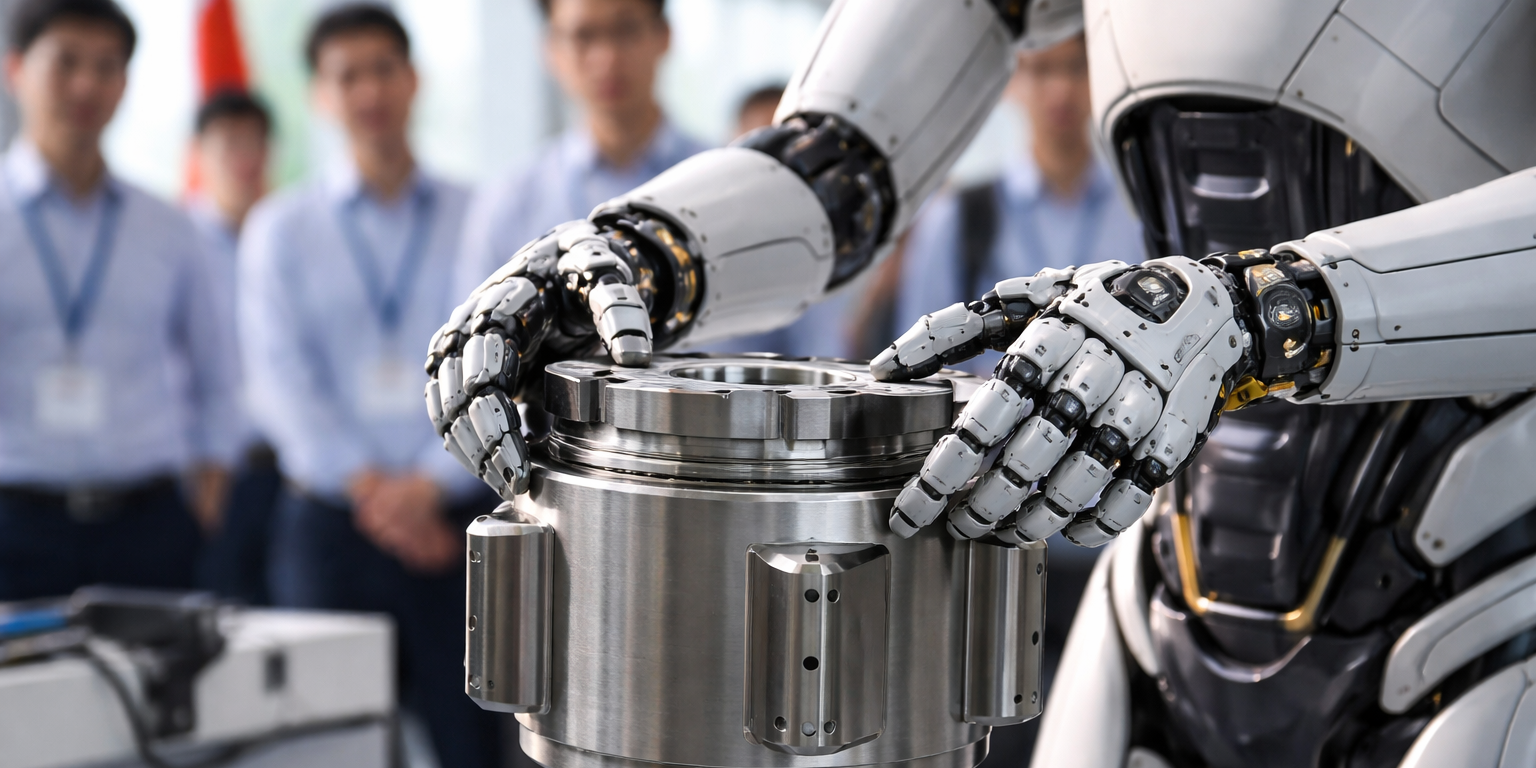
The technical claims span a range of subsystems. At least three manufacturers reported improvements in end-effector force control, with one Beijing-based firm demonstrating a humanoid platform capable of manipulating objects weighing up to 8 kilograms per hand without custom tooling—a threshold relevant for logistics and light manufacturing tasks. Separately, companies in the Yangtze River Delta showcased sensor fusion architectures that reduce latency between visual input and corrective motor commands, addressing one of the persistent challenges in dynamic environments where humanoids must navigate obstacles or adjust grip in real time. The AI integration work appears focused on what researchers call physical intelligence: systems that combine large language models with perception and planning modules to execute multi-step tasks without hard-coded routines. Engineers demonstrated platforms receiving natural language instructions—"clear the workbench and sort components by size"—and translating those commands into motion sequences without human teleoperation. Whether these demonstrations reflect robust capabilities or carefully staged scenarios remains difficult to assess from outside the controlled environments where they were shown.
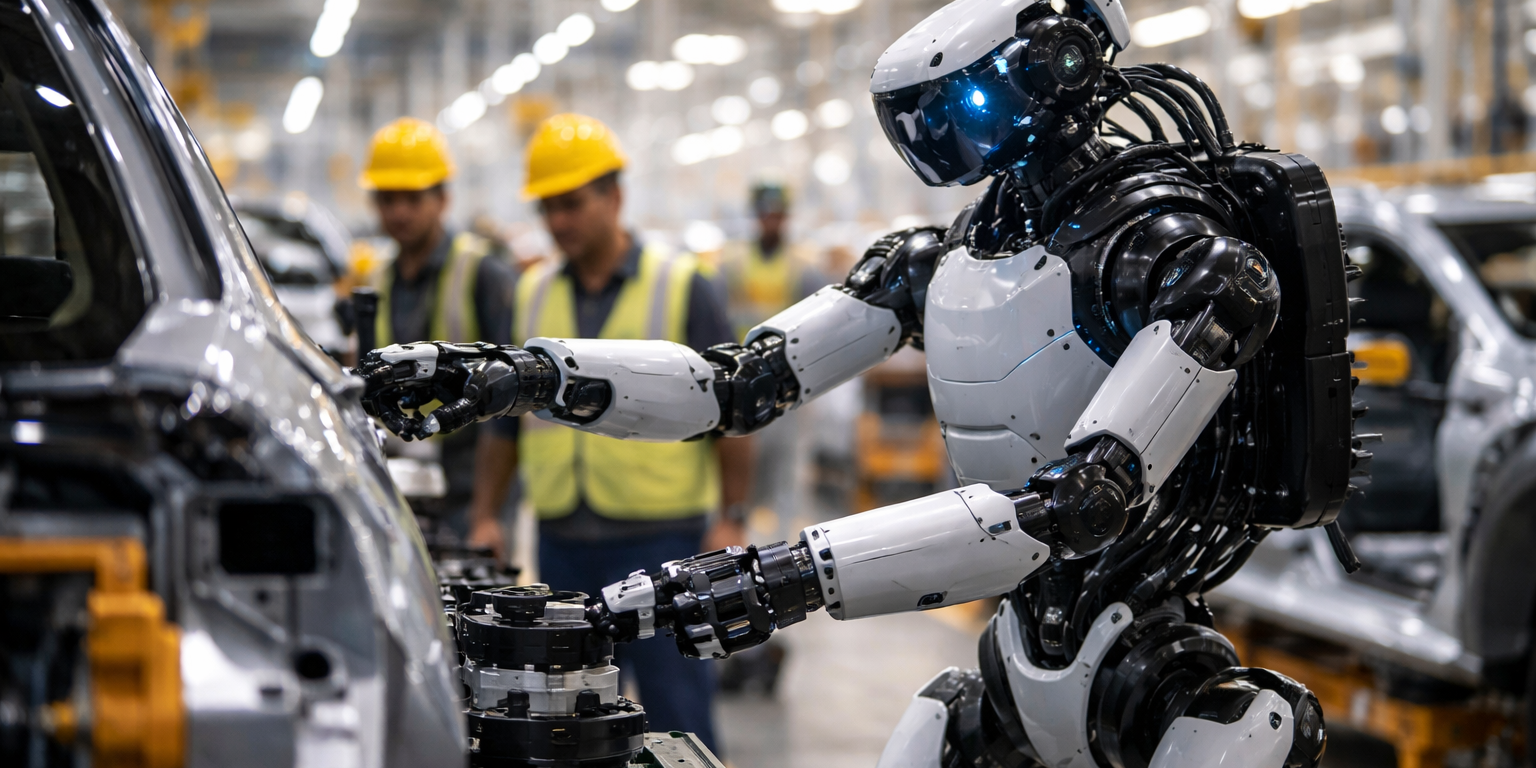
The broader context matters here. China's robotics industry has historically excelled at manufacturing scale and cost reduction but lagged in proprietary software and high-precision actuators, components where Japanese and American firms held clear advantages. That gap appears to be narrowing, driven by three factors: aggressive talent recruitment from overseas research labs, particularly from institutions in Europe and North America; state-backed investment in semiconductor fabs capable of producing custom ASICs for robotics compute; and partnerships between robotics startups and China's dominant AI labs, which are repurposing foundation models trained on internet data for embodied applications. The result is a cohort of domestic humanoid makers that can now credibly compete on both hardware specifications and software capabilities, at least in controlled demonstrations. Industrial customers in automotive and electronics manufacturing—sectors where China already dominates global production—are beginning pilot deployments, though public data on unit volumes and reliability metrics remains sparse. One automotive supplier in Guangdong reportedly deployed a small fleet of humanoid robots for parts inspection tasks in Q1 2026, with plans to expand if uptime meets internal thresholds.
For the global robotics industry, the implications extend beyond the technical achievements themselves. Chinese manufacturers operate with different cost structures and regulatory environments than their Western counterparts, enabling faster iteration cycles and more aggressive pricing strategies. If domestic humanoid platforms reach acceptable reliability thresholds for industrial use cases, Chinese makers could pressure margins for established players in Asia and potentially Europe, where labor costs and automation demand create favorable conditions for humanoid adoption. The AI integration work also highlights a strategic asymmetry: while American robotics companies often develop proprietary models trained on task-specific data, Chinese firms are leveraging general-purpose foundation models from Alibaba, Baidu, and ByteDance, then fine-tuning them for physical tasks. This approach offers faster time-to-market but raises questions about long-term differentiation and intellectual property ownership, particularly if the underlying models are updated or access terms change. Defense and aerospace observers will note that several of the companies involved have ties to state research institutes, though the technologies demonstrated—pick-and-place operations, basic navigation—sit far from dual-use thresholds that would trigger export controls.
What to Watch: Track deployment announcements from major Chinese electronics and automotive manufacturers through Q3 2026, particularly any disclosures about unit volumes, uptime statistics, or task success rates that move beyond pilot-scale testing. Monitor patent filings from the Beijing and Shenzhen robotics clusters for innovations in actuator design and real-time control algorithms, which would signal genuine technical differentiation rather than incremental improvements. Pay attention to partnership announcements between Chinese robotics makers and Southeast Asian manufacturers, a potential first step toward export market penetration if domestic platforms prove viable in high-volume production environments.