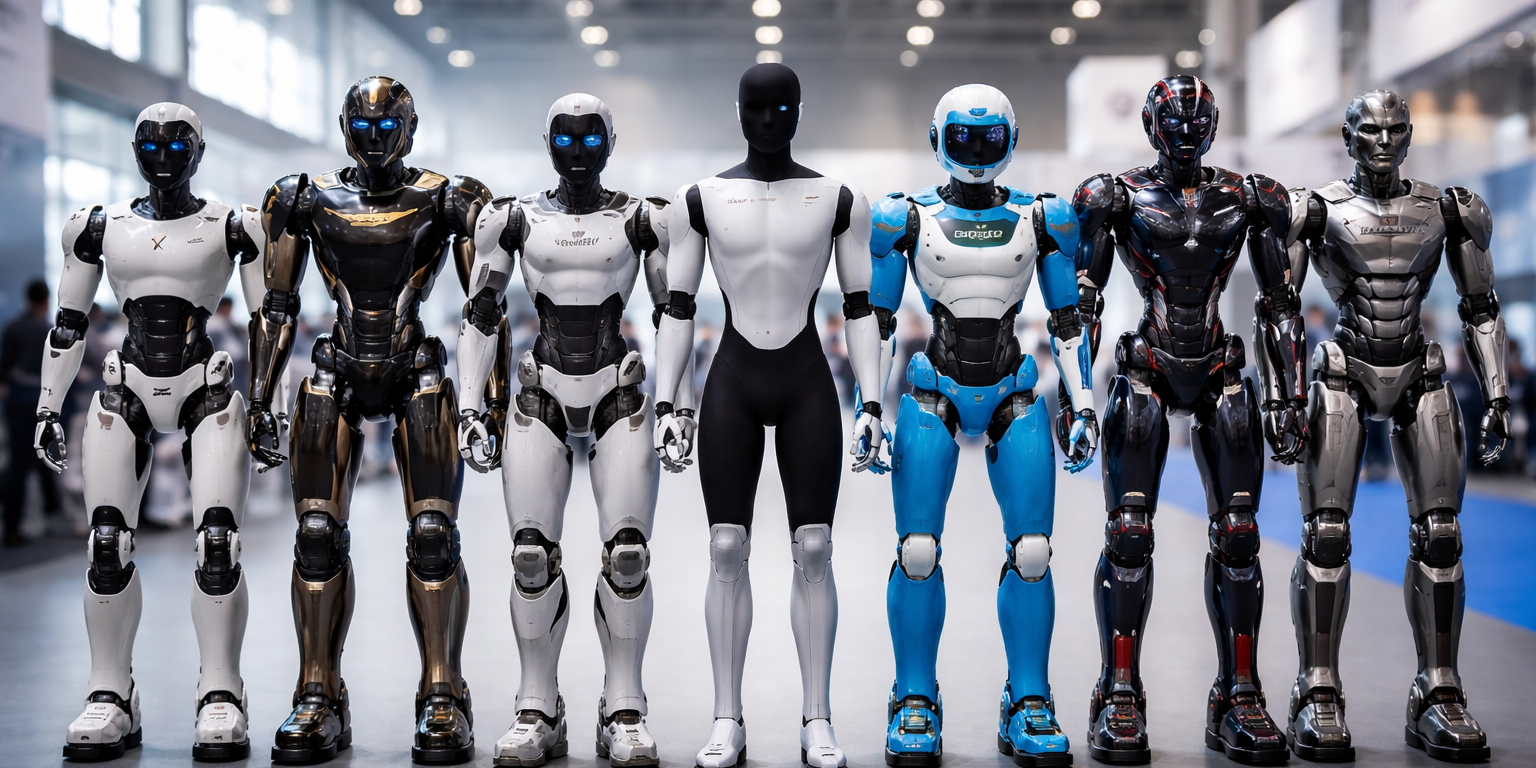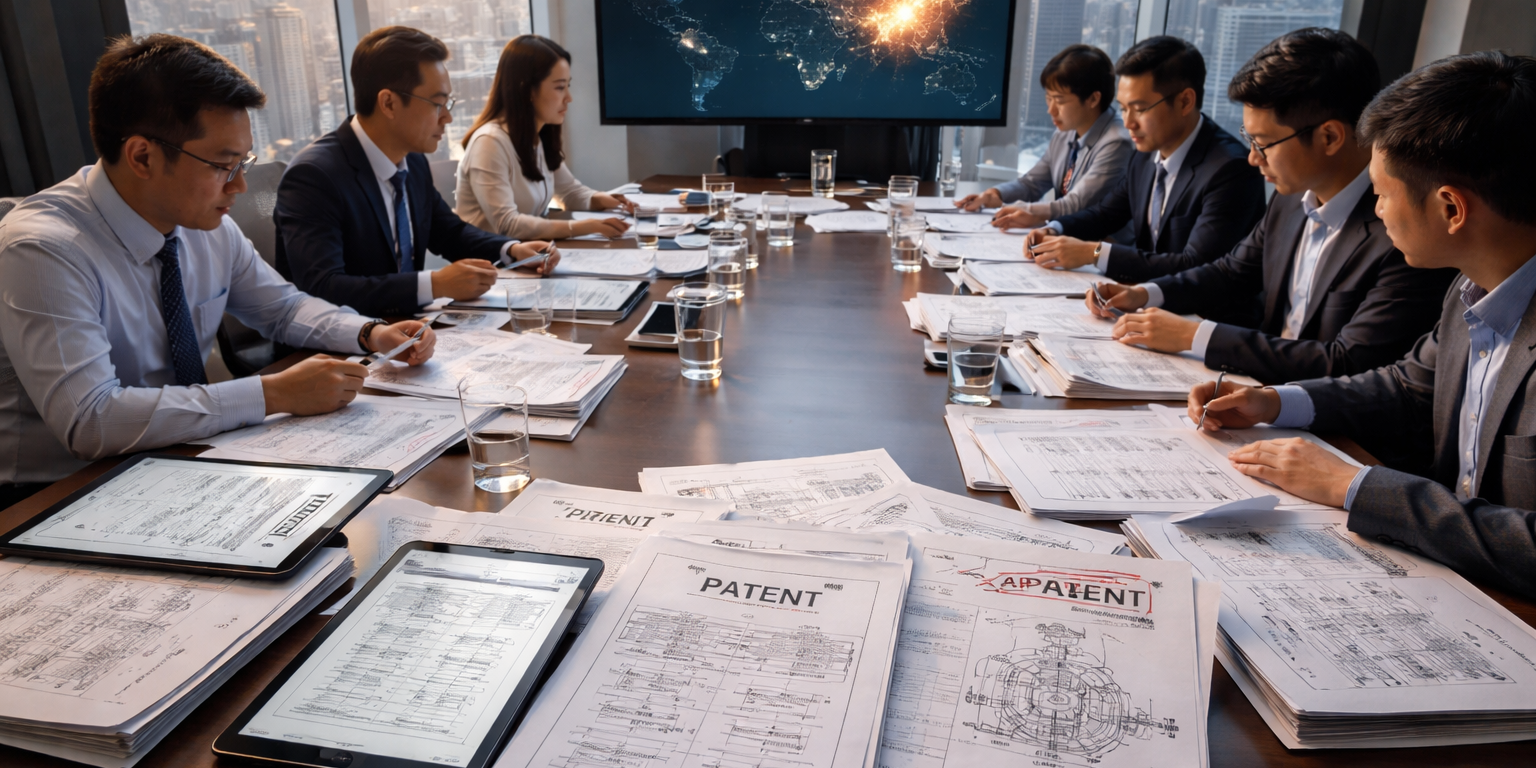
Six Chinese companies now occupy slots in the global top ten for humanoid robotics patent holdings, according to a LexisNexis patent landscape analysis covering more than 26,000 patent families filed through mid-2026. The study, which ranks both volume and assessed quality of intellectual property, confirms what industry observers have tracked anecdotally for eighteen months: China has committed institutional resources to humanoid development at a scale unmatched by any single Western nation. The analysis does not name all ten patent holders, but the composition signals a geographic shift in where fundamental humanoid research is happening and who controls the building blocks for commercial systems expected to reach factory floors and logistics centers by 2027. What matters more than the raw count, however, is a secondary finding buried in the methodology. U.S. companies filing humanoid patents score higher on LexisNexis quality metrics, which weight factors like citation frequency, claim breadth, and forward references by later filings. That gap suggests American firms are focusing on foundational inventions rather than iterative improvements, a strategy that could prove decisive in licensing negotiations as Chinese manufacturers scale production.
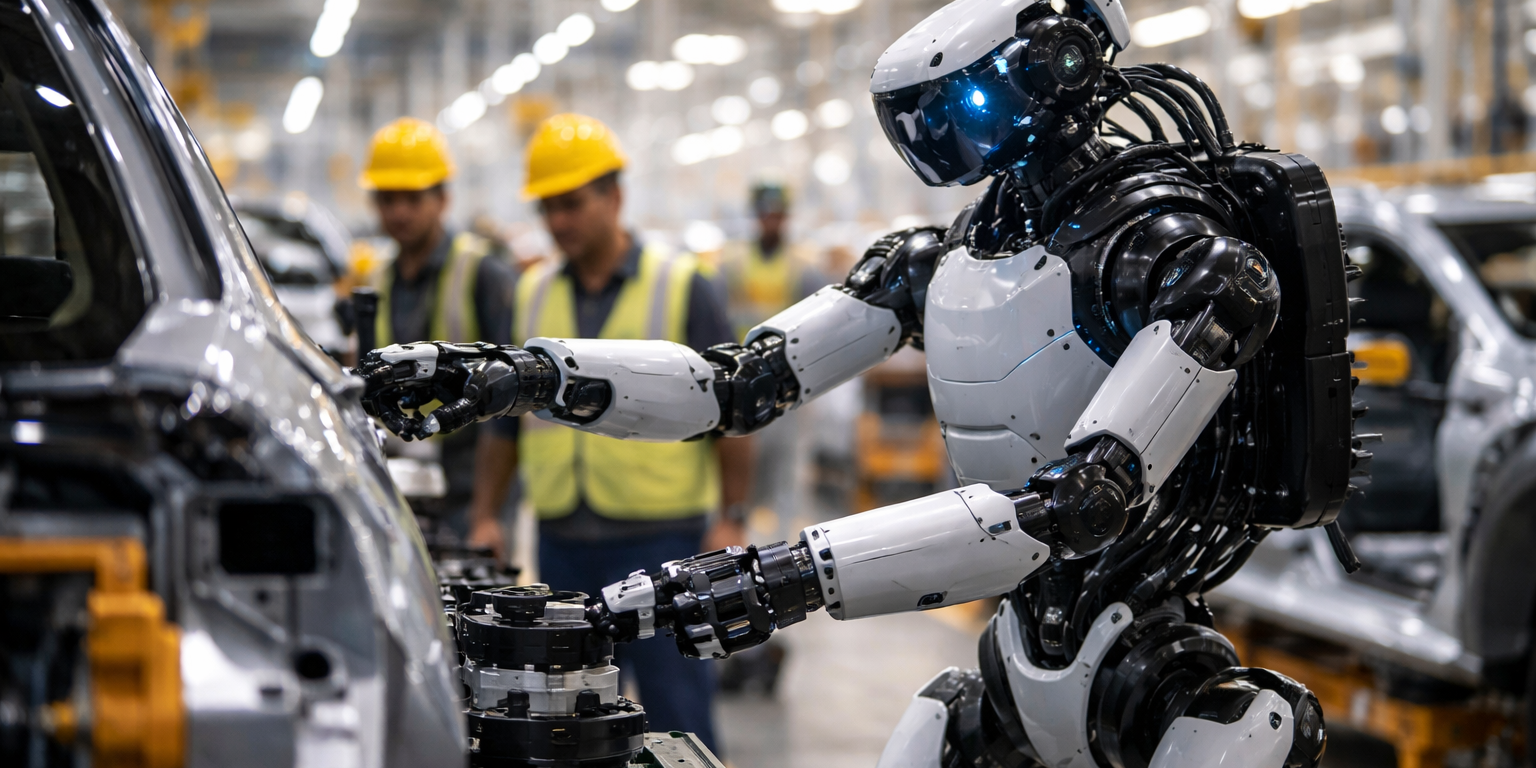
The timing of this analysis lands during a transition phase for the humanoid sector. Tesla delivered the first commercial Optimus units to internal factory trials in late 2025. Figure AI began pilot deployments with BMW and other manufacturers earlier this year. Agility Robotics has Digit units operating in Amazon and Spanx fulfillment centers. None of these deployments involve thousands of units yet, but pilot customers are now testing hardware in real workflows, generating operational data that will shape the next design generation. Patent filings from 2023 and 2024, which comprise much of the LexisNexis dataset, reflect the R&D sprint that preceded these deployments. Chinese institutes and companies filed aggressively during that window, building portfolios that cover actuation systems, bipedal control algorithms, torso balancing mechanisms, and human-robot interaction protocols. The volume strategy mirrors China's approach in electric vehicles and battery technology, where rapid patent accumulation created negotiating leverage even when individual patents held less technical novelty than Western counterparts.
LexisNexis assessed patent quality using a composite metric that includes how often a patent is cited by later filings, the number of jurisdictions where protection was sought, and the breadth of claims granted. U.S. humanoid patents scored higher across these dimensions on average, though the report does not specify whether this reflects deeper technical innovation or simply more resources devoted to patent prosecution. Boston Dynamics, a U.S. company with decades of bipedal robotics research, holds foundational patents on dynamic balancing and terrain adaptation that virtually every commercial humanoid references in some form. Sanctuary AI in Canada has filed extensively on teleoperation systems and cognitive architectures for general-purpose manipulation. These patents tend to be cited frequently because they describe core capabilities rather than incremental design tweaks. Chinese filings, by contrast, often focus on specific mechanical configurations, sensor integration approaches, or localized manufacturing techniques. Individually less cited, collectively they create a thicket that complicates freedom to operate for companies designing complete systems. A U.S. startup building a humanoid for warehouse work may need licenses from a half-dozen Chinese patent holders to avoid infringement on power distribution, joint sealing methods, or thermal management within the torso.
The commercial implications extend beyond licensing fees. As humanoid production scales, manufacturers will need component suppliers, contract assembly partners, and software integration teams. Chinese dominance in patent volume positions those companies as natural collaborators for non-Chinese firms seeking to scale quickly without building every subsystem in-house. Figure AI, for instance, sources certain actuators and sensors from Asian suppliers already producing at automotive volumes. If those suppliers hold blocking patents on integration techniques, the relationship shifts from vendor-customer to something closer to joint development. Meanwhile, U.S. companies with high-quality foundational patents may pursue a licensing model rather than manufacturing, collecting royalties as Chinese factories ramp to tens of thousands of units annually. That playbook worked unevenly in smartphones and networking equipment, where patent disputes dragged through courts for years while products shipped anyway. Humanoids face a different trajectory because the customer base is industrial, not consumer, and buyers care intensely about supply chain risk and IP clean title before committing to multi-year deployments.
What to Watch: Track whether any of the unnamed Chinese patent holders in the top ten begin licensing campaigns targeting U.S. or European humanoid makers in Q4 2026 or early 2027, particularly around actuation and power systems. Monitor Boston Dynamics and Sanctuary AI for litigation or licensing announcements, as both have indicated they view their patent portfolios as strategic assets. Pay attention to joint venture formations between Western humanoid companies and Chinese manufacturers, especially those structured around technology sharing rather than pure contract assembly. Finally, watch for Section 301 or export control developments from U.S. trade authorities that could restrict humanoid component flows, as patent disputes often trigger regulatory scrutiny in sectors deemed strategic.