Avatar Robotics has secured $6.5 million in seed capital from AlleyCorp to accelerate development of humanoid robots designed for industrial deployment, the company disclosed August 5. The round follows an undisclosed pre-seed led by defy.vc, bringing total announced funding above the seed figure, though the company declined to specify pre-seed terms. The financing arrives as venture capital flows into humanoid robotics reach their highest concentration since the sector emerged as a discrete investment category, with at least nine humanoid-focused startups raising institutional rounds exceeding $10 million since January 2025.
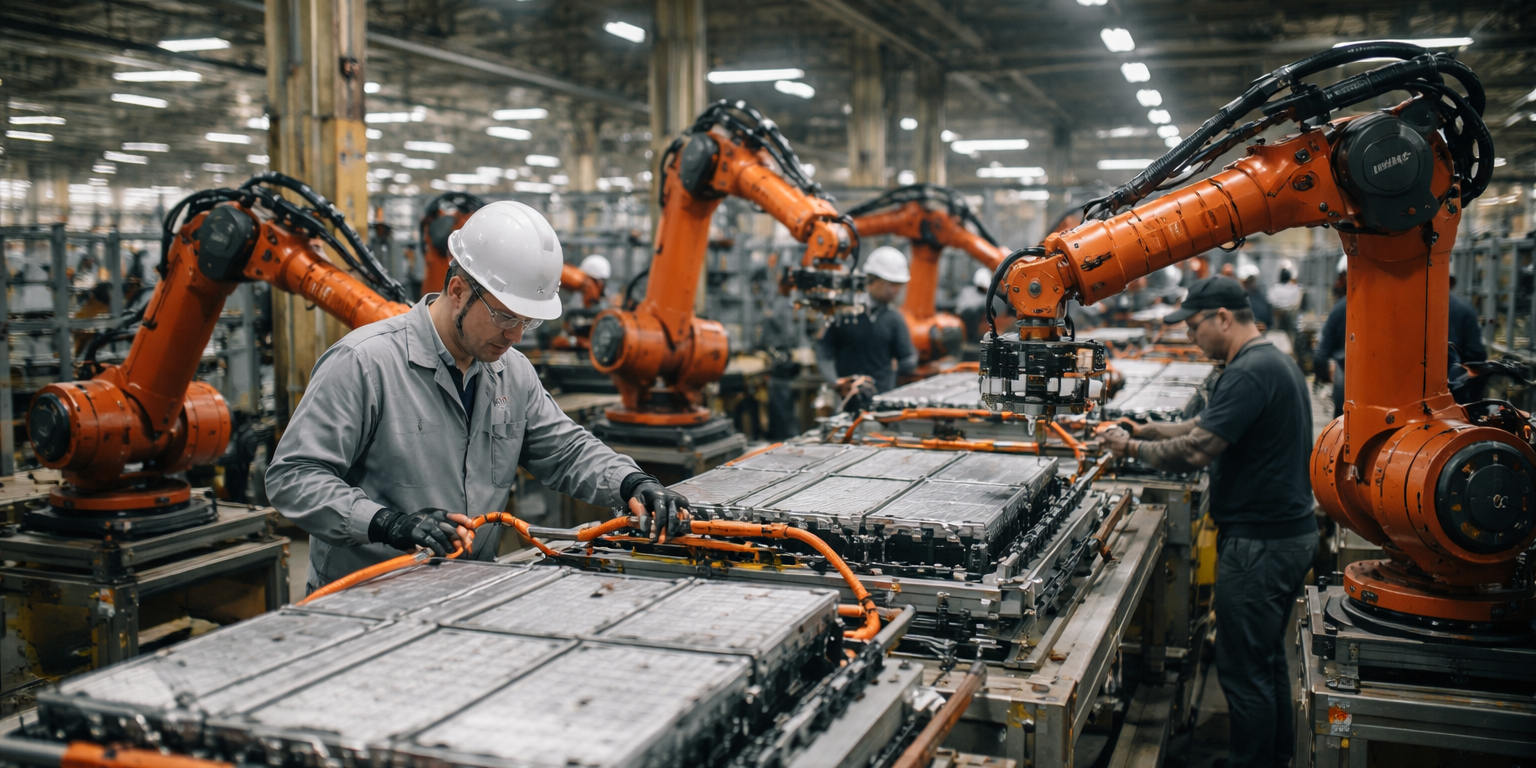
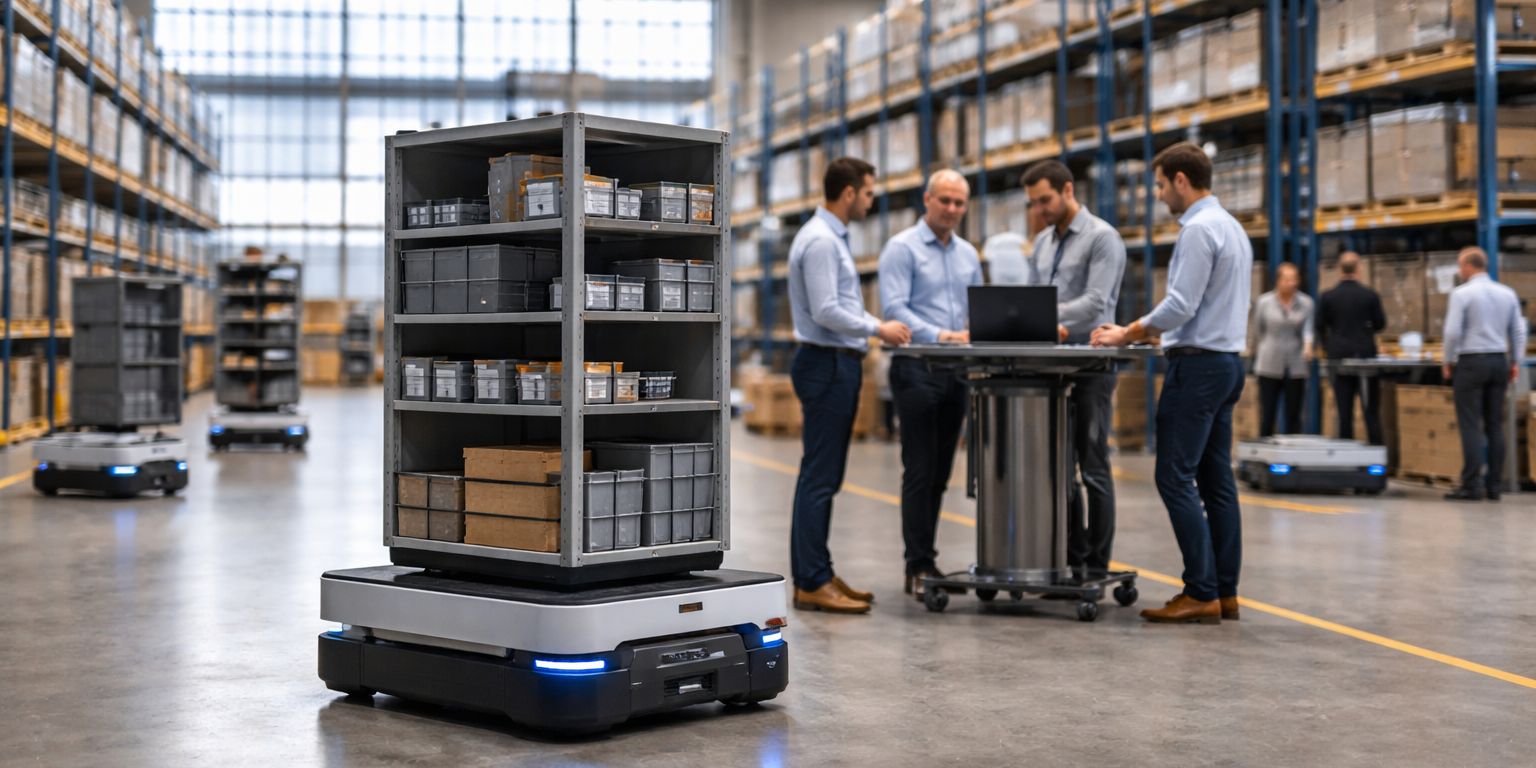
Avatar's pitch centers on physical labor augmentation rather than full automation. The company describes its system as an 'unlimited workforce' capable of scaling industrial operations without the capital expenditure traditionally associated with fixed automation lines. Humanoid form factor remains the defining constraint: these machines must navigate facilities built for human workers, manipulate tools designed for human hands, and integrate into workflows that assume bipedal movement and roughly human reach envelopes. Avatar claims its robots can operate in warehouses, manufacturing plants, and logistics centers without reconfiguring floor layouts or retooling workstations, though the company has not yet published case studies or named deployment partners.
AlleyCorp's involvement signals growing institutional confidence in near-term commercialization timelines for humanoid hardware. The New York-based firm, founded by Kevin Ryan and known for early bets on MongoDB and Zola, typically invests in companies within 18 to 24 months of revenue generation. Avatar's ability to attract a lead investor with that profile suggests the startup has demonstrated functional prototypes and identified paying customers, even if those details remain non-public. defy.vc, which led the pre-seed, has backed robotics companies including Serve Robotics and has a thesis around embodied AI that can generate immediate economic value rather than speculative long-term capabilities.
The competitive landscape for industrial humanoids has compressed significantly over the past 18 months. Figure AI, which raised $675 million at a $3.2 billion valuation in February 2024, now operates pilots with BMW and has begun limited production runs. Apptronik announced a commercial agreement with Mercedes-Benz in March 2024 for its Apollo humanoid. Agility Robotics ships its Digit robot to Amazon and other logistics operators, with the company claiming over 100 units deployed as of mid-2026. Boston Dynamics transitioned Atlas from a hydraulic research platform to an electric commercial product in April 2024 and began accepting orders for industrial customers in early 2026. Avatar enters a market where hardware validation has already occurred and the competition revolves around cost structure, deployment speed, and software adaptability. The company has not disclosed unit economics, lease terms, or pricing models.
What to Watch: Avatar's first named deployment partner will clarify whether the company targets warehousing, discrete manufacturing, or a different vertical entirely. AlleyCorp's follow-on participation in subsequent rounds would indicate the startup is hitting early revenue milestones. Competitive pressure from Figure, Apptronik, and Sanctuary AI will force Avatar to disclose differentiation beyond form factor within the next two quarters, particularly around manipulation capabilities and task learning speed. Any partnership announcements with fleet operators or third-party logistics providers before year-end would validate the 'unlimited workforce' positioning.