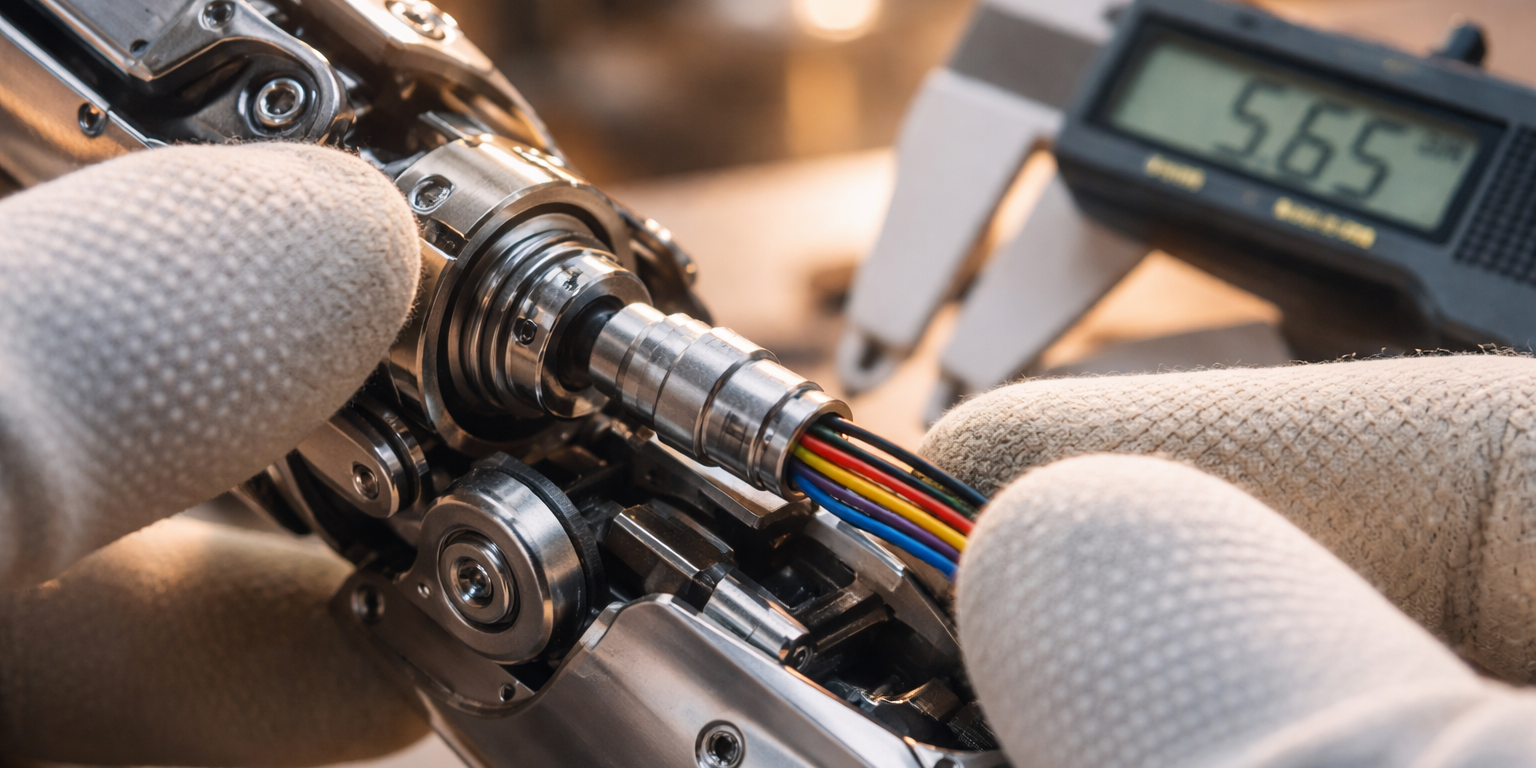

A humanoid robot aboard an Air New Zealand flight triggered enough online attention that the carrier felt compelled to clarify its stance: robots aren't banned, but they aren't automatically welcome either. Each request will be evaluated individually, the airline confirmed this week, with battery safety taking precedence over any concerns about the robots themselves. The pragmatic position arrives as robotics companies push their products from controlled testing environments into real-world scenarios that inevitably require air travel. Unlike service animals or musical instruments, which have clear carriage policies after years of precedent, humanoid robots represent uncharted territory for aviation regulators and airlines alike.
The airline's primary hurdle involves lithium-ion battery packs, not the mechanical or AI capabilities of the robots. Most commercial humanoids rely on high-capacity batteries to power actuators, processors, and sensors for hours of autonomous operation. Those power systems frequently exceed the watt-hour limits established by International Air Transport Association dangerous goods regulations, which were written for consumer electronics and power tools rather than mobile robots weighing 50 to 80 kilograms. Battery capacity thresholds exist for good reason—lithium-ion thermal runaway events in aircraft cargo holds have caused fatal crashes. Air NZ must determine whether each robot's battery configuration qualifies for cabin transport as carry-on equipment, requires checked baggage handling with crew notification, or needs shipment as declared dangerous cargo with specialized packaging and documentation. The weight and dimensions of humanoid robots complicate matters further, as most exceed standard baggage allowances and cannot fit under seats or in overhead bins.
The incident underscores a coordination gap between robotics manufacturers racing to deploy products and transportation infrastructure built for human passengers and conventional cargo. Figure AI shipped its Figure 02 humanoid to BMW's South Carolina manufacturing facility earlier this year for pilot testing, but domestic trucking handled that delivery. When Boston Dynamics began broader commercial sales of Stretch, its mobile warehouse robot, the company arranged dedicated freight transport rather than relying on commercial aviation. Now companies including 1X Technologies, Apptronik, Agility Robotics, and Sanctuary AI are securing orders that will require moving robots across oceans for international deployments, field testing, and trade show demonstrations. Tesla plans to manufacture Optimus at scale, which will necessitate moving units between Gigafactories and customer sites globally. None of these firms can rely indefinitely on specialized freight arrangements if they intend to provide rapid deployment, field service, or robot-as-a-service models.
No international framework currently governs humanoid robot air travel because regulators are still adapting rules written when mobile robots meant Roombas, not bipedal machines with human-scale dimensions and sophisticated autonomy. The Federal Aviation Administration and its international counterparts have focused recent attention on drone regulations rather than passenger cabin robotics. Air NZ's case-by-case approach may become the de facto industry standard by default, with each carrier developing internal assessment criteria until regulatory bodies issue formal guidance. That fragmentation poses challenges for robotics companies that need predictable, scalable logistics. A robot approved by Air New Zealand might face rejection by United, Lufthansa, or Singapore Airlines using different battery capacity interpretations or risk assessments. The airlines themselves face competitive pressure—carriers that accommodate robot transport more readily could gain business advantage with robotics companies and their customers, while overly restrictive policies might alienate an emerging market segment. The situation parallels early confusion over lithium battery limits for laptops and cameras, which eventually settled into standardized rules after years of incidents and industry negotiation.
What to Watch: Whether IATA issues formal guidance on humanoid robot transport within the next six months, potentially establishing battery capacity thresholds and packaging requirements specifically for mobile robotics. How robotics manufacturers respond—whether companies like Figure, 1X, and Apptronik develop airline-compliant battery systems with hot-swappable packs under IATA limits, or whether they push for exception categories. Which other major carriers announce robot policies, particularly United Airlines, Lufthansa, and Asian carriers serving robotics manufacturing hubs in Japan, South Korea, and China. Any incidents involving robot batteries or damage during air transport that could accelerate regulatory action or trigger industry-wide policy changes before formal standards emerge.