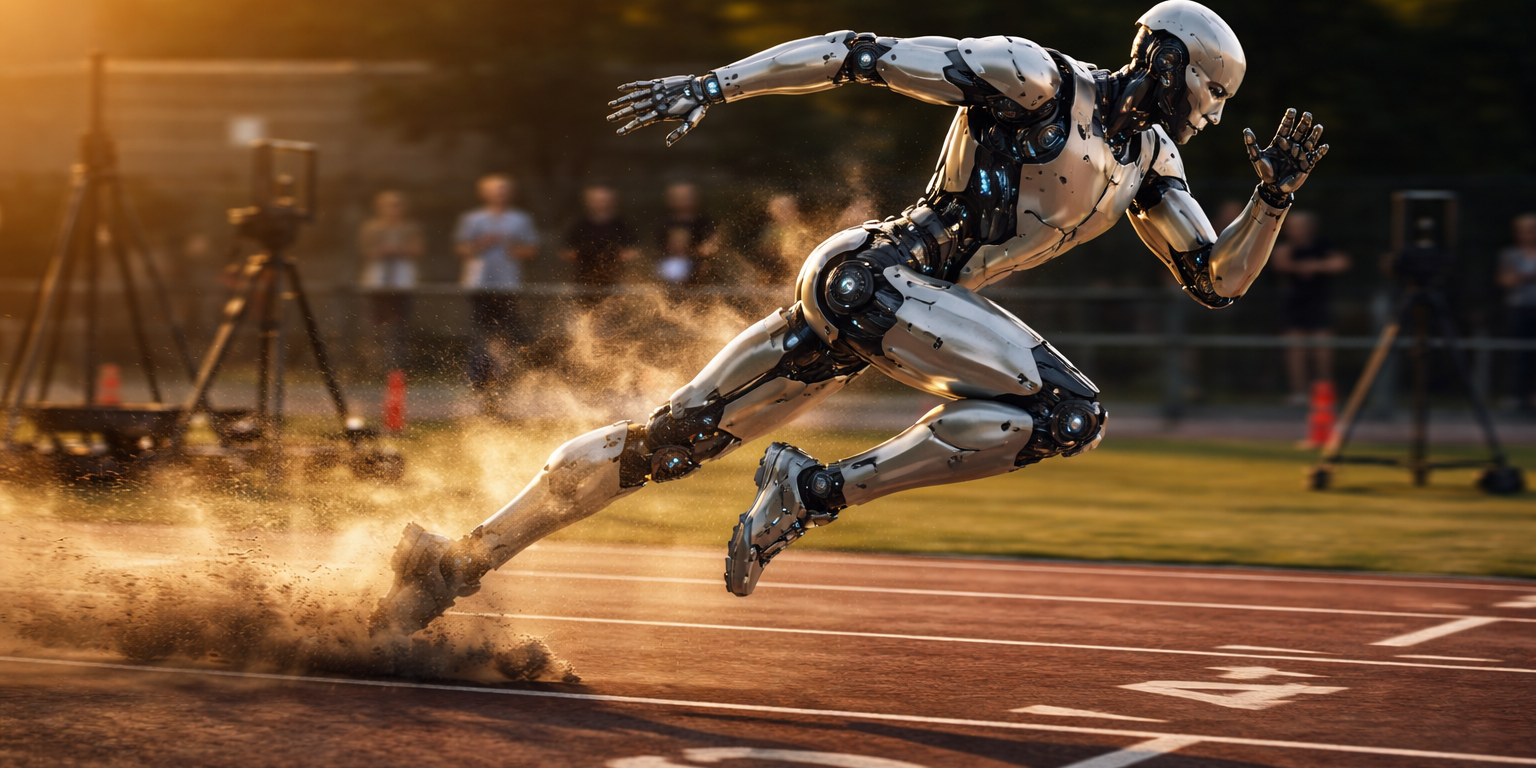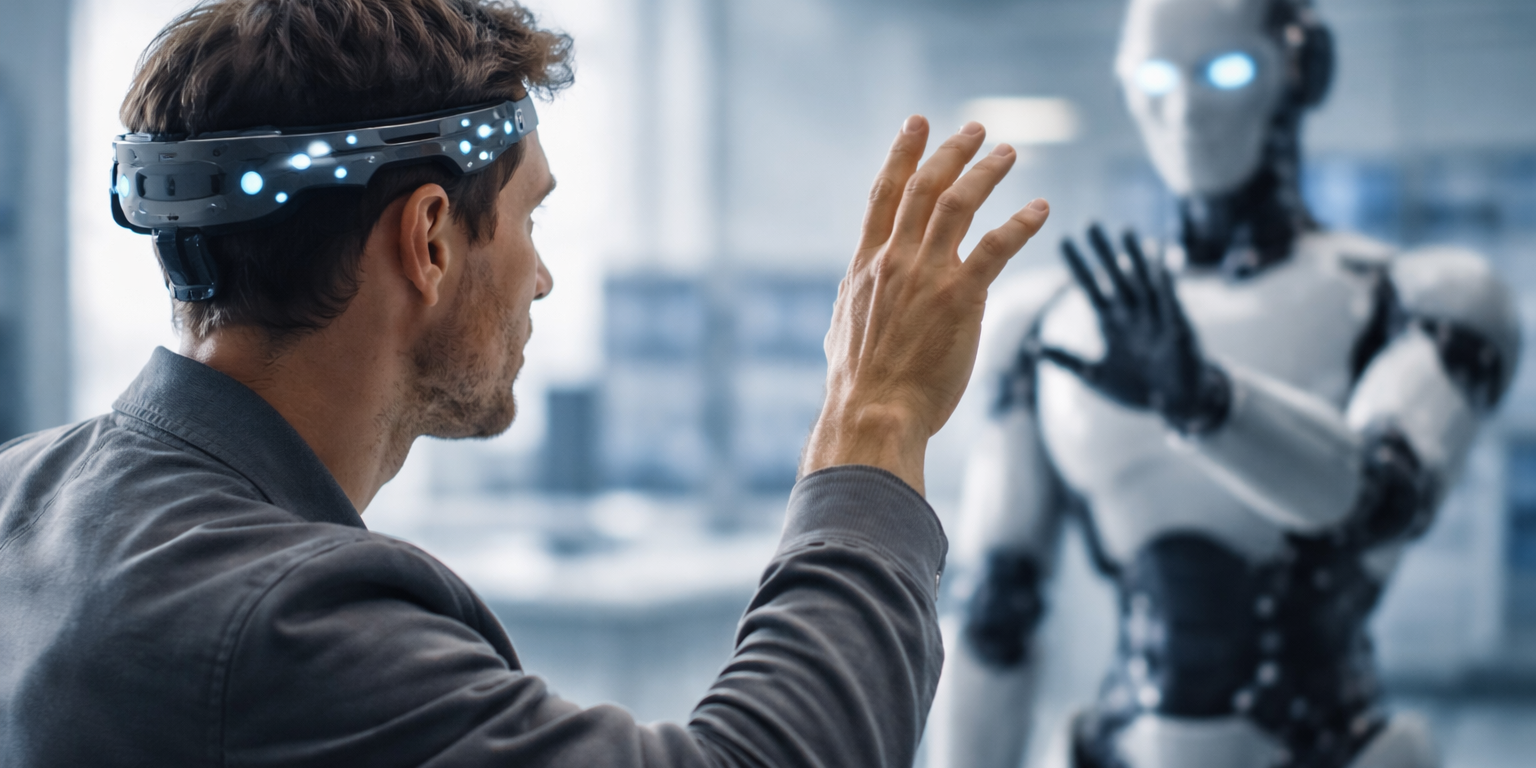
AgiBot spent the first half of 2026 rewriting what it means to be a robotics company. The Shenzhen-based firm, which launched its first commercial humanoid in late 2024, now describes itself as an embodied AI platform provider rather than a robot builder. That shift in language reflects a harder truth rippling through the humanoid sector: assembling mechanical bodies has become table stakes, and the real competitive moat lies in the intelligence layer that makes those bodies useful in production environments. Where capital once flowed to teams demonstrating novel actuation or bipedal stability, investors now scrutinize software architectures, training pipelines, and the ability to generalize across tasks without site-specific retraining.
The transformation didn't happen overnight. AgiBot raised its Series B in March 2025 on the strength of hardware milestones, a familiar 23-degree-of-freedom design that matched specs from competitors like Unitree and UBTECH. But pilot deployments through the second half of that year exposed the bottleneck. Factory partners needed robots that could adapt to line changes within hours, not weeks of retraining. Warehouse operators wanted fleets that learned collaboratively, sharing knowledge across units in real time. The hardware worked. The intelligence infrastructure to make it commercially viable at scale did not. By January 2026, AgiBot had reassigned a third of its mechanical engineering team to work on simulation environments and reinforcement learning frameworks. The company announced its AI platform offering in June, positioning the humanoid itself as one possible endpoint in a broader ecosystem of embodied agents.
That platform centers on what AgiBot calls a "universal embodiment layer," a set of APIs and pre-trained models that abstract physical differences between robot forms. The idea: a logistics AI trained in AgiBot's simulation should transfer to hardware from other manufacturers with minimal fine-tuning, and vice versa. Whether the approach works at the scale AgiBot claims remains unproven, but the strategic intent is clear. Control the intelligence stack, and hardware becomes interchangeable. Lose that race, and you're a contract manufacturer assembling someone else's design. The company has opened portions of its simulation tooling to outside developers and announced partnerships with two unnamed Chinese EV manufacturers to co-develop embodied AI for automotive assembly lines. Neither partner is deploying AgiBot humanoids exclusively, which underscores the shift: the robots are proof points for the software, not the primary revenue driver.
This pivot mirrors moves across the sector, though few companies have articulated it as bluntly. Boston Dynamics positioned its Spot API as a platform play years ago, but continues to sell hardware as the core product. Figure AI raised $675 million in early 2025 on the strength of its OpenAI partnership, effectively outsourcing foundational model development while focusing on integration and deployment. Sanctuary AI took the opposite bet, building its own large language model specifically for embodied reasoning. Tesla's Optimus program remains vertically integrated, with no indication the company will license its AI separately from the robot. What distinguishes AgiBot's approach is the willingness to decouple entirely, betting that intelligence portability across hardware platforms will matter more than owning the full stack. Whether that thesis holds depends on how quickly standardization emerges in actuation, sensing, and form factor, none of which are settled questions in 2026.
What to Watch: AgiBot's first third-party integrations are expected in Q4 2026, likely with domestic appliance manufacturers testing the platform on existing robotic arms before committing to humanoid deployments. Watch whether Sanctuary AI or Figure AI announce similar platform strategies before year-end, a signal that the market has validated the unbundling thesis. Pay attention to Chinese government procurement contracts through the remainder of 2026, as state-backed manufacturers will likely pilot multiple intelligence stacks in parallel, creating a natural testbed for interoperability claims.