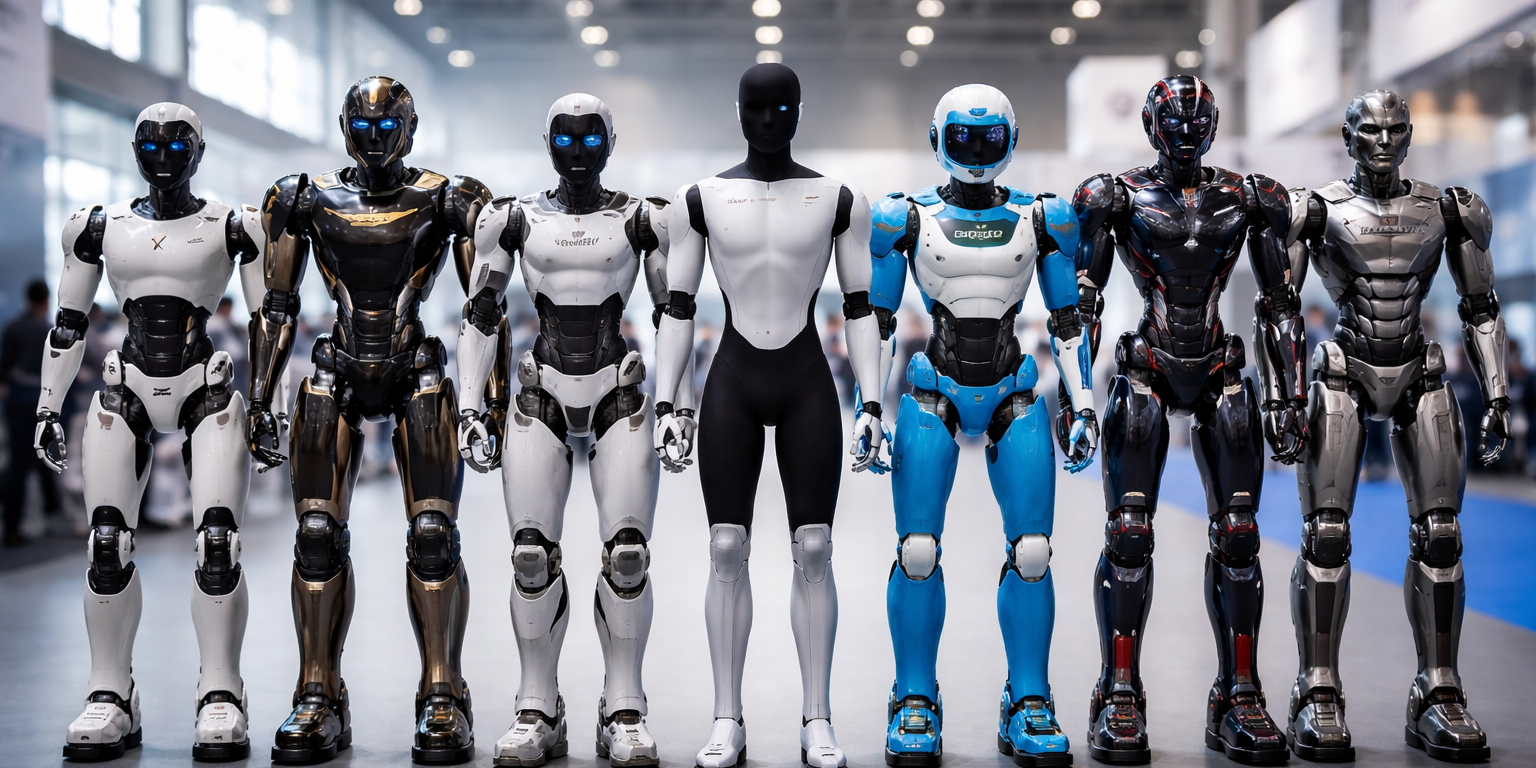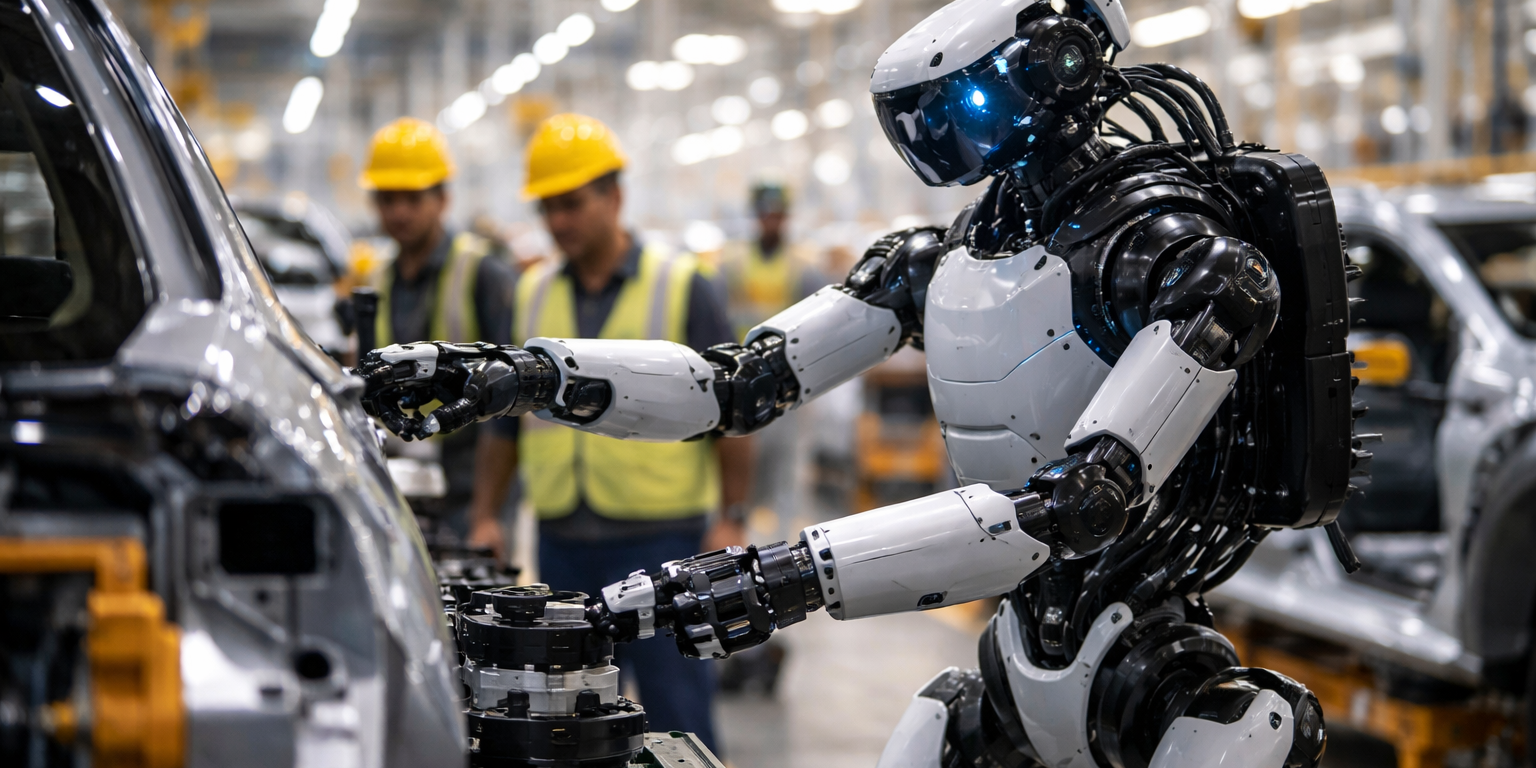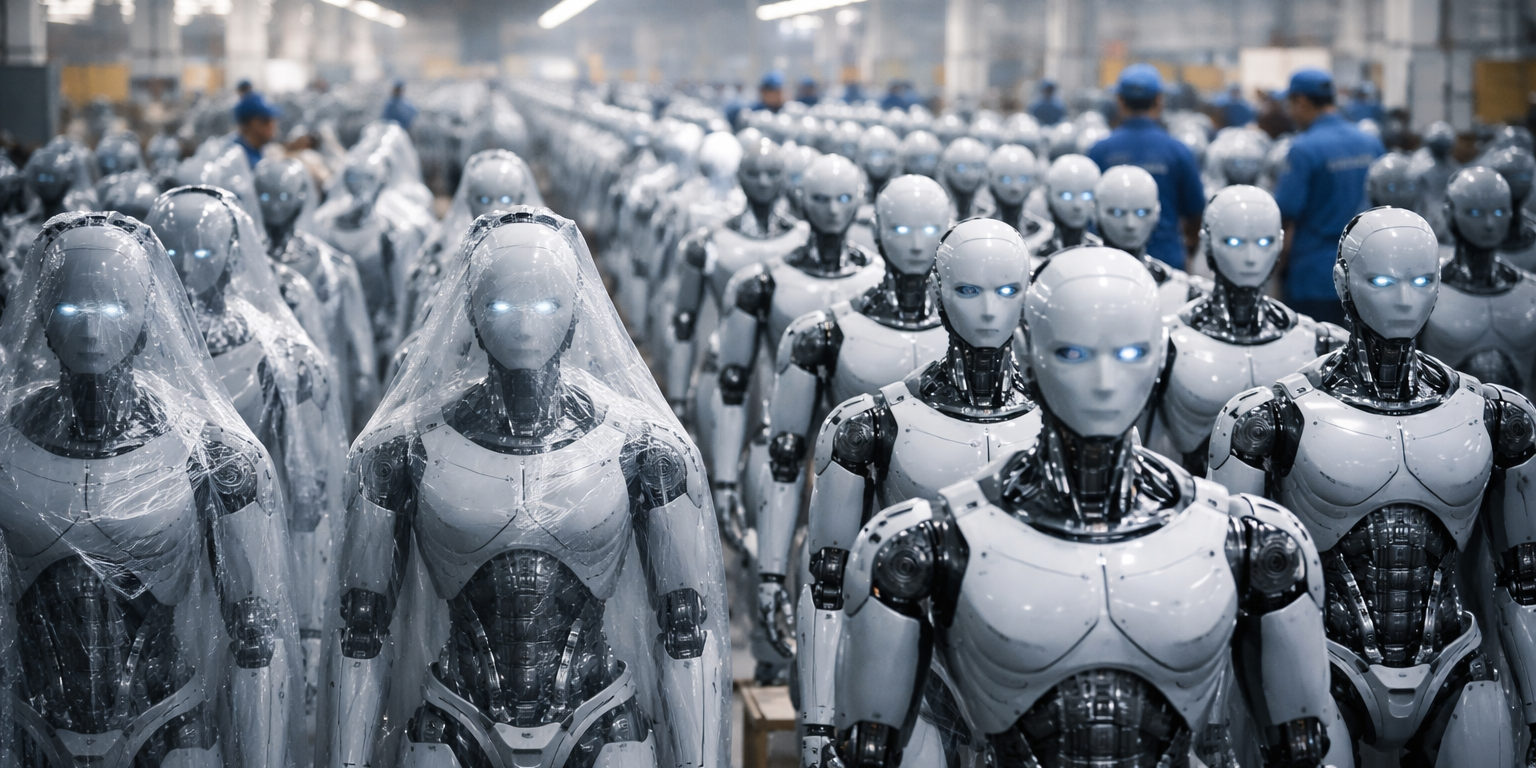
AgiBot will ship 15,000 humanoid robots in 2026, Unitree 11,000, and together the two companies will account for more than a quarter of China's projected output this year, according to production forecasts from the Ministry of Industry and Information Technology. MIIT estimates total Chinese humanoid production will exceed 100,000 units before year-end, a figure that would make China the world's largest manufacturer of bipedal machines by volume. But the gap between production capacity and actual commercial deployment has never been wider. Unitree generates roughly 70 percent of its revenue from universities and research institutions, not factories or logistics centers. UBTech, once considered a frontrunner in the sector, has fallen behind its own shipment commitments, raising questions about whether demand exists at the scale these production numbers suggest.
The duopoly between AgiBot and Unitree reflects both companies' aggressive moves into manufacturing scale ahead of proven market pull. AgiBot, a Shenzhen-based startup founded in 2023, has focused on industrial applications and claims partnerships with several automotive suppliers in Guangdong province, though it has not disclosed specific customers by name. Unitree, better known for its quadruped robots, entered the humanoid market with the G1 model priced at approximately $16,000, positioning it as one of the lowest-cost humanoid platforms globally. That price point has made the G1 attractive to academic buyers, but commercial customers have been slower to commit. Industry sources familiar with Unitree's sales pipeline indicate that fewer than 20 percent of its humanoid orders come from companies deploying robots in revenue-generating operations. The remainder go to labs, universities, and internal R&D teams testing the technology without immediate plans for production-floor integration.
UBTech's struggles offer a cautionary counterpoint to the MIIT production forecast. The company, which went public on the Hong Kong Stock Exchange in December 2023, projected it would ship several thousand humanoid units by mid-2026 based on early customer interest from logistics and retail sectors. Those shipments have not materialized at scale. UBTech has delivered robots to a handful of showcase deployments, including a small fleet at a Shanghai warehouse and demonstrations at consumer electronics stores, but volume orders have stalled. Analysts attribute the slowdown to a combination of factors: higher-than-expected integration costs for customers, software limitations that require extensive on-site customization, and competition from cheaper alternatives in specific task categories. A humanoid designed to move boxes competes not just with other humanoids but with autonomous mobile robots, conveyors, and human labor, all of which currently offer better cost-per-task economics in most facilities. UBTech has not publicly revised its shipment guidance, but secondary market chatter suggests internal targets have been cut by more than half.
The Ministry of Industry and Information Technology's 100,000-unit figure appears to conflate production capacity with actual output, a distinction that matters significantly in capital-intensive manufacturing. Several Chinese robotics manufacturers have announced new assembly lines and component supply agreements over the past 18 months, often with local government subsidies tied to job creation and advanced manufacturing goals. These lines can theoretically produce tens of thousands of units annually, but running at full capacity requires both upstream component availability and downstream customer demand. Neither condition is fully met. Battery supply, actuator production, and compute modules remain bottlenecks, particularly for companies trying to scale beyond pilot runs. On the demand side, most Chinese enterprises remain in the evaluation phase, running small-scale trials rather than placing purchase orders that would justify ramping a factory to volume production. The result is a sector where announced capacity far exceeds actual throughput, and where shipment numbers often include units sent to related entities, research partners, or held as inventory rather than deployed in commercial operations.
What makes the current situation more than a temporary mismatch is the lack of a clear killer application. Quadruped robots found traction in inspection, security, and entertainment. Industrial arms dominate automotive and electronics assembly. Autonomous mobile robots have taken over warehouse goods-to-person transport. Humanoids, by contrast, remain generalists without a single task they perform better and cheaper than alternatives. The promise of humanoid form factor is flexibility: one platform that can navigate human-built environments and use human tools without facility redesign. But that flexibility comes at the cost of complexity, weight, power consumption, and price. Early deployments have focused on tasks where the humanoid form factor provides marginal advantage, like retail shelf stocking in tight aisles or light assembly in environments with frequent layout changes. None of these applications have yet generated the volume orders needed to justify the production scale Chinese manufacturers are building. The sector is betting that applications will emerge once hardware reaches a price and capability threshold, but the threshold remains unclear and possibly further out than current production plans assume.
What to Watch: Track whether AgiBot and Unitree disclose customer names and deployment specifics in the second half of 2026, particularly any orders exceeding 500 units from a single commercial customer. Monitor UBTech's third-quarter earnings call in November for any revision to shipment guidance or commentary on order pipeline conversion rates. Watch for any announcements from Chinese automotive OEMs or logistics providers committing to multi-year humanoid purchase agreements, which would signal a shift from pilot programs to volume adoption. Pay attention to export numbers; if domestic demand lags, Chinese manufacturers may push into Southeast Asian and European markets where labor economics differ.