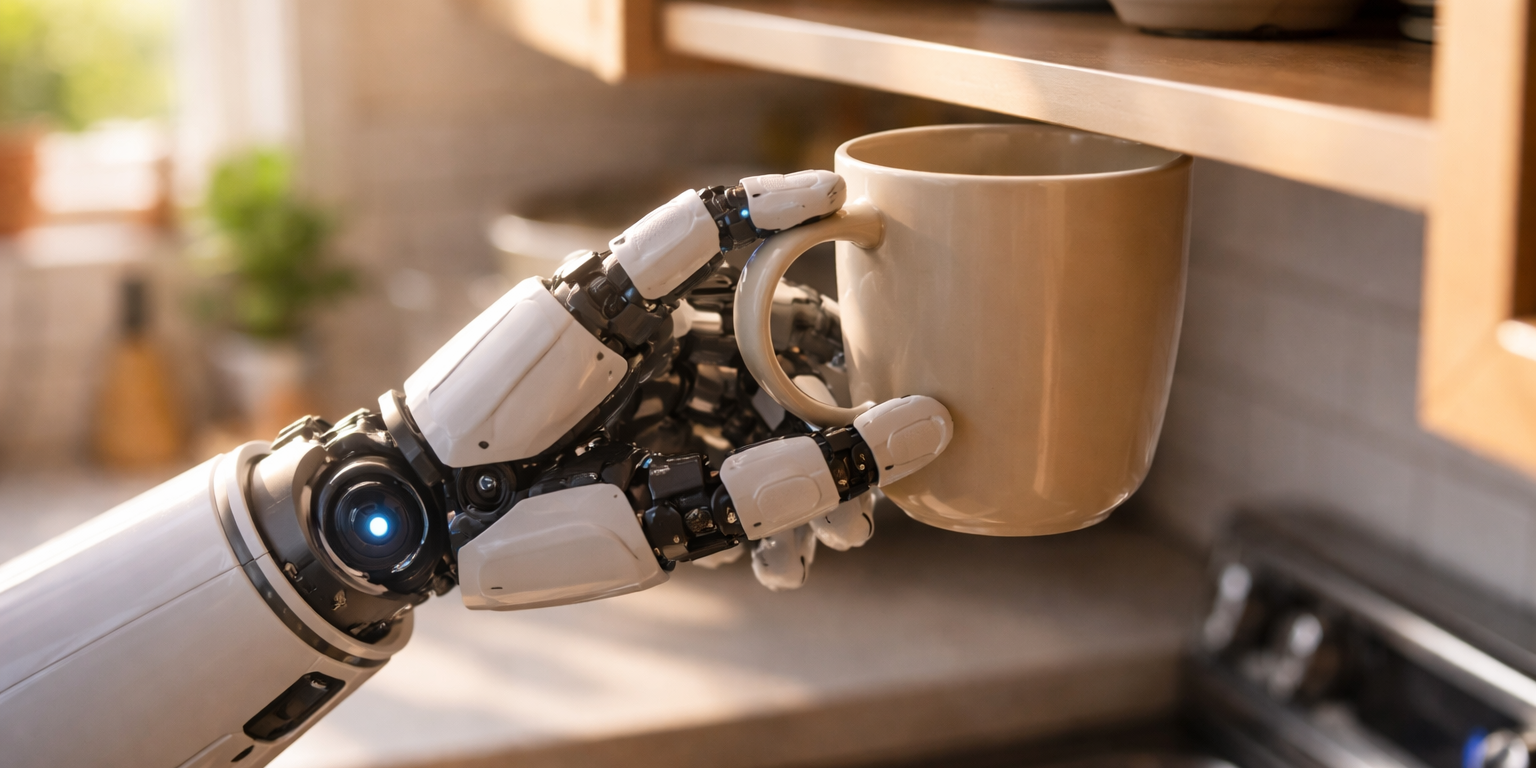
1X delivered its first batch of NEO beta units in June 2026 with hands engineered specifically for tasks like opening cabinets, loading dishwashers, and handling kitchen utensils. The Oslo-based company spent eighteen months redesigning the manipulators after early prototypes demonstrated reliable walking but struggled with objects as simple as coffee mugs. Bernt Børnich, CEO of 1X, told investors during a closed briefing that the hand redesign consumed more engineering hours than the entire lower-body actuator system. The new manipulators feature twelve degrees of freedom per hand, tactile sensors across the palm and fingertips, and grip force modulation that adjusts in real time based on object compliance. Where NEO's legs solve a problem the industry largely cracked years ago, its hands address the capability gap that still separates demonstrations from deployment.
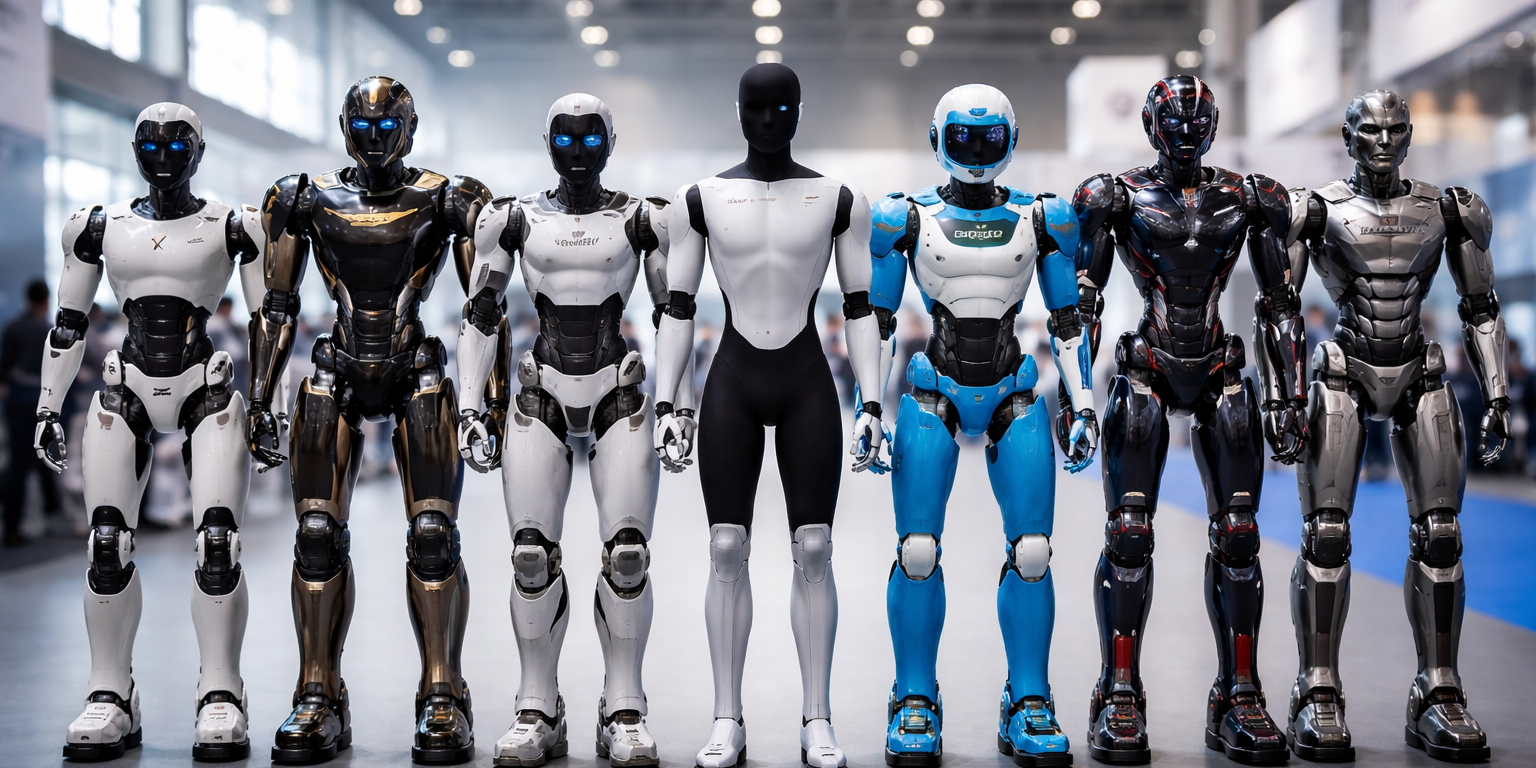
1X is not alone in confronting this reality. Boston Dynamics' Atlas has performed backflips since 2017. Tesla revealed Optimus walking unassisted in 2022. Figure's humanoid can traverse uneven terrain. None of these achievements translate to utility in a home environment where success means folding laundry, not crossing a stage. The challenge is tactile feedback, force control, and real-time adjustment to objects with unpredictable properties. A robot that can stride across gravel but crushes an egg or drops a wine glass remains a laboratory curiosity. 1X's approach with NEO prioritizes manipulation over mobility. The robot walks at a conservative 2.1 miles per hour, slower than most competitors, but its hands can handle objects weighing up to 4.4 pounds with sufficient delicacy to place stemware on a shelf. That tradeoff reflects where the company believes the bottleneck actually sits. OpenAI, which invested $23.5 million in 1X during a 2023 Series A2 round, has been testing NEO units internally since March 2026, focusing training runs on kitchen and light cleaning tasks rather than navigation.
The hand redesign involved collaboration with researchers at NTNU in Trondheim, who contributed work on compliant grippers originally developed for subsea manipulation. Each finger integrates a pneumatic actuator paired with an electric motor, allowing the hand to switch between high-force grasping and fine motor control without mechanical mode changes. Tactile sensors provide 1 kHz feedback on contact pressure, enabling the system to detect slip and adjust grip in under 50 milliseconds. 1X tested the hands on a dataset of 1,200 household objects, from raw eggs to cast iron pans, and claims a 91 percent success rate on pick-and-place tasks in unstructured environments. The company has not released failure mode data, but engineers familiar with the beta program note that transparent containers and reflective surfaces still cause issues with the vision system that guides hand positioning. NEO beta units are currently deployed in fewer than twenty households, all occupied by 1X employees or close partners, with an expectation to expand to fifty homes by the end of 2026. The robots operate under supervision, with remote monitoring by 1X staff who log task failures and edge cases.
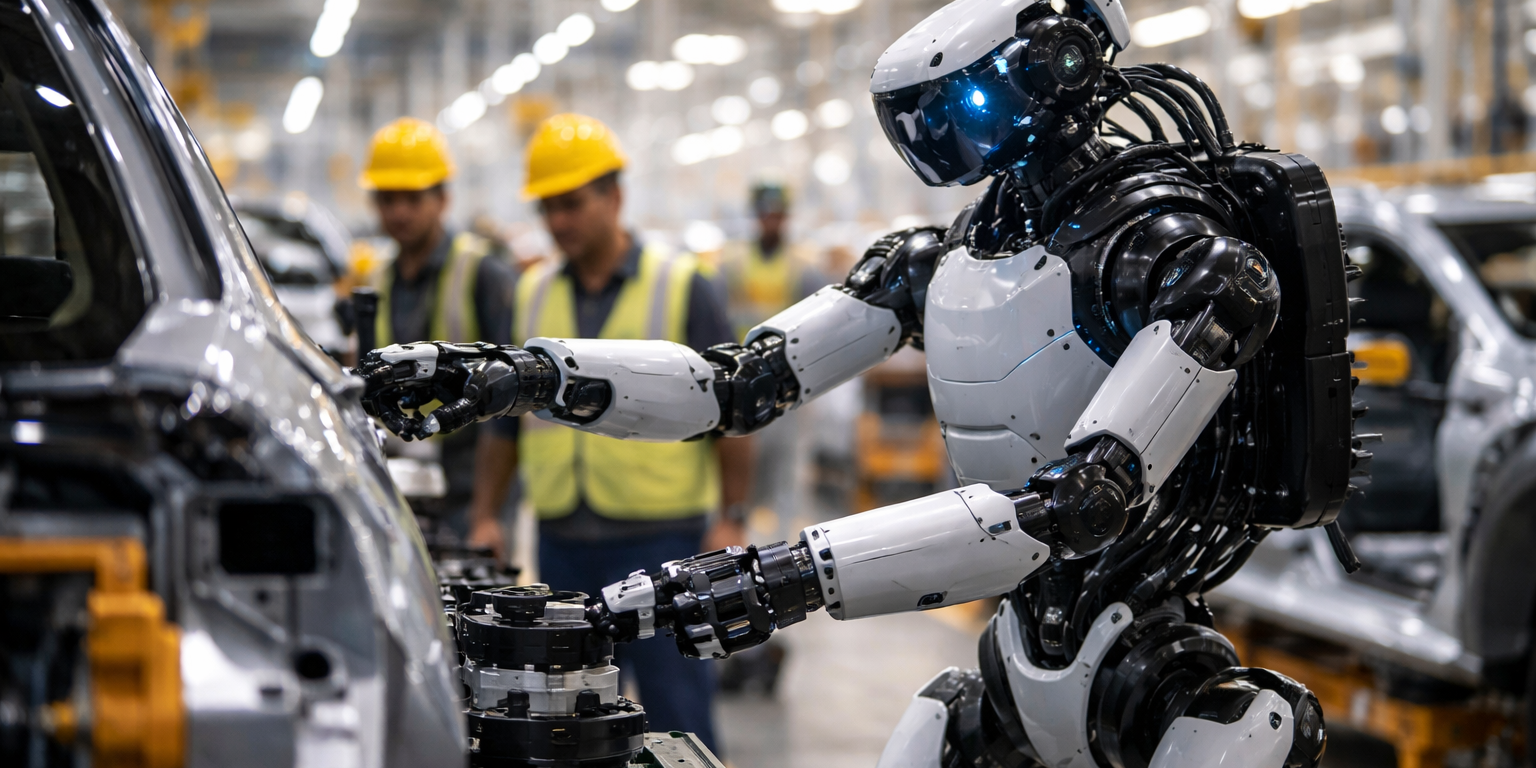
The shift in focus from legs to hands reflects broader industry recognition that humanoid form factor alone does not confer usefulness. Apptronik's Apollo, Sanctuary AI's Phoenix, and Agility Robotics' Digit all face the same challenge: locomotion is impressive but insufficient. The value proposition for a humanoid in a home setting depends entirely on manipulation. A robot must open a refrigerator, retrieve a specific item, and place it on a counter without damage. It must handle fabric, which deforms unpredictably, and fragile objects, which require force precision measured in grams. These are not locomotion problems. 1X's bet is that solving manipulation first, even at the cost of slower walking speed or reduced dynamic balance, creates a faster path to commercial viability. The company plans to begin limited consumer sales of NEO in late 2027, priced between $25,000 and $30,000, contingent on performance benchmarks in the current beta program. Whether that timeline holds depends less on the robot's ability to navigate a hallway than on whether it can unload a dishwasher without breaking plates.
What to Watch: Monitor 1X's beta deployment expansion through the end of 2026; the company has committed to publishing aggregated task success data by October. Track whether Tesla or Figure integrate similar tactile feedback systems into Optimus or Figure 02 ahead of their respective pilot programs. Watch for OpenAI's internal evaluation results, expected to inform decisions on deeper integration between large language models and real-time manipulation planning for humanoids.