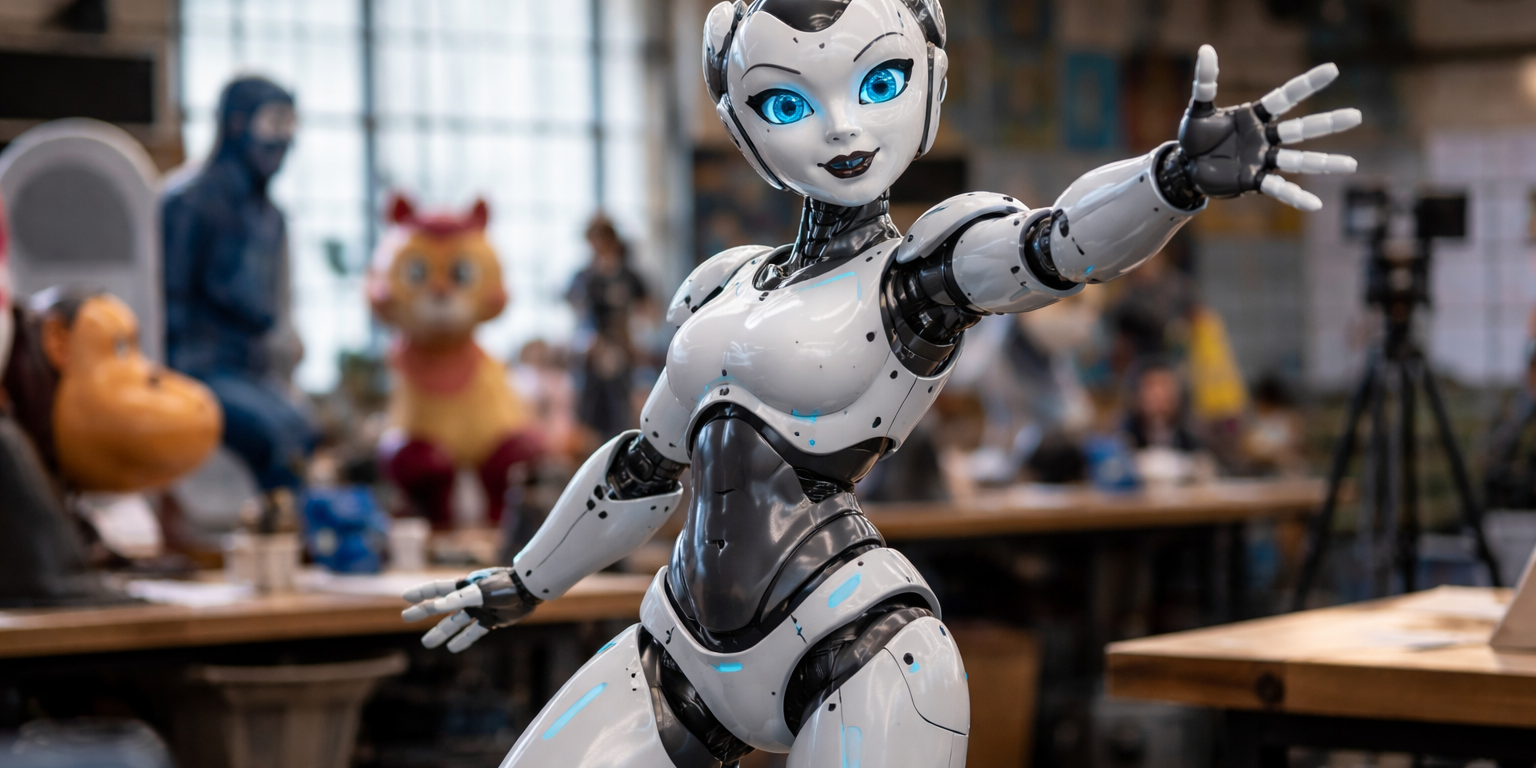
He Xiaopeng, founder and CEO of the electric vehicle maker, confirmed Wednesday that he will assume direct leadership of the company's robotics business unit after Shi Xiaoxin departed his role as senior director of robotics product planning earlier this month. The move consolidates authority over Xpeng's IRON humanoid robot program under the executive who built the automotive company from a 2014 startup into a publicly traded competitor to Tesla in the Chinese market. Xpeng provided no explanation for Shi's resignation, and the company has not named a replacement for the product planning position. Industry observers had speculated about instability within the robotics division after Shi's exit became known through unofficial channels before any formal announcement.
Xpeng entered the humanoid robotics field in August 2023 with the formation of a dedicated robotics division, separate from its automotive operations. The IRON project emerged from that unit, with prototypes demonstrated at trade events over the past eighteen months. He Xiaopeng's decision to take personal command of the robotics business marks a departure from the delegation strategy that characterized the unit's first two years. The automotive executive previously maintained oversight from the corporate level while technical leaders managed day-to-day operations. His direct involvement signals either heightened strategic importance for the robotics business or concern about execution risks as the company reportedly prepares to transition from prototyping to volume manufacturing. Sources familiar with Xpeng's internal roadmap suggest the company has been working toward commercial production of IRON units before the end of 2025, though the company has not published official timelines.
Shi Xiaoxin joined Xpeng's robotics initiative during its formation and carried responsibility for translating technical capabilities into product specifications and market positioning. Product planning directors in robotics companies typically bridge engineering teams and commercial strategy, determining which features to prioritize for specific customer segments and price points. His departure removes institutional knowledge about design decisions and customer requirements that accumulated during the IRON project's development phase. The timing presents complications for a program reportedly nearing the transition from engineering validation to production preparation, when product definition should be stable and supply chain partnerships forming. Xpeng has not indicated whether Shi's responsibilities will be redistributed among existing staff or if the company plans to recruit externally for the product planning function.
The Chinese humanoid robotics market has intensified dramatically over the past year, with automotive manufacturers increasingly viewing bipedal robots as adjacent business opportunities that leverage existing capabilities in electric motors, battery systems, and AI-powered perception. BYD, China's largest EV maker, announced its own humanoid development program in December 2024. Xiaomi shipped its first CyberOne units to enterprise customers in September 2024 after three years of development. UBTech Technologies, which began trading on the Hong Kong Stock Exchange in December 2023, reported it had delivered more than 300 Walker S humanoid units to manufacturing and logistics customers by the end of Q3 2024. The competitive landscape rewards speed to market with functional products that solve specific industrial tasks, not research prototypes. He Xiaopeng's willingness to personally manage the robotics division suggests Xpeng views the window for establishing market position as narrow and the execution risk as material enough to require CEO-level attention.
What to Watch: Monitor whether Xpeng names a new product planning leader for robotics within the next 60 days or keeps those responsibilities under He Xiaopeng's direct purview, which would indicate differing strategic approaches. Track for any updates to IRON's production timeline or customer pilots, particularly in manufacturing facilities where Xpeng already has relationships through its automotive business. Watch for executive departures or reorganizations at competing Chinese humanoid programs, as talent mobility has accelerated across the sector. Observe whether Xpeng discloses robotics revenue or unit shipments in upcoming quarterly earnings, which would reflect confidence in commercialization progress.