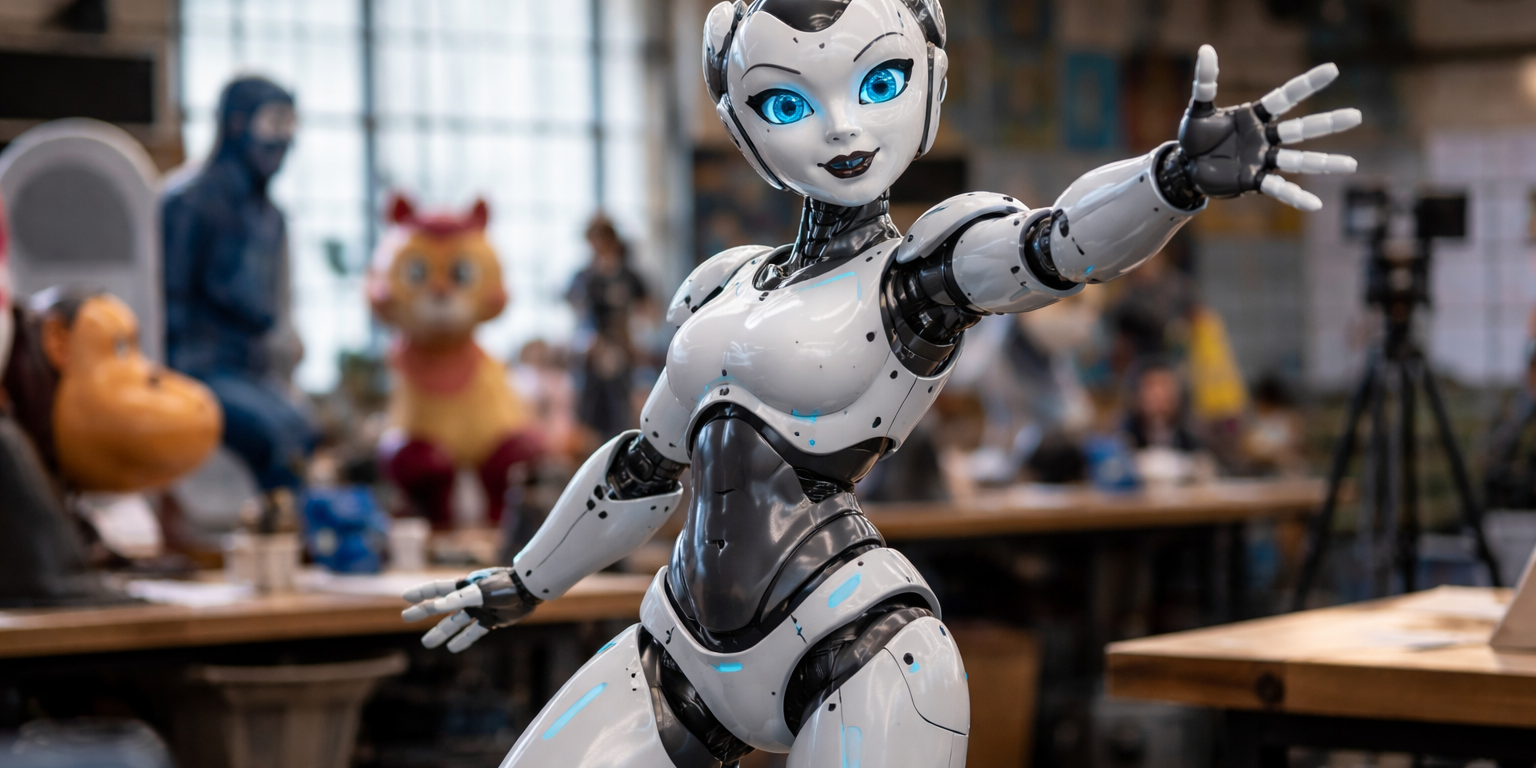
Neura Robotics signed a design partnership with Qualcomm to build future robot platforms on the newly released IQ10 processor family, marking one of the first commercial commitments for silicon that Qualcomm positioned as robotics-specific at CES earlier this month. The Munich-based manufacturer plans to integrate the IQ10 into both humanoid development projects and next-generation industrial manipulators currently in design phases. David Reger, Neura's founder and CEO, confirmed the partnership during CES week but offered no timeline for first shipments using the new architecture. Qualcomm executives described the IQ10 as their first chip purpose-designed for untethered robots rather than repurposed mobile silicon, a distinction that matters for power budgets in battery-operated platforms.
Qualcomm spent the better part of two decades supplying processors to smartphones and has attempted multiple pivots into adjacent hardware categories with mixed results. The robotics push represents a calculated expansion into a market projected to require 14 million processors annually by 2030, according to ABI Research figures cited by semiconductor analysts. Rival chipmakers including NVIDIA and Intel already compete for robotics design wins, but Qualcomm brings established expertise in thermal management and integrated wireless systems that matter when robots operate for hours without tethering. The IQ10 product line includes heterogeneous computing cores that combine CPU, GPU, and neural processing units on a single die, which simplifies hardware design for robot manufacturers who previously assembled discrete subsystems. Qualcomm's announcement materials emphasized support for simultaneous localization and mapping workloads alongside real-time vision processing, both power-intensive tasks that drain batteries in mobile robots.
Neura operates as one of Europe's few robotics companies with both engineering staff and production capacity under one roof. The company manufactures cognitive industrial robots at a facility in Munich that can handle small production runs alongside prototyping work, an unusual combination that gives Neura faster iteration cycles than competitors relying on contract manufacturers in Asia. Reger founded the company in 2019 after stints at automation firms including Kuka, and Neura secured a €16 million Series A in 2021 from investors including Vsquared Ventures. The company's existing product lineup includes the MAiRA manipulator, a collaborative robot arm with integrated vision systems that sells into automotive and electronics assembly applications. Neura also previewed a humanoid torso development platform at trade shows in 2024, though no commercial humanoid has shipped. The Qualcomm partnership appears aimed at both product lines, with the IQ10's power efficiency and integrated sensor fusion particularly relevant for humanoid designs where every watt matters.
The partnership announcement comes as robotics companies face mounting pressure to differentiate on computational architecture rather than mechanical design alone. Boston Dynamics, Figure, and Agility Robotics have all discussed compute strategies publicly in recent months, with each taking different approaches to balancing onboard processing against cloud connectivity. Qualcomm's pitch centers on doing more inference locally, which reduces latency and allows robots to function when connectivity drops. That matters more in warehouses and factories than in controlled laboratory settings, and Neura's customer base operates primarily in industrial environments where network reliability varies. The IQ10 specifications include support for WiFi 7 and 5G cellular radios on the same package, giving robot designers flexible connectivity options without additional radio modules. Qualcomm representatives said the company would announce additional robotics partnerships throughout 2025, though they declined to name other committed manufacturers. Industry observers expect announcements from Chinese robotics firms given Qualcomm's existing supply relationships in that market.
What to Watch: Neura's first robot shipping with IQ10 silicon, likely arriving in late 2025 or early 2026 based on typical hardware development cycles. Additional Qualcomm robotics partnerships announced in the coming quarter, particularly from manufacturers in China and South Korea where Qualcomm maintains strong distribution. Power consumption benchmarks comparing IQ10 against NVIDIA Jetson Orin and Intel RealSense platforms in equivalent robotic applications. Neura's progress on its humanoid development platform, which could become a reference design for other manufacturers adopting the IQ10 architecture.