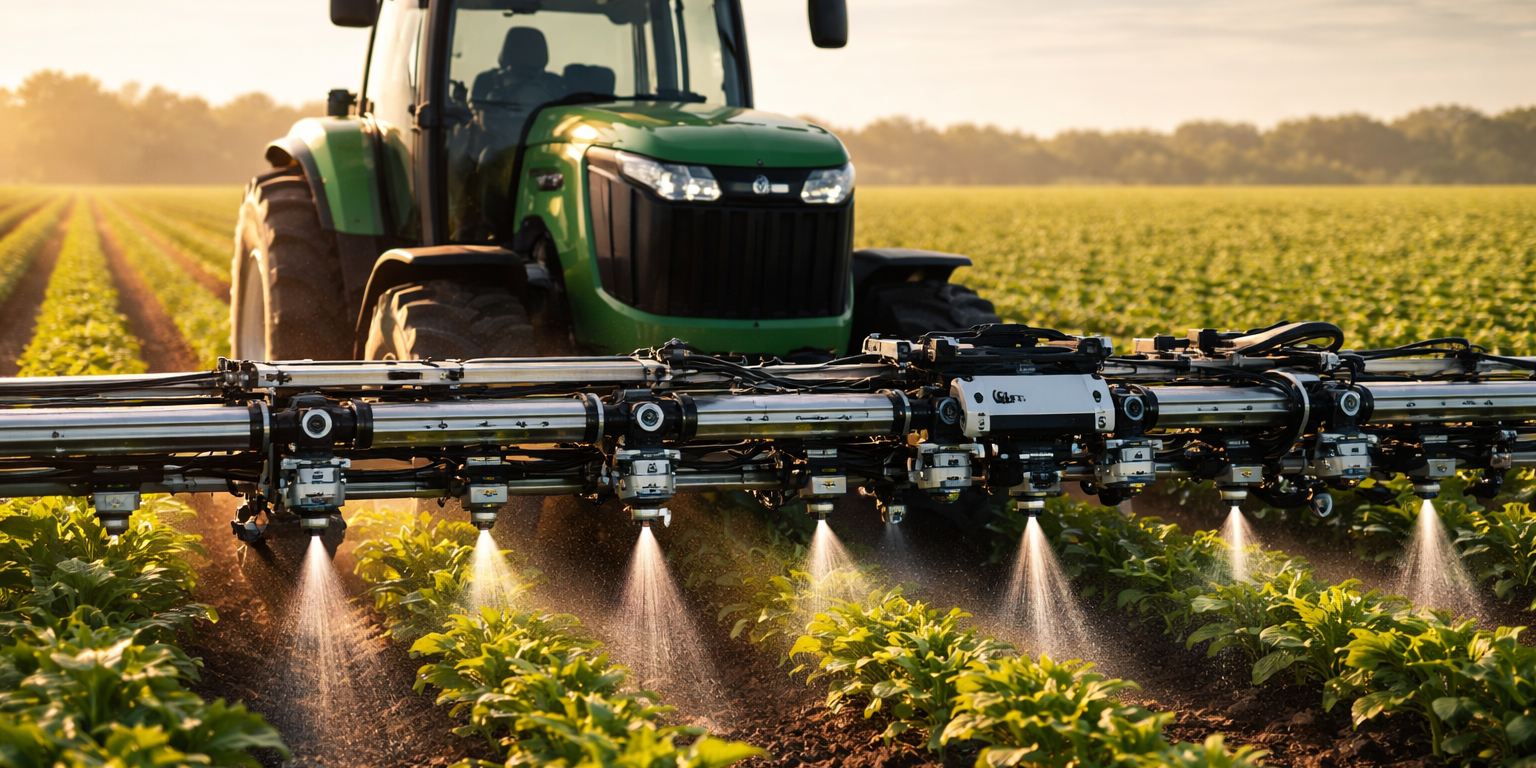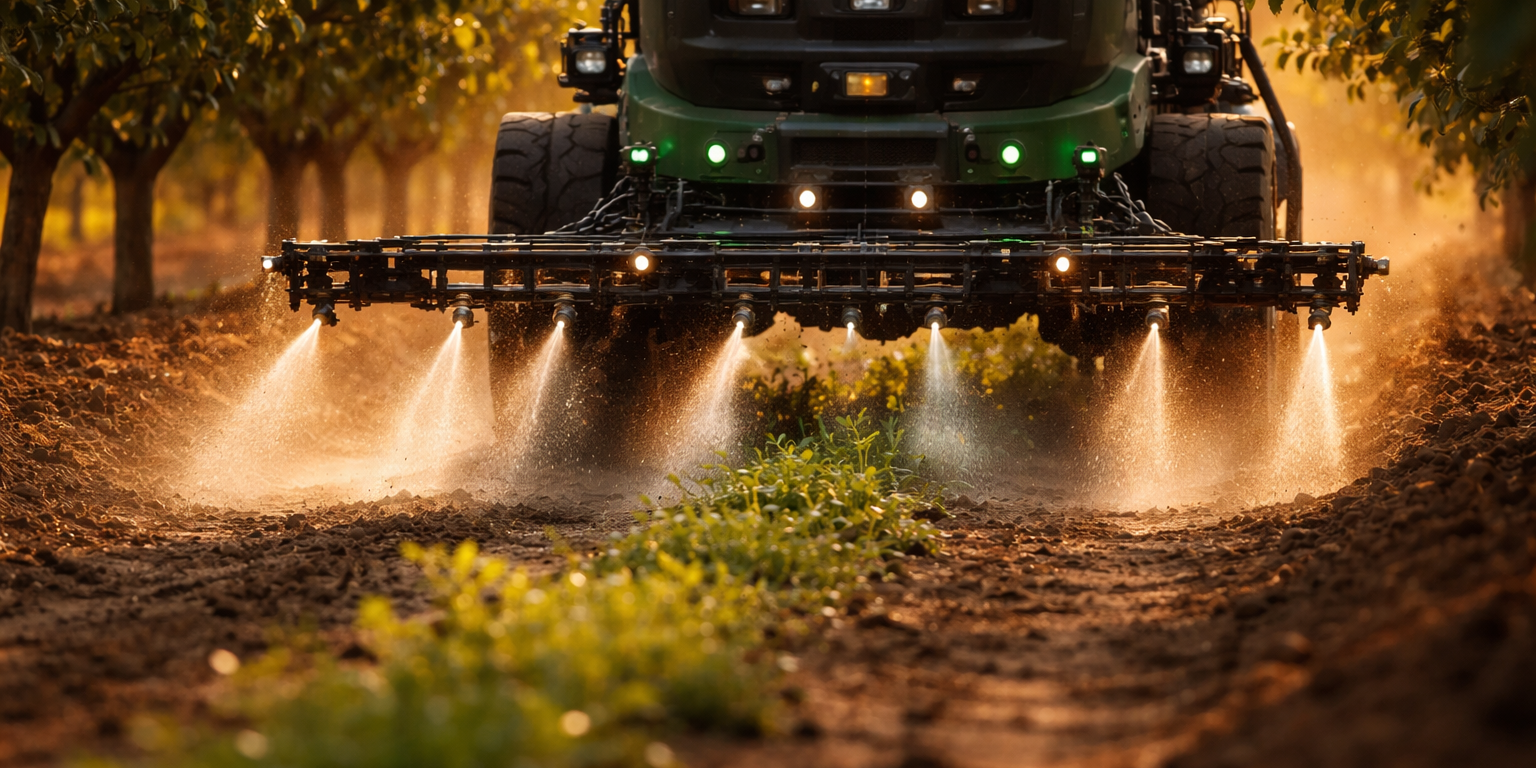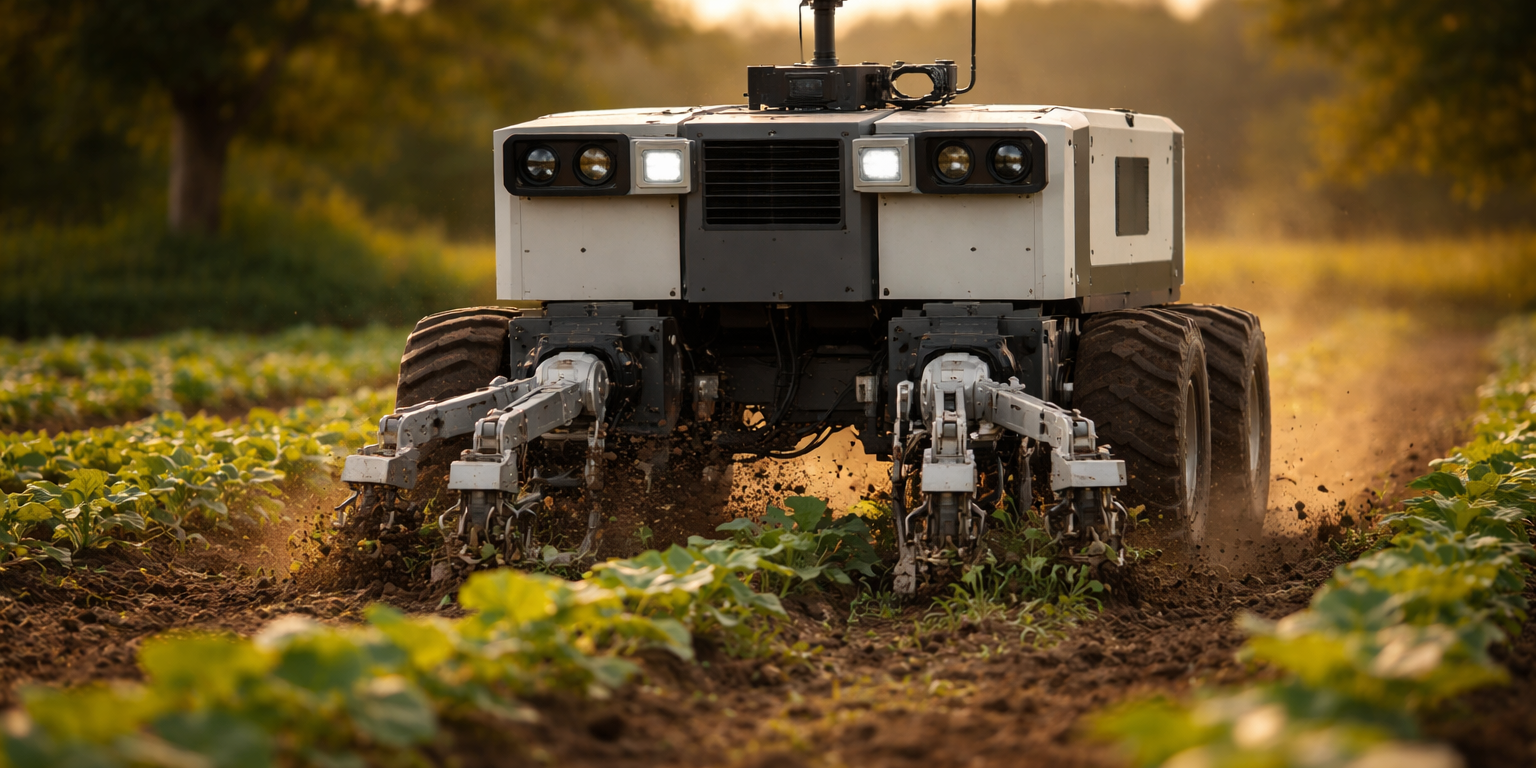
The Weedinator agricultural robot has logged nine years of continuous development since its 2017 debut, an unusually long gestation period that reflects both the complexity of autonomous field operations and the realities of grassroots hardware projects. Unlike venture-backed competitors that announce deployments and then quietly retreat, this open-source platform has persisted through multiple iterations, hardware revisions, and design philosophy shifts. The longevity itself carries information: building a machine that can navigate unstructured outdoor environments, distinguish crops from weeds with sufficient accuracy, and mechanically remove unwanted plants without damaging adjacent growth remains difficult even with modern computer vision and widely available robotics components.
The project's architecture centers on GPS-guided navigation combined with machine vision for plant identification, a combination that sounds straightforward but quickly becomes complicated in practice. GPS accuracy degrades under tree canopy and in proximity to buildings. Computer vision models trained on datasets of weeds often fail when confronted with regional plant variations, unusual soil conditions, or unexpected lighting. Mechanical weeding mechanisms—whether rotary blades, flame units, or precision cultivators—require careful calibration to remove target plants without disturbing root systems of nearby crops. These are the same problems commercial platforms face, which is why companies like FarmWise, Carbon Robotics, and Naio Technologies continue refining their systems years after initial deployments. The Weedinator project makes its struggles visible rather than hiding them behind marketing materials, offering engineers a transparent view of where autonomous agricultural robotics still falls short of theoretical promise.
Open hardware projects in agriculture occupy an unusual position in the robotics ecosystem. They move slowly compared to venture-funded startups but often outlast them, sustained by communities of farmers, engineers, and tinkerers who value repairability and customization over polished user experiences. The Weedinator exemplifies this approach: components are selected for availability rather than performance optimization, documentation prioritizes modification over turnkey operation, and the bill of materials assumes access to basic fabrication tools rather than specialized manufacturing. This philosophy appeals to small-scale growers and research institutions unwilling to commit to proprietary platforms, particularly in regions where commercial support networks remain sparse. The tradeoff shows up in reliability and ease of deployment, but for users who already maintain their own equipment and possess basic programming skills, the flexibility often justifies the additional effort.
The broader agricultural robotics market continues expanding despite persistent challenges in unit economics and deployment scale. Precision weeding platforms promise labor cost reductions and herbicide elimination, but most commercial systems still require favorable conditions to operate effectively: relatively flat terrain, consistent crop spacing, adequate lighting, and dry soil. Weather delays, mechanical breakdowns, and false positive rates in weed detection all erode the theoretical savings. Venture investors have nevertheless poured capital into the sector, betting that improving sensor costs, more robust computer vision models, and incremental mechanical refinements will eventually push these platforms past the adoption threshold. Projects like Weedinator serve as useful benchmarks for tracking actual progress versus marketing claims, since open development logs and community forums reveal failure modes that corporate press releases omit.
What to Watch: Monitor whether the Weedinator project publishes quantitative performance metrics—particularly false positive rates in weed detection and hours of autonomous operation between interventions—that would allow direct comparison with commercial platforms. Track whether any agricultural research institutions adopt the design for field trials, which would signal that the platform has reached sufficient maturity for controlled testing. Pay attention to component selections in future revisions, especially camera systems and compute boards, as these choices often telegraph broader trends in cost-performance tradeoffs for outdoor computer vision applications.