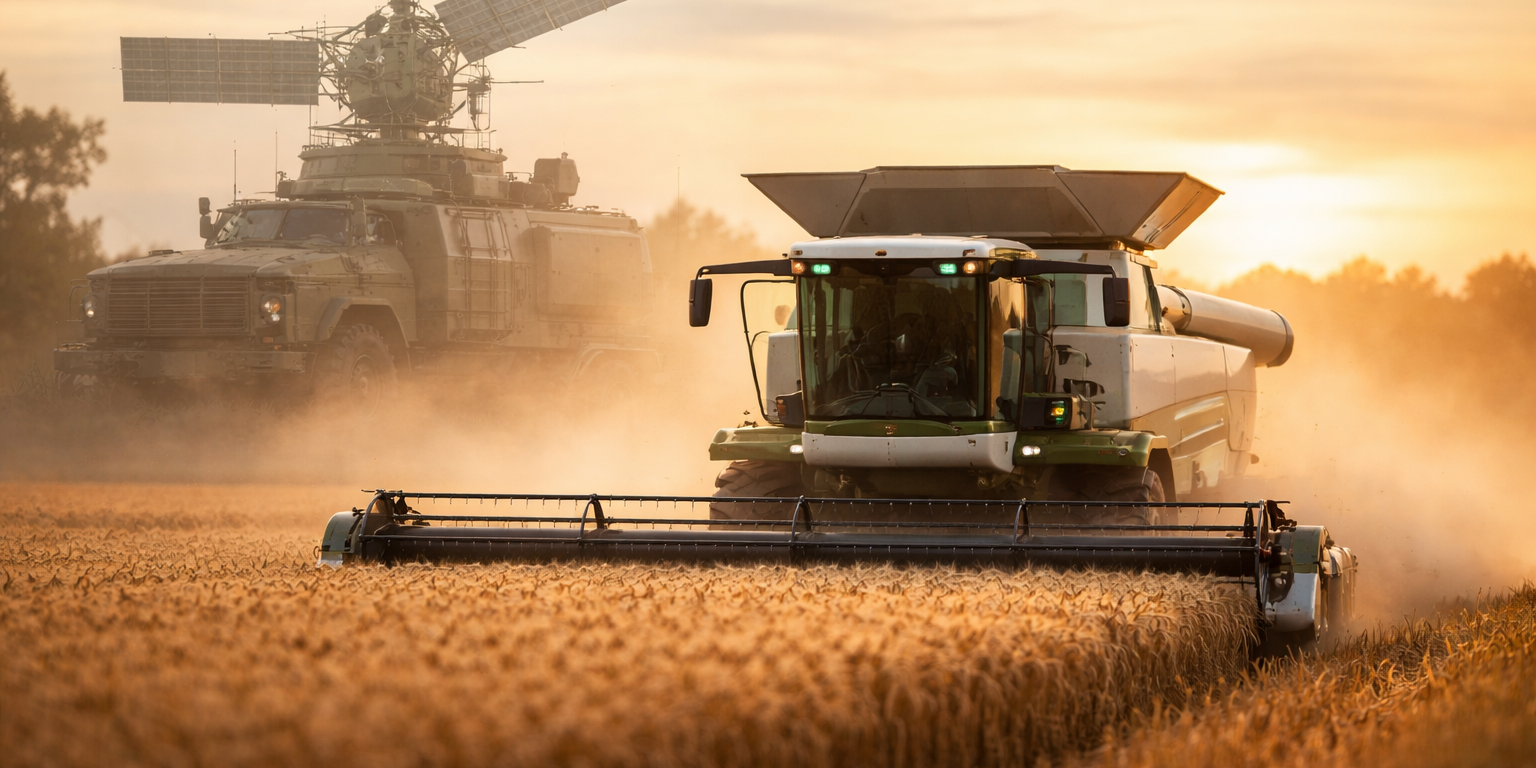
GPS reached commercial farm equipment in the late 1990s, nearly two decades after the Defense Department launched the first satellites. Machine vision systems arrived in tractors a full generation after automotive assembly lines deployed them at scale. This pattern persists across agricultural robotics, where nearly every enabling technology originates outside the sector and arrives years, sometimes decades, after proving itself elsewhere. The disconnect raises questions about whether agriculture commands the strategic priority its advocates claim it deserves. Defense contractors develop autonomous navigation for battlefield vehicles. Agriculture adapts it for combines. Silicon Valley builds neural networks for image recognition. Precision agriculture companies repurpose them for weed detection. The transfer works, but the timeline stretches long enough that farming perpetually operates with yesterday's toolkit.
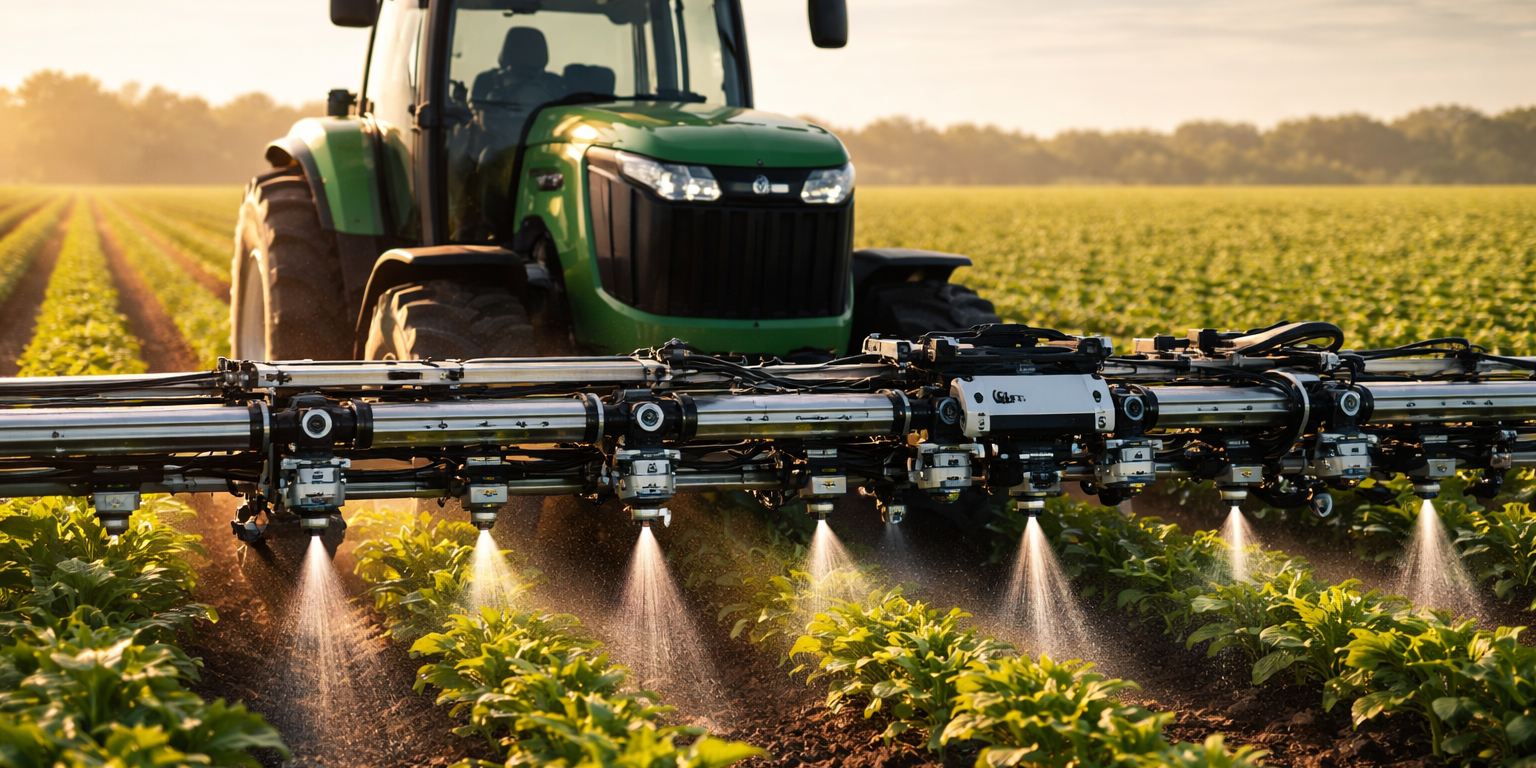
The technology transfer model carries real consequences for robotics developers targeting agricultural markets. Sensor packages designed for controlled factory environments require extensive weatherproofing before field deployment. Computer vision algorithms trained on urban datasets struggle with soil variability and changing natural light conditions. What works in a warehouse often fails in a wheat field. Companies entering the space quickly discover that adaptation costs money and time. AgTech venture funding hit $5.1 billion globally in 2025, according to AgFunder data, but a significant portion goes toward retrofitting existing technologies rather than developing agriculture-specific solutions. The result is a sector that moves incrementally, adapting innovations rather than driving them. Robotics engineers at John Deere, CNH Industrial, and AGCO spend development cycles making borrowed technology farm-ready instead of inventing fundamentally new approaches to autonomous field operations.
The pattern reflects investment priorities more than technical capability. Defense budgets dwarf agricultural R&D spending by orders of magnitude. The U.S. Department of Defense allocated roughly $130 billion for research, development, test, and evaluation in fiscal 2025. The USDA's Agricultural Research Service received $1.84 billion. Private sector dynamics mirror the public disparity. Waymo has raised over $11 billion to develop autonomous driving for urban environments. No agricultural robotics company commands remotely comparable resources despite operating vehicles in less constrained spaces. The funding gap shapes what gets built and when. Technologies with dual-use potential or clear defense applications attract capital and talent. Purely agricultural innovations compete for scraps. Some executives argue this misallocates resources given agriculture's role in national security and global stability. Others counter that farming simply lacks the profit margins to justify frontier research. A $500,000 autonomous tractor must operate for years to generate returns. A $200,000 military drone might deploy once.
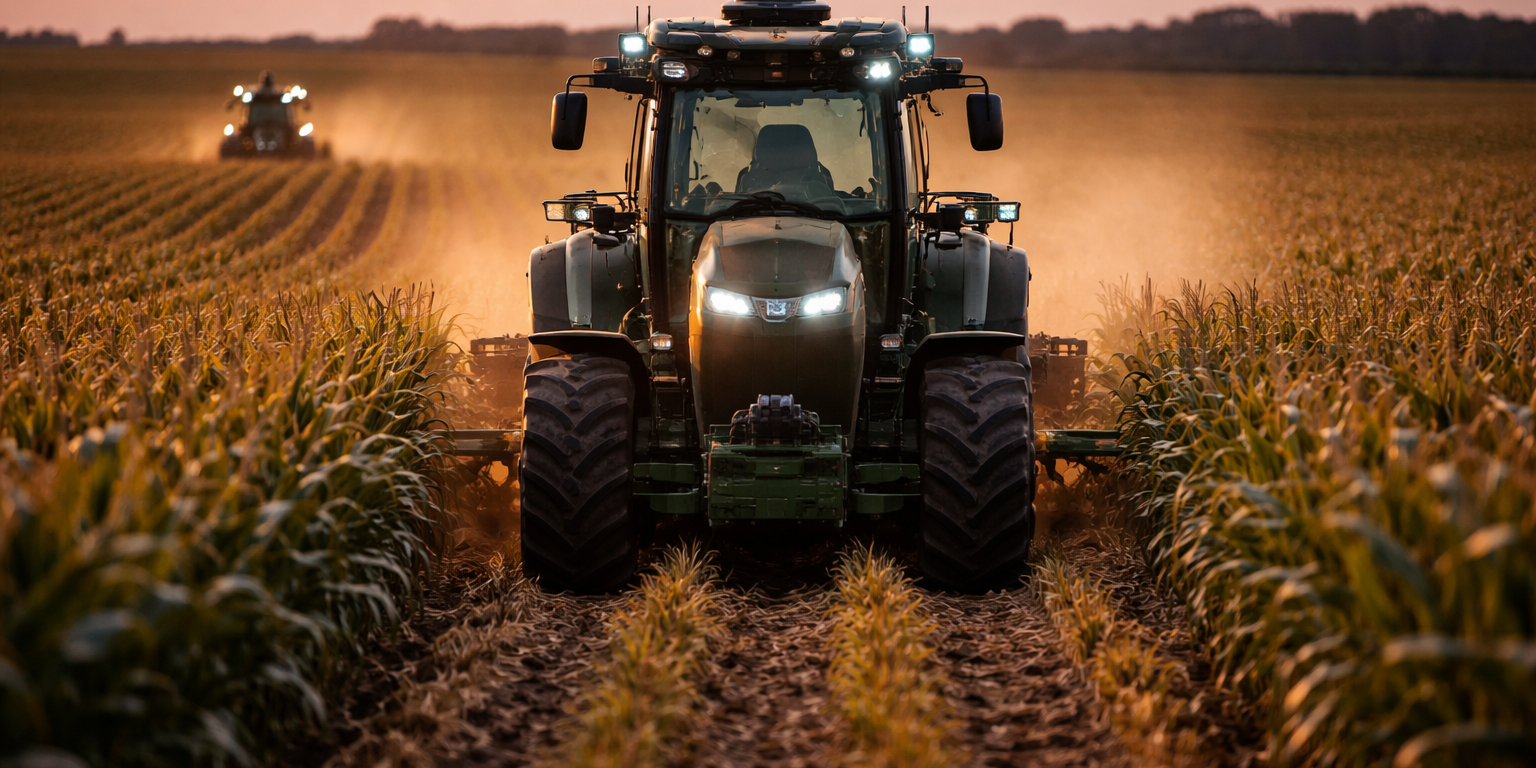
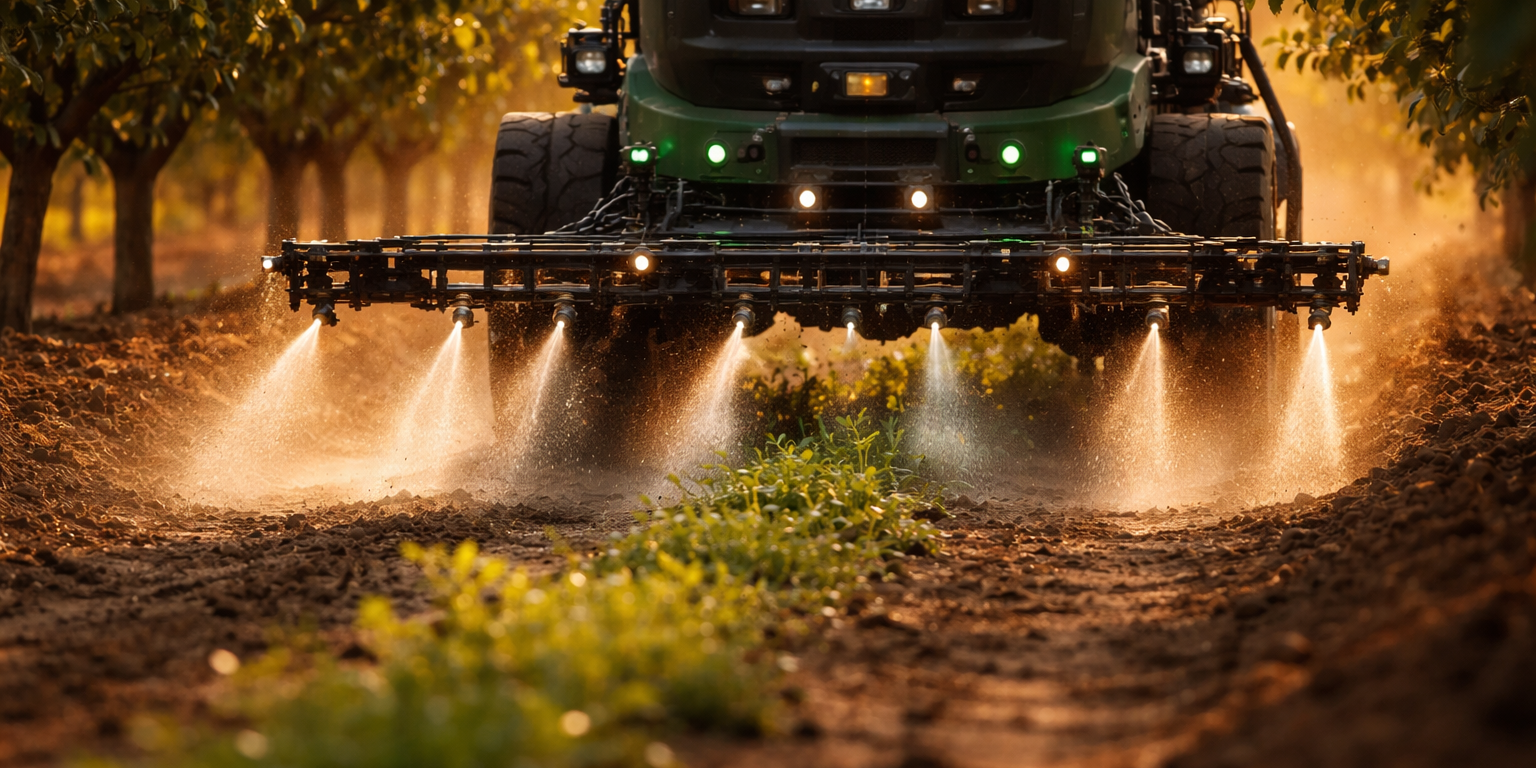
Several companies are attempting to break the cycle by developing agriculture-first robotics platforms. Carbon Robotics built its LaserWeeder from the ground up for field conditions rather than adapting industrial lasers. FarmWise designed its Titan cultivator specifically for vegetable operations, not by modifying warehouse automation. These efforts remain exceptions. Most agricultural robotics development still begins with proven components from other industries and works backward toward farm applications. The approach de-risks investment but reinforces the lag. By the time a technology reaches commercial farmland, the next generation exists in labs elsewhere. Autonomous tractors rolling out in 2026 use perception systems conceptually similar to those in 2018-vintage self-driving cars. The gap persists because closing it requires resources the sector struggles to attract. Food security rhetoric collides with venture capital reality. Investors chase exponential returns in software and defense. Agriculture offers linear growth in a capital-intensive, weather-dependent business.
What to Watch: Track whether precision agriculture companies announce internally developed sensor platforms rather than third-party integrations by Q4 2026. Monitor Defense Department dual-use technology programs for increased emphasis on agricultural applications following the National Security Council's food security review scheduled for August 2026. Watch for John Deere's autonomous tractor production volumes in the second half of 2026 as an indicator of whether retrofit approaches can scale profitably. Pay attention to AgTech venture funding composition in 2027 to see if capital shifts toward foundational research or continues concentrating on deployment of existing technologies.