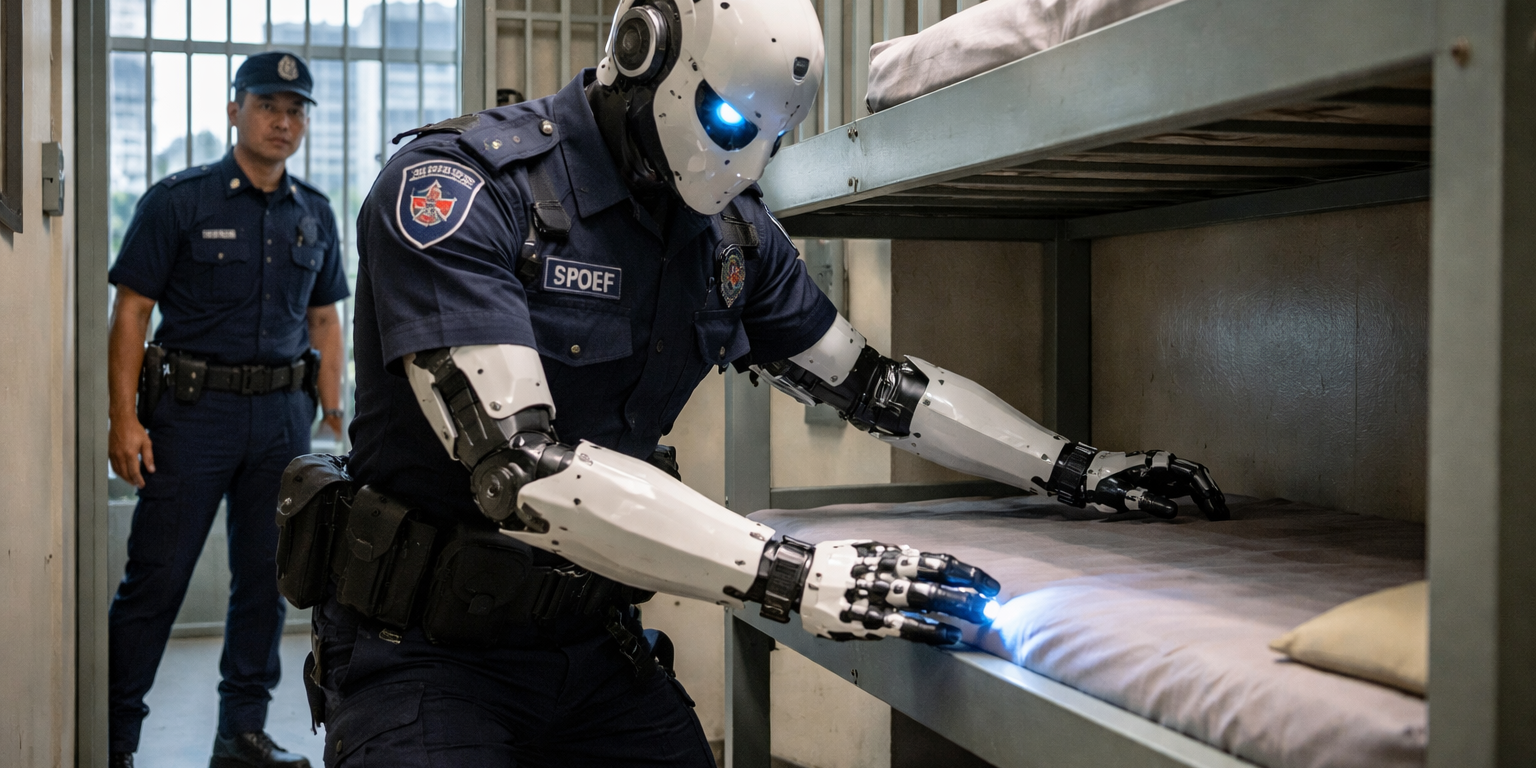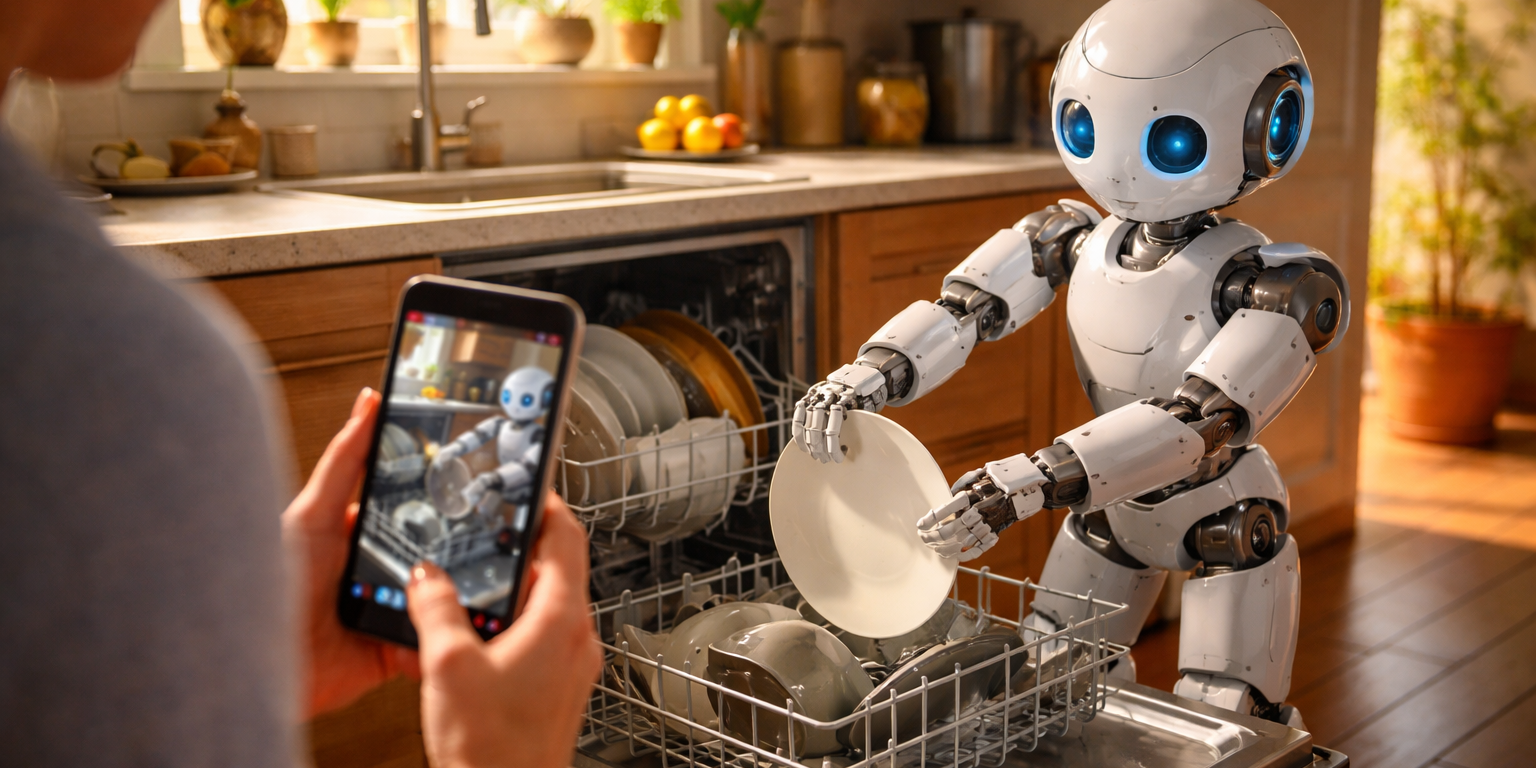
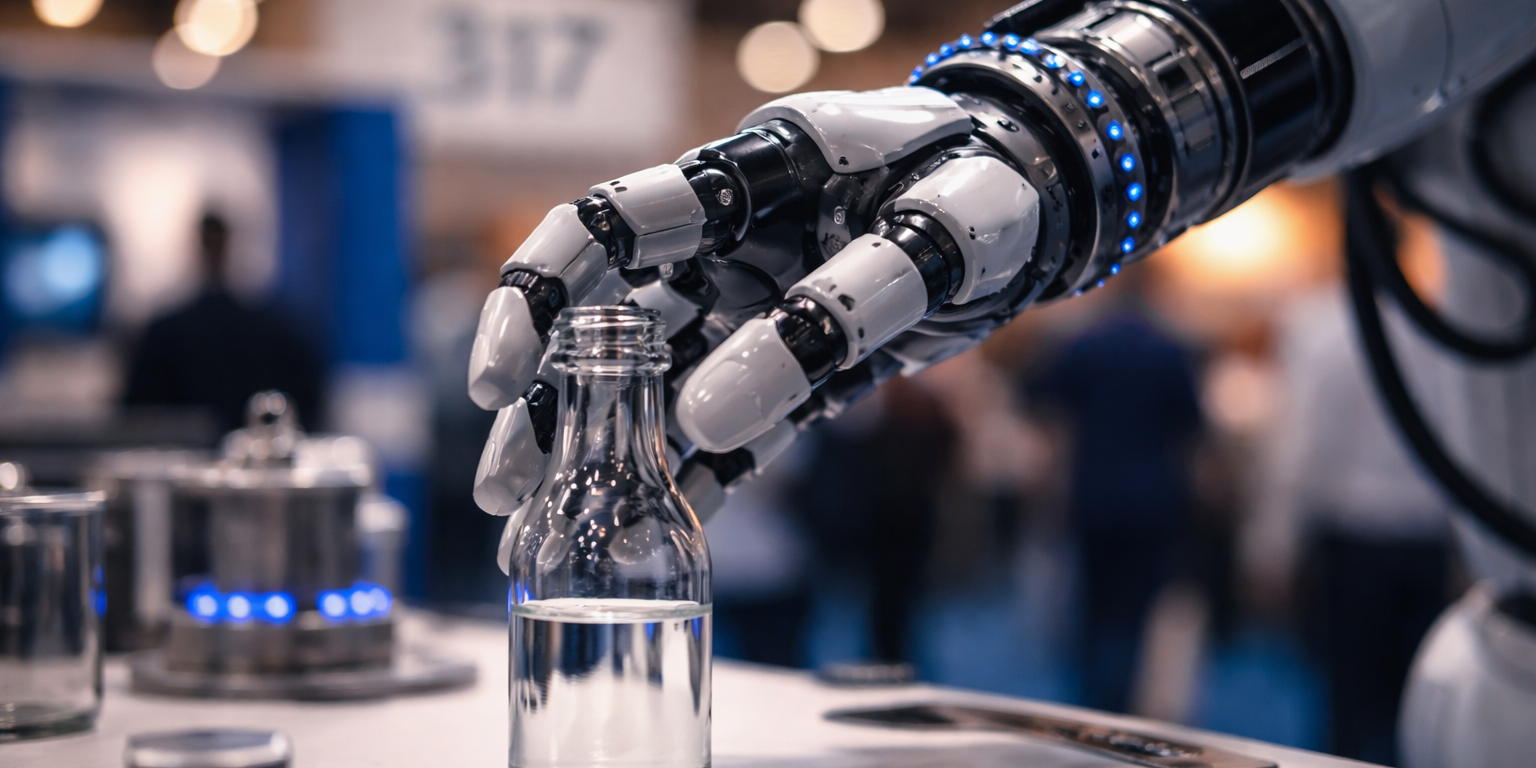
Vishay Precision Group will occupy booth 317 at RoboBusiness 2026 in Santa Clara next week, displaying force-torque sensors engineered specifically for humanoid robot joints and end effectors. The Malvern, Pennsylvania manufacturer produces strain gauge-based transducers that measure forces from millinewtons to kilonewtons across six axes simultaneously, a capability that matters as commercial humanoids attempt tasks like picking fragile objects off shelves or navigating crowded factory floors without injuring workers.
The timing aligns with a sharp acceleration in humanoid hardware deployments. Figure AI placed its Figure 02 units inside BMW's Spartanburg, South Carolina assembly plant earlier this year under a pilot that has since expanded to three production lines. Apptronik announced in August that Mercedes-Benz would evaluate its Apollo platform for logistics tasks at a Texas facility starting in November. 1X Technologies began shipping EVE units to corporate customers in July for reception and light warehouse duties. Each configuration requires real-time force feedback to prevent damage to goods, infrastructure, and people sharing the same workspace. A humanoid reaching for a cardboard box needs different grip pressure than one handling glass components, and the control loop must adjust within milliseconds based on sensor input.
Vishay manufactures foil strain gauge technology that measures mechanical deformation at resolutions below one microstrain. The company's Precision Resistor and Foil Technology division produces custom sensor arrays embedded in robotic wrist assemblies, ankle joints, and torso actuators where engineers need to monitor torque loads during dynamic movement. Typical applications include detecting when a humanoid's foot makes contact with uneven ground or when a gripper encounters unexpected resistance that might indicate a jammed mechanism or foreign object. The sensors output analog voltage proportional to applied force, feeding into real-time control systems that modulate motor commands to maintain stability and prevent mechanical failure. VPG's product line includes single-axis load cells rated for 50 newtons alongside six-axis transducers handling 5,000 newtons, covering the range from fingertip touch to full-body weight transfer.
The exhibit arrives as sensor fusion becomes a bottleneck in humanoid development. Boston Dynamics Atlas uses custom force-torque sensors in each limb to enable parkour maneuvers and object manipulation demonstrated in recent videos. Tesla Optimus integrates tactile arrays throughout its hands, visible in footage showing the robot folding laundry and sorting battery cells at the company's Fremont factory. Sanctuary AI equips its Phoenix platform with force feedback in every finger joint to achieve what the Vancouver company calls "human-equivalent touch resolution." These systems generate terabytes of data daily, requiring onboard processing that weighs sensor readings against vision, inertial measurement, and position encoders to produce stable motion planning. A gap exists between available off-the-shelf sensors and the customized solutions humanoid manufacturers actually need for production-scale deployment. VPG positions its engineering team as capable of designing application-specific transducers with mounting interfaces, output characteristics, and environmental ratings tailored to individual robot architectures rather than forcing manufacturers to adapt generic industrial sensors.
What to Watch: RoboBusiness runs October 7-9 at the Santa Clara Convention Center, where VPG shares exhibition space with actuator suppliers, vision system providers, and at least four humanoid platform manufacturers confirmed for live demonstrations. Figure AI and Apptronik both stated in earnings calls they expect to disclose expanded pilot partnerships before year-end. Monitor whether sensor manufacturers announce design wins with specific humanoid programs, particularly around wrist and ankle assemblies where force-torque measurement directly impacts manipulation and locomotion performance.