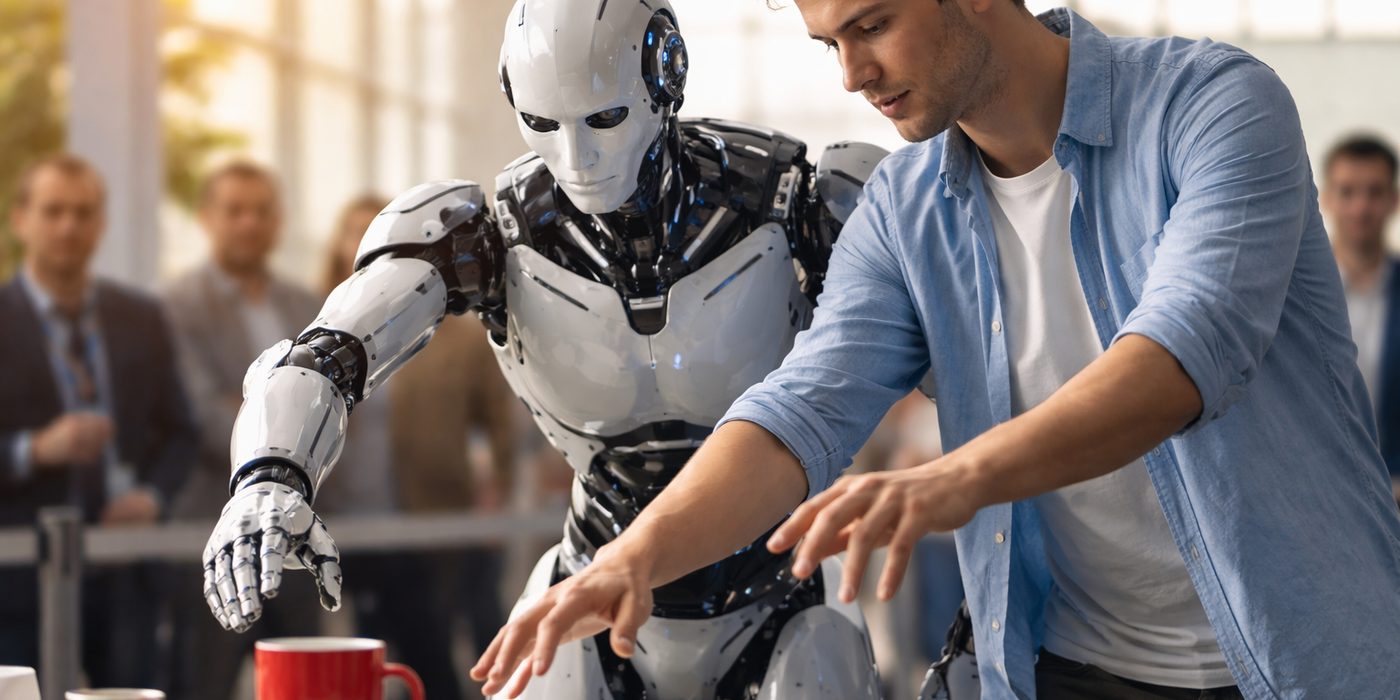
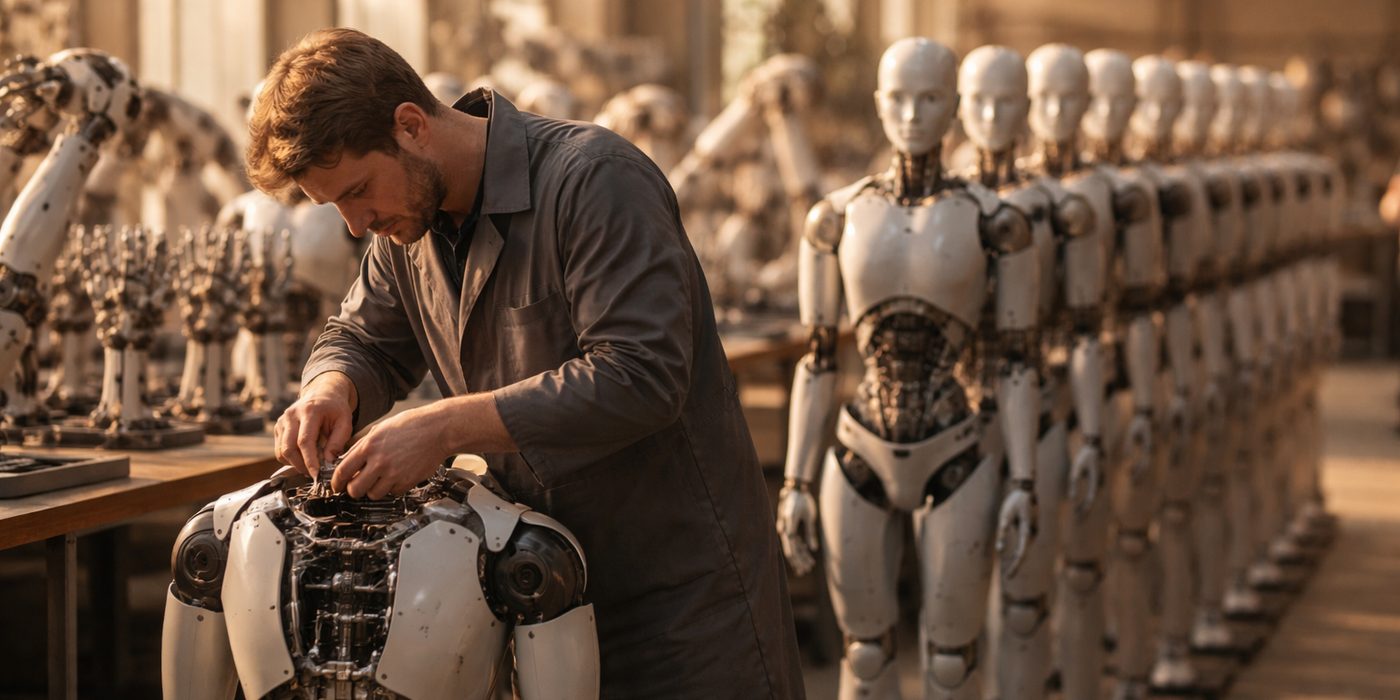
Half a billion dollars is not a research budget. It is a factory budget, and that distinction is the most telling thing about the $500 million Agile Robots has raised to increase production capacity across its product lines. The Munich company, which builds humanoids, mobile robots, robotic arms, and robotic hands, is spending the money on making more machines rather than inventing new ones. For a sector still littered with impressive prototypes and thin order books, a raise earmarked for throughput is a statement about where its management believes demand already sits.
The round lands in a funding climate that has reshaped expectations for hardware startups. Over the past two years, humanoid developers such as Figure AI, Apptronik, and 1X have collected nine-figure checks, while Chinese manufacturers including Unitree and UBTech have pushed unit prices down and volumes up. Agile Robots has taken a different route. Rather than building a single flagship humanoid and hoping the market arrives, it has sold a spread of products, with force-controlled arms and mobile platforms serving as the revenue engine while humanoid and hand work matures. That diversification gives it something many pure-play humanoid firms lack: a base of deployed systems generating real operating data.
The breadth of the portfolio matters for a specific technical reason. Dexterous manipulation remains the hardest unsolved problem in general-purpose robotics, and hands are where most humanoid programs stall. A company that already manufactures arms and hands at scale controls the components that determine whether a humanoid can do useful work, from tactile sensing to actuator torque density to the control software that ties them together. Agile Robots has long emphasized force and torque sensing integrated at the joint level, a design philosophy rooted in its founders' academic work on robot learning and compliant control. Scaling production of those subsystems lets the company amortize development costs across every product it sells.
The harder question is whether capital alone can close the gap on manufacturing economics. Humanoid bills of materials remain stubbornly high, and the supply chains for precision actuators, harmonic reducers, and high-density sensors are dominated by suppliers concentrated in Asia. A European builder expanding capacity must either secure those components at competitive prices or invest in bringing them closer to home, and both paths are expensive. The real advantage of $500 million is optionality: the ability to place large component orders, qualify second sources, and absorb the yield losses that accompany any new production line. Rivals with thinner balance sheets cannot afford that learning curve.
For the wider industry, the raise sharpens a strategic split. One camp argues that humanoids will arrive through a single dramatic product launch backed by foundation models; the other believes adoption will be incremental, built on proven arms and mobile bases that gradually take on harder tasks. Agile Robots sits squarely in the second camp, and its funding suggests investors see merit in that patience. European industrial buyers, wary of dependence on Chinese or American suppliers, may also welcome a domestic option with real manufacturing muscle. If the company converts this capital into delivered units on schedule through 2027, it will validate a thesis that the humanoid race is won on the factory floor.
What to Watch Track whether Agile Robots discloses specific capacity targets, such as annual unit output or new facility locations, in the coming weeks, since vague expansion language would be a warning sign. Watch for announcements of named industrial customers or fleet-scale deployments in automotive and electronics, where force-controlled manipulation commands a premium. Monitor hiring and supplier signals around actuator and hand components through early 2027, which will reveal how deeply the company is vertically integrating. Finally, compare its disclosed pricing against Unitree and UBTech offerings to gauge whether European production can stay cost-competitive.