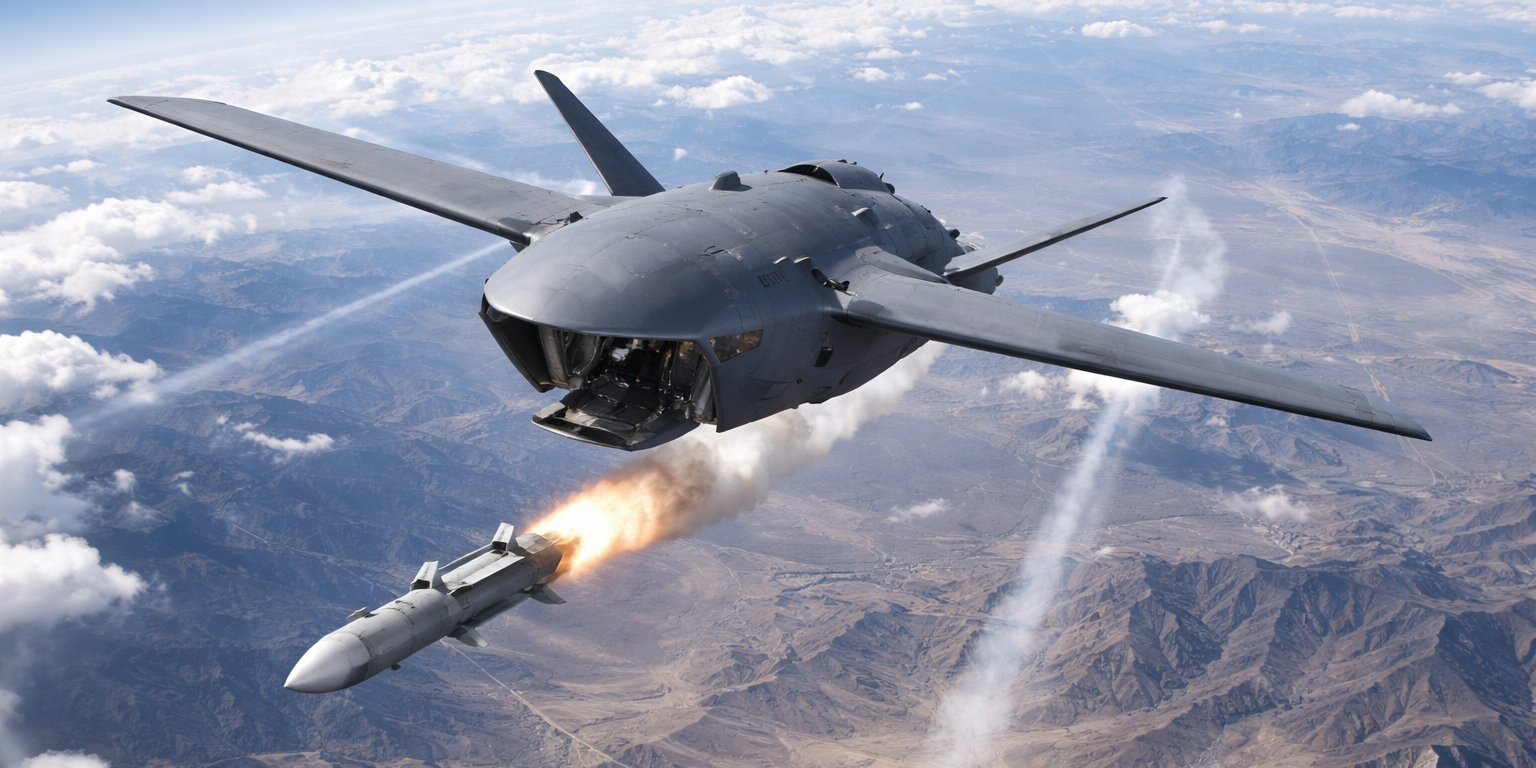
An XQ-58A Valkyrie drone released an AIM-120 Advanced Medium-Range Air-to-Air Missile during a test sortie at an undisclosed range, according to Air Force statements released last week. The aircraft identified a simulated aerial target, calculated firing parameters, and executed the launch autonomously while a human operator monitored from a ground control station without issuing direct commands. The missile successfully tracked and intercepted the target drone, completing what service officials described as the first live weapons employment by a fully autonomous unmanned combat air vehicle in American military operations.
Kratos Defense & Security Solutions built the Valkyrie under a contract worth approximately $40 million for initial development and flight testing. The aircraft, which costs roughly $3 million per unit compared to $80 million for an F-35, has logged more than 30 flights since 2019 as part of the Air Force Research Laboratory's Low Cost Attritable Aircraft Technology program. Tuesday's weapons test represents a technical milestone separate from prior demonstrations where human operators retained direct control over targeting decisions. The distinction matters because autonomous weapons release raises questions about compliance with existing rules of engagement and the Law of Armed Conflict, which requires human judgment in lethal force decisions. Air Force officials emphasized that operational doctrine will mandate human authorization before any autonomous platform engages targets, though the technical capability now exists for machines to complete the entire kill chain independently.
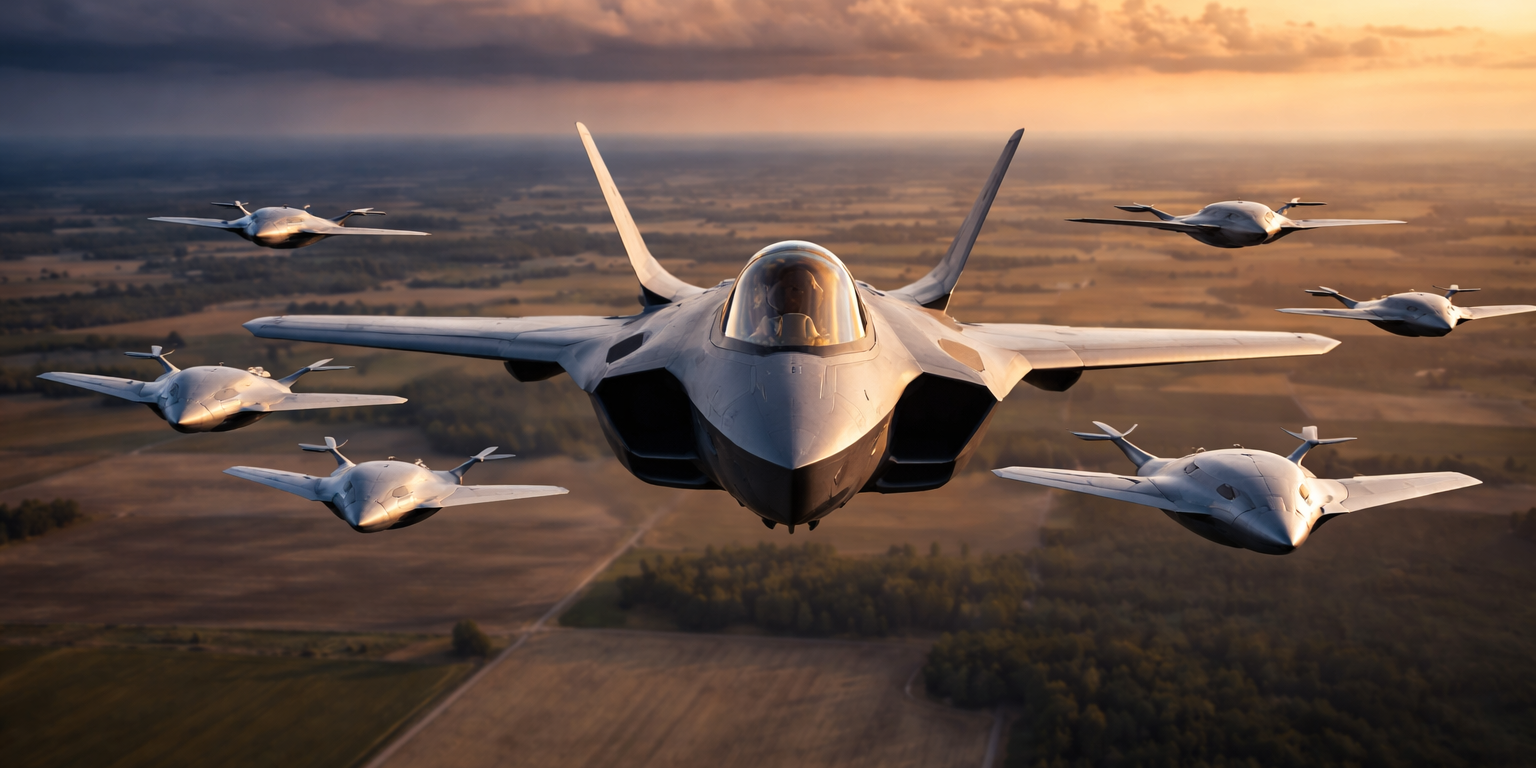
The test feeds directly into the Collaborative Combat Aircraft initiative, which plans to pair piloted fighters with autonomous drones capable of performing missions ranging from electronic warfare to air-to-air combat. General Atomics, Boeing, Lockheed Martin, Northrop Grumman, and Anduril Industries currently hold contracts under the CCA program, with the service planning to award production contracts in late 2027. Air Force Secretary Frank Kendall has stated the service intends to procure at least 1,000 CCA platforms over the next decade to augment a shrinking fleet of crewed fighters. Each autonomous wingman will need to demonstrate weapons employment capabilities similar to what the Valkyrie achieved last week before reaching operational status. The test validates core autonomy software developed by Shield AI, which has been integrating its Hivemind artificial intelligence system into multiple unmanned platforms across the Defense Department.
Beyond the immediate program implications, the successful autonomous weapons release alters cost calculations for air superiority. If drones costing one-twentieth the price of crewed fighters can prosecute aerial targets effectively, force structure planning changes dramatically. The Air Force currently operates roughly 1,800 crewed combat aircraft. Adding 1,000 autonomous platforms at $3 million each costs $3 billion in acquisition, versus $80 billion for an equivalent number of F-35s. Maintenance and pilot training costs disappear entirely. Several allied nations including Australia and Japan have expressed interest in acquiring similar systems, with potential export sales exceeding $10 billion over the next decade according to defense market analysts. The test also pressures competing nations to accelerate their own autonomous weapons programs. China has displayed multiple unmanned combat concepts including the GJ-11 stealth drone, though no public reporting indicates Beijing has conducted live weapons tests with fully autonomous platforms.
What to Watch: Shield AI's contract announcements over the next quarter will indicate whether the company becomes the standard autonomy provider for CCA platforms across multiple prime contractors. Air Force budget submissions in early 2027 should reveal production quantities and timelines for operational CCA deployment. Expect allied nations, particularly Australia under its Ghost Bat program with Boeing, to reference this test when justifying their own autonomous combat aircraft investments. Congressional hearings on autonomous weapons policy will likely intensify following this demonstration, with specific focus on rules of engagement and human oversight requirements.