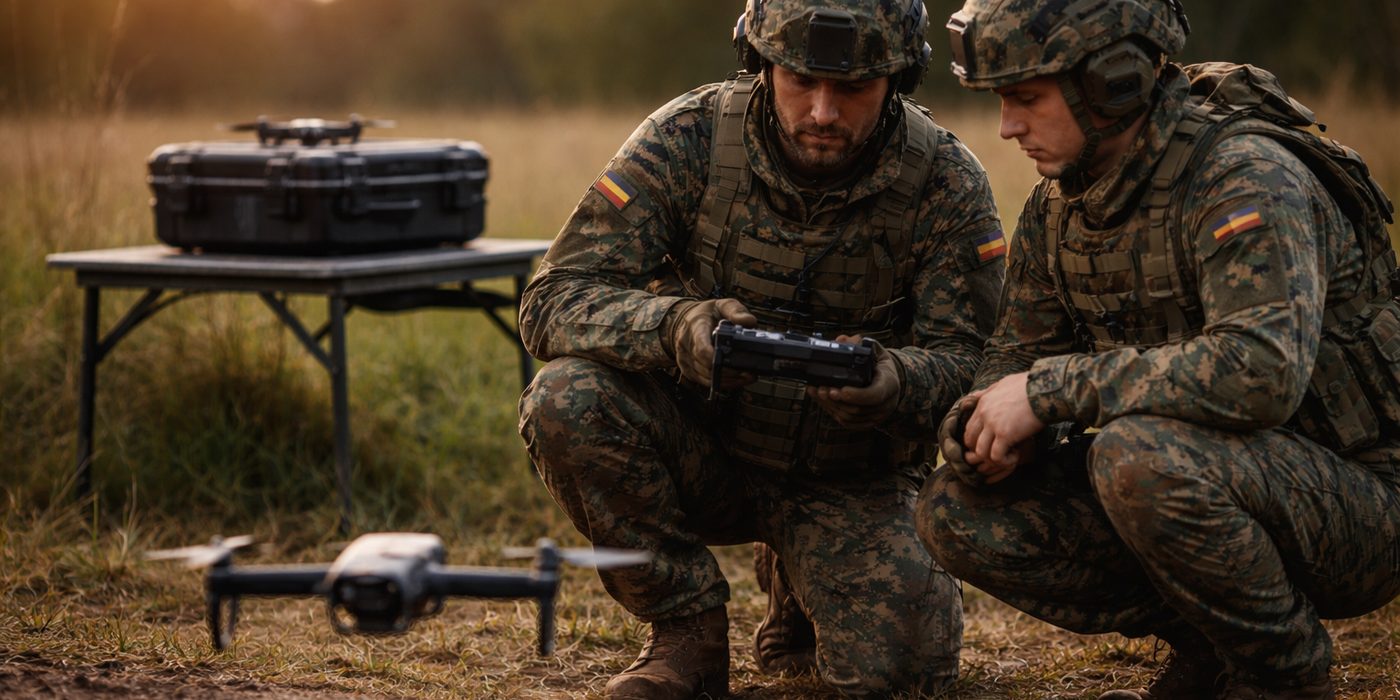
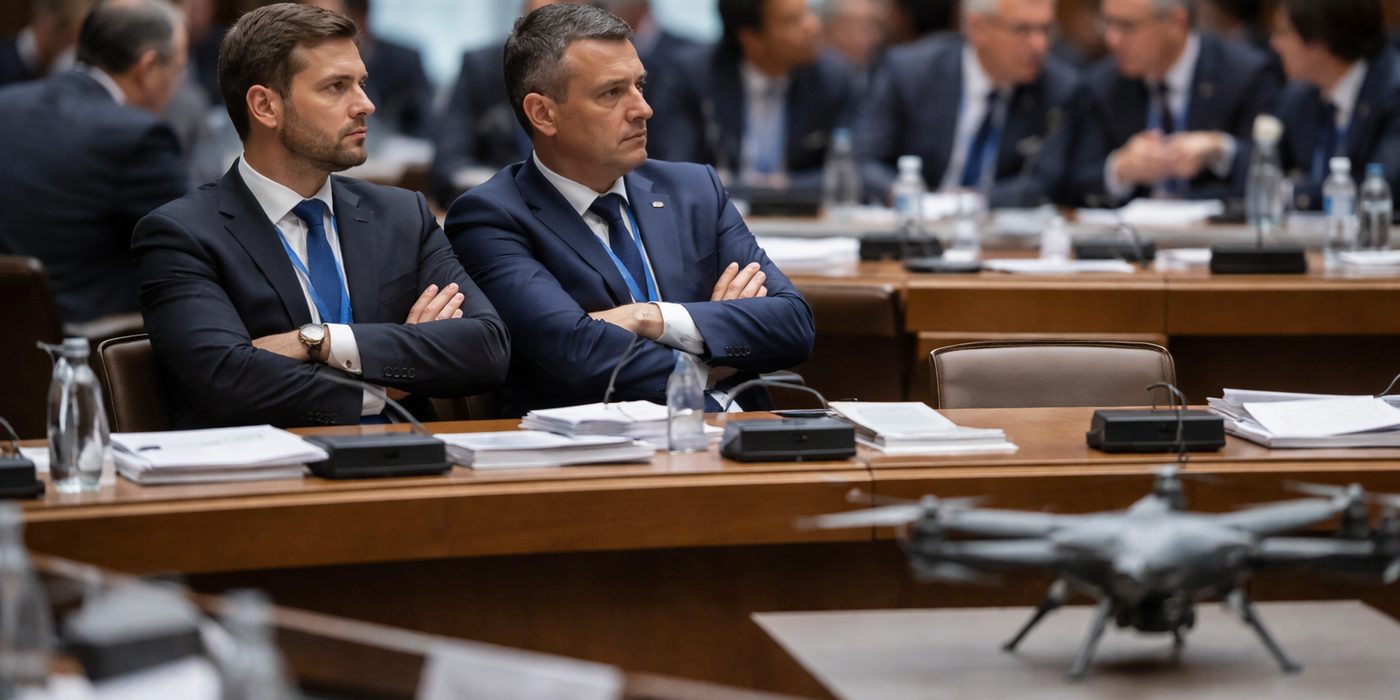
The two countries that spend the most on military autonomy are lining up on the same side of a diplomatic fight, and it is not the side that wants a treaty. According to Defense News, the United States and Russia look set to oppose a move at a global arms-control meeting to launch negotiations on legally binding rules for autonomous weapons. The pairing is unusual. Washington and Moscow agree on almost nothing in the current geopolitical climate, yet on this question their positions converge: they prefer guidelines, voluntary measures, and continued study over a negotiating mandate that could produce a treaty with enforcement teeth.
The argument has been running for more than a decade. Talks on lethal autonomous weapons systems have been housed in Geneva under the Convention on Certain Conventional Weapons, a forum that operates by consensus, which means any single determined state can stall progress. A group of governments, joined by the International Committee of the Red Cross and a coalition of advocacy organizations, has spent years arguing that consensus-based talks have produced discussion without direction. They want negotiations moved to a track where a treaty can actually be drafted, and they have pointed to the UN General Assembly, which has passed resolutions on the topic with large majorities, as a possible venue that does not hand any one country a veto.
The objections from the major producers follow familiar lines. Washington has favored a political declaration on responsible military use of AI and autonomy, a non-binding framework that its officials describe as flexible enough to keep pace with technology. It also points to Department of Defense Directive 3000.09, its own internal policy governing autonomous and semi-autonomous weapon systems, as evidence that existing law and policy already impose constraints. Moscow has argued that current international humanitarian law is sufficient and that a new instrument would be premature, since there is no agreed definition of what an autonomous weapon even is. That definitional gap is real, and it is where much of the practical fight lives. A loitering munition that selects targets within a pre-set box, a naval system that tracks and engages incoming missiles without a human in the loop, and a ground robot that navigates and fires on its own are very different machines, and a treaty drafted around one could miss or sweep in the others.
For robotics engineers and investors, the stakes are less about any single weapon than about the compliance environment that surrounds dual-use autonomy. The same perception stacks, sensor fusion pipelines, and onboard decision software that guide a warehouse robot or an agricultural platform can be adapted to defense work, and vice versa. A binding treaty would likely force firms to document human-control mechanisms, restrict certain target-selection functions, and accept inspection or reporting duties, all of which would reshape design requirements and export controls. Its absence leaves companies navigating a patchwork: national policies, procurement rules, and the export regimes of individual governments. That patchwork favors large primes with in-house legal teams over startups trying to sell autonomy components across borders. It also means defense customers keep funding autonomy programs without a settled legal ceiling, which supports demand for the underlying technology while leaving liability and accountability questions open.
The politics inside the room matter as much as the positions on paper. Many states, particularly in Latin America, Africa, and parts of Europe and Asia, have signaled support for a legally binding instrument, and the number of supporters has grown steadily. But the countries most able to build and field these systems are the ones least inclined to constrain them in advance, and a treaty without them risks being symbolic, much as the landmine and cluster-munition bans have been limited by the abstentions of major military powers. Supporters know this and are weighing whether a narrower agreement among willing states, one that sets norms even without the biggest producers, would still shape industry behavior through procurement standards, investor screening, and reputational pressure on companies that sell into the market.
What to Watch
Track the outcome of the consensus-based talks in Geneva, specifically whether the chair's report recommends a negotiating mandate or defers again to further study. Watch for any move by treaty supporters to shift the issue to the UN General Assembly, where a vote would sidestep the consensus rule and could arrive within the next several months. Monitor updates to U.S. Directive 3000.09 and any expansion of the U.S.-led political declaration, including new signatories, as an indicator of how far Washington will go with voluntary measures. Finally, watch for statements from major defense primes and autonomy startups on human-control commitments, which would show whether industry is preparing for binding rules or betting against them.