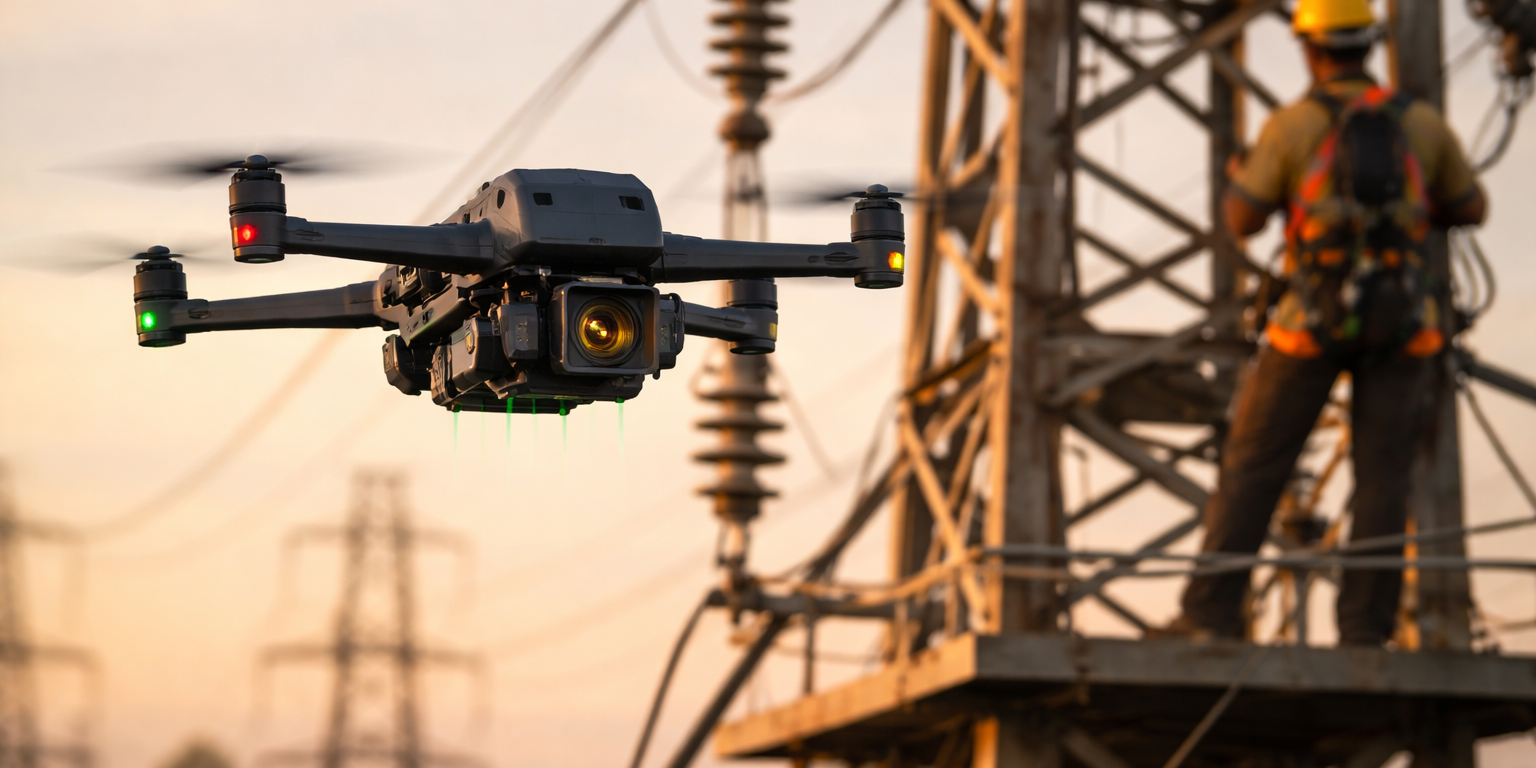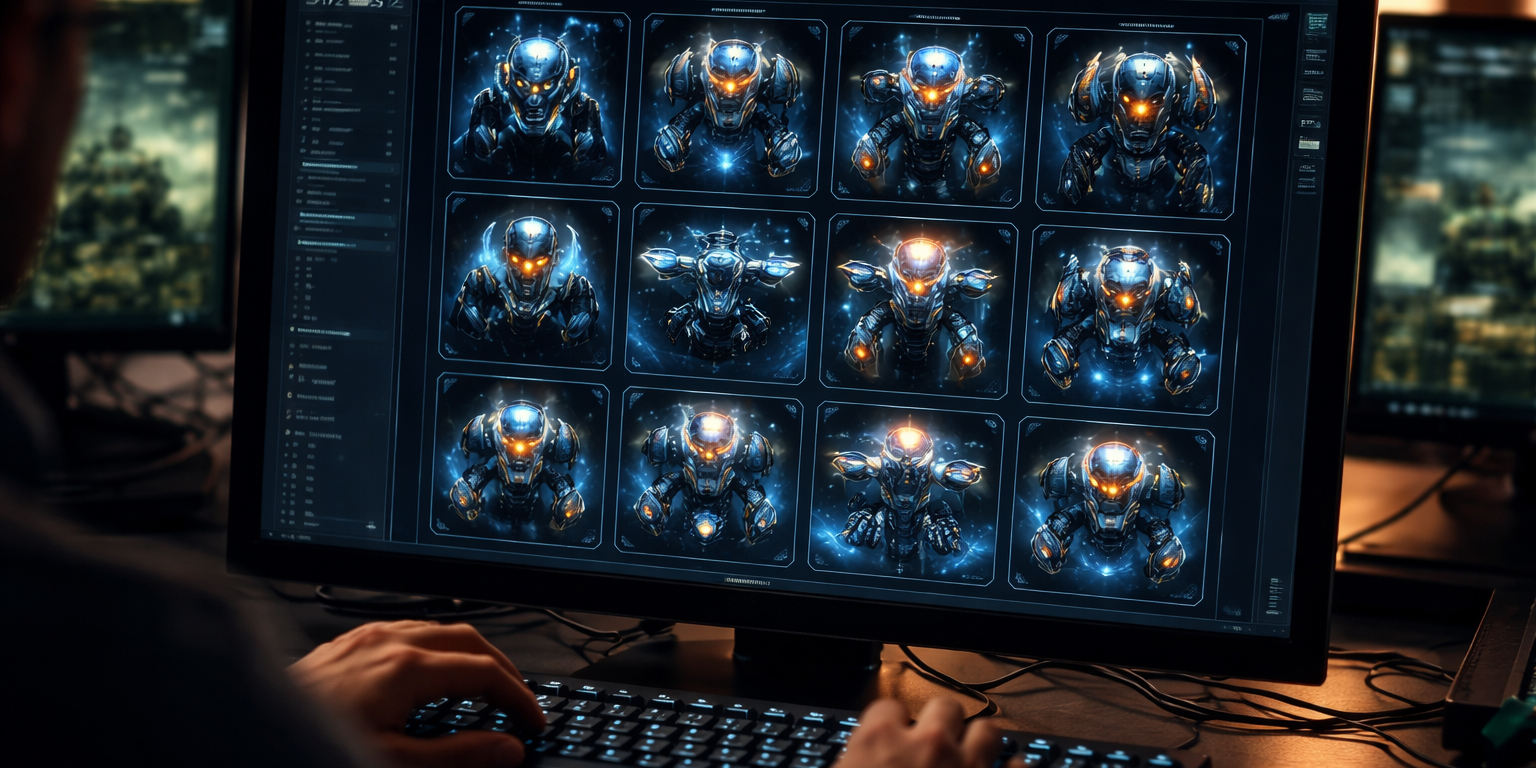
Neprosto Assets published a 95-icon package on the Unity Asset Store designed for developers building user interfaces in robotics simulations, games, and training environments. Each icon ships at 512x512 pixels in both prefab and PNG formats, covering categories including drones, mission equipment, energy modules, shields, and medical units. The collection targets Unity developers working on heads-up displays, control panels, and status screens where visual clarity at small sizes determines operator effectiveness. Interface design in simulation software has become a bottleneck as defense contractors and game studios alike push toward more granular control systems that mirror real-world robotics operations.
The asset pack enters a market where visual language standardization remains elusive. Training simulators used by military robotics operators often rely on custom iconography developed in-house, creating inconsistent user experiences across platforms. Commercial game engines like Unity have become de facto prototyping tools for defense applications, a shift accelerated during the 2023-2024 period when companies like Anduril and Shield AI began publicly discussing their use of commercial game technology for autonomous vehicle testing. Asset packs provide a middle path: off-the-shelf components that reduce development time without requiring expensive bespoke design work. Neprosto Assets, a third-party creator on the Unity marketplace, has no disclosed defense contracts, but the overlap between entertainment and military visualization pipelines means assets designed for sci-fi aesthetics often migrate into serious applications. The 512x512 resolution represents a pragmatic choice, large enough for high-DPI displays but small enough to avoid performance penalties when rendering dozens of status indicators simultaneously.
Unity Technologies has positioned its engine as infrastructure for simulation beyond gaming, particularly in robotics development where real-world testing costs remain prohibitive. The company reported in its Q2 2026 earnings that industrial and government customers now represent 18 percent of subscription revenue, up from 12 percent in 2024. That growth reflects broader adoption of game engines for digital twin development, where operators rehearse missions in virtual replicas of physical environments before deploying hardware. Icon sets like Neprosto's become building blocks for those interfaces. The package includes shields and energy modules, elements common in science fiction but also analogous to real-world concepts like jamming resistance indicators and battery management displays. Medical units in the icon set could translate to casualty evacuation status screens in military simulations or telemedicine robot interfaces in civilian applications. The visual metaphors matter less than the structural consistency: developers need recognizable symbols that communicate system state at a glance, whether the underlying hardware is a fictional mech or a terrestrial UGV.
Defense contractors have increasingly turned to commercial asset libraries to accelerate interface prototyping, a trend driven by tighter budgets and compressed timelines. Lockheed Martin's Sikorsky division disclosed in a 2025 contract filing that it used Unity for pilot training modules supporting the RAIDER X program, though the company did not specify whether third-party assets were involved. The broader pattern is clear: what once required dedicated UI/UX teams and months of iteration can now be assembled in days using modular components. That efficiency comes with trade-offs. Standardized icon sets lack the domain-specific nuance of custom design, and assets built for entertainment prioritize aesthetic appeal over information density. A drone icon that looks striking in a game menu may fail to convey critical flight status information in an operator control unit. The Neprosto pack does not address those specialized needs, but it provides a starting point that developers can modify. The inclusion of prefab files alongside PNG exports suggests the creator anticipated that end users would iterate on the base designs rather than deploy them unchanged.
The release also highlights a tension in the Unity ecosystem between asset creators and platform economics. Unity's controversial runtime fee structure, introduced in late 2023 and partially walked back in 2024, strained relationships with independent developers and asset publishers. Neprosto Assets, like many marketplace participants, must balance the reach Unity provides against the platform's pricing unpredictability. For buyers, the calculation is simpler: a one-time asset purchase remains cheaper than hiring a designer, even as Unity's per-install fees add long-term costs to finished products. The sci-fi theming positions the pack for entertainment projects, but the underlying utility extends wherever robotics interfaces require visual communication. Medical robots, warehouse automation control stations, and telepresence systems all need iconography that operators can parse quickly under cognitive load. Whether those operators are gamers, soldiers, or factory supervisors, the fundamental design challenge stays the same: convey complex system states through simple, recognizable symbols.
What to Watch: Monitor Unity's Q3 2026 earnings call in October for updated figures on industrial and government revenue growth, which will indicate whether defense adoption of commercial game engines continues accelerating. Track asset marketplace trends for increased specialization—if more creators publish robotics-specific UI kits with mil-spec color schemes or NATO symbology, it signals deeper integration between entertainment tools and defense workflows. Watch for announcements from major defense primes about digital twin platforms, particularly any that credit Unity or Unreal Engine, as those disclosures reveal how far commercial technology has penetrated mission-critical applications.