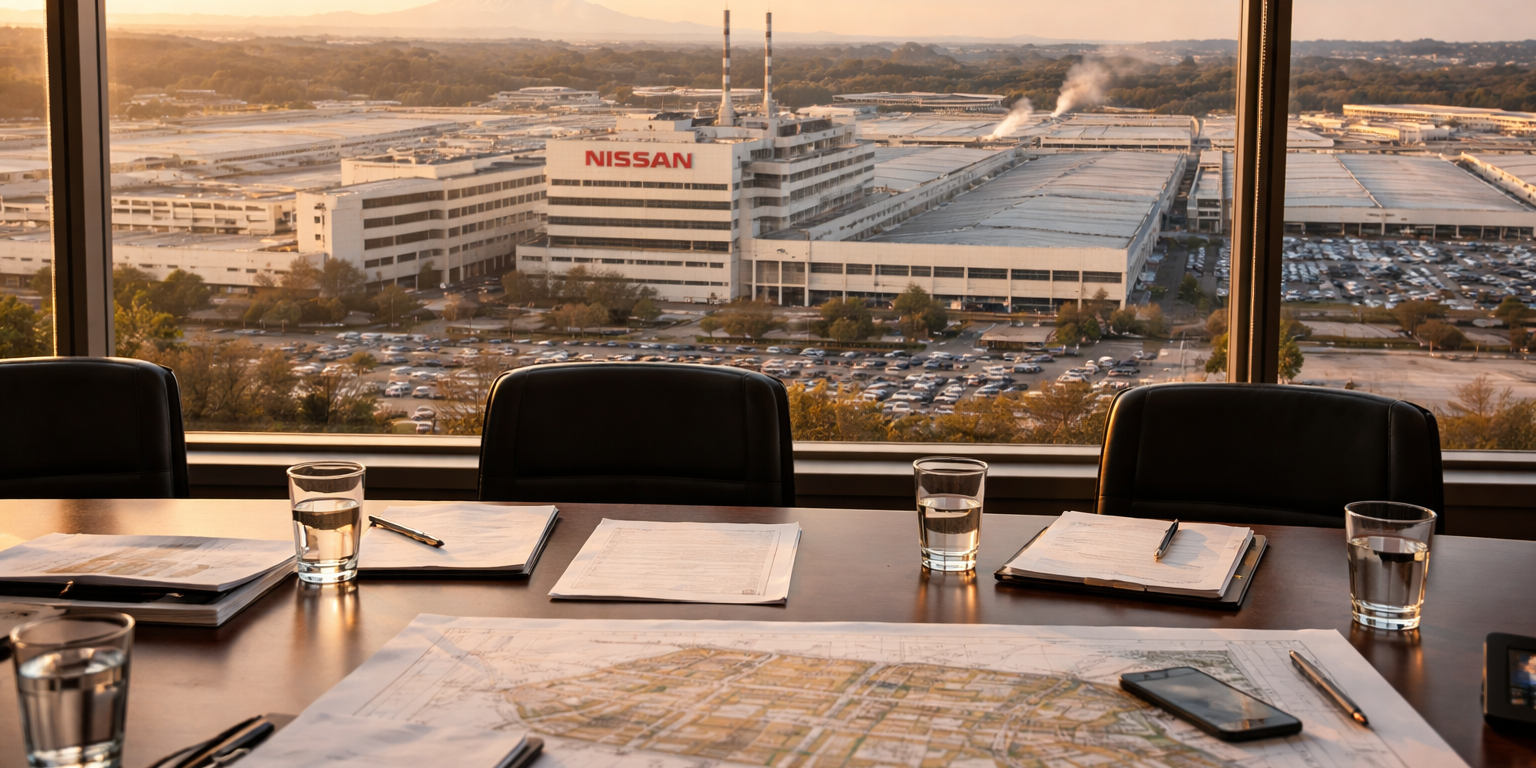
Anduril Industries is negotiating to acquire Nissan Motor's Oppama assembly plant in Kanagawa Prefecture, according to three sources familiar with the discussions. The California-based defense technology firm plans to convert the automotive facility into a production line for military drones, establishing its first manufacturing footprint in Japan. Nissan has operated the Oppama plant since 1961, where it currently assembles multiple passenger vehicle models. The facility spans approximately 1.6 million square meters and employs several thousand workers, though production volumes have declined as Nissan consolidates operations. For Anduril, acquiring an established industrial site with existing infrastructure accelerates entry into the Japanese market compared to greenfield construction. The company has not disclosed production targets or which drone models would be manufactured at the site.
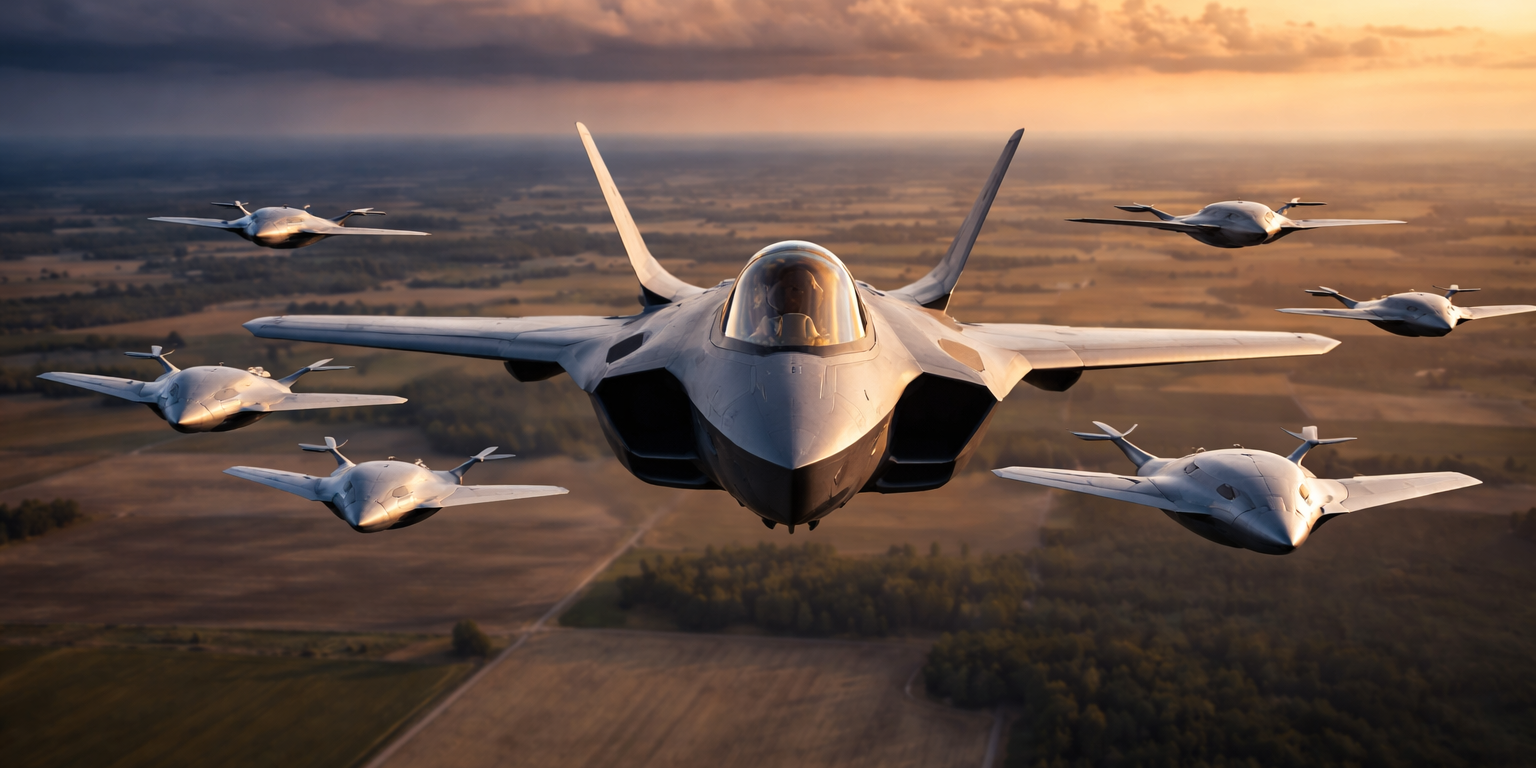
Japan represents a strategic expansion point for defense contractors as the government overhauls procurement policies in response to regional security pressures. Prime Minister Fumio Kishida's administration has committed to doubling defense spending to 2% of GDP by fiscal 2027, with a significant portion allocated to unmanned systems and autonomous platforms. The Ministry of Defense has signaled openness to procuring equipment from foreign manufacturers with domestic production capabilities, creating an opening for companies like Anduril. Traditional Japanese defense contractors including Mitsubishi Heavy Industries and Kawasaki Heavy Industries have maintained a near-monopoly on domestic military production for decades, but capacity constraints and technological gaps in autonomous systems have prompted officials to consider alternatives. Anduril's portfolio includes the Lattice command-and-control software, Ghost sentry towers, and the Altius family of tube-launched drones capable of intelligence, surveillance, and strike missions. The company raised $1.5 billion in Series F funding in 2024 at an $14 billion valuation, backed by investors including Andreessen Horowitz and Founders Fund.
Nissan's willingness to divest the Oppama plant reflects the automaker's deteriorating financial position. The company reported a 90% drop in operating profit for the fiscal year ending March 2026 and has announced plans to cut 9,000 jobs globally while reducing production capacity by 20%. Chief Executive Makoto Uchida faces pressure from shareholders to stabilize operations after strategic missteps in electric vehicle development and continued fallout from the Carlos Ghosn scandal. Selling manufacturing assets generates immediate capital while reducing fixed costs associated with maintaining underutilized facilities. Nissan has not publicly confirmed discussions with Anduril, and any transaction would require approval from Japan's Foreign Exchange and Foreign Trade Act review process for deals involving defense-related technology. The Ministry of Economy, Trade and Industry typically conducts security screenings for foreign investment in sensitive sectors, though U.S. companies generally face fewer obstacles than Chinese entities. Legal experts note that Anduril's corporate structure as a U.S.-based firm simplifies regulatory approval compared to scenarios involving offshore holding companies or complex ownership arrangements.
The automotive-to-aerospace conversion carries technical precedent but presents challenges specific to drone production. General Motors repurposed facilities for military production during World War II, and more recently, electric vehicle startups have acquired shuttered automotive plants for battery and vehicle assembly. Drone manufacturing requires different tooling than automotive assembly lines, particularly for composite airframe fabrication, avionics integration, and weapons integration for strike-capable variants. Anduril would need to install specialized equipment and potentially reconfigure facility layouts to accommodate clean rooms for electronics assembly and secure areas for classified systems integration. The Oppama plant's proximity to Yokosuka Naval Base, approximately 10 kilometers away, offers logistical advantages for working with Japan Self-Defense Forces customers and conducting test flights over nearby restricted airspace. Labor considerations remain uncertain, as automotive assembly workers would require retraining for aerospace manufacturing processes, and Nissan has not disclosed whether workforce retention is part of the proposed transaction. Anduril currently operates manufacturing facilities in California and Ohio, employing approximately 2,000 people companywide as of early 2026.
What to Watch: Monitor whether Japan's Ministry of Defense issues formal requests for proposals for domestically-produced tactical drones in the third or fourth quarter of 2026, which would clarify procurement timelines. Track Nissan's financial disclosures in upcoming quarterly reports for references to asset sales or restructuring activities involving the Oppama facility. Watch for Anduril announcements regarding international manufacturing expansion or partnerships with Japanese defense contractors such as Mitsubishi Heavy Industries, which could indicate progress toward securing regulatory approvals and establishing supply chain relationships.