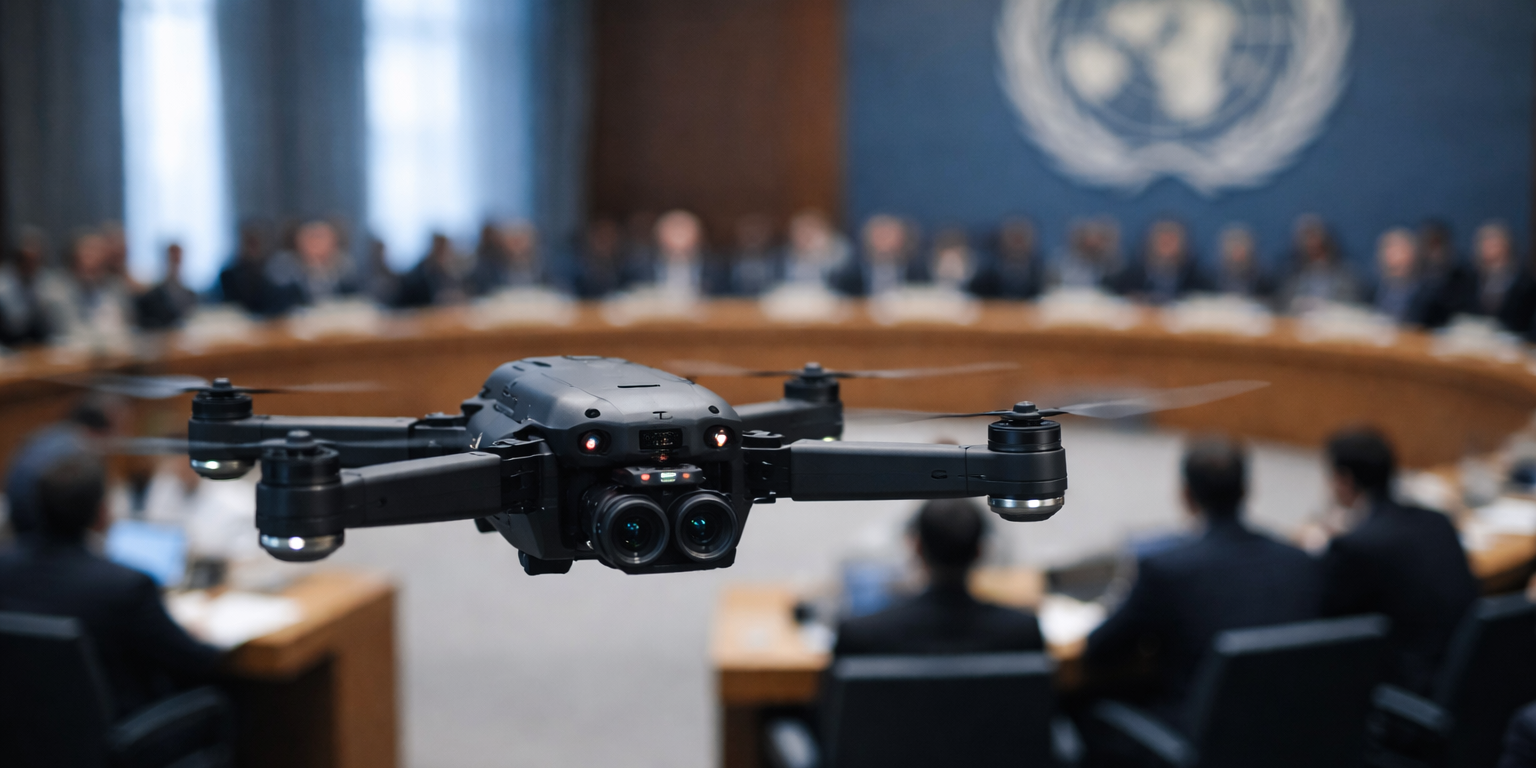
The United Nations and International Committee of the Red Cross released coordinated statements this month urging member states to establish binding legal frameworks governing autonomous weapons systems before deployment outpaces regulation. The calls follow documented cases of AI-enabled combat drones operating in Ukraine, Gaza, and the South China Sea with varying degrees of human supervision over targeting decisions. Unlike previous advisory statements on lethal autonomous weapons, the current UN position explicitly addresses how civilian-generated data from smartphones, social media, and internet-connected devices can feed targeting algorithms, potentially putting non-combatants at heightened risk even when they are not near active conflict zones.
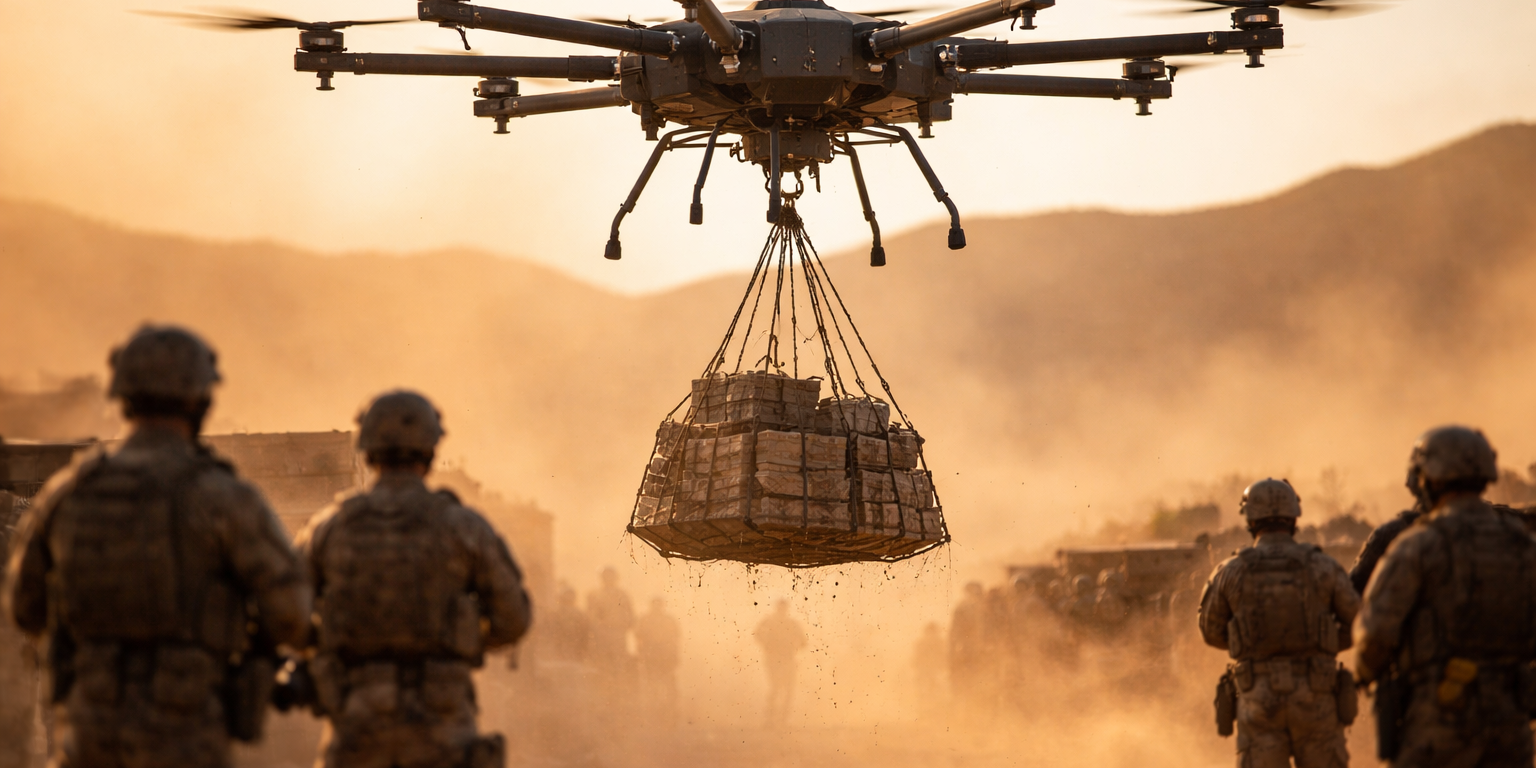
The timing reflects mounting evidence that autonomous weapons have moved from laboratory prototypes to operational systems faster than international law has adapted. Turkey's Kargu-2 quadcopter reportedly engaged targets in Libya in 2020 without requiring operator approval, according to a UN Security Council report. Israel has acknowledged using AI systems to generate targeting recommendations in Gaza operations, though officials maintain human operators approve all strikes. Russia and Ukraine both field loitering munitions that can complete engagement sequences autonomously if communications are jammed. The technology's proliferation has outpaced the 2016 Convention on Certain Conventional Weapons meetings where delegations first began formal discussions on lethal autonomous weapons systems. Those talks produced no binding agreements, only voluntary guidelines that fewer than half of participating nations have publicly committed to follow.
Lucy Law, a US military veteran who served two combat deployments and now advocates for digital privacy protections, has emerged as a prominent voice warning about the data dimension of autonomous weapons. Law argues that metadata from civilian devices creates what she calls "pattern-of-life signatures" that machine learning systems can exploit to predict behavior and location even without direct surveillance. Cell tower pings, social media check-ins, fitness tracker routes, and connected car telemetry all generate exploitable data streams. "When an autonomous system is trained to recognize combatant behavior patterns, and your daily routine happens to match that pattern, you become a potential target even if you've never held a weapon," Law said in testimony to a Congressional subcommittee last month. Her concern centers on the lack of transparency in how militaries acquire commercial datasets and the absence of safeguards preventing dual-use application of consumer technology. Several defense contractors have established data procurement divisions specifically to feed AI training pipelines, though the sourcing and vetting of this data remains largely opaque.
The robotics industry faces a calculation about how deeply to engage with autonomous weapons development as the technology matures. Anduril Industries has built its business model around AI-enabled defense systems, raising $3.8 billion across multiple funding rounds to develop autonomous platforms including the Fury cruise missile and Ghost surveillance drones. Shield AI secured a $2.3 billion valuation in 2025 developing AI pilots for fighter aircraft and quadcopters that operate without GPS or communications in contested environments. Both companies have argued their systems enhance precision and reduce civilian casualties compared to conventional weapons. Meanwhile, organizations including the Campaign to Stop Killer Robots, which counts 250 member groups, maintain that no machine should make life-or-death decisions without meaningful human control. The debate has split the engineering community, with some researchers refusing defense contracts while others argue engagement allows them to build in safeguards. What remains undisputed is the technical trajectory: computer vision, edge computing, and small form-factor processors have advanced to where fully autonomous targeting is achievable in production systems, not just research labs. The question is not whether the technology works but whether its use can be constrained through international agreement or market pressure before widespread deployment makes regulation impractical.
What to Watch: Monitor the December 2026 UN Convention on Certain Conventional Weapons meeting in Geneva, where delegations are expected to vote on a proposed Protocol VI establishing legal definitions for autonomous weapons and human control requirements. Track whether major defense AI companies including Anduril, Shield AI, and Palantir adopt voluntary data sourcing standards or face pressure from institutional investors to implement transparency measures. Watch for potential restrictions on export of AI accelerator chips to military end-users, similar to existing controls on advanced semiconductors, as legislators look for technical chokepoints to enforce compliance.