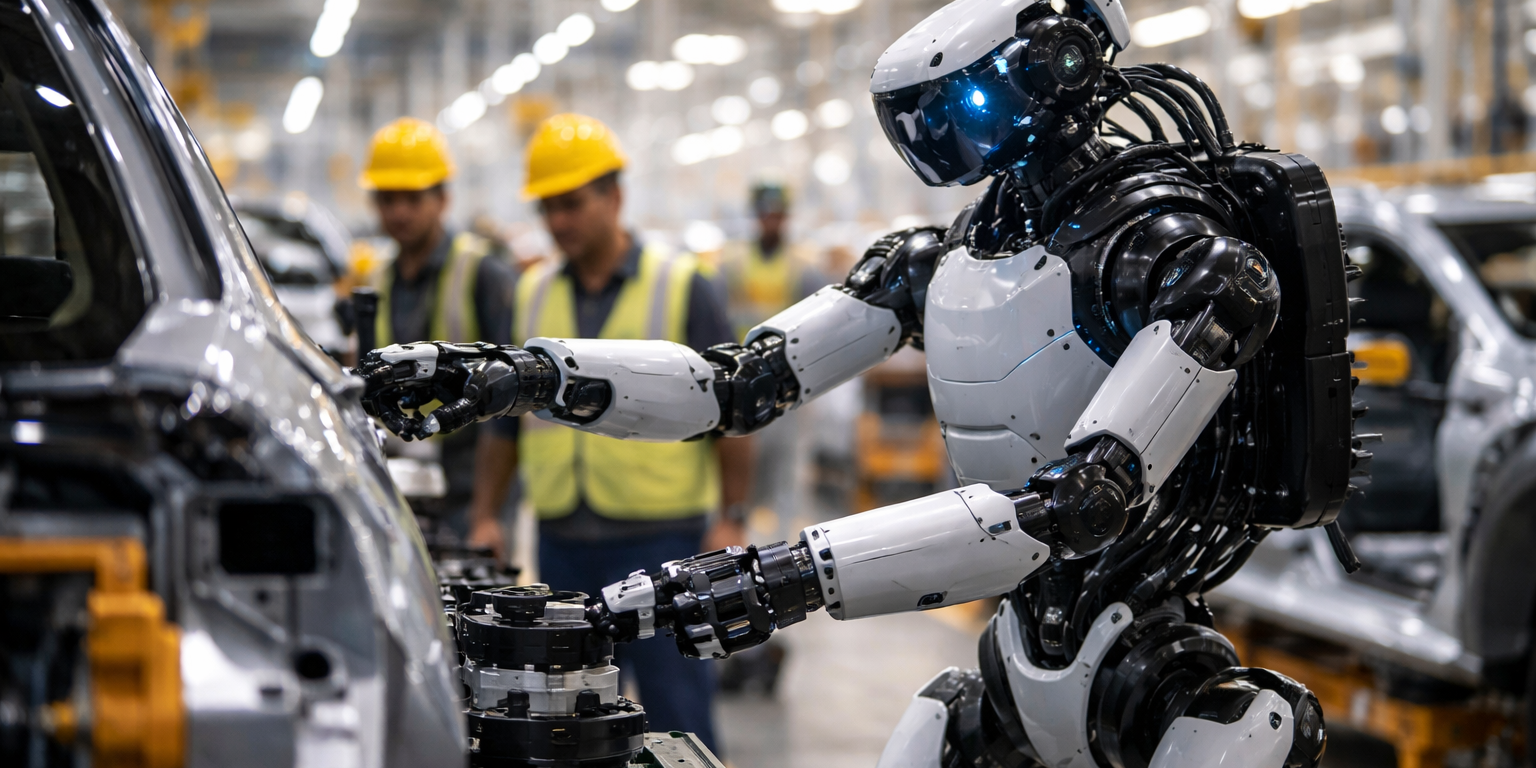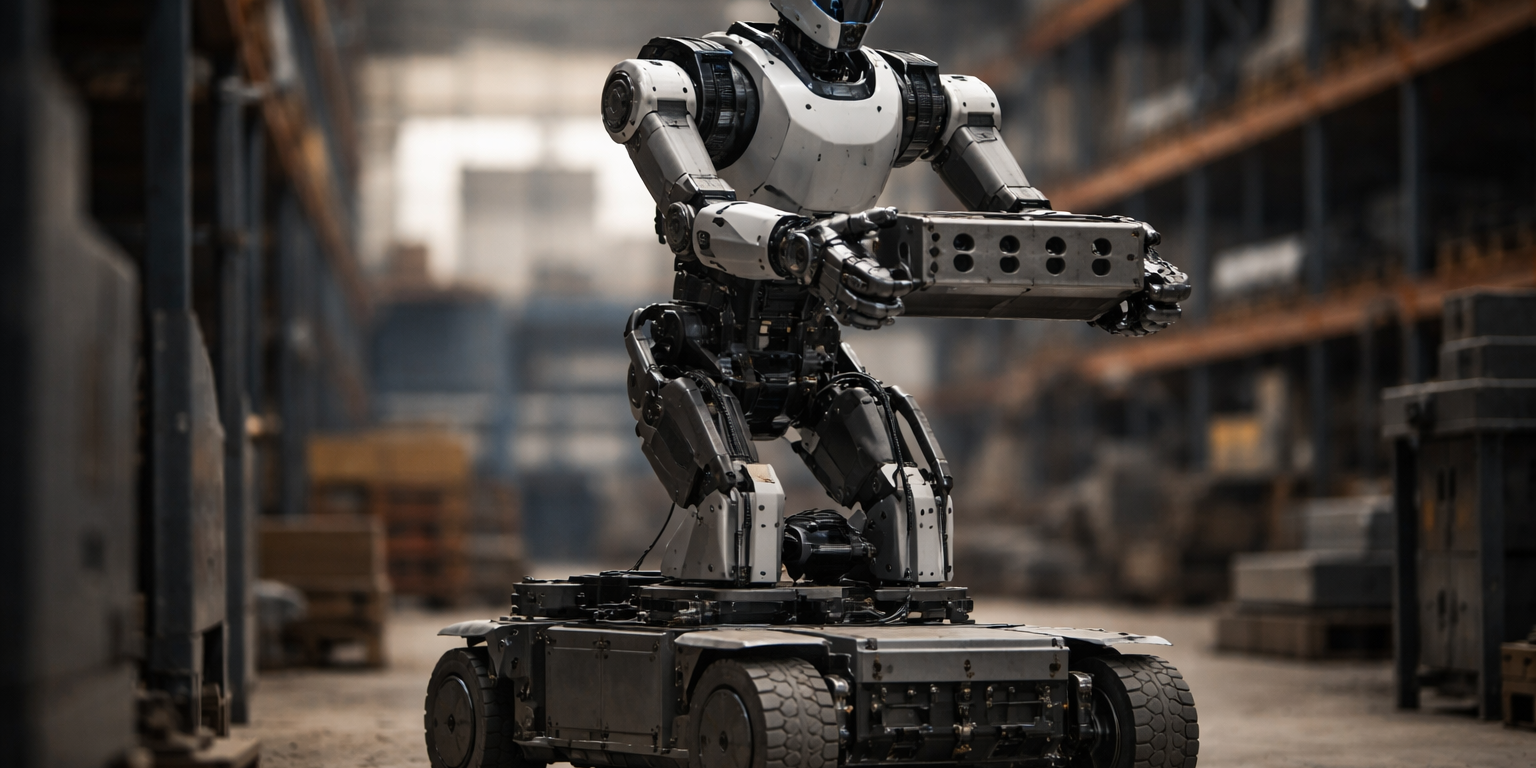
Mirsee Robotics Inc. has moved into development of a third-generation humanoid robot platform, abandoning legs in favor of a wheeled base that the Cambridge, Ontario startup argues delivers superior stability for tasks involving heavy lifting and repetitive motion in unstructured industrial environments. The company positions its machines as direct replacements for human workers in roles where ergonomic injury and exposure to hazardous conditions drive high turnover and workers' compensation costs. While competitors from Boston Dynamics to Figure AI pursue bipedal designs that mimic human gait, Mirsee's engineering team maintains that wheels offer faster deployment timelines and more predictable behavior in facilities not purpose-built for robots.
The third-generation platform represents an iterative refinement rather than a clean-sheet redesign, according to details available about the company's development trajectory. Previous generations focused on upper-body manipulation and sensor integration, with the wheeled base serving as a mature component carried forward through each iteration. This approach mirrors strategies employed by other industrial robotics firms that prioritize incremental improvements in reliability and cost reduction over dramatic capability expansions. Mirsee has not disclosed technical specifications for payload capacity, reach envelope, or battery endurance, nor has the company named pilot customers or commercial deployment timelines. The startup operates in a regional ecosystem that includes several other Ontario-based robotics ventures, benefiting from proximity to engineering talent from the University of Waterloo and access to provincial innovation funding programs that have supported advanced manufacturing technology development.
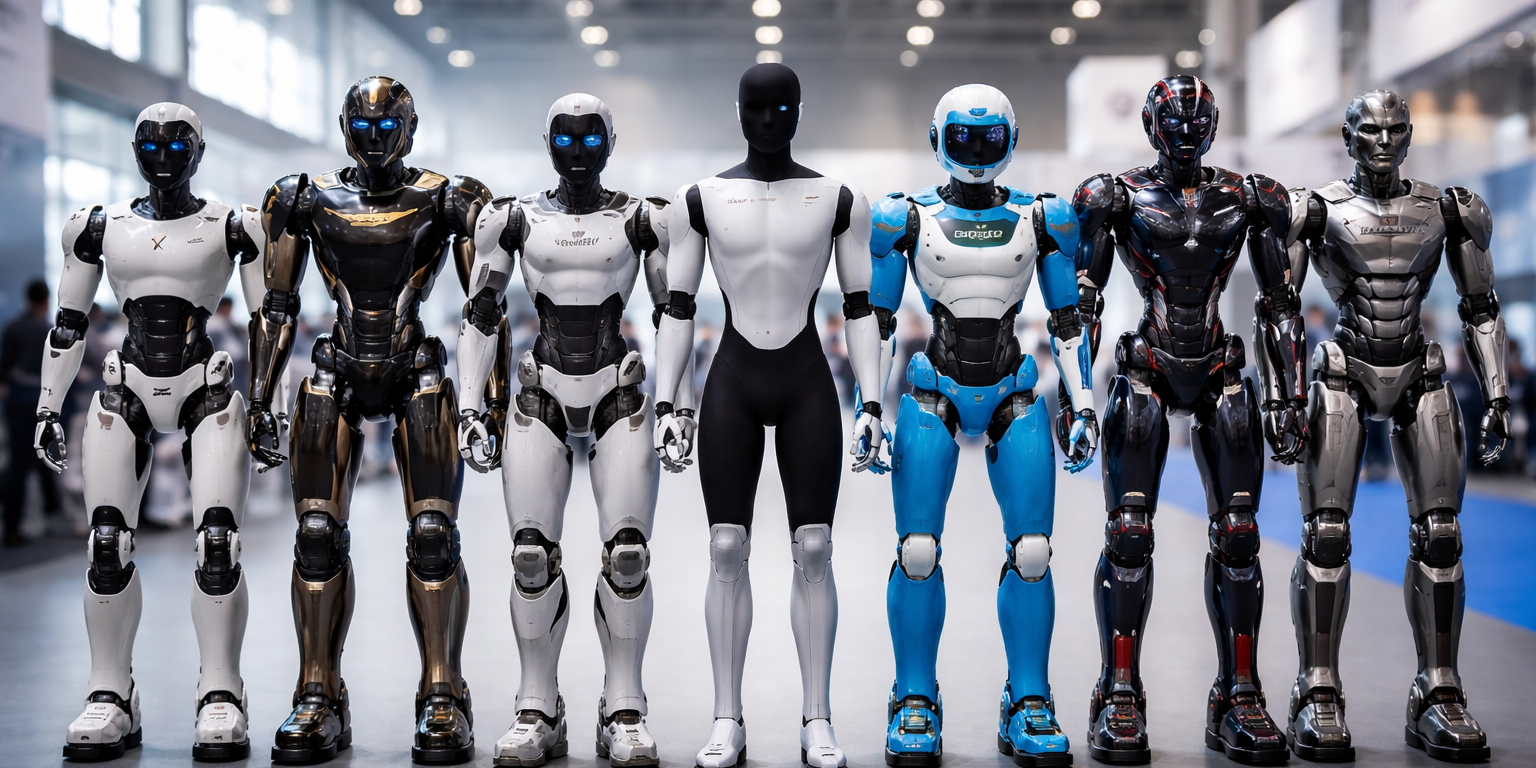
The wheeled humanoid category occupies an unusual position in robotics taxonomy. Purists argue that sacrificing bipedal locomotion eliminates the fundamental advantage of the humanoid form factor, which is the ability to navigate environments designed exclusively for two-legged humans with specific stair dimensions, door widths, and floor transitions. Pragmatists counter that most industrial facilities feature flat floors, freight elevators, and ramps that accommodate forklifts and pallet jacks, making wheels a rational choice that reduces mechanical complexity and power consumption. Mirsee appears to bet on the pragmatist view, targeting applications in warehouses, manufacturing floors, and logistics facilities where the environment already accommodates wheeled vehicles. This narrows the addressable market compared to bipedal platforms but potentially accelerates the path to reliable commercial deployment by sidestepping the formidable control challenges inherent in dynamic balancing during manipulation tasks.
Competition in humanoid robotics intensified substantially through 2025 and into 2026, with established players like Tesla, Figure, and Apptronik shipping pilot units to automotive and logistics customers, while well-funded newcomers including Sanctuary AI and 1X Technologies pursue contracts in sectors ranging from retail to construction. Most of these ventures raised significant venture capital on the thesis that general-purpose humanoid platforms will ultimately prove more economically viable than task-specific automated systems, despite higher upfront costs per unit. Mirsee has not announced financing rounds or disclosed its capital structure, leaving open questions about the company's ability to scale manufacturing and support operations at the pace required to compete against rivals with hundred-million-dollar war chests. The Canadian robotics sector historically has produced strong engineering talent and innovative prototypes but has struggled to build the type of high-volume manufacturing infrastructure and go-to-market machinery that American and Asian competitors deploy. Whether Mirsee can bridge that gap with a wheeled humanoid design optimized for a subset of industrial applications remains an open question that will be answered through commercial traction over the next twelve to eighteen months.
What to Watch: Monitor whether Mirsee announces pilot deployments with named industrial customers before the end of third quarter 2026, which would signal progress from development to commercialization. Track technical specification disclosures, particularly payload capacity and operating endurance, to assess competitive positioning against wheeled alternatives from Mobile Industrial Robots and autonomous mobile robot platforms from vendors like Locus Robotics. Watch for any venture funding announcements, as capital availability will directly determine Mirsee's ability to scale production beyond prototype volumes.