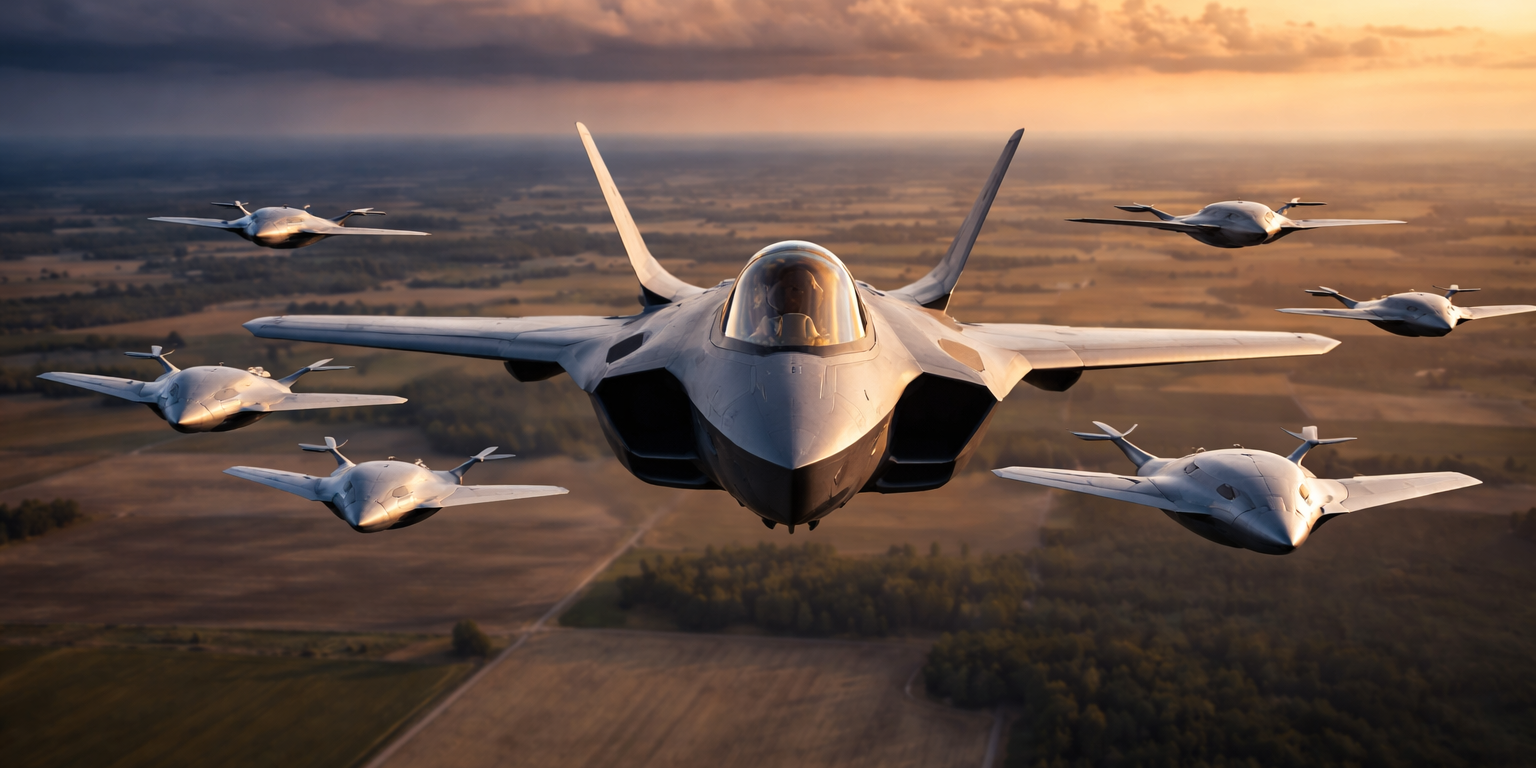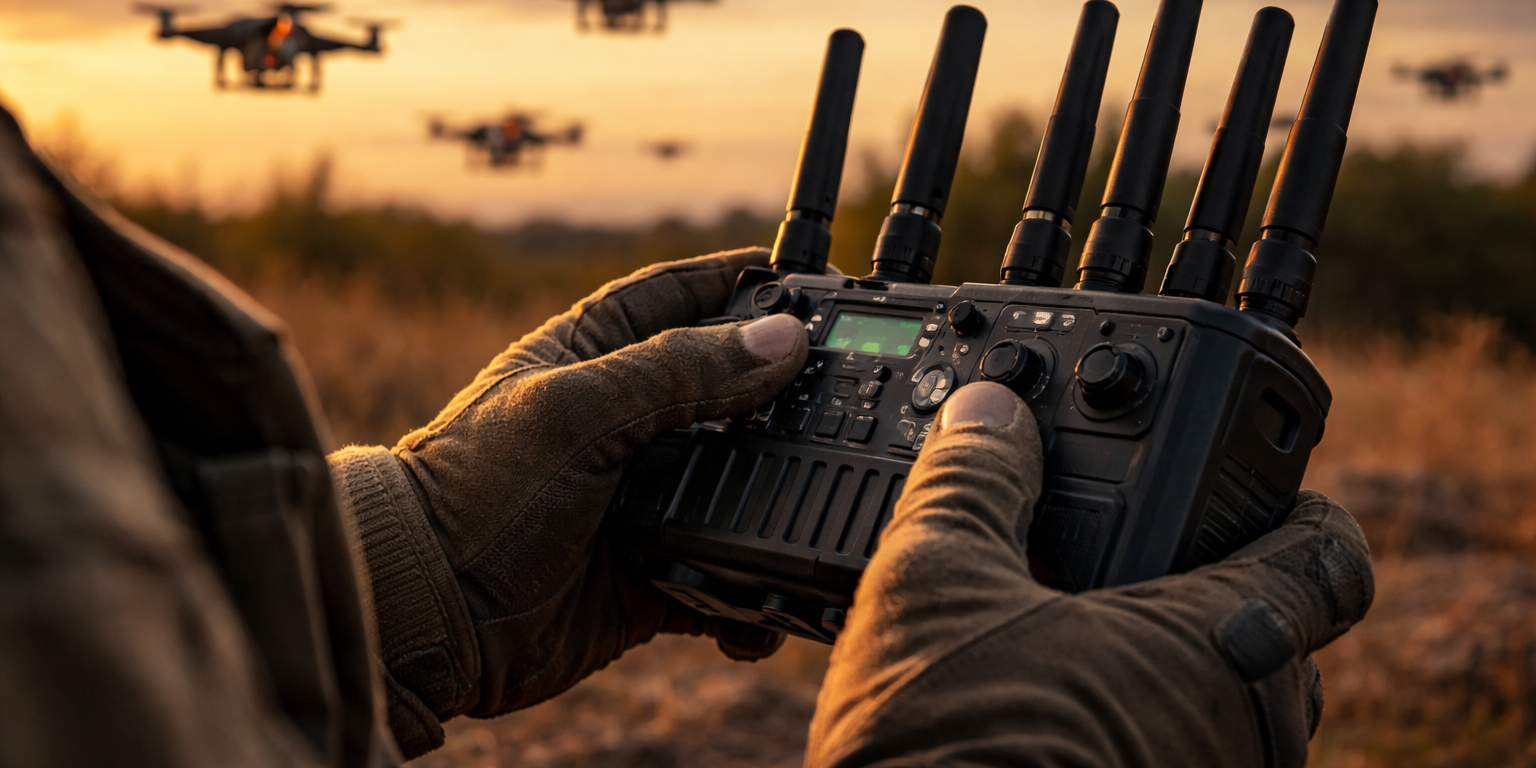
The market for systems designed to jam or disable unmanned aerial vehicles will more than triple over the next five years, reaching $5.90 billion by 2031 from $1.77 billion in 2026, according to market research published this week. The 27.2 percent compound annual growth rate reflects a fundamental shift in how defense contractors, border security agencies, and critical infrastructure operators are prioritizing counter-drone capabilities as small UAVs become cheaper, more capable, and increasingly weaponized. The forecast arrives as FPV drone attacks in Ukraine and the Middle East have forced military planners to rethink assumptions about air defense, pushing detection and jamming technologies from niche applications into core operational requirements. Portable jamming systems, once relegated to specialized bomb disposal units, now appear on procurement lists alongside rifles and radios.
Three technologies are driving the bulk of investment. Multi-band jamming systems, capable of disrupting GPS, RF control links, and video transmission simultaneously, represent the fastest-growing segment as operators face drones that hop frequencies or use redundant control channels. Anti-FPV jamming, a category that barely existed three years ago, has become critical as first-person-view racing drones adapted for military use now deliver explosive payloads with precision that traditional air defense struggles to counter. AI-enabled drone identification sits at the intersection of software and electronic warfare, using machine learning models to distinguish between commercial quadcopters, fixed-wing reconnaissance platforms, and kamikaze drones based on their RF signatures, then automatically selecting jamming parameters. These capabilities matter because modern battlefields and security perimeters now contend with dozens of simultaneous drone contacts, far exceeding the capacity of human operators to assess and respond manually.
Deployment patterns reveal how the threat landscape has evolved. Fixed installations still dominate at military bases, prisons, and power plants, but portable and vehicle-mounted systems now account for a significant portion of new contracts. Special operations forces, convoy protection units, and rapid reaction teams require jamming capability that moves with them, leading to systems weighing under 20 pounds with battery life measured in hours rather than minutes. Range specifications have bifurcated: short-range systems under 500 meters for personal protection and perimeter defense, and long-range platforms exceeding two kilometers for air base and naval vessel applications. Jamming bands have expanded beyond traditional 2.4 GHz and 5.8 GHz frequencies to include GNSS denial across L1, L2, and L5 bands as manufacturers recognize that simply breaking the control link often fails when drones execute pre-programmed waypoint missions. The technology split between noise jamming and protocol-aware jamming reflects a deeper divide, with sophisticated systems now exploiting vulnerabilities in specific drone communication protocols rather than broadcasting across entire frequency ranges.
End users span military, law enforcement, and commercial sectors, but defense spending remains the dominant force. Border security agencies in North America and Europe have accelerated procurement following documented cases of drug trafficking drones and surveillance platforms operated by criminal organizations. Critical infrastructure operators, particularly in the energy sector, view jamming systems as insurance against reconnaissance that precedes physical attacks or sabotage. The regulatory environment remains fragmented, with deployment rules varying dramatically across jurisdictions and creating compliance headaches for manufacturers selling into multiple markets. Export controls on advanced jamming technology have tightened as governments recognize these systems can be repurposed for communications denial against civilian targets. Technical performance claims from vendors often outpace real-world results, with effectiveness heavily dependent on operator training, environmental factors, and the specific drone models encountered. The market includes established defense electronics firms, specialized counter-drone startups, and general electronic warfare contractors pivoting into the space, creating a competitive landscape where technical credibility matters more than brand recognition.
What to Watch: Procurement announcements from NATO members will indicate whether the Ukraine experience translates into sustained budget allocation beyond immediate supplemental funding. Integration of counter-drone systems with existing air defense networks represents a technical challenge that will separate capable vendors from vaporware, particularly as militaries demand interoperability with command and control infrastructure. Regulatory developments in the European Union and United States regarding civilian use of jamming technology near airports and public events could either expand the addressable market or create significant compliance barriers. Track whether manufacturers can deliver AI identification systems that work reliably in high-clutter RF environments without generating false positives that waste defensive resources.