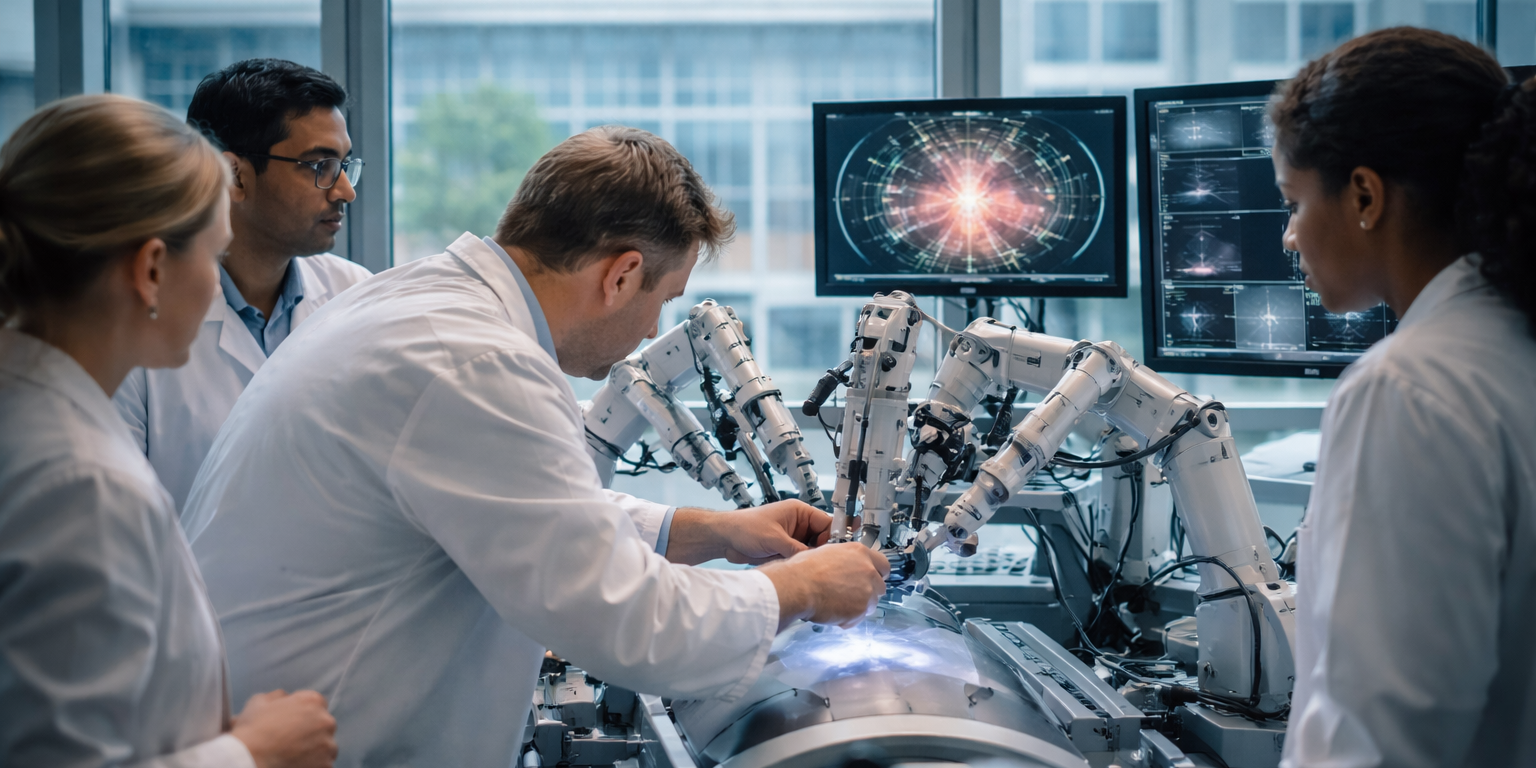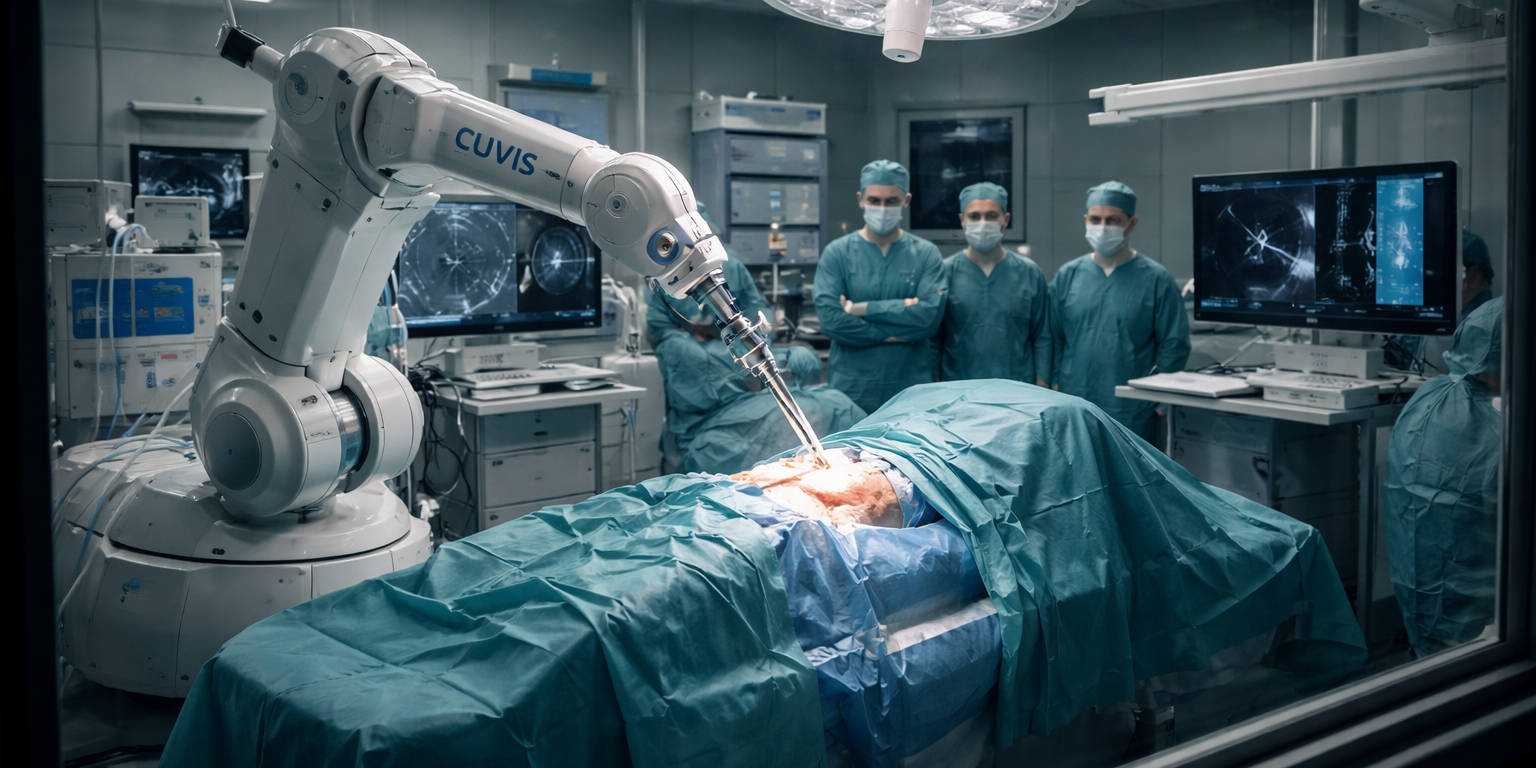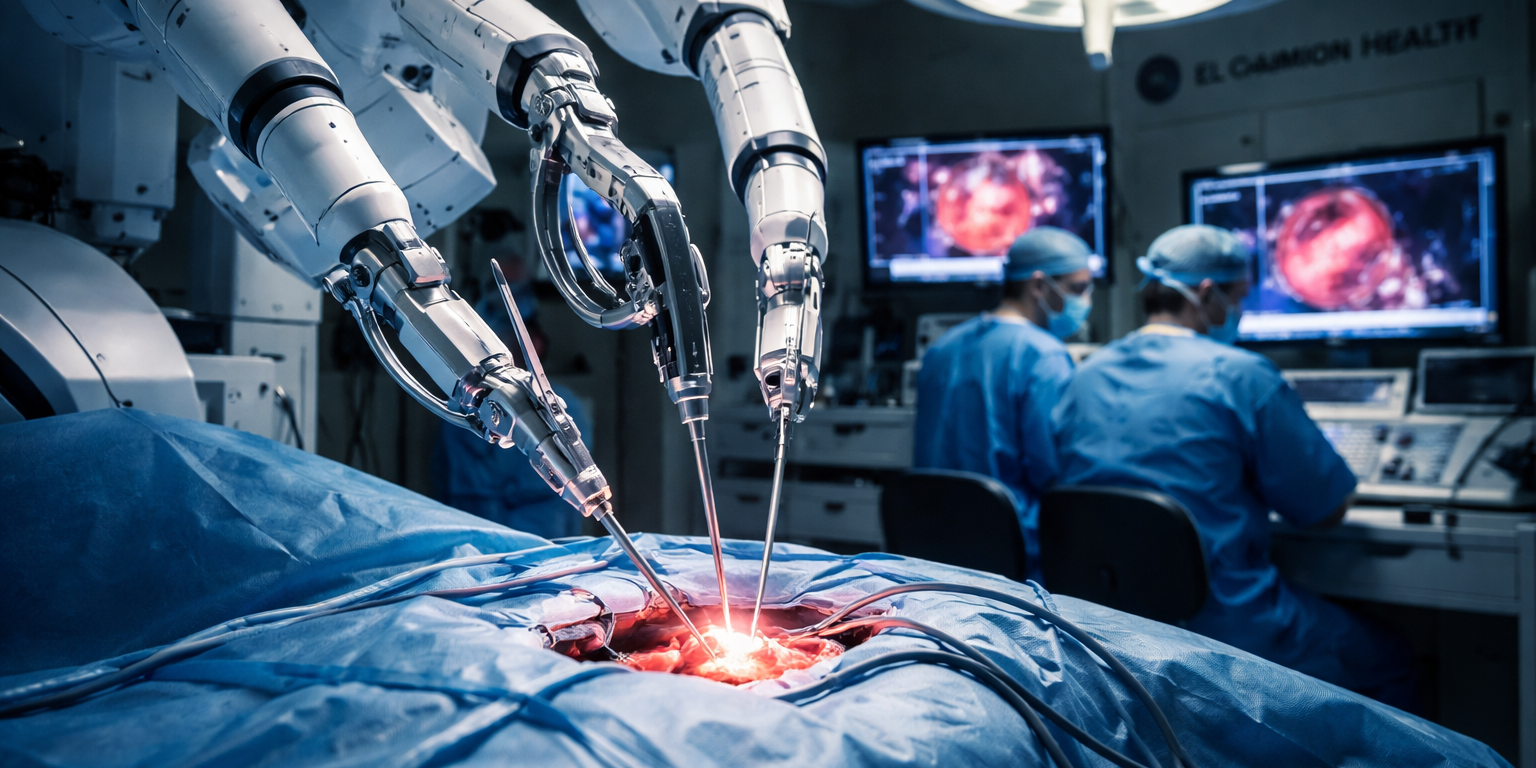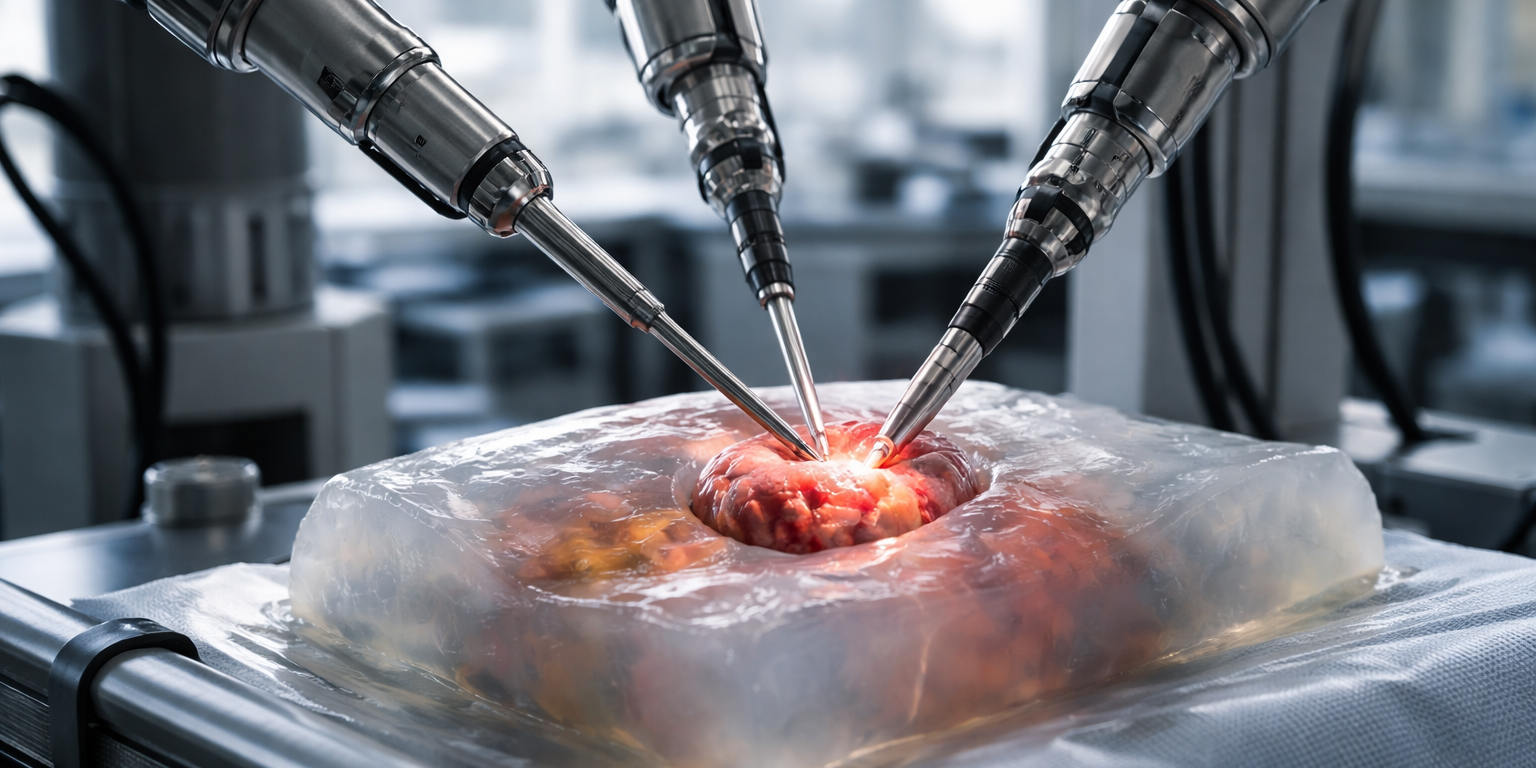
Three out of four attempts. That's the success rate Rayhan Papar achieved when testing his autonomous tumor-removal framework on a da Vinci surgical robot using gel-based tissue models. The eighteen-year-old Texas student built a simulation-based training system that teaches surgical robots to identify and excise tumors without direct human control during the procedure. While gel models differ substantially from living tissue, the 75 percent success rate represents a meaningful step in a field where autonomous surgical intervention has remained largely theoretical. Papar's work arrives as surgical robotics companies face mounting pressure to demonstrate return on investment for hospital systems that have spent millions on platforms like the da Vinci but still require full surgeon control for every procedure.
The framework relies on simulated training environments where the robot practices tumor identification and removal thousands of times before attempting procedures on physical models. This approach sidesteps one of surgical robotics' most persistent challenges: the scarcity of labeled training data from actual procedures. Surgical video footage exists in vast quantities, but annotating it frame-by-frame to indicate tumor boundaries, healthy tissue margins, and safe excision paths requires expert time that few institutions can spare. Papar's simulation strategy generates synthetic training data at scale, allowing the system to learn tissue manipulation and excision techniques in controlled digital environments before transferring that knowledge to physical robots. The da Vinci platform used in testing is the same multi-armed surgical system deployed in hospitals worldwide for prostatectomies, hysterectomies, and other minimally invasive procedures. Intuitive Surgical, which manufactures the da Vinci line, shipped more than 1,500 systems in 2025 alone, though all current applications require surgeons to control every movement through a console.
The gel-model testing protocol Papar employed mirrors validation methods used by surgical robotics researchers at institutions including Johns Hopkins, Imperial College London, and the Technical University of Munich. Gelatin-based phantoms allow controlled assessment of a robot's ability to distinguish between simulated tumor tissue and surrounding material, apply appropriate force during excision, and maintain clean margins without damaging adjacent structures. The three successful trials demonstrated the system could locate the target tissue, plan an excision path, and complete the removal without penetrating beyond defined boundaries. The single failure occurred when the robot applied excessive force during tissue manipulation, tearing the gel model before completing the excision. That failure mode highlights a core challenge in surgical autonomy: force sensing and tissue response remain difficult to predict across different tissue types, hydration levels, and pathological states. What works in consistent gel models may fail unpredictably in living organs where vasculature, inflammation, and anatomical variation introduce complexity that simulations struggle to capture.
Parar's project arrives as venture funding for surgical robotics reached $2.1 billion in 2025, according to figures from Pitchbook, with startups including Moon Surgical, CMRT, and Mendaera drawing significant capital for systems that offer varying degrees of autonomy. None have yet deployed fully autonomous tumor removal in clinical settings. Regulatory pathways remain undefined for surgical robots that make independent decisions about tissue removal, and hospital risk management departments have shown limited appetite for liability associated with autonomous excision. The FDA's current framework for robotic-assisted surgery assumes continuous human oversight, and no company has publicly announced plans to seek clearance for unsupervised tumor removal. Academic research groups have demonstrated autonomous suturing, tissue manipulation, and even soft-tissue surgery in porcine models, but the gap between laboratory success and clinical deployment has widened rather than narrowed as hospitals and regulators confront the consequences of delegating life-or-death decisions to algorithms. Papar's work contributes to the technical foundation for eventual autonomy, but the path from 75 percent success in gel models to regulatory approval for human surgery likely spans years, not months.
What to Watch: Observe whether Papar publishes detailed methodology and results in a peer-reviewed journal or presents at conferences like Hamlyn Symposium on Medical Robotics or IEEE International Conference on Robotics and Automation in 2027. Track any collaboration announcements between Papar and established surgical robotics research labs, particularly groups at Johns Hopkins or ETH Zurich that have published extensively on autonomous surgical manipulation. Monitor FDA guidance documents on autonomous surgical systems expected in late 2026, which may clarify regulatory pathways for graduated autonomy in surgical robotics. Watch for expanded testing protocols using ex-vivo tissue or animal models, which would represent meaningful progression beyond gel phantoms.