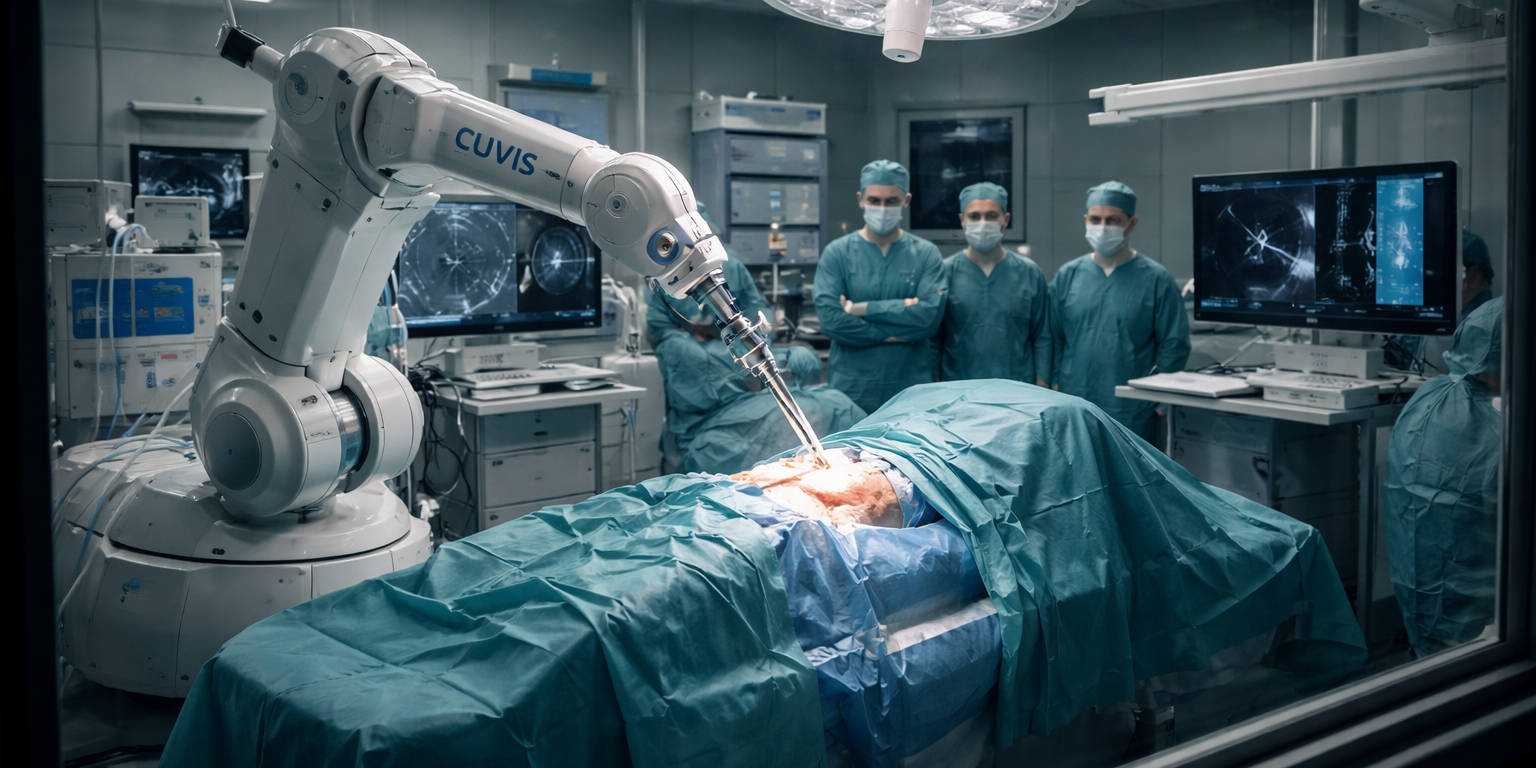
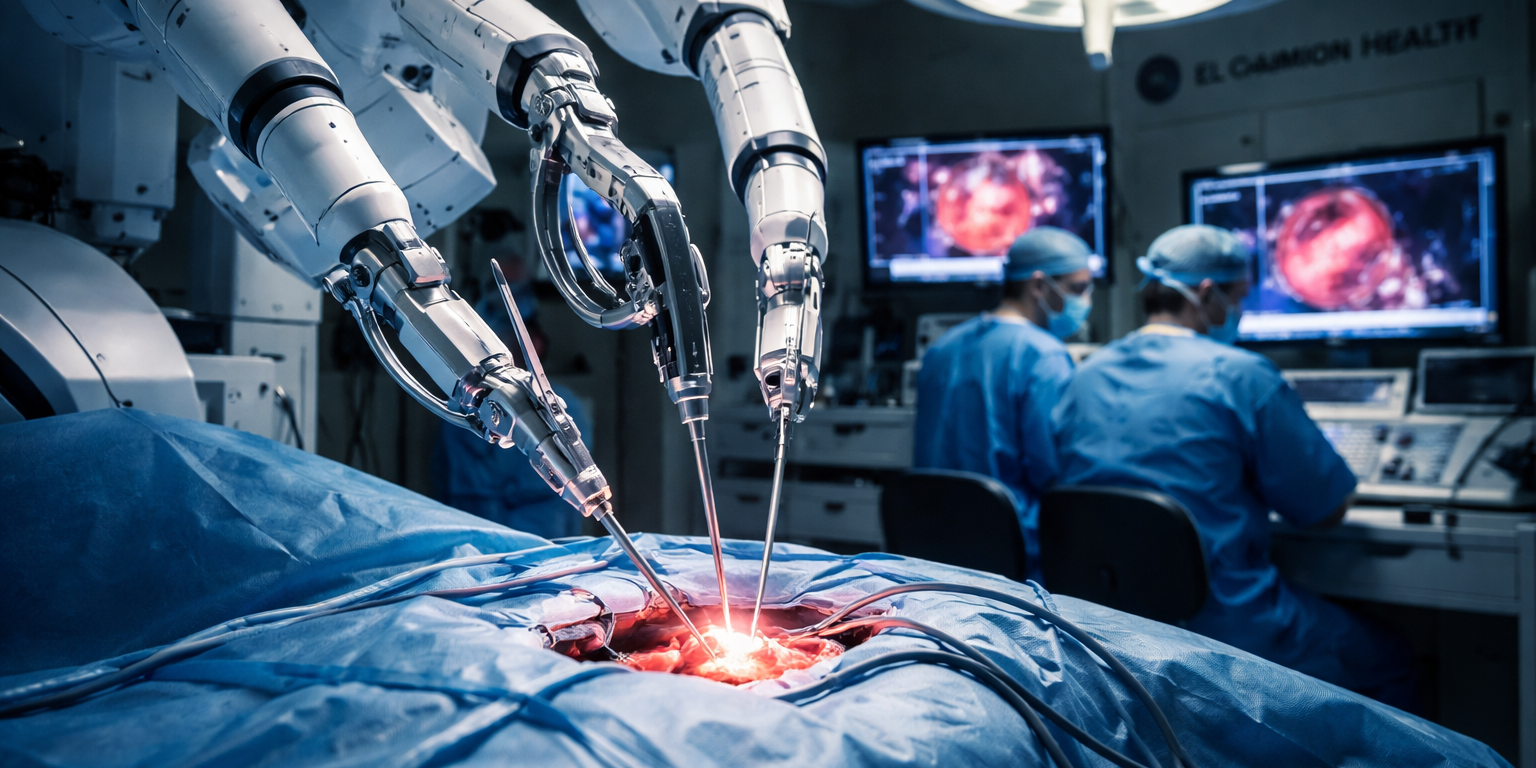
Cardiac surgeons at El Camino Health Heart and Vascular Institute in Mountain View, California, have started performing heart procedures with the da Vinci surgical robot manufactured by Sunnyvale-based Intuitive Surgical. The deployment marks an operational expansion for the platform, which has dominated the surgical robotics market since its FDA clearance in 2000 but has seen slower adoption in cardiac surgery compared to its stronghold in urology, gynecology, and general surgery. El Camino Health, a regional hospital system serving Silicon Valley, did not disclose the specific cardiac procedures now being performed robotically, though the institute has historically specialized in coronary artery bypass grafting, valve repair, and atrial septal defect closures.
Intuitive Surgical has shipped more than 8,500 da Vinci systems worldwide as of the second quarter of 2026, with the fourth-generation da Vinci Xi and single-port da Vinci SP accounting for the majority of recent placements. The company reported procedure volume growth of roughly 16 percent year-over-year in its most recent earnings call, driven primarily by general surgery and thoracic applications. Cardiac procedures represent a smaller fraction of total da Vinci utilization, partly because open-heart surgery remains the standard of care for complex valve replacements and multi-vessel bypass operations. Robotic assistance has gained traction in mitral valve repair and atrial fibrillation ablation, where the precision of articulated instruments and three-dimensional visualization offer measurable advantages over traditional sternotomy approaches. El Camino Health's cardiac program performed approximately 1,200 open-heart procedures in 2025, according to publicly available data, though the hospital has not disclosed what percentage of that caseload will transition to robotic techniques.
The da Vinci system operates on a teleoperation model in which the surgeon sits at a console several feet from the patient, manipulating hand controls that translate to sub-millimeter movements of robotic arms positioned at the operating table. Each arm holds an EndoWrist instrument capable of seven degrees of freedom, exceeding the articulation range of the human wrist. A high-definition stereoscopic camera provides magnified visualization of the surgical field. For cardiac applications, surgeons typically work through small intercostal incisions rather than splitting the sternum, which can reduce recovery time and lower infection risk. Clinical studies have shown comparable or superior outcomes for robotic mitral valve repair versus conventional techniques, though the data for coronary artery bypass remains mixed. A 2024 meta-analysis published in the Journal of Thoracic and Cardiovascular Surgery found no significant difference in five-year survival rates between robotic and open bypass surgery, but noted shorter hospital stays and fewer blood transfusions in the robotic cohort. Cost remains a barrier, with robotic cardiac procedures typically adding $3,000 to $5,000 in direct expenses due to instrument costs and longer operating times during the learning curve.
El Camino Health's adoption reflects broader momentum in surgical robotics despite ongoing debates over return on investment. CMR Surgical, a UK-based competitor, has placed more than 300 units of its Versius system globally, targeting the same minimally invasive surgery market with a modular design that costs roughly half the capital outlay of a da Vinci Xi. Medtronic entered the space with its Hugo robotic-assisted surgery platform, securing CE mark approval in Europe in 2021 and beginning limited U.S. trials. Johnson & Johnson acquired Auris Health for $3.4 billion in 2019 to gain access to robotic bronchoscopy technology, later expanding development efforts into soft-tissue surgery. None of these platforms have achieved the clinical footprint or installed base of Intuitive's da Vinci line, which continues to hold approximately 80 percent share of the global surgical robotics market by procedure volume. Cardiac surgery represents a strategic frontier because the procedures carry higher reimbursement rates than many general surgery cases, and hospitals with established heart programs often have the capital budgets to justify robotic purchases. The technical complexity of cardiac robotics also creates a moat, as training requirements and instrument costs make it difficult for smaller competitors to gain traction without demonstrated clinical evidence.
What to Watch: Monitor whether El Camino Health reports procedural outcomes data in peer-reviewed journals by late 2026 or early 2027, as clinical evidence from community hospitals often influences broader adoption decisions. Track Intuitive Surgical's third-quarter earnings in October 2026 for updated procedure volume breakdowns by specialty, particularly growth rates in cardiac versus established categories. Watch for FDA filings from Medtronic regarding U.S. clearance of the Hugo system for cardiac applications, which could accelerate competitive pressure in the category.