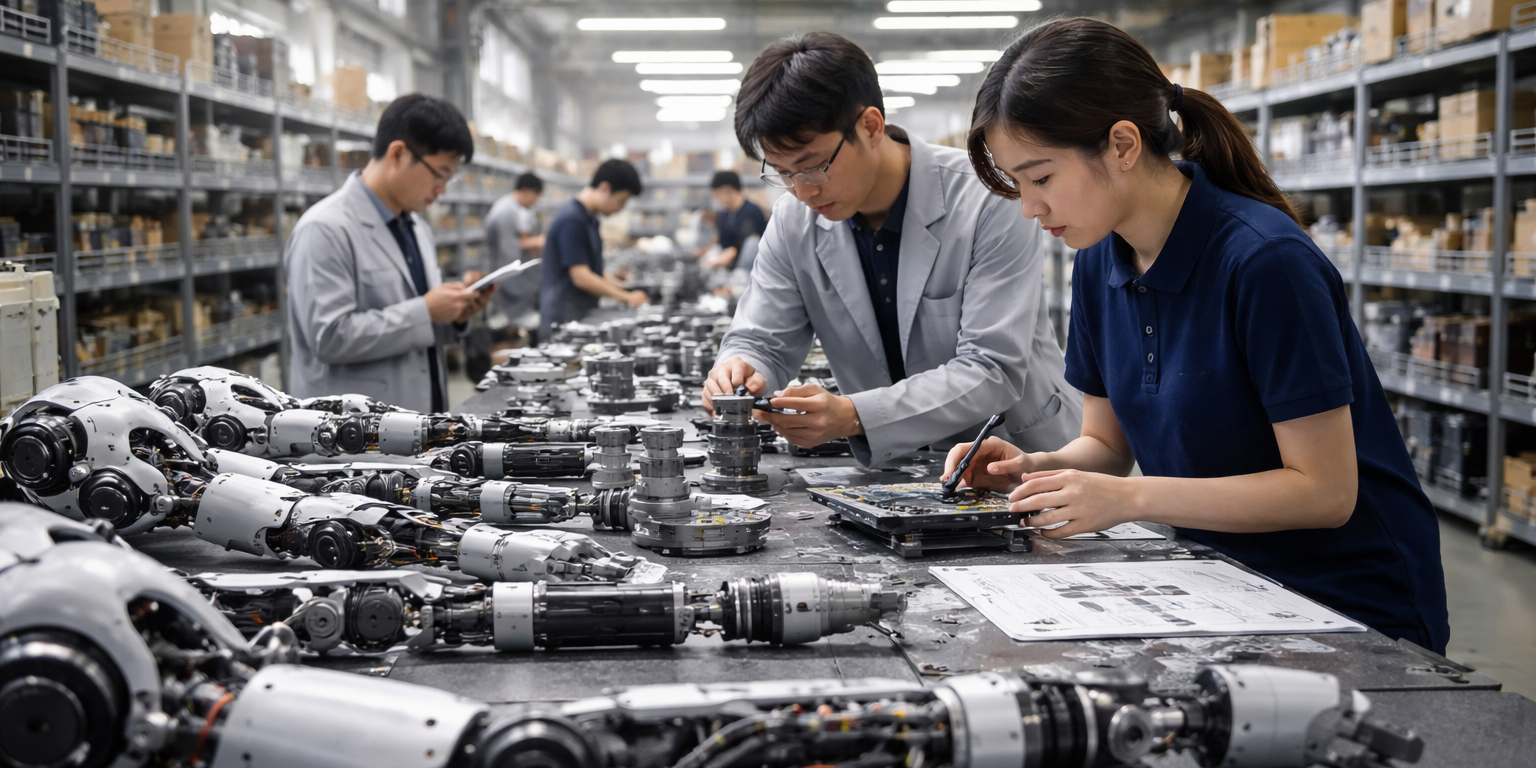
Component suppliers across Taiwan are preparing to ship parts for Tesla's Optimus humanoid robot, according to reports from the island's manufacturing sector. The engagement of multiple vendors in Tesla's supply chain marks the clearest indication yet that the company intends to move beyond laboratory prototypes and limited demonstrations. Taiwan's electronics manufacturing ecosystem, which already produces critical components for Tesla's automotive business, is now being tapped for actuators, sensors, and structural elements designed specifically for bipedal platforms.
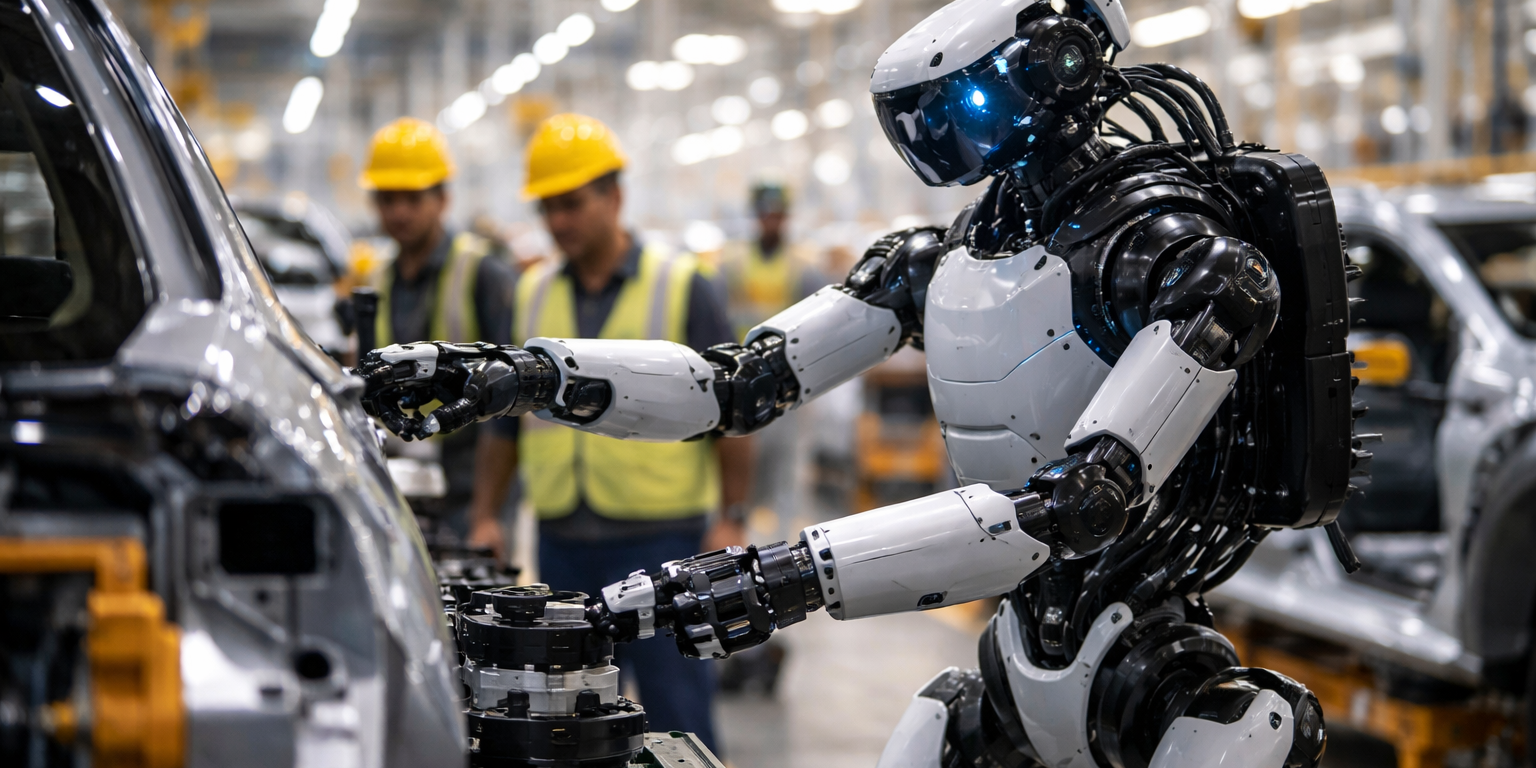
Musk spent much of the past year reframing Tesla's identity. During earnings calls and public appearances throughout 2025, he repeatedly described the company as fundamentally a robotics firm rather than an automaker. That messaging shift coincided with reduced emphasis on new vehicle models and increased visibility for Optimus demonstrations. The robot appeared at shareholder meetings, performed simple tasks in controlled environments, and became a fixture in Musk's vision for Tesla's future revenue streams. Yet observers noted a persistent gap between demonstration units and any credible path to mass production. Engaging Taiwanese suppliers closes part of that gap. Taiwan's contract manufacturers have spent decades refining high-volume production techniques for consumer electronics, smartphones, and automotive components. Their involvement suggests Tesla is moving past hand-assembled prototypes toward designs optimized for repeatability and cost.
The specific components being sourced remain partially undisclosed, but industry sources point to actuators and joint assemblies as primary focus areas. Humanoid robots demand precision motors capable of smooth, human-like motion while withstanding continuous operation. Tesla's approach reportedly favors custom-designed actuators over off-the-shelf servo motors, a choice that increases upfront engineering costs but enables tighter integration with the company's control software. Structural chassis elements are also being manufactured in Taiwan, leveraging the same lightweight alloy techniques used in laptop housings and drone frames. Sensor packages, including vision systems and force-feedback modules, are coming from vendors already familiar with Tesla's quality standards from automotive contracts. This supplier diversification reduces risk but complicates logistics. Coordinating component flow from multiple Taiwanese factories to Tesla's assembly sites requires the kind of supply chain orchestration the company has built over a decade of vehicle production.
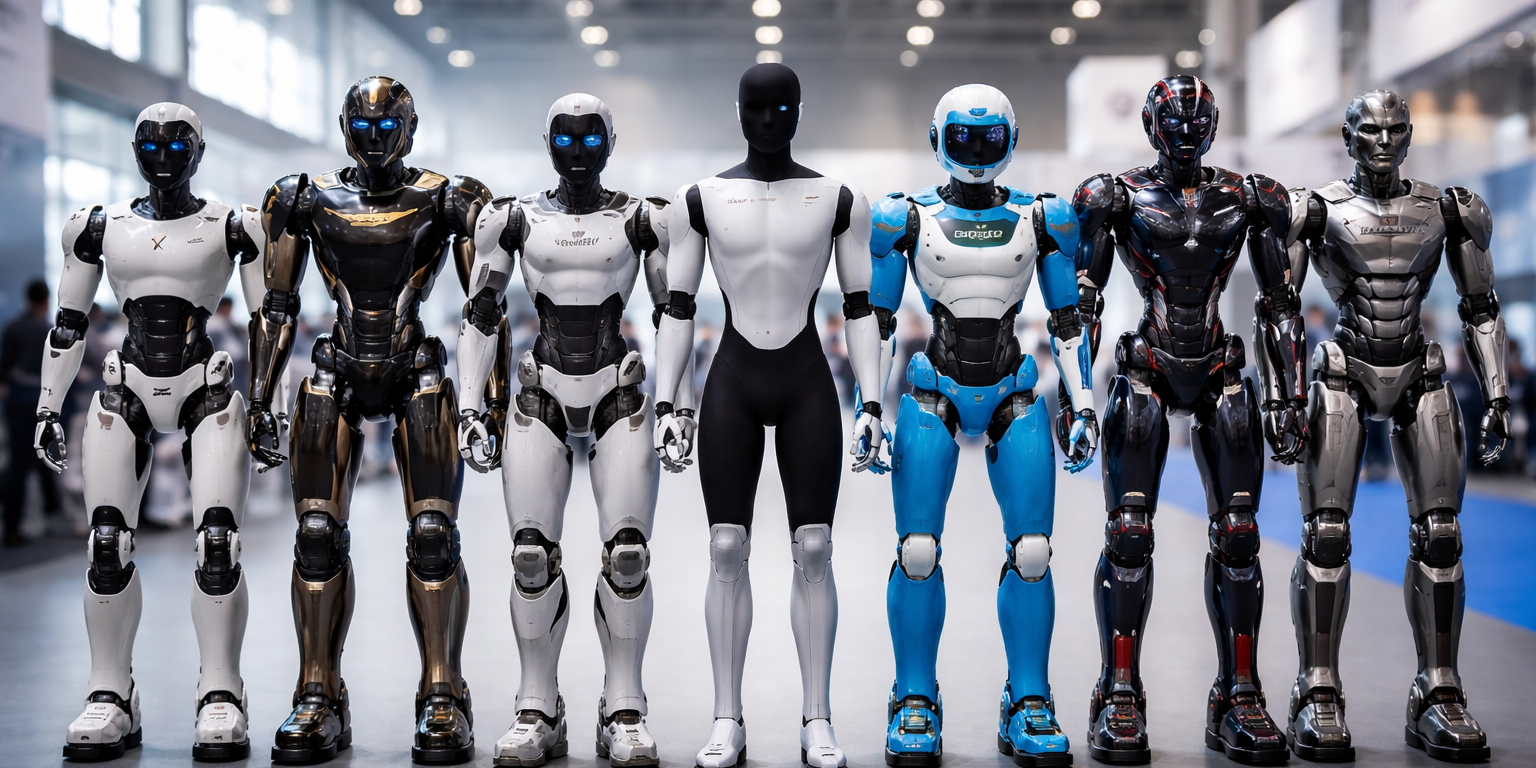
The broader humanoid robotics sector has watched Tesla's progress with mixed reactions. Boston Dynamics, Figure AI, and Agility Robotics have all demonstrated bipedal platforms capable of warehouse tasks, navigation, and object manipulation. None have announced mass production timelines approaching Tesla's apparent ambitions. Tesla's advantage lies not in robotics expertise but in manufacturing scale and vertical integration. The company already operates factories on three continents, manages global logistics networks, and has experience ramping complex products from thousands to millions of units. Applying that capability to humanoids could shift industry economics even if Tesla's robots lag competitors on technical benchmarks. A serviceable humanoid priced at $20,000 through volume manufacturing would disrupt markets currently served by $50,000 specialty platforms. Competitors have noted this threat. Figure AI raised $675 million in early 2025 at a $2.6 billion valuation, explicitly citing the need to reach production scale before larger players commoditize the market. Agility Robotics began operating its Oregon manufacturing facility in late 2025, targeting initial output of 10,000 Digit robots annually. Tesla's production capacity, once engaged, could dwarf those figures. Whether the company can translate automotive manufacturing prowess into robotics remains unproven, but Taiwanese suppliers are betting it can.
What to Watch: Monitor Tesla's Q3 and Q4 earnings calls for any mention of Optimus production milestones or unit targets. Track announcements from Taiwanese actuator manufacturers like Hiwin Technologies and motor suppliers for Tesla-specific product lines. Figure AI and Agility Robotics will likely accelerate their own production announcements if Tesla confirms volume manufacturing timelines. Pay attention to job postings at Tesla's Austin and Fremont facilities for robotics assembly roles, which would signal imminent production setup.