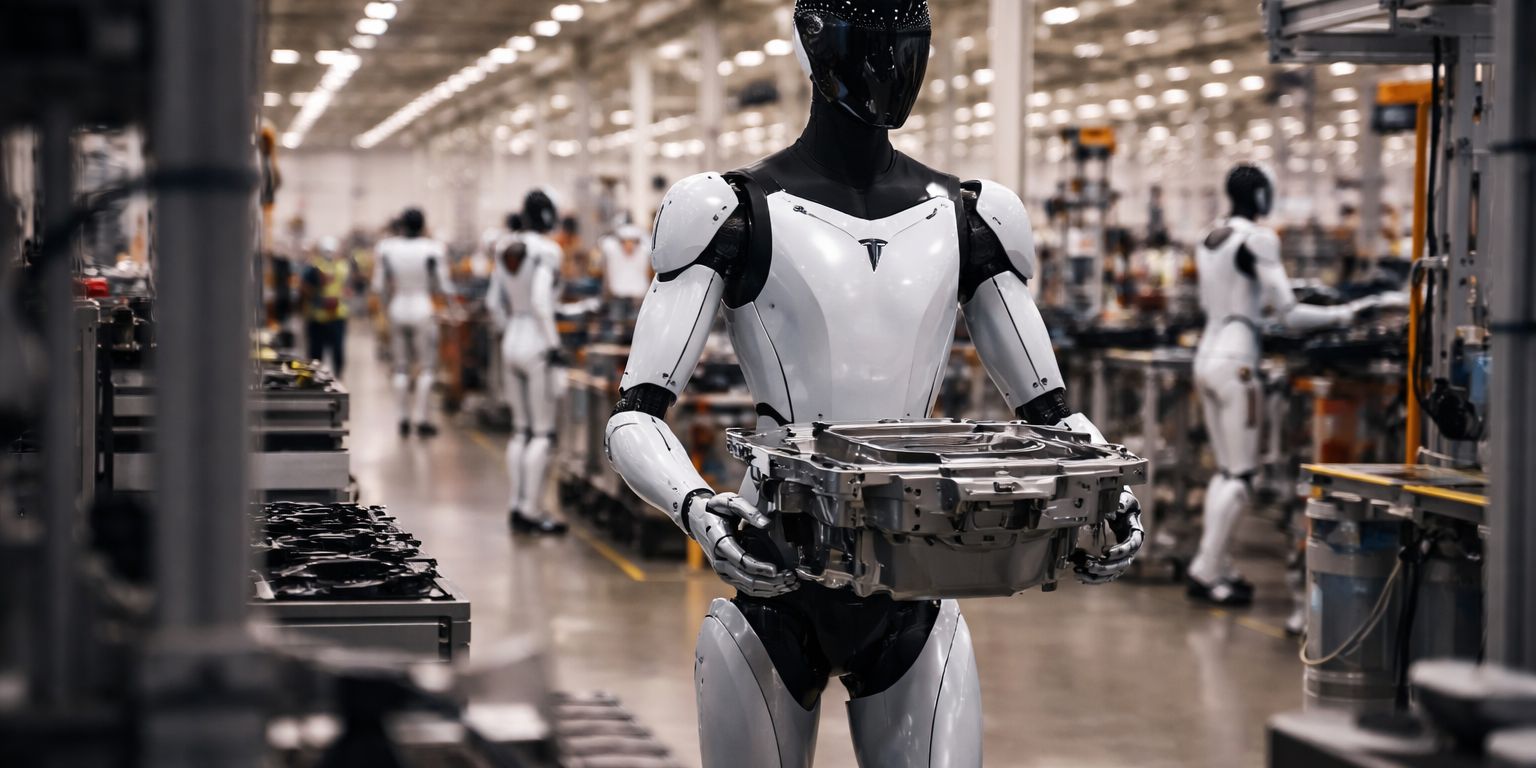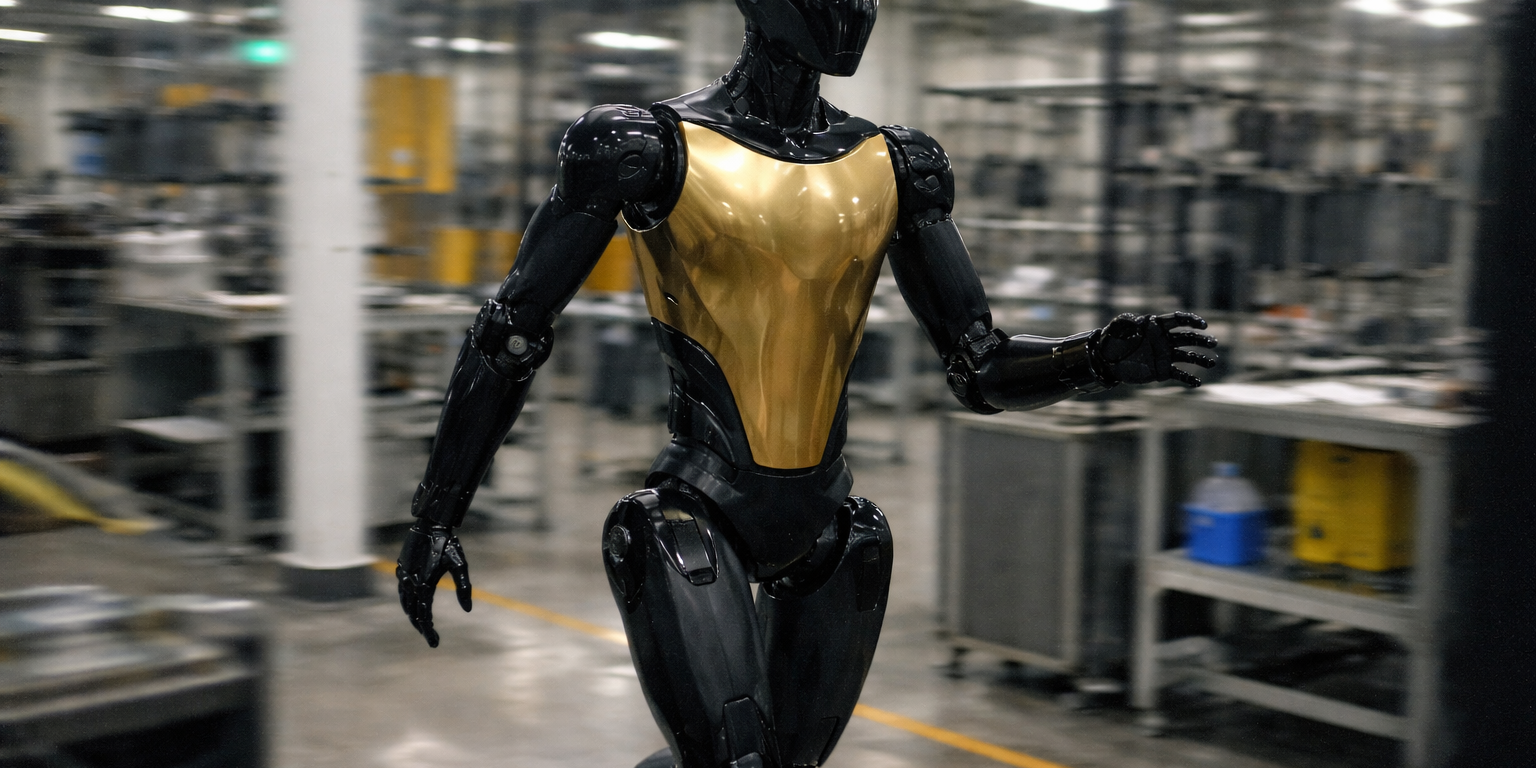
Gold-and-black images claiming to show Tesla's Optimus Gen 3 humanoid robot appeared on social media and enthusiast forums earlier this week, marking the first apparent visual leak of the platform's next iteration before any official company announcement. The photos, which circulated on X and Reddit before gaining traction on robotics industry channels, depict a humanoid form factor with a metallic gold torso shell and black limb actuators—a sharp aesthetic shift from the clean white-and-gray industrial look that defined Gen 2 when Elon Musk demonstrated those units onstage in late 2024 and during limited factory trials throughout early 2025.
The timing matters. Tesla has been publicly silent on Optimus hardware updates for months, even as competitors have shipped units to paying customers. Figure AI began fulfilling orders for its Figure 02 humanoid to BMW's South Carolina plant in March 2026. Apptronik announced a partnership with NASA for Apollo units destined for logistics work at Kennedy Space Center, with deliveries scheduled for fourth quarter this year. Agility Robotics claims more than 150 Digit robots now operate in commercial warehouse environments across North America. Against that backdrop, Tesla's internal development timeline—ambitious from the start—has drawn scrutiny from investors who expected faster movement from prototypes shown in controlled demos to robots performing repeatable work at scale. The Gen 3 leak, if authentic, suggests Tesla has continued iterating on hardware design even as the robotics community debates whether the company can translate automotive manufacturing expertise into a credible humanoid platform.
Visual analysis of the leaked images reveals several potential hardware changes beyond the cosmetic. The torso appears more sculpted than Gen 2's boxy midsection, possibly indicating redesigned internal component packaging or revised weight distribution to improve balance during dynamic tasks. The limb joints show what could be larger actuator housings, though image resolution makes definitive assessment difficult. One photo shows the robot in what appears to be a standing idle pose with arms at its sides, while another captures a slight forward lean that might demonstrate improved postural stability—a persistent challenge in bipedal humanoid design that requires sophisticated control algorithms and responsive actuation. The gold-and-black color scheme itself has sparked debate. Some industry observers see it as branding theater, a visual signature meant to differentiate Tesla's robots from the sea of white-and-gray machines now common in promotional materials. Others suggest practical reasons: darker surfaces on limbs may reduce visible wear and scuffing in factory environments, while a distinctive appearance makes individual units easier to track in facilities deploying multiple robots.
The leak's provenance remains unclear, but the images appear consistent with Tesla's design language and manufacturing aesthetic. They lack the polished marketing photography typical of official product reveals, showing instead what looks like documentation from an internal testing environment—fluorescent lighting, plain backgrounds, minimal staging. That authenticity, if confirmed, would make this the first substantial hardware glimpse of Gen 3 beyond Musk's occasional teases on social media about ongoing improvements to dexterity, battery runtime, and machine learning integration. Tesla's stated goal remains deploying thousands of Optimus units in its own factories by late 2027, with broader commercial availability contingent on proving reliability and cost-effectiveness at scale. The company has been characteristically tight-lipped about unit economics, though Musk has previously suggested a target manufacturing cost under $20,000 per robot—a figure that would undercut most current commercial humanoids by half or more if achievable at volume.
What to Watch: Tesla's shareholder meeting in late October 2026 could bring official Gen 3 details if the leak forces an earlier-than-planned announcement. Monitor hiring patterns in Tesla's robotics division, particularly roles focused on production engineering and supply chain—those signal manufacturing readiness beyond R&D. Figure AI's production ramp at BMW and any data on task completion rates from that deployment will set benchmarks Tesla must meet or exceed. Finally, watch for patent filings related to actuator design or bipedal control systems filed in the past six months; those often surface weeks after hardware reaches internal testing milestones.