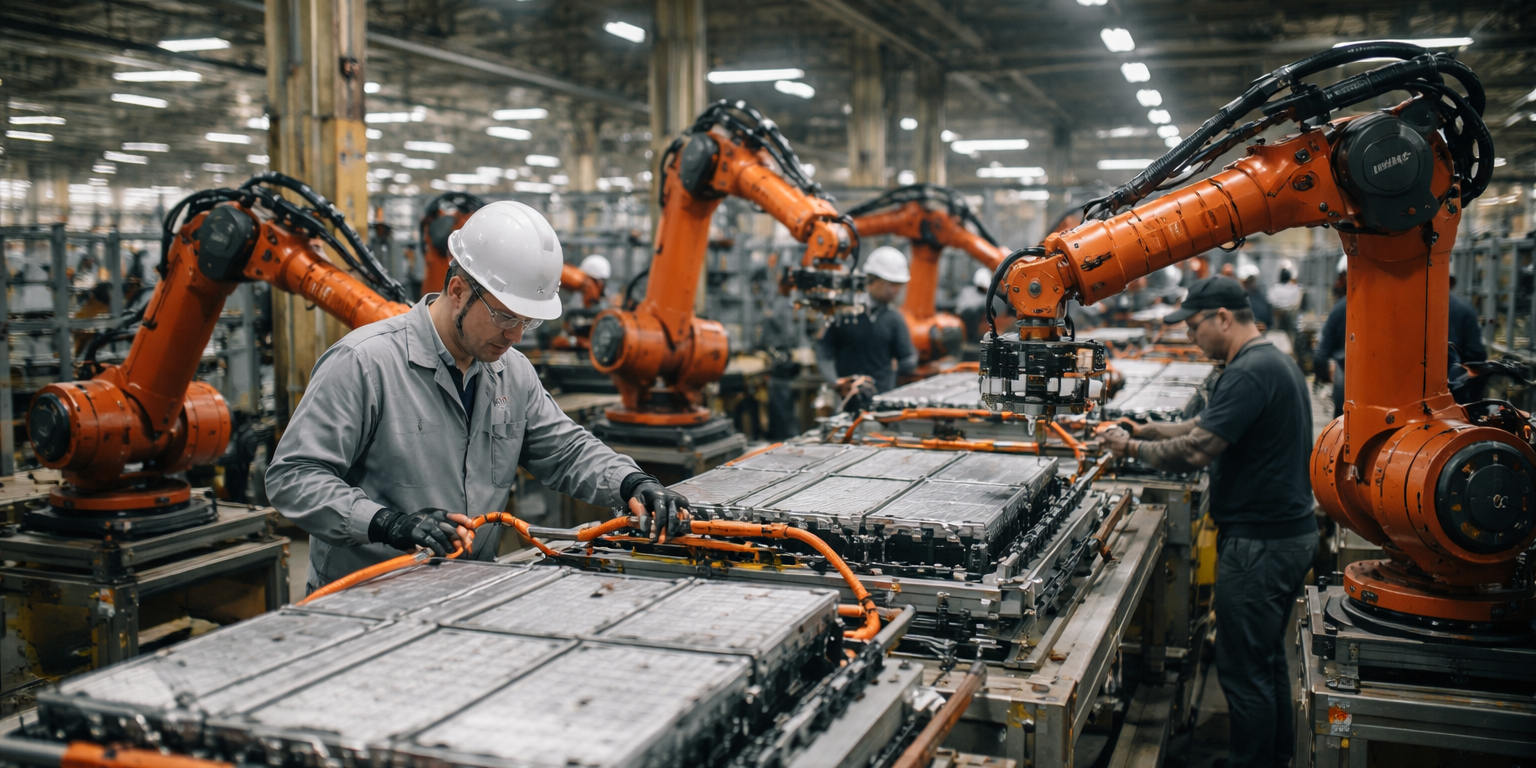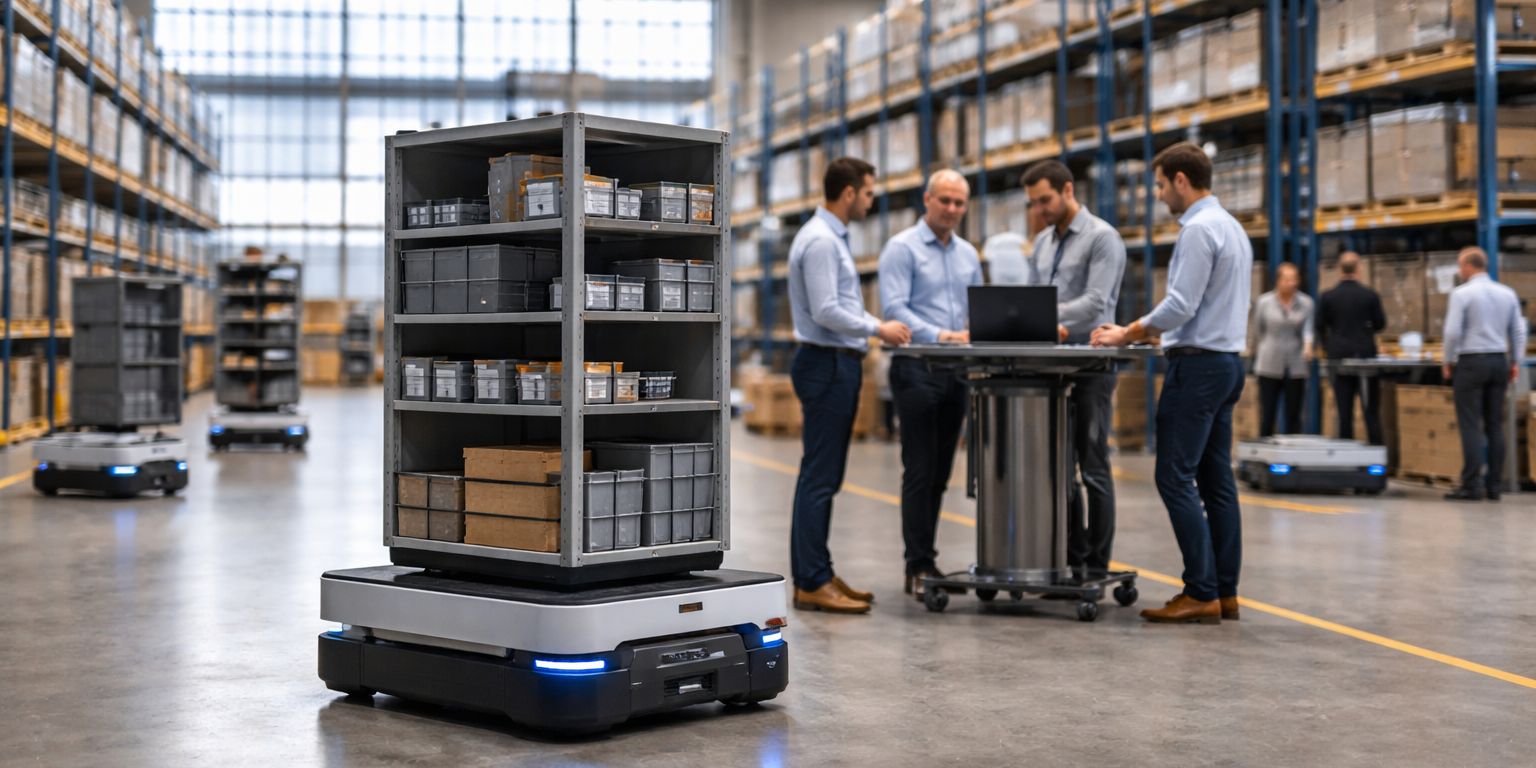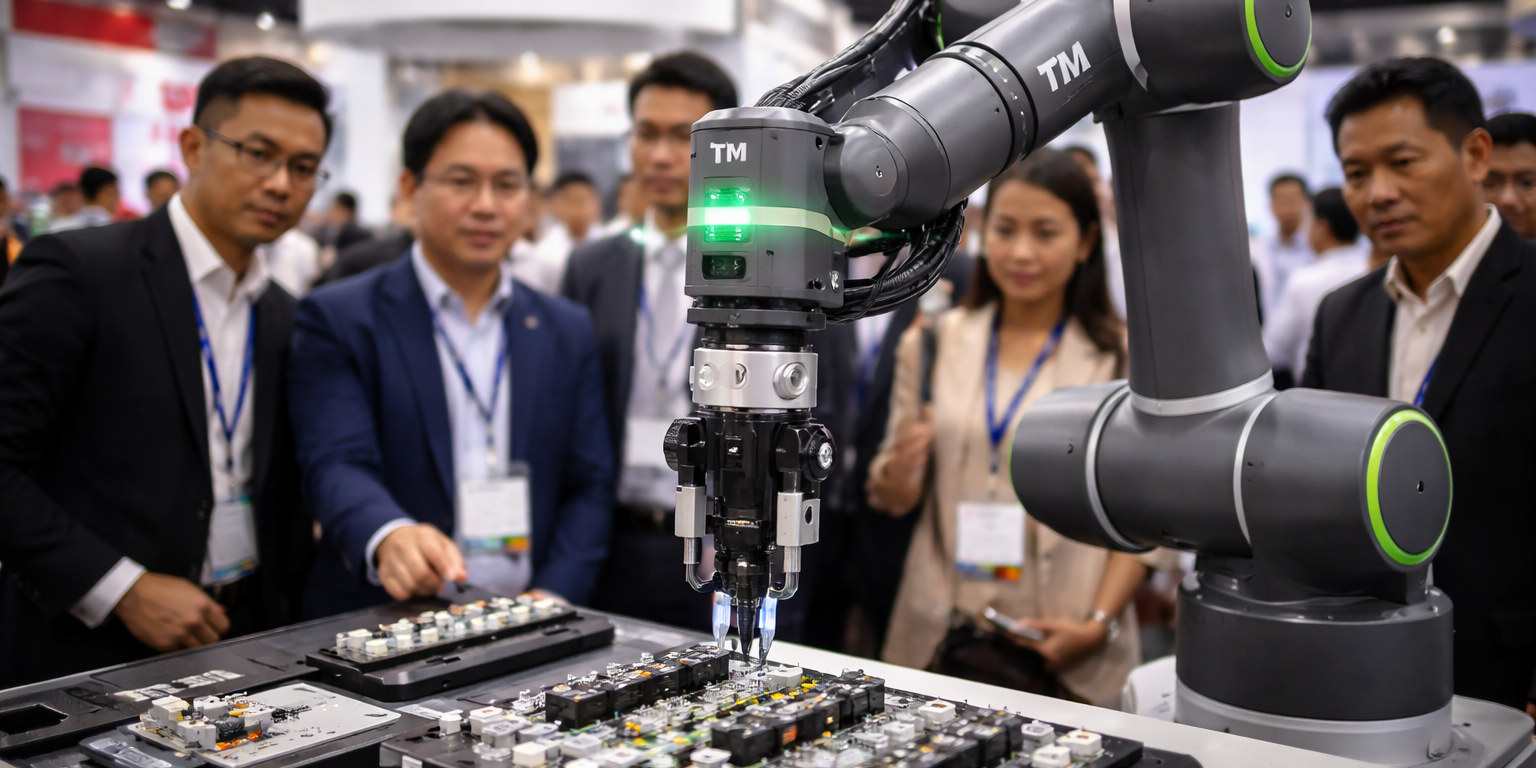
Techman Robot arrives at the ME Assembly & Automation Show in Bangkok with a focused objective: convince Southeast Asian manufacturers that collaborative robots with integrated AI vision can solve labor shortage problems without requiring specialist programming staff. The Taiwan-based company, which has positioned itself as a global alternative to Denmark's Universal Robots and Japan's FANUC in the collaborative robotics segment, sees Thailand as the entry point for broader ASEAN market penetration. The timing aligns with regional manufacturing trends. Thailand's Board of Investment reported that automation equipment imports increased 34 percent year-over-year through the first quarter of 2026, driven primarily by electronics assembly and automotive component manufacturers seeking to offset rising labor costs and chronic skilled worker shortages.
The company's presence at ME Assembly reflects a deliberate geographic strategy that has taken shape over the past eighteen months. While North American and European markets remain saturated with established cobot suppliers, Southeast Asia presents what industry analysts describe as a "fast-follower" opportunity. Manufacturers in Thailand, Vietnam, and Indonesia watched Chinese factories automate through the early 2020s and now face similar economic pressures. Minimum wages across ASEAN rose an average of 8.3 percent in 2025, according to the International Labour Organization, making automation payback periods increasingly attractive. Techman Robot's value proposition centers on simplicity. The company builds machine vision directly into the robot arm rather than requiring separate camera systems and integration work. For small and medium manufacturers without dedicated automation engineers, this architectural choice matters. A automotive parts supplier in Rayong can deploy a TM-series robot for quality inspection without hiring a vision systems integrator or training staff on separate software platforms.
What Techman Robot will actually demonstrate on the Bangkok show floor carries more weight than marketing messaging. The company plans to showcase applications across three manufacturing domains that dominate Thailand's industrial base: electronics assembly, automotive components, and consumer goods packaging. Specific demonstrations will include PCB inspection using the company's TMvision system, screw driving for automotive interior components, and pick-and-place operations for consumer product packaging lines. Each demonstration addresses a labor-intensive task where Thai manufacturers currently struggle with worker retention and quality consistency. The company's technical approach integrates a 5-megapixel camera into the robot's tool flange, running vision algorithms on an onboard industrial PC. This eliminates the external camera mounts, lighting systems, and network connections that typically complicate vision-guided robotics deployments. Cycle time matters in these applications. Techman Robot's published specifications show its TM12 model achieving pick-and-place cycles of 0.6 seconds for 1-kilogram payloads, competitive with dedicated SCARA robots that cost significantly more and require specialist programming.
The broader competitive landscape in Southeast Asian collaborative robotics involves more than technical specifications. Pricing pressure comes from multiple directions. Chinese manufacturers including AUBO Robotics and Elite Robots have entered regional markets with cobot models priced 20 to 30 percent below established suppliers. Japanese companies including Kawasaki Heavy Industries and Denso expanded their collaborative offerings specifically for ASEAN markets, leveraging existing distribution networks built around traditional industrial robots. European suppliers led by ABB and KUKA maintain market share through global account relationships with multinational manufacturers operating Thai facilities. Techman Robot occupies middle ground in this competitive map. The company's cobots typically price between Chinese budget models and premium European offerings, while the integrated vision system provides differentiation that matters for applications where external cameras add complexity and cost. Thailand's automation market dynamics also reflect government industrial policy. The country's Eastern Economic Corridor development plan allocates $45 billion through 2030 for infrastructure and incentives targeting advanced manufacturing, including specific provisions for automation technology adoption.
What to Watch: Track Techman Robot's announced customer deployments in Thailand and Vietnam through Q3 2026, particularly in automotive tier-one suppliers where collaborative robots compete directly against traditional industrial arms. Monitor pricing pressure from Chinese cobot manufacturers including AUBO and Jaka Robotics as they expand ASEAN distribution. Watch for partnership announcements between Techman Robot and regional system integrators, which signal serious market development investment beyond trade show presence. Southeast Asian automation equipment import data for July-September 2026 will indicate whether the current adoption acceleration continues or plateaus.