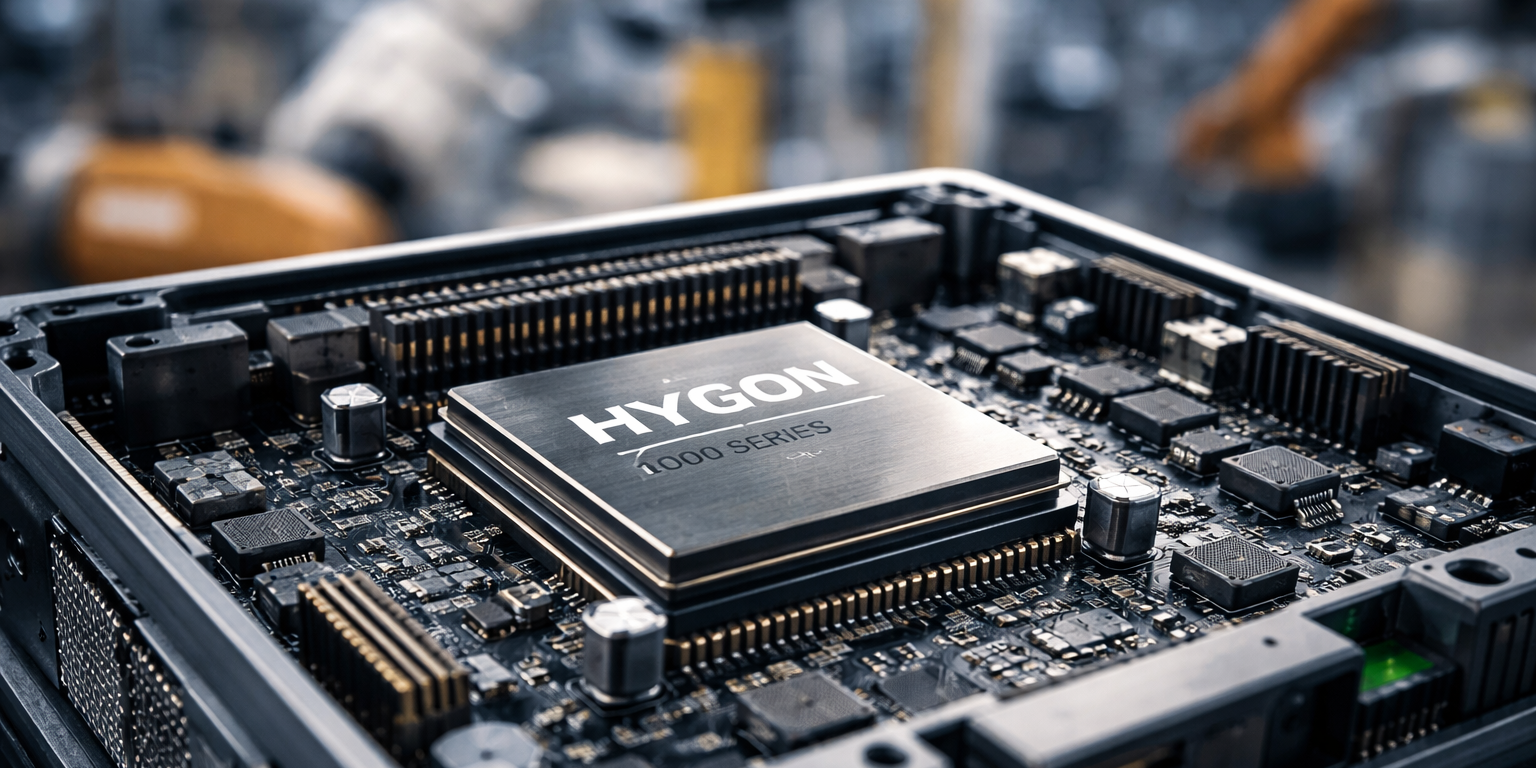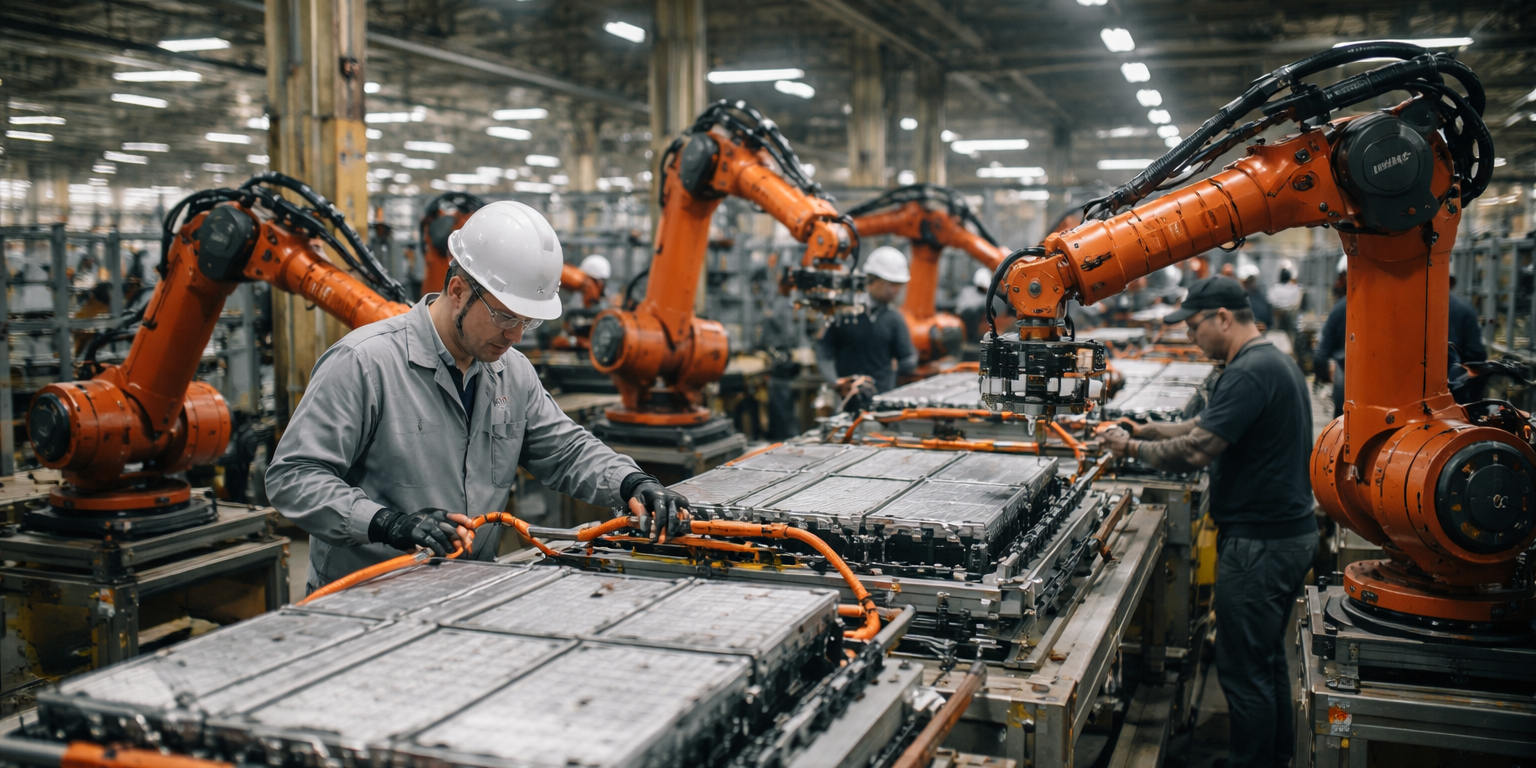
NVIDIA has structured its Halos platform around ISO 26262 ASIL-D requirements, the automotive industry's highest functional safety rating, aiming to provide robotics developers with pre-certified building blocks rather than forcing each company to navigate regulatory compliance independently. The system spans the entire autonomy stack: perception modules running on Jetson Thor, motion planning validated through Isaac Sim fault injection scenarios, and hardware monitors embedded in the GPU architecture itself. Companies building physical AI systems typically spend eighteen to thirty-six months on safety certification alone, a timeline that has kept collaborative robots confined to caged environments or low-risk applications despite advances in manipulation and navigation.
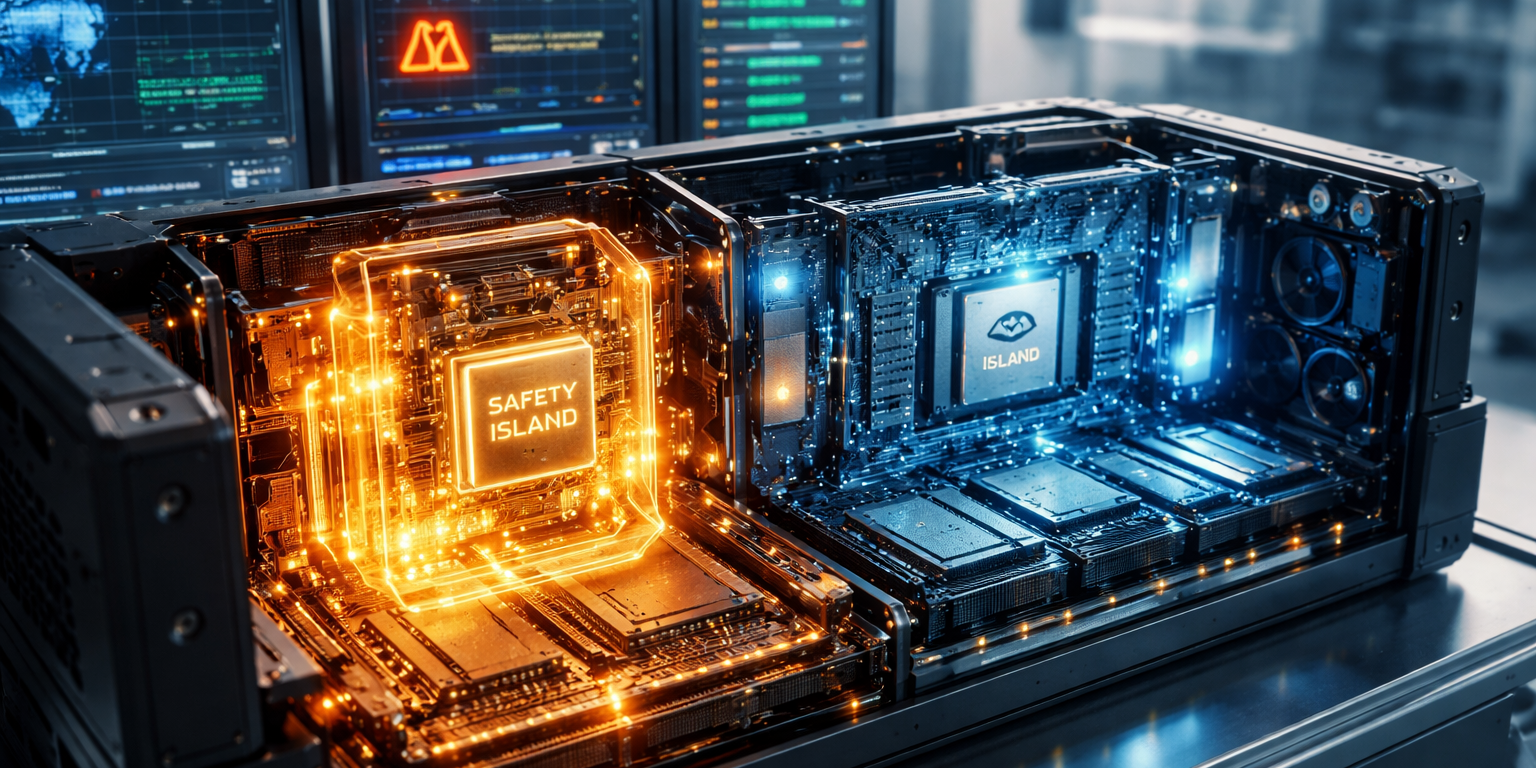
The architecture separates safety-critical functions from performance-optimized AI inference through what NVIDIA calls a Safety Island, a dedicated compute partition with independent power management and memory domains that can override motion commands or trigger emergency stops without waiting for the primary AI stack to respond. This design mirrors redundancy patterns in aviation systems, where flight control computers maintain separate authority over critical surfaces. Halos monitors not just sensor failures or planning errors but also checks the AI models themselves for distribution shift, detecting when a vision network encounters input data sufficiently different from its training set that predictions become unreliable. That capability matters because most robotics failures in operational environments stem not from software bugs but from corner cases the training data never captured: lighting conditions that fool depth cameras, floor textures that confuse SLAM algorithms, or human movements that fall outside the behavioral models used for collision avoidance.
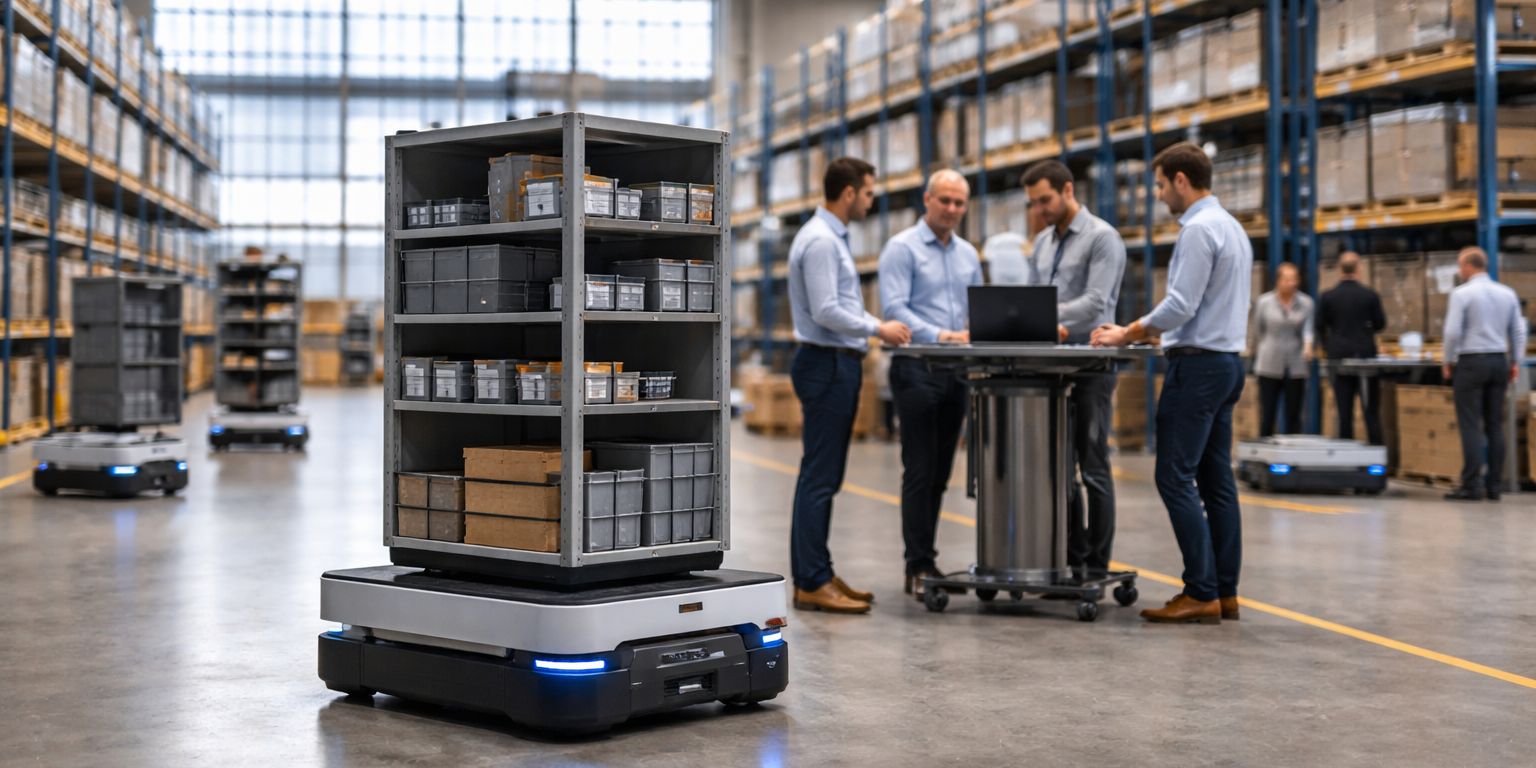
NVIDIA positions the system as response to feedback from partners including Teradyne Robotics, Agility Robotics, Jacobi Robotics, and Intrinsic, companies that have shipped collaborative systems into pharmaceutical cleanrooms, e-commerce warehouses, and automotive assembly lines where regulatory audits occur quarterly and a single safety incident can shut down deployment programs worth tens of millions of dollars. The platform includes pre-validated software components for common robotics functions: a certified motion planner that guarantees kinematic limits won't be exceeded, a perception stack with defined failure modes and detection latencies, and diagnostic modules that log every safety-relevant event in a format compatible with IEC 61508 documentation requirements. Developers can substitute their own algorithms for any component, but doing so moves that module outside the certified boundary and requires independent validation.
The economic pressure driving adoption comes from insurance and liability calculations. Collaborative robots operating without safety certification carry premiums three to five times higher than certified systems, and many enterprise customers simply refuse deployment without proof of compliance with national safety standards. European factories require CE marking under the Machinery Directive, which mandates risk assessment according to ISO 13849. Medical facilities in the United States operate under FDA oversight that increasingly references IEC 62304 for software and IEC 60601 for devices, both of which require documented safety architectures and hazard analysis. By offering certification evidence that transfers across customer deployments, NVIDIA aims to compress the timeline from prototype to production revenue, letting robotics companies focus capital on differentiation in manipulation, task planning, or application-specific perception rather than rebuilding safety infrastructure that every physical AI system requires but few customers will pay extra to obtain.
The broader implications extend beyond individual product cycles. As humanoid robots and mobile manipulators move from scripted tasks in controlled environments to adaptive behaviors in unstructured spaces, the gap between what AI systems can do in simulation and what regulators will permit in human-occupied facilities has widened. Foundation models trained on internet-scale data can generate plausible motion plans for novel scenarios, but safety standards written for deterministic systems don't provide clear frameworks for evaluating probabilistic decision-making. NVIDIA's approach essentially proposes a hybrid model: let the AI handle perception and high-level planning within a certified safety envelope that enforces hard limits on velocity, force, and workspace boundaries regardless of what the neural networks suggest. Whether that architecture proves sufficient as robots take on more complex tasks, or whether entirely new safety frameworks emerge for physical AI systems, will determine how quickly the industry moves from pilot programs to scaled deployments across logistics, healthcare, and domestic applications.
What to Watch: ISO 26262 audit results for the first Halos-based systems are expected in Q3 2025, likely from automotive suppliers already familiar with the standard. Agility Robotics and Figure will probably be early adopters given their work in human-centric environments. Monitor whether European regulators accept ASIL-D automotive certification as sufficient for collaborative robots under the Machinery Directive, or demand robotics-specific standards a decision that could bifurcate the market between automotive-derived and custom safety architectures.