Stryker has spent a decade proving that surgical robots can be sold at scale, and it did so with a machine that cuts bone. Now the Portage, Michigan company is turning to a very different kind of robot, one that works on soft tissue, and it is doing so by partnering rather than building. The strategic alliance with CMR Surgical, announced October 12, 2026, pairs the Cambridge, England company's Versius platform with Stryker's commercial machinery. The stated goal is to accelerate Versius growth. The unstated one is plain enough: Intuitive Surgical's da Vinci has held the soft-tissue robotics market for more than two decades, and nobody has dislodged it.
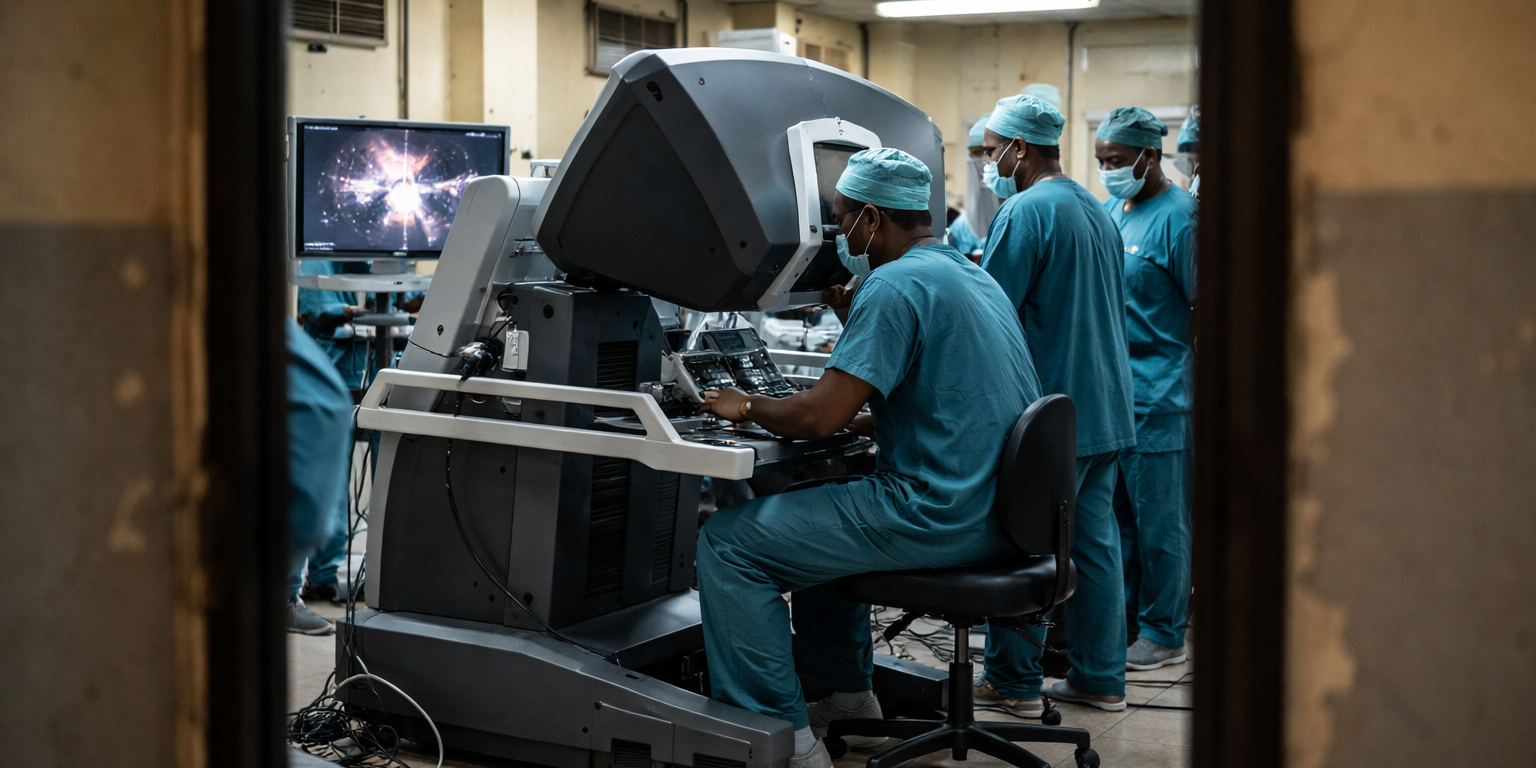
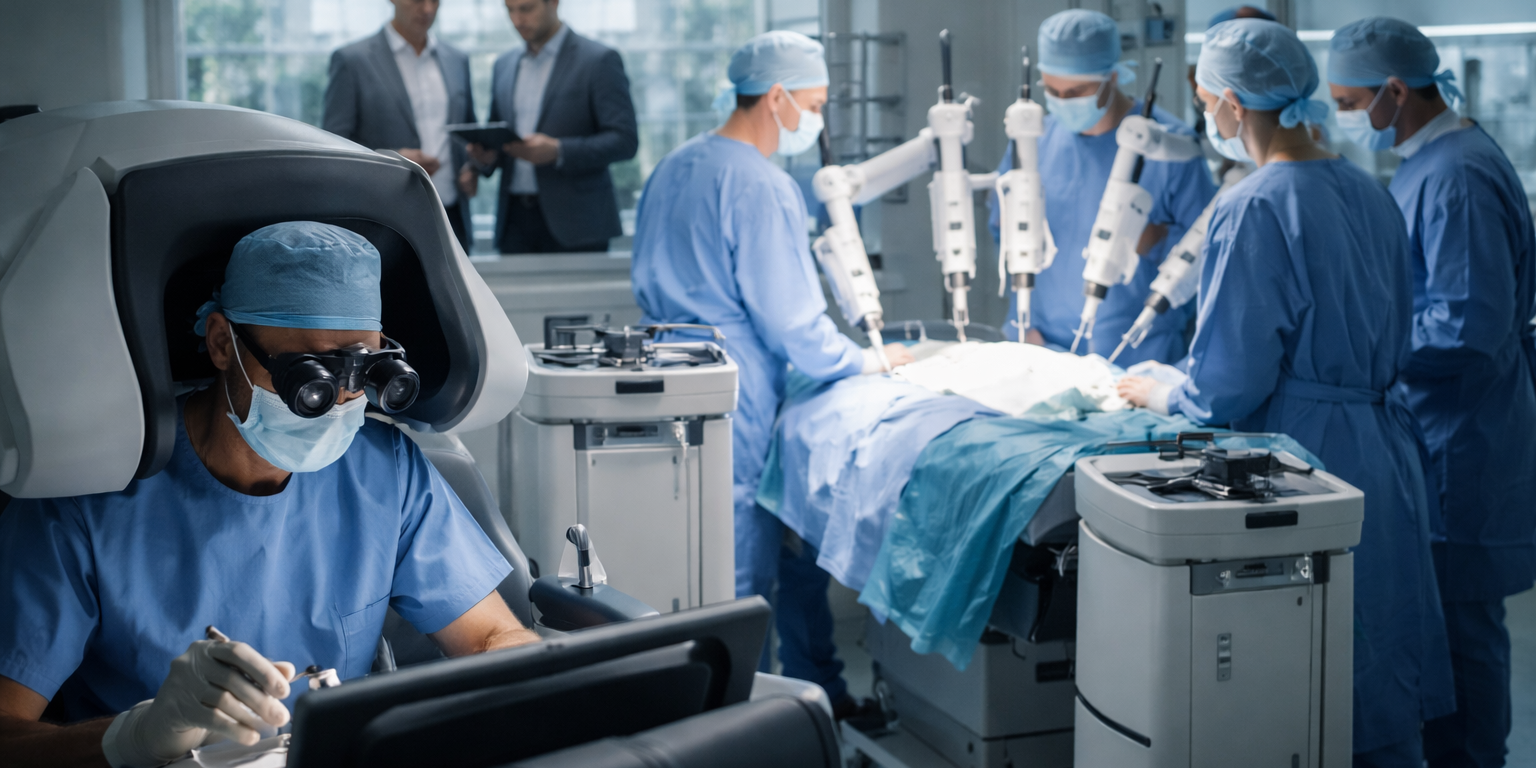
The pairing makes more sense when you look at what each company lacks. CMR built Versius around a modular design, with small independent arm carts that can be arranged around a patient and moved between operating rooms, a deliberate contrast to the single large tower of the da Vinci. That architecture suited hospitals wary of dedicating a full theater to one machine. But engineering a good robot and selling it across hundreds of health systems are separate problems. CMR spent years working through the second one, navigating regulatory clearances and building a footprint market by market, while its larger rival kept compounding an installed base measured in the thousands.
Stryker is the opposite case. Its Mako system became the benchmark for robotic-assisted joint replacement, and the company built a commercial organization around it: sales teams embedded in orthopedic departments, service networks, training programs, and capital-equipment financing that hospital administrators already know how to approve. That infrastructure is the asset on offer here. Stryker has deep relationships with surgeons and procurement officers in precisely the institutions that buy surgical robots, and it knows how to turn a capital sale into recurring revenue from instruments and disposables. For CMR, access to that reach could shorten a sales cycle that has historically been the bottleneck for challengers in this field.
The broader implication is about how the surgical robotics market is likely to consolidate. The sector's economics favor scale: high capital cost, long clinical validation windows, and procedure data that improves with volume. A standalone challenger faces a steep climb against an incumbent with a vast installed base and years of surgeon training baked into residency programs. Alliances like this one suggest the path forward may run through partnership between robotics specialists and commercial heavyweights rather than through head-on competition. For engineers, the signal is that platform modularity and hardware flexibility are being valued as strategic differentiators, not just design preferences. For investors, it raises the question of which other well-engineered but under-distributed platforms become partnership or acquisition candidates next.
The details that will matter most are not yet public. The announcement describes a strategic alliance but, in the summary available, does not disclose whether the arrangement involves equity, exclusive distribution rights, regional carve-outs, or a path to eventual acquisition. Each structure carries different consequences. An exclusive global distribution deal would effectively make Stryker the face of Versius, while a narrower regional arrangement would leave CMR more independence and more exposure. Hospital buyers evaluating a Versius purchase will want to know who services the machine, who trains the surgical teams, and who stands behind the long-term roadmap, and the answers will shape how quickly any commercial momentum materializes.
There is also the matter of how Stryker positions the platform internally. Mako is an orthopedic franchise with its own surgeon community, its own instrument pipeline, and its own growth narrative. Versius targets general surgery, gynecology, urology, and related soft-tissue specialties, where the customer is a different department and often a different buying committee. Stryker will be selling into corners of the hospital where its brand is strong in the building but less proven at the bedside of a hysterectomy or a colorectal resection. Execution there is a real test, and it will show up in placement numbers long before it shows up in earnings language.
For the robotics industry at large, the alliance is a useful data point on where the value sits in surgical systems. Technical differentiation on the robot itself, whether in arm design, instrument articulation, or console ergonomics, gets a platform into the conversation. Distribution, training, and service keep it there. CMR appears to have concluded that it could not win the second half of that equation alone, and Stryker appears to have concluded that building a soft-tissue robot from scratch would take longer than buying access to one that is already operating on patients. Both judgments look pragmatic. Whether they prove correct depends on how fast Versius units start appearing in Stryker-served hospitals.
What to Watch
The first signal to track is any disclosure of deal terms, including equity stakes or distribution exclusivity, which could surface in Stryker's next quarterly earnings call or in regulatory filings. Watch for Stryker sales leadership naming a dedicated Versius commercial team and for the first joint hospital placements, which would show whether the alliance is moving from announcement to execution. Keep an eye on Intuitive Surgical's response, particularly any pricing or leasing adjustments to defend its installed base. Finally, monitor additional regulatory clearances for Versius indications in key markets, since expanded labeling is the clearest leading indicator of how aggressively the combined effort can grow.