Aaron Mehdizadeh cleared TSA security at McCarran International Airport, boarded Southwest Airlines flight 1447 to Dallas, and settled into his assigned seat. Sitting beside him, secured with a standard lap belt, was Stewie—a 3.5-foot humanoid robot that Mehdizadeh had booked as a ticketed passenger. The flight departed without incident. Gate agents processed the boarding passes. Flight attendants completed their safety checks. The robot, compact enough to fit within the seat dimensions and light enough not to trigger weight concerns, met every requirement Southwest's existing carriage policy specified. But the airline had never contemplated a scenario where those requirements would apply to an autonomous machine rather than a human, an animal, or an inanimate object. Forty-eight hours after the flight landed at Dallas Love Field, Southwest's legal team published updated contract of carriage language: humanoid robots are no longer permitted as ticketed passengers, effective immediately.
The incident reveals how quickly consumer robotics has outpaced transportation infrastructure planning. Airlines maintain exhaustive rules governing what passengers can bring aboard and how. Emotional support animals require veterinary documentation and advance notification. Musical instruments over a certain size must purchase their own seat. Cremated remains travel in specific container types placed under the seat. But until Mehdizadeh's January booking, no major U.S. carrier had written explicit policy addressing whether a robot—ambulatory, human-shaped, and equipped with sensors and processors—could occupy a seat designed for human passengers. Southwest's carriage contract required objects in passenger seats to be properly stowed and secured, to fit within dimensional limits, and not to interfere with crew instructions or emergency procedures. Stewie technically satisfied each criterion. The robot's 3.5-foot height placed it well below the seat back. Its weight distribution allowed standard seatbelt use. It required no special power source during flight. Mehdizadeh paid full fare. From a contractual standpoint, Southwest had given itself no grounds to refuse boarding.
The rapid policy reversal suggests concerns extending beyond the immediate flight's safety. Airlines operate under FAA regulations that mandate clear evacuation procedures, weight distribution calculations, and passenger accountability during emergencies. A humanoid robot introduces ambiguities in each category. If rapid decompression occurs, will the robot remain secured or become a projectile hazard? During evacuation, does it count toward passenger load calculations or obstruct egress routes? Who bears liability if the robot malfunctions and injures passengers or crew? Southwest's updated policy carves out explicit exceptions for service robots and mobility devices—categories already addressed in disability accommodation law—but prohibits humanoid robots traveling as fare-paying passengers. The distinction matters. Service robots perform specific functions assisting disabled passengers and fall under Americans with Disabilities Act protections. Humanoid passenger robots occupy a legal gray zone with no established precedent, no safety testing protocols, and no clear chain of responsibility.
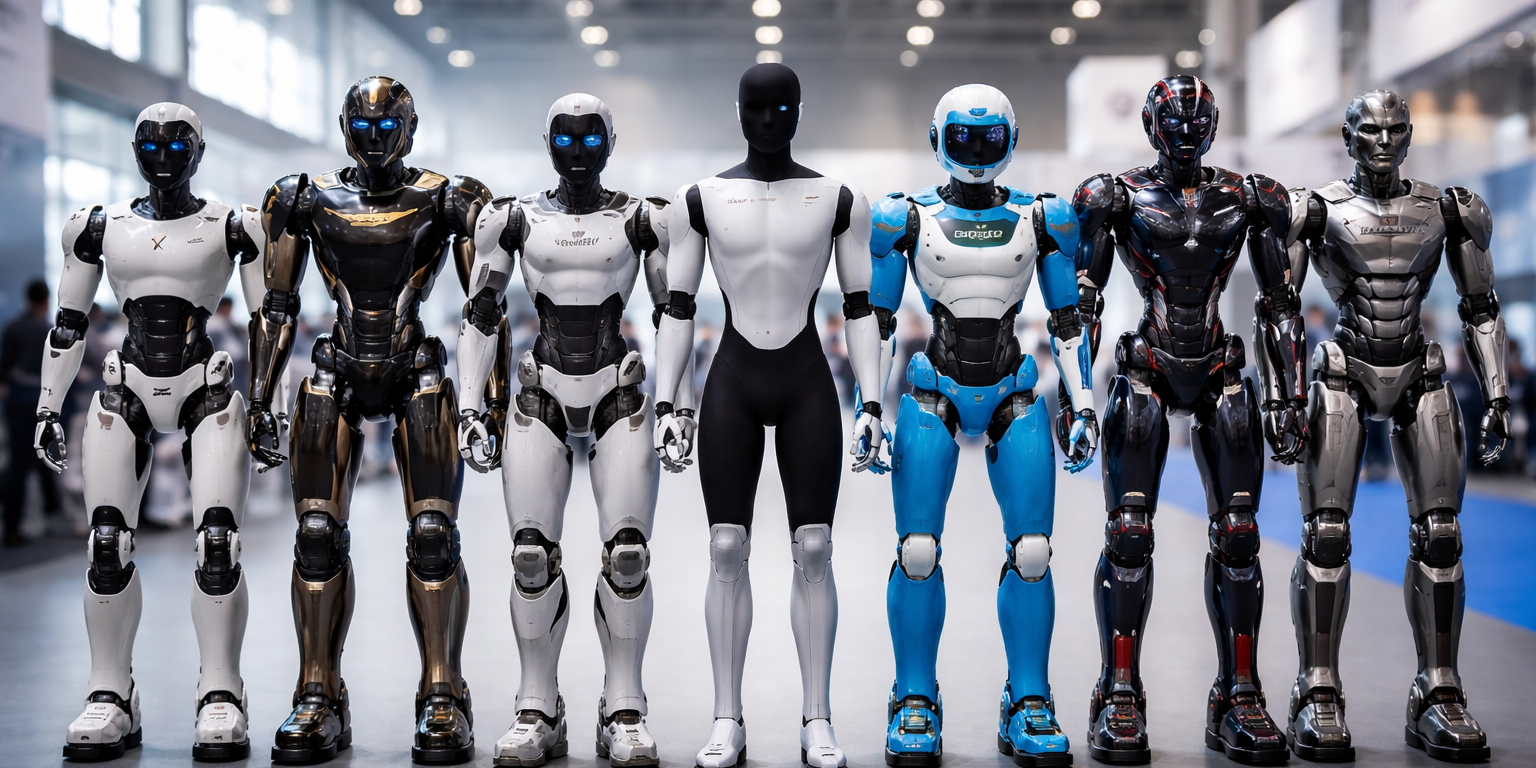
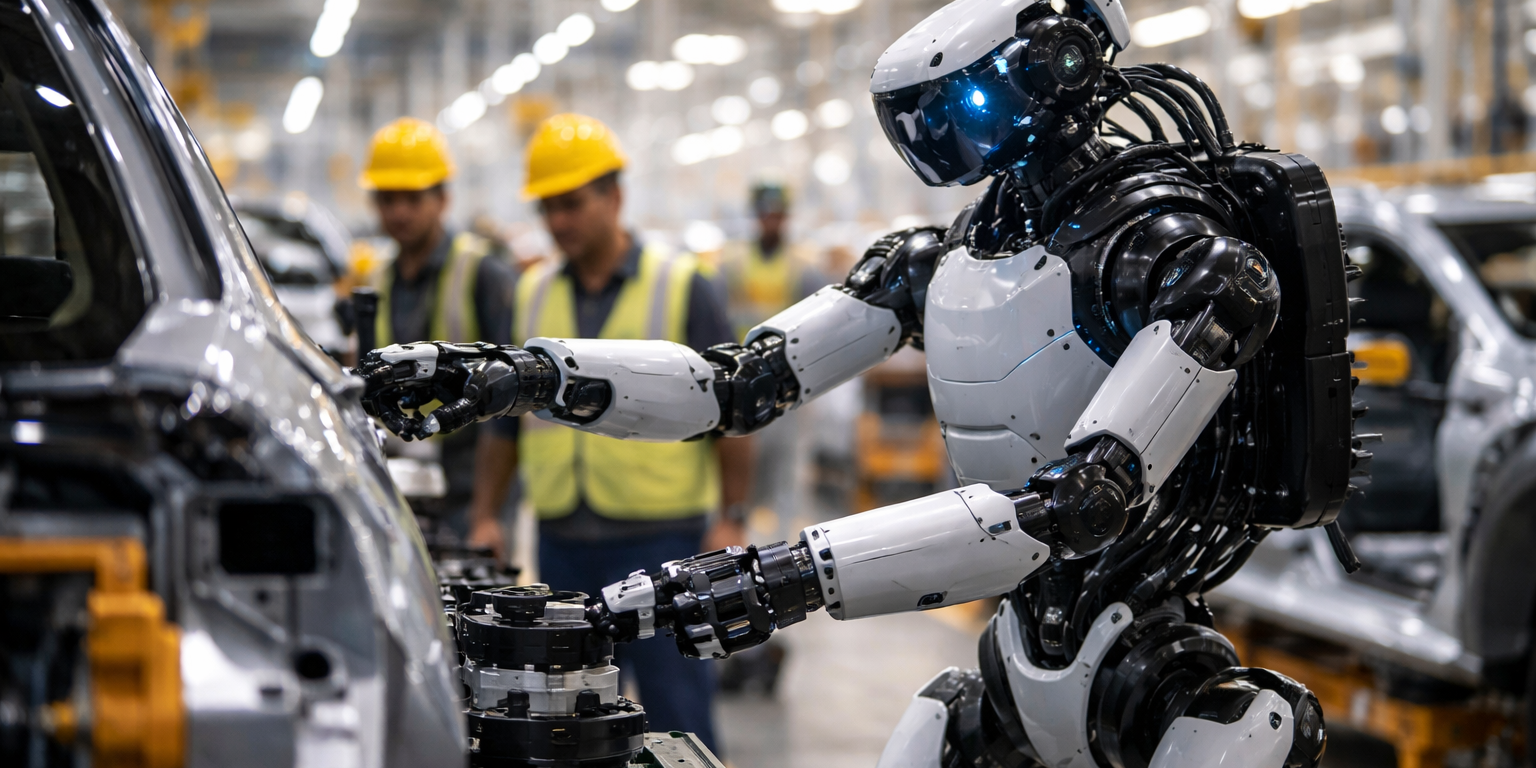
The timing amplifies the incident's significance. Figure AI has announced plans for limited Figure 02 commercial deliveries beginning late 2025. Tesla continues refining its Optimus platform, with Elon Musk projecting thousands of units in operation by 2026. Agility Robotics already operates Digit robots in warehouse environments and has discussed last-mile delivery applications requiring public space navigation. Boston Dynamics' Atlas remains primarily a research platform, but the company's shift toward commercialization signals broader humanoid availability within three years. Chinese manufacturers including Fourier Intelligence and UBTech have introduced consumer-oriented models priced under $30,000. As these machines transition from controlled industrial settings to consumer ownership, their presence in airports, train stations, buses, and aircraft will force transportation operators to develop coherent policies. Southwest now has a framework, albeit a restrictive one. United, Delta, American, and international carriers have issued no public guidance. The International Air Transport Association has not published humanoid carriage standards. Individual airlines will craft policies reactively, as Southwest did, potentially creating a patchwork of conflicting rules that stifle legitimate research applications or disability accommodations while failing to address genuine safety gaps.
What to Watch: Monitor whether United Airlines, Delta Air Lines, and American Airlines issue explicit humanoid robot policies before summer 2025, or wait for additional incidents to force clarification. Track whether Figure AI or Tesla engage with IATA or FAA officials to establish proactive safety standards for humanoid air travel ahead of commercial deliveries. Watch for potential ADA legal challenges if airlines ban robots that provide legitimate assistance functions, particularly as eldercare humanoids with mobility support capabilities reach market in late 2025.