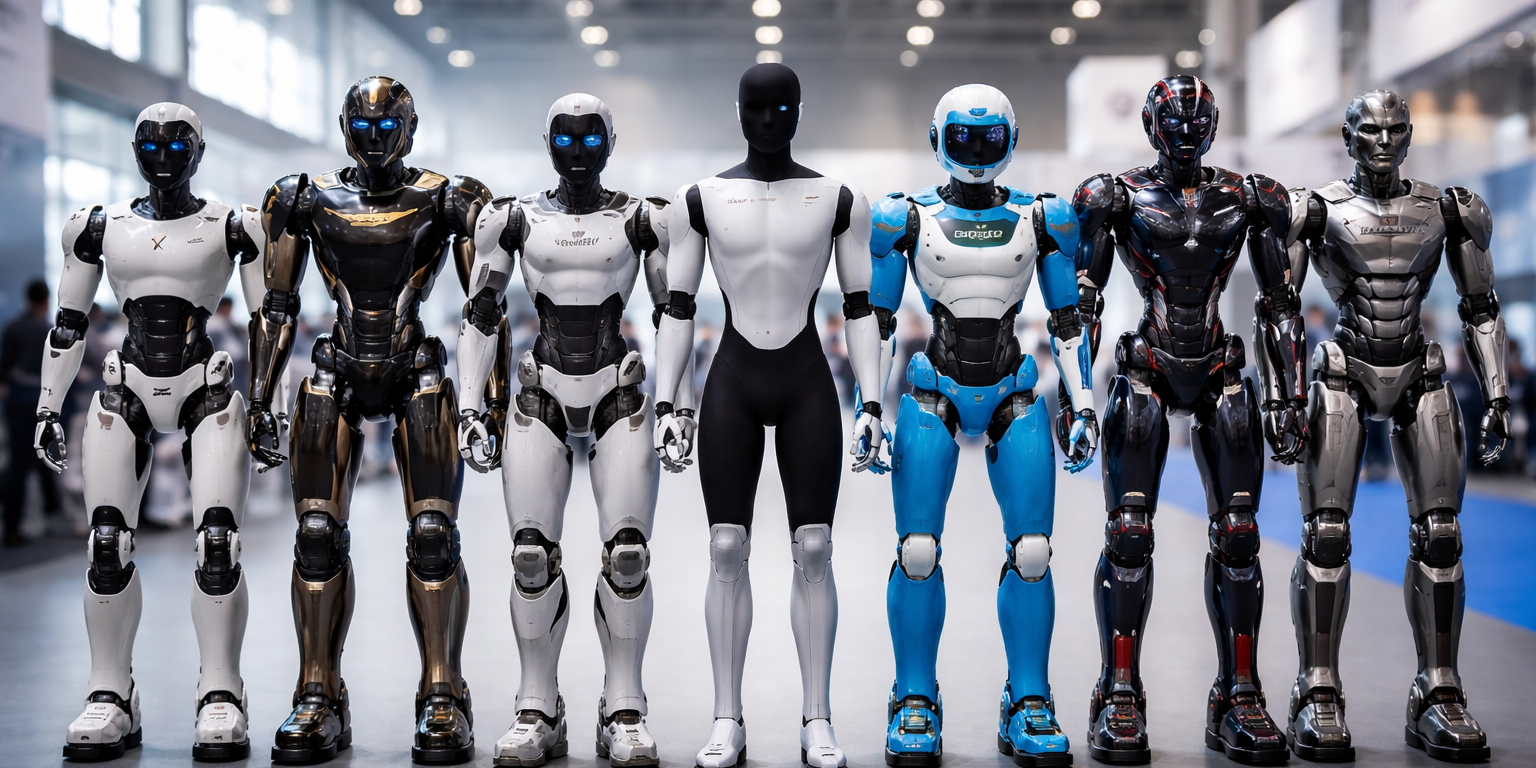

Figure AI ran its humanoid robots through a 72-hour package sorting operation last week, broadcasting the entire demonstration live as the machines processed 88,000 items. The throughput averaged 1,200 packages per hour across the three-day span, a rate that fell within range of what manual sorters achieve but lagged purpose-built systems from companies like Dematic and Beumer Group that routinely exceed 3,000 items per hour in high-volume distribution centers. Figure AI founder Brett Adcock said the continuous operation aimed to prove the robots could sustain warehouse work without human intervention, though multiple observers on social media noted moments when packages appeared mishandled or required repositioning. The company has not released data on error rates, a silence that matters considerably given that logistics contracts typically specify accuracy requirements above 99.9% and impose financial penalties when automated systems fall short.
The demonstration arrives as Figure AI seeks to justify the humanoid form factor in industrial settings where decades of specialized automation already deliver reliable results. Warehouses run fixed processes on predictable schedules, making them ideal candidates for conventional mechanization rather than generalized robots. Companies including Amazon, which operates more than 750,000 mobile robots across its fulfillment network, have invested billions in purpose-built systems optimized for specific tasks like transporting shelves or sorting packages by destination. These systems achieve their speed and accuracy through mechanical simplicity and software tuned to narrow functions. Figure AI's robots, by contrast, use electric motors and actuators to replicate human motion, adding mechanical complexity that increases maintenance needs and introduces more potential failure points. Adcock has argued that humanoid robots justify this complexity because they can work in existing facilities without requiring conveyor installations or building modifications, potentially reducing the capital barrier for smaller logistics operators who cannot afford the infrastructure overhauls that traditional automation demands.
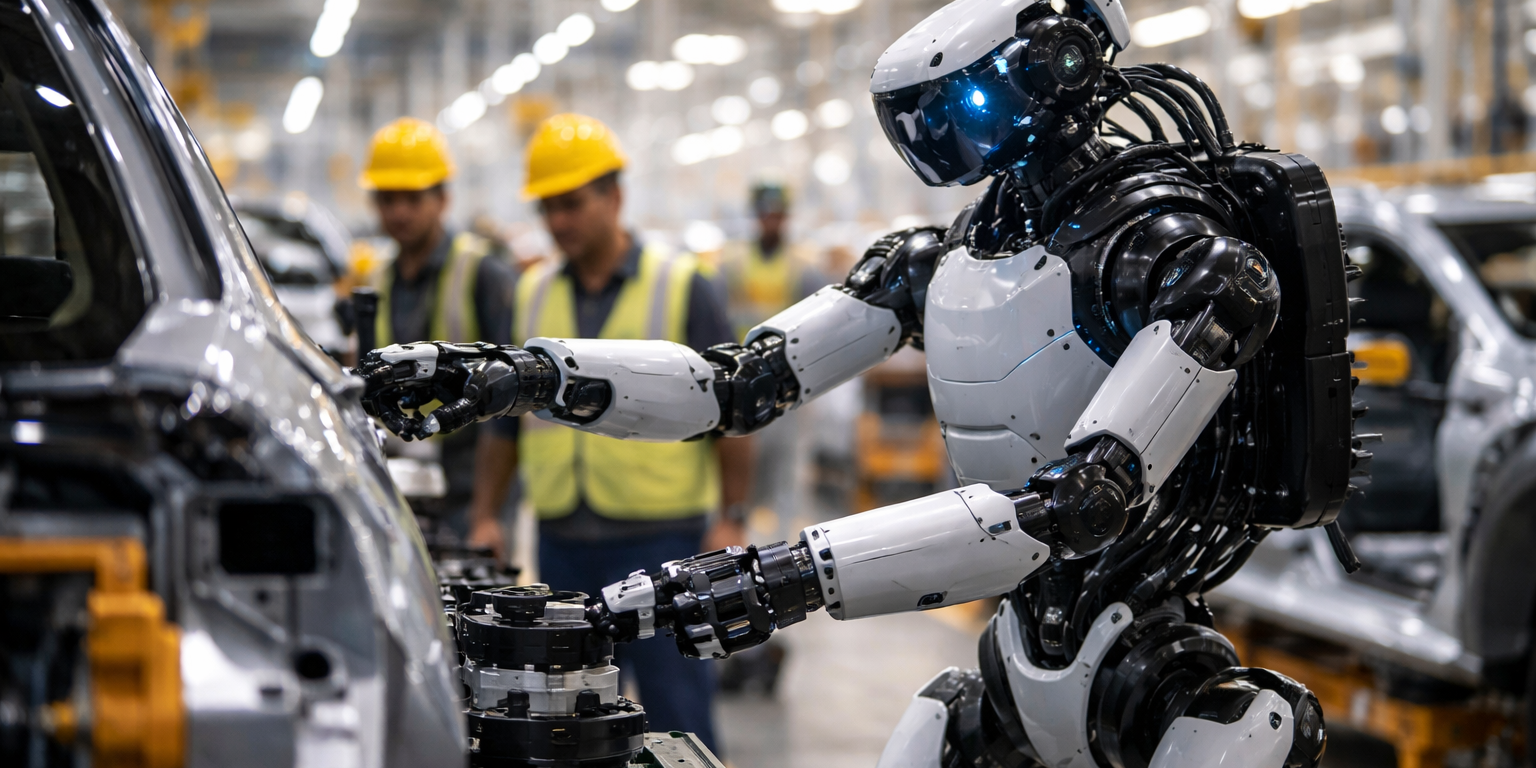
Figure AI raised $675 million in February 2024 at a valuation exceeding $2.6 billion, with backing from Microsoft, Nvidia, Amazon's Industrial Innovation Fund, and OpenAI. The company has deployed robots at BMW's manufacturing facility in South Carolina, where they perform parts insertion tasks on the assembly line. That automotive application differs significantly from package sorting because manufacturing tolerances allow more variation in cycle times and errors get caught through downstream quality checks before products reach customers. Package sorting permits no such buffer. A mis-sorted item either reaches the wrong destination, requiring expensive manual intervention to correct, or gets flagged by scanning systems and cycled back through the sort, reducing effective throughput. Industry veterans note that established players like Körber and Intelligrated spent years refining their systems to meet the accuracy and speed requirements that make automated sorting economically viable. Figure AI must demonstrate it can match those benchmarks while also proving that humanoid robots require less maintenance and deliver greater flexibility than the alternatives. The 72-hour demonstration provided volume data but left those critical questions unanswered.
The broader robotics industry has divided sharply over whether humanoids represent the future of commercial automation or an expensive detour. Tesla, Boston Dynamics, Agility Robotics, Apptronik, and Sanctuary AI have all committed to humanoid development, collectively raising billions on the premise that general-purpose robots will eventually handle diverse tasks more economically than specialized machines. Skeptics including Rodney Brooks, co-founder of iRobot and Rethink Robotics, have argued that the mechanical complexity and energy consumption of humanoids make them poorly suited for most industrial applications where purpose-built systems already excel. Brooks has pointed out that factories and warehouses can be redesigned around optimal automation rather than forcing robots to work in human-shaped spaces. The counterargument holds that retrofitting existing infrastructure costs less than building new facilities, particularly for operators running distributed networks of older buildings. Figure AI's demonstration addresses that debate by showing humanoid performance in a realistic sorting scenario, though without disclosure of error rates, energy consumption per package, or maintenance requirements during the 72-hour run. Those metrics will determine whether humanoids can compete on total cost of ownership, the calculation that drives purchasing decisions in logistics where margins run thin and capital equipment must justify itself through years of reliable operation.
What to Watch: Figure AI has not announced commercial deployments beyond BMW, so customer pilots in logistics facilities would signal genuine market traction. Watch for third-party performance audits or case studies that include error rates, maintenance intervals, and operating costs compared to incumbent systems. Agility Robotics has placed its Digit humanoid at Amazon facilities for testing, and data from that deployment will provide another benchmark for whether human-shaped robots can meet the accuracy and reliability standards that make warehouse automation economically defensible. Several logistics operators have indicated they will evaluate humanoids once vendors demonstrate 99.9% accuracy sustained across months rather than days.