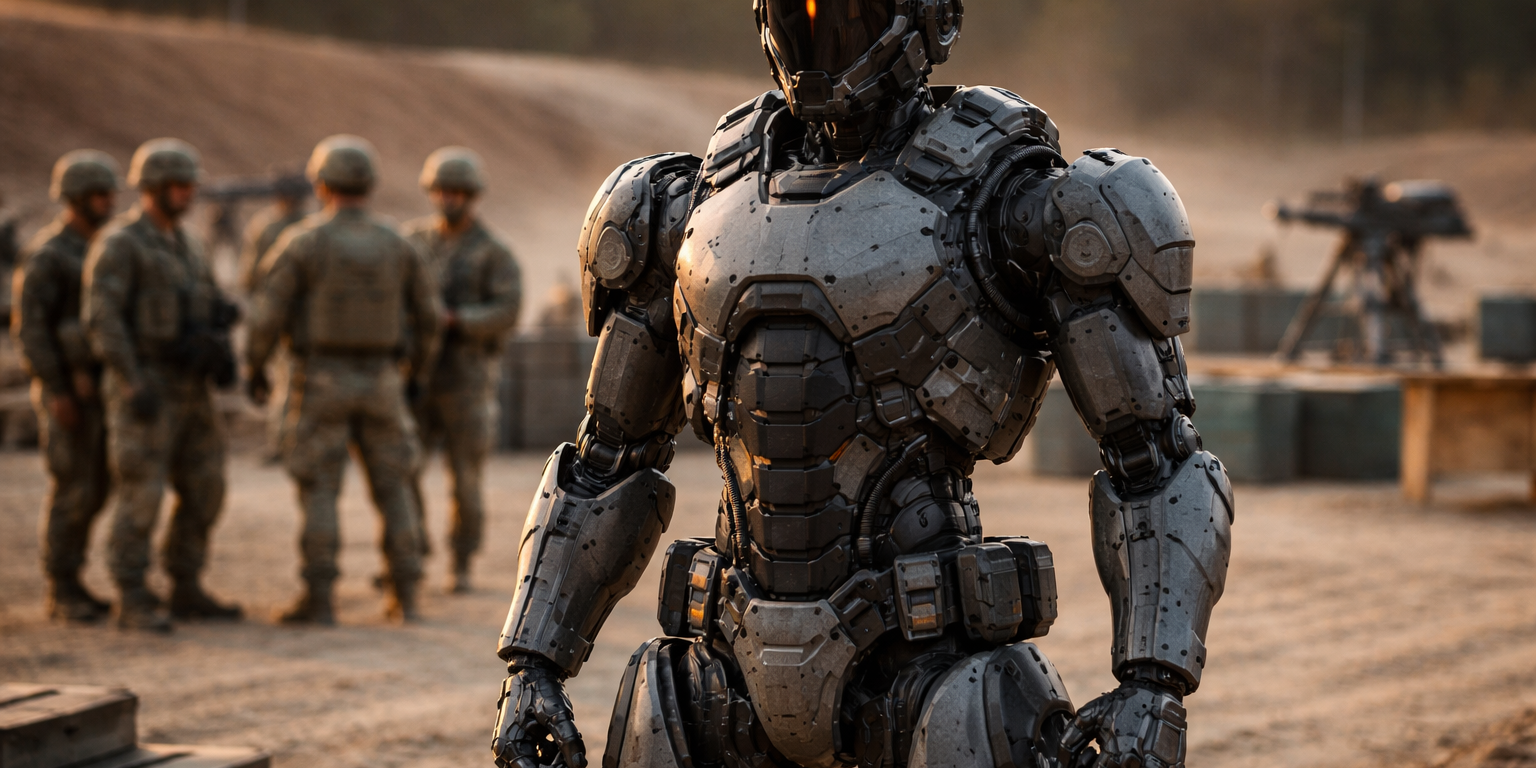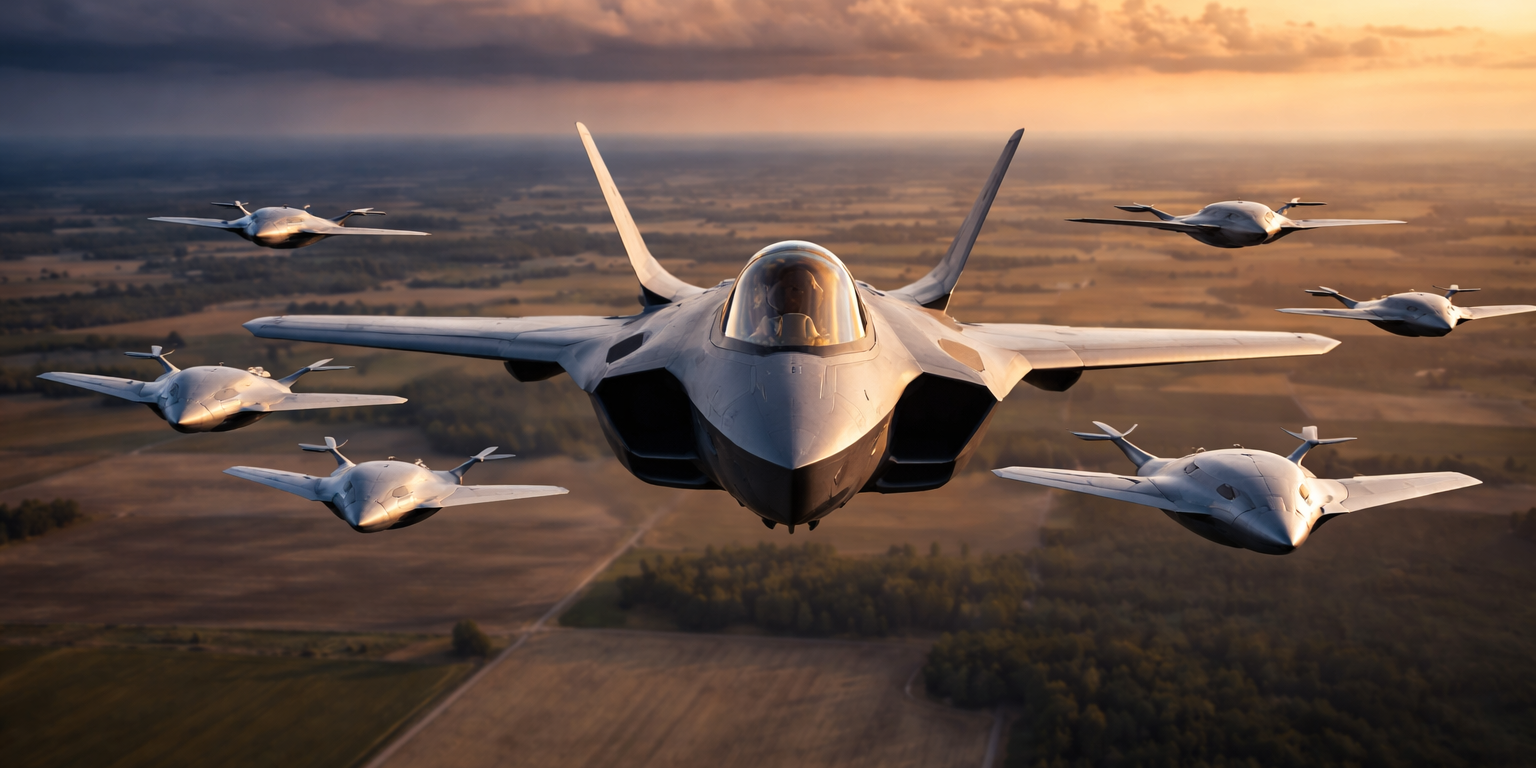

Shield AI and Destinus executed a full-mission autonomous strike demonstration using the Destinus Hornet interceptor at an undisclosed European test range this month, according to a June 15 announcement from both companies. The flight exercise integrated Shield AI's Hivemind autonomy stack with the Hornet platform, which Destinus markets specifically for counter-UAS missions against loitering munitions and drone swarms. The test represents the first time Hivemind has controlled a vehicle designed to operate at hypersonic speeds during interception profiles, though neither company disclosed the specific velocity achieved during the demonstration. The announcement arrives as European defense ministries face mounting pressure to field autonomous counter-drone systems following documented UAS attacks on critical infrastructure in Ukraine and renewed NATO focus on homeland defense capabilities.
Destinus, a Swiss-Spanish aerospace startup founded in 2021, has raised approximately $95 million to date and focuses on hypersonic flight technology with both defense and commercial applications. The Hornet interceptor emerged from that work as a purpose-built counter-UAS platform, though the company has released limited technical specifications publicly. Shield AI, headquartered in San Diego, has deployed its Hivemind software on multiple airframes including the V-BAT vertical-takeoff fixed-wing drone and the Nova 2 quadcopter used extensively by U.S. special operations forces. The company closed a $500 million Series F round in April 2024 at a $3.7 billion valuation, with participation from Riot Ventures, Disruptive, and existing backers. CEO Ryan Tseng, a former Navy SEAL, founded Shield AI in 2015 with the explicit goal of building AI pilot systems capable of operating in GPS-denied environments. That capability proved central to the Destinus collaboration, as interception missions against fast-moving drone swarms require real-time decision-making without reliance on external navigation or communication infrastructure.
The full-mission demonstration included autonomous target acquisition, collaborative strike planning between multiple Hornet units, and execution of intercept maneuvers without human intervention beyond initial mission parameters. Both companies emphasized the teaming aspect, suggesting the test involved more than one Hornet operating under Hivemind control simultaneously. Counter-drone interception differs substantially from traditional air-to-air combat because of the speed differential, the small radar cross-section of consumer and military drones, and the requirement to engage multiple targets in compressed timeframes. Loitering munitions, which circle above a target area before diving onto selected objectives, add another layer of complexity since they may orbit for hours before attacking, requiring persistent surveillance and rapid response. European defense forces have identified these threats as priority gaps, particularly after Russian forces deployed Iranian-made Shahed-136 loitering munitions against Ukrainian power infrastructure throughout 2024 and 2025. France, Germany, Poland, and the United Kingdom have all issued requests for information on autonomous counter-UAS systems in the past eighteen months.
The partnership positions both companies for European procurement opportunities but also reflects a broader shift in defense autonomy development. Traditional prime contractors including Raytheon, Lockheed Martin, and BAE Systems have historically developed proprietary autonomy solutions in-house, but integration timelines have stretched beyond customer tolerance in many cases. Smaller AI-native companies like Shield AI, Anduril, and Palantir have gained traction by offering modular software that integrates with existing or emerging platforms, reducing development risk for hardware manufacturers. Destinus benefits from this approach by acquiring proven autonomy without building it internally, while Shield AI expands its addressable market beyond the rotary and fixed-wing platforms it currently serves. The announcement did not specify whether Hivemind required hardware modifications to the Hornet or operated entirely as a software integration. It also did not address latency specifications, sensor fusion architectures, or the specific AI models underlying the decision-making, all of which represent competitive differentiators in the autonomy market. Neither company disclosed the customer or funding source for the demonstration, though European defense tests of this type typically involve direct or indirect support from national defense ministries.
What to Watch: European defense procurement announcements from France's DGA and Germany's BAAINBw over the next quarter will indicate whether this demonstration leads to funded programs of record. Shield AI's planned IPO, previously reported for late 2026, may reference the Destinus partnership as evidence of platform-agnostic software scalability. Destinus has a commercial hypersonic transport program running in parallel with defense work, and any technology transfer between those efforts will signal the company's long-term strategic direction. NATO's counter-UAS working group meets in Brussels in September and may reference collaborative autonomous intercept as a capability requirement for member states.