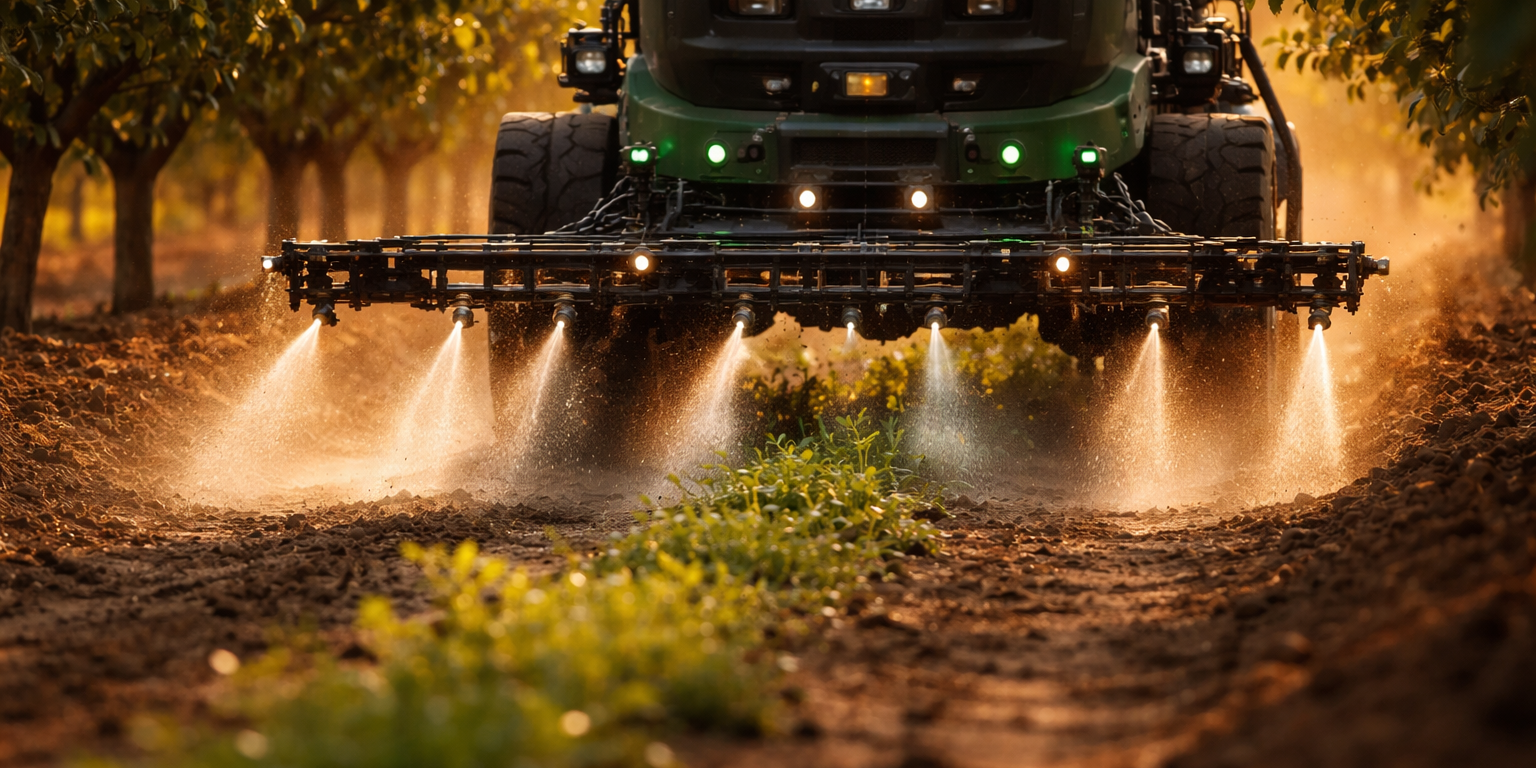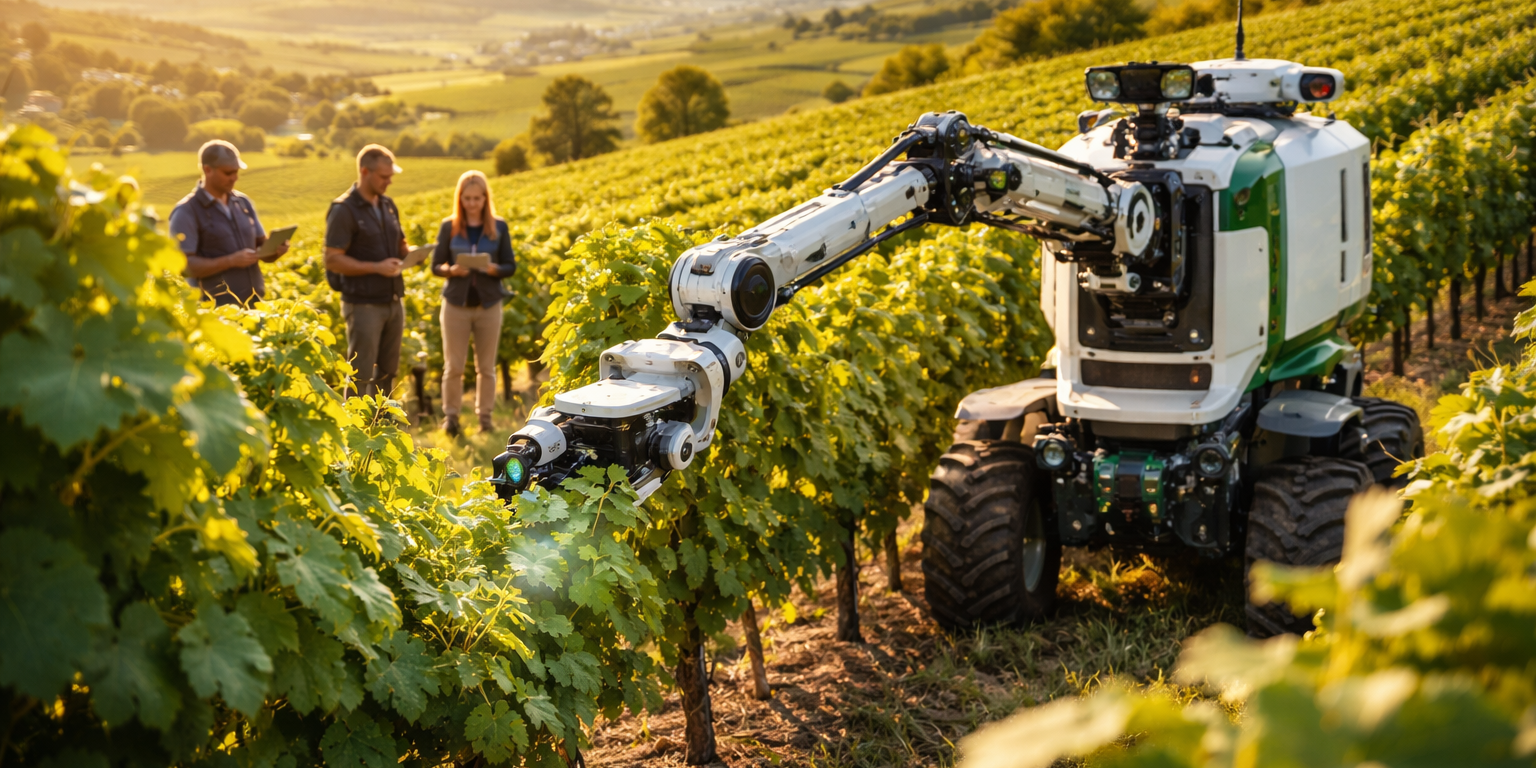
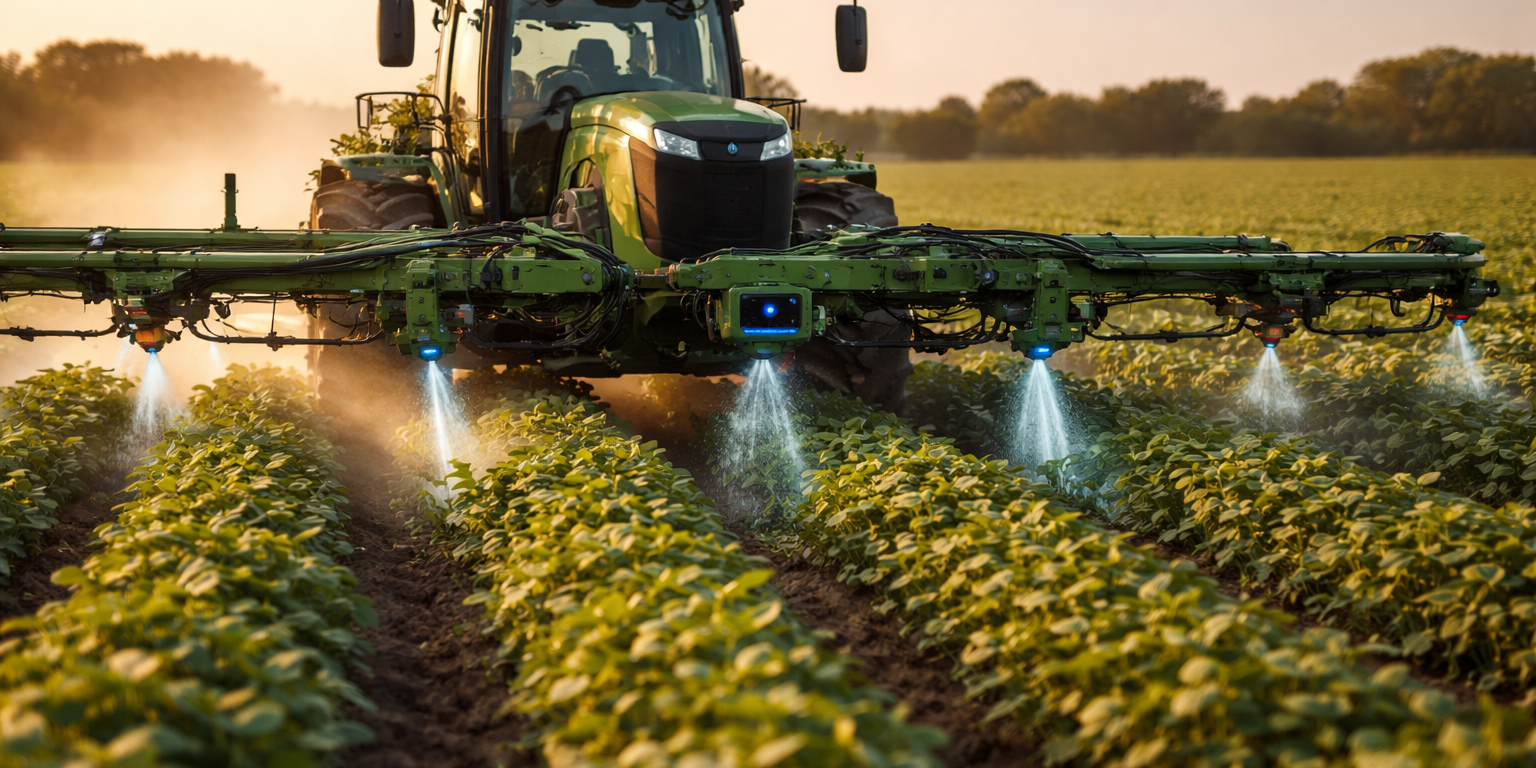
A tractor navigates itself across a soybean field in central Iowa while simultaneously identifying and treating individual weeds with herbicide accuracy measured in millimeters, no human in the cab. Sabanto and Verdant Robotics announced the technical integration of their respective platforms on June 30, creating what both companies describe as the first commercially available system that handles autonomous navigation and plant-level precision application as a single unit. The integration means growers can now deploy field equipment that operates without supervision while reducing chemical usage by targeting treatments to specific plants rather than broadcasting across entire acres.
Both companies have spent years developing their core technologies independently before this merger of capabilities. Sabanto, based in Ames, Iowa, has focused on retrofitting conventional tractors with autonomous navigation systems, allowing existing farm equipment to operate without drivers. Verdant Robotics, working from Hayward, California before establishing operations in Iowa, built its SharpShooter platform around computer vision and precision application hardware capable of identifying individual plants and delivering targeted treatments. The technical challenge in combining these systems involved synchronizing real-time navigation decisions with split-second application timing, since a tractor moving at field speed must apply treatments within a window measured in milliseconds as it passes each target plant. According to the companies, the integration required developing new protocols for how the navigation system communicates position data to the application system, ensuring that treatments land on intended targets even as the vehicle adjusts its path for terrain or obstacles.
The commercial implications center on two persistent problems in large-scale agriculture: labor availability and input costs. Farm equipment operators command wages that have risen substantially as rural labor pools shrink, while chemical inputs represent one of the largest variable costs in commodity crop production. A system that eliminates the operator while simultaneously reducing chemical usage by applying treatments only where needed addresses both constraints. Verdant has previously stated that its SharpShooter technology can reduce herbicide usage by up to 95 percent compared to broadcast spraying, though real-world results vary by crop type, weed pressure, and field conditions. The autonomous navigation component from Sabanto means those efficiency gains no longer require a human to monitor the equipment, a significant shift for operations covering thousands of acres where operator time represents a bottleneck in getting seasonal work completed within tight agronomic windows.
The integration arrives as several equipment manufacturers and agriculture technology firms pursue similar capabilities through different technical approaches. John Deere has invested heavily in machine learning systems for its own autonomous tractors and see-and-spray technology, while startups including Monarch Tractor and Bear Flag Robotics, now owned by Deere, have developed competing autonomous platforms. Carbon Robotics has built a laser-based weeding system that also operates autonomously. The Sabanto-Verdant integration distinguishes itself by combining two established systems rather than building integrated hardware from scratch, potentially accelerating deployment timelines since both companies already have commercial customers operating their individual platforms. Neither company disclosed how many integrated units they expect to deploy, what the combined system costs, or which specific customers have committed to field trials, though both indicated that commercial availability would begin in the latter half of 2026.
What to Watch: Monitor whether John Deere responds with pricing changes or bundle offers for its See & Spray system combined with autonomous operation features, likely announced before the October 2026 equipment dealer meetings. Track adoption metrics from Sabanto and Verdant through the remainder of the 2026 growing season, particularly in high-value crops like lettuce and cotton where precision application economics are most favorable. Watch for similar integration announcements from Carbon Robotics or CNH Industrial, both of which have autonomous and precision application technologies under development but not yet combined in a single commercial offering.