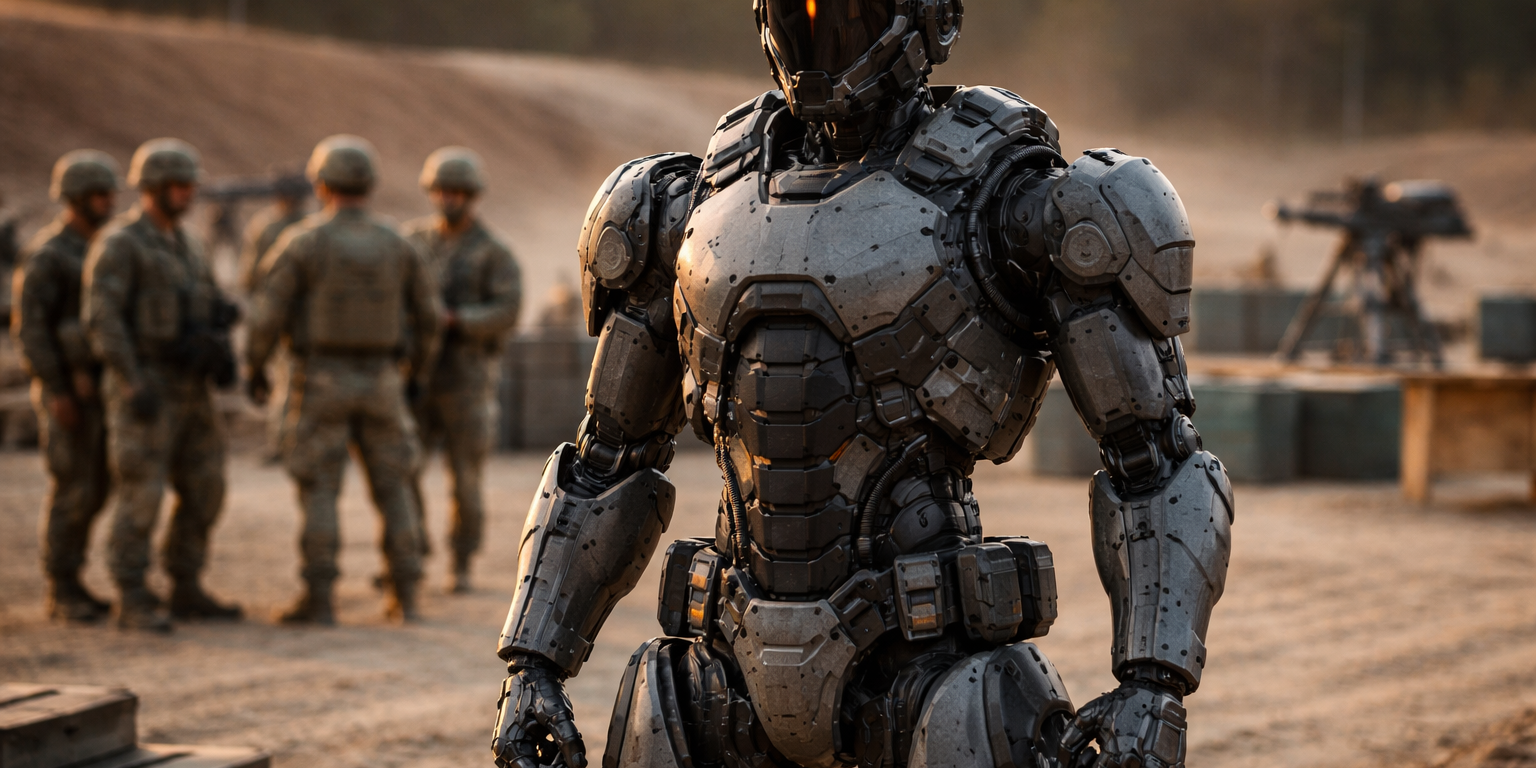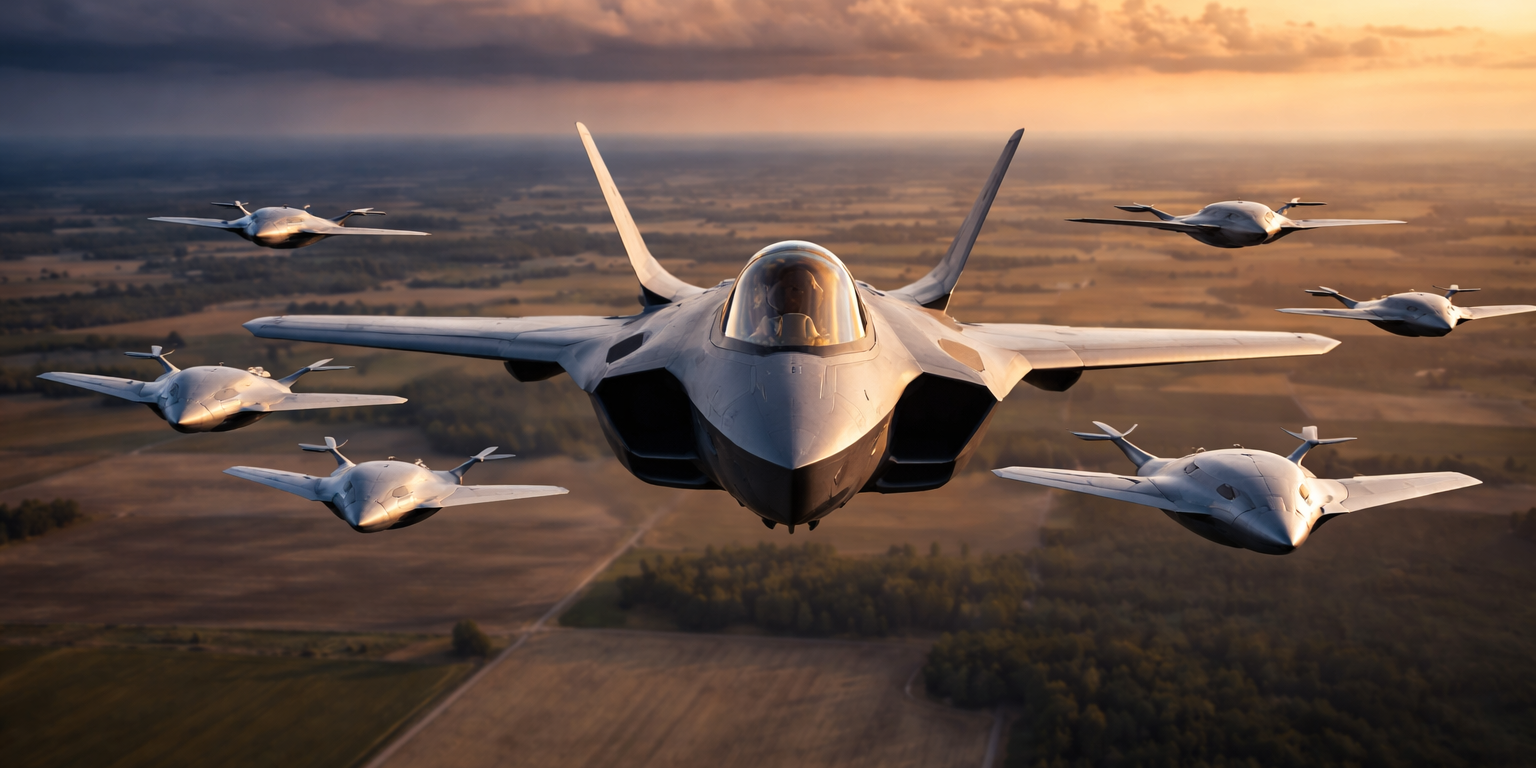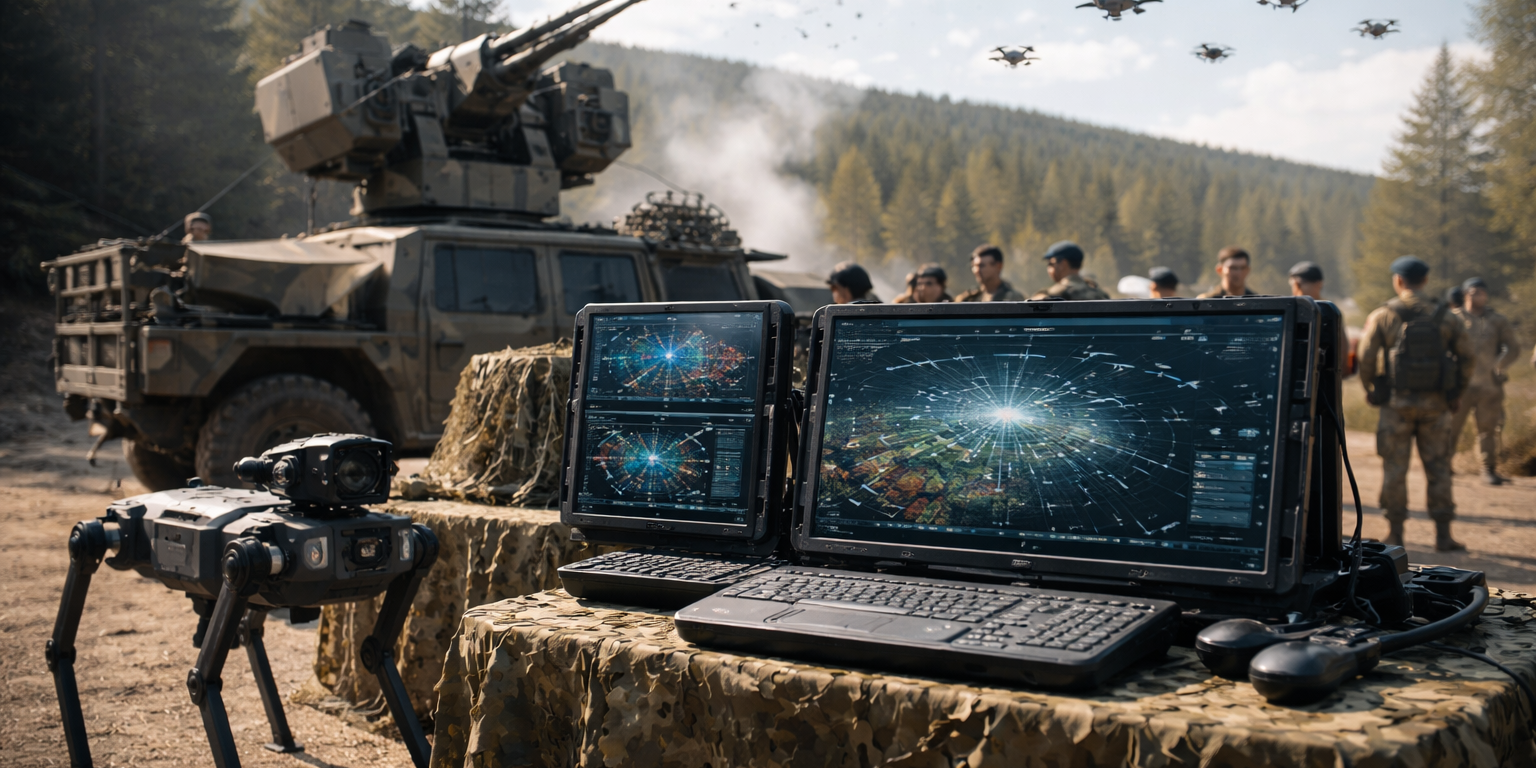
Rocket One Inc. entered the counter-drone market June 22 with Swarm Stage AI, a defense platform designed to detect, track, and neutralize autonomous drone swarms using coordination algorithms the company adapted from its space-based satellite control systems. The Nasdaq-listed company, which went public in late 2025 following its merger with a special purpose acquisition vehicle, positions the new offering as a bridge between proven orbital mechanics and the emerging threat landscape of coordinated aerial attacks. Military analysts have flagged autonomous swarm tactics as one of the fastest-evolving challenges in modern warfare, particularly after Ukrainian and Russian forces deployed rudimentary swarm formations throughout 2025. Rocket One believes its experience managing distributed autonomous systems in space translates directly to the counter-UAS problem.
The platform targets three distinct customer segments: military training environments where forces need to prepare for swarm encounters, critical infrastructure operators concerned about coordinated attacks on power grids or industrial facilities, and space security applications where satellite constellations face potential threats from orbital debris or hostile systems. That third category represents a natural extension of Rocket One's core business, where the company has developed proprietary algorithms for coordinating multiple spacecraft in formation flight scenarios. Swarm Stage AI essentially inverts that coordination logic, applying pattern recognition and predictive modeling to identify and disrupt the command structures that enable adversarial drones to operate as a unified system rather than individual aircraft. The technical foundation relies on machine learning models trained on thousands of simulated swarm scenarios, combined with real-world telemetry data from recent conflict zones where drone swarms have appeared.
Rocket One's trajectory reflects broader convergence between space technology and terrestrial defense applications. The company was founded in 2022 by former SpaceX engineers who recognized that the computational challenges of managing satellite mega-constellations closely resembled the problems inherent in coordinating large-scale autonomous drone operations. While competitors like DroneShield and Dedrone have focused primarily on detecting and jamming individual unmanned aerial systems, Swarm Stage AI attempts to address the coordination layer that transforms dozens or hundreds of individual drones into an effective tactical unit. The distinction matters because conventional counter-drone technologies often struggle when faced with distributed attacks where losing several aircraft doesn't degrade the swarm's overall effectiveness. Rocket One claims its approach can identify swarm command protocols in real time and either disrupt communications between drones or predict collective behavior patterns that allow defenders to position countermeasures more effectively.
The announcement comes as defense departments worldwide accelerate spending on counter-UAS capabilities. The U.S. Department of Defense allocated $627 million for counter-drone research and procurement in fiscal year 2026, up from $489 million the previous year. NATO members have similarly increased budgets following a series of incidents where small drone swarms penetrated military installations in Eastern Europe. Commercial applications also drive interest, particularly among operators of nuclear facilities, refineries, and large-scale data centers where even a brief disruption from a coordinated drone attack could produce catastrophic consequences. Rocket One has not disclosed pricing for Swarm Stage AI or named specific customers, though the company indicated it is currently in discussions with both government and commercial entities. The platform operates as a software layer that integrates with existing radar, radio frequency detection, and optical tracking systems rather than requiring entirely new hardware infrastructure, a design choice that could lower barriers to adoption among organizations that have already invested in first-generation counter-drone equipment.
What to Watch: Rocket One must demonstrate Swarm Stage AI's effectiveness against real-world adversarial swarms, not just simulations. Look for announcements of pilot programs with U.S. military installations or critical infrastructure operators in the third quarter of 2026. The company's ability to attract customers will depend heavily on third-party validation, so watch for independent testing results from organizations like the Joint Counter-UAS Office. Competitor responses will also signal market viability—if DroneShield or Anduril announce similar swarm-focused capabilities in coming months, that validates Rocket One's thesis but intensifies competition for early contracts.