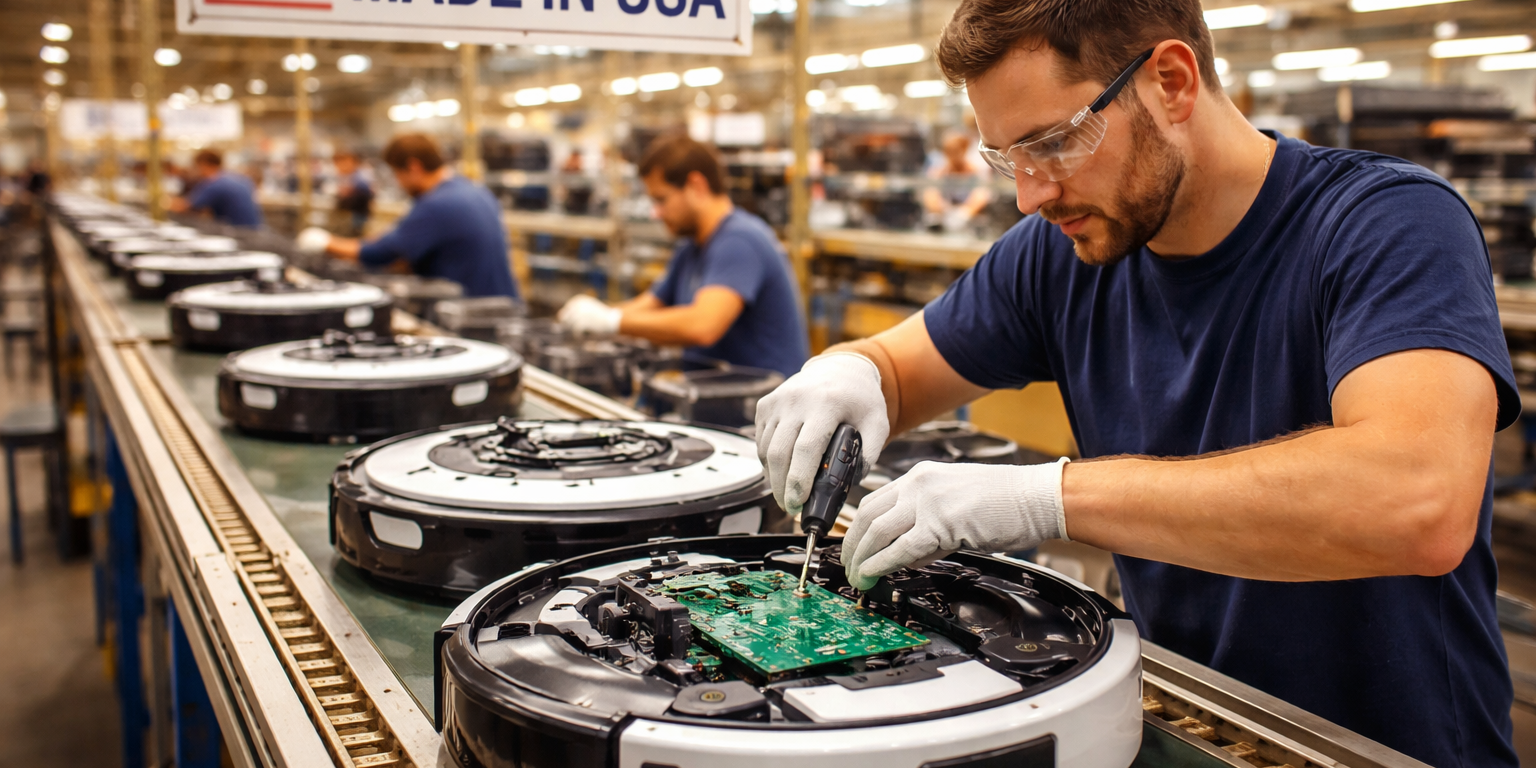
RoboStore has relocated its entire consumer robotics manufacturing operation to the United States, abandoning Chinese production partners that had supplied the company since its founding. The transition, completed over the past seven months, makes RoboStore the first significant consumer-focused robotics brand to achieve full domestic production following federal restrictions on Chinese robotics imports that took effect earlier this year. The company operates retail locations across eighteen states and had previously sourced vacuum robots, lawn maintenance units, and educational kits exclusively from Shenzhen-based contract manufacturers.
The shift carries immediate cost implications that RoboStore has so far absorbed rather than passed to consumers. Manufacturing expenses per unit have increased between thirty-two and forty-seven percent depending on product complexity, according to supplier estimates, though the company has not disclosed whether it plans retail price adjustments. RoboStore now contracts with three facilities: a former automotive parts plant in Michigan handling chassis fabrication, a Tennessee electronics assembly operation managing circuit board population, and a California integration center where final assembly and quality testing occur. The distributed model reflects the fragmented state of domestic robotics manufacturing infrastructure, which lacks the vertical integration common in Guangdong Province facilities.
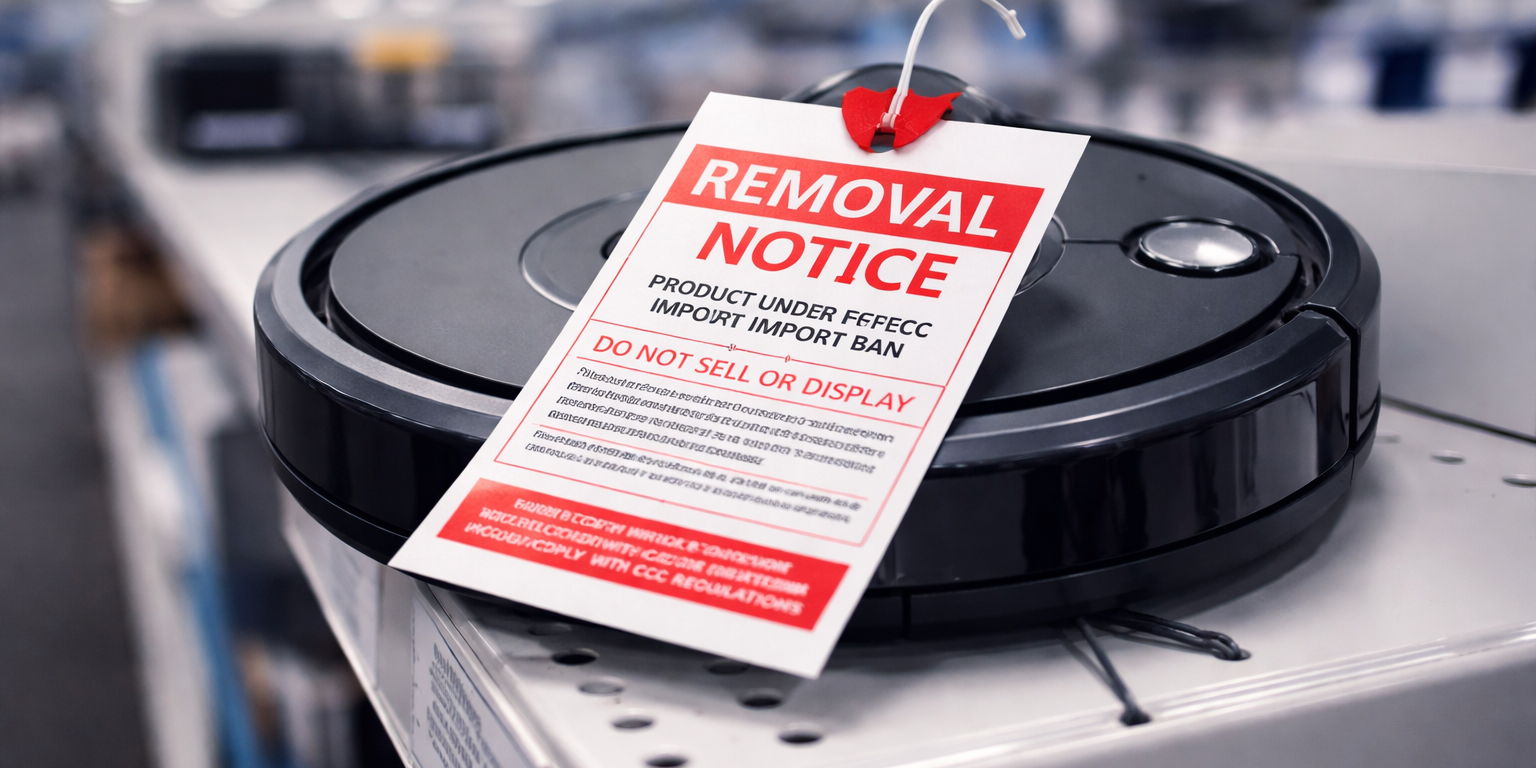
The regulatory environment that precipitated this change emerged from national security concerns about embedded electronics in consumer devices. Federal restrictions imposed in January targeted autonomous systems containing Chinese-manufactured motor controllers, vision processors, and wireless communication modules, effectively blocking import channels RoboStore had relied upon. Rather than redesign products around compliant Chinese components or seek exemptions through lengthy bureaucratic processes, the company chose complete geographic reorientation of its supply chain. That decision required securing new component suppliers, retraining assembly workers unfamiliar with robotics-specific tolerances, and establishing quality control protocols from scratch at facilities previously building non-robotic products.
The broader consumer robotics sector has responded to the same regulatory pressure with varied strategies, making RoboStore's approach notable but not universal. Several competitors have shifted final assembly to Mexico or Vietnam while maintaining Chinese component sourcing for non-restricted subsystems. Others have pursued hybrid models with Chinese partners establishing subsidiary operations in Southeast Asia to maintain existing supplier relationships under different jurisdictional frameworks. RoboStore's executives have framed full domestic production as both compliance strategy and competitive differentiation, betting that a segment of American consumers will pay premium prices for domestically manufactured robots even if the company eventually raises retail prices. Whether that bet proves correct will depend partly on how competitors' pricing evolves and partly on whether "Made in USA" labeling carries meaningful purchase influence in a product category historically driven by feature sets and price points rather than manufacturing origin.
What to Watch: Monitor whether RoboStore adjusts retail pricing in Q4 2026 as the holiday season approaches and the company faces margin pressure from elevated production costs. Track announcements from larger consumer robotics brands including iRobot and Ecovacs regarding their own manufacturing strategies, particularly any domestic facility investments that would validate RoboStore's approach. Watch for Department of Commerce guidance on component-level exemptions that might allow partial Chinese sourcing while maintaining import compliance, which could undermine the competitive advantage RoboStore seeks from full domestic production.