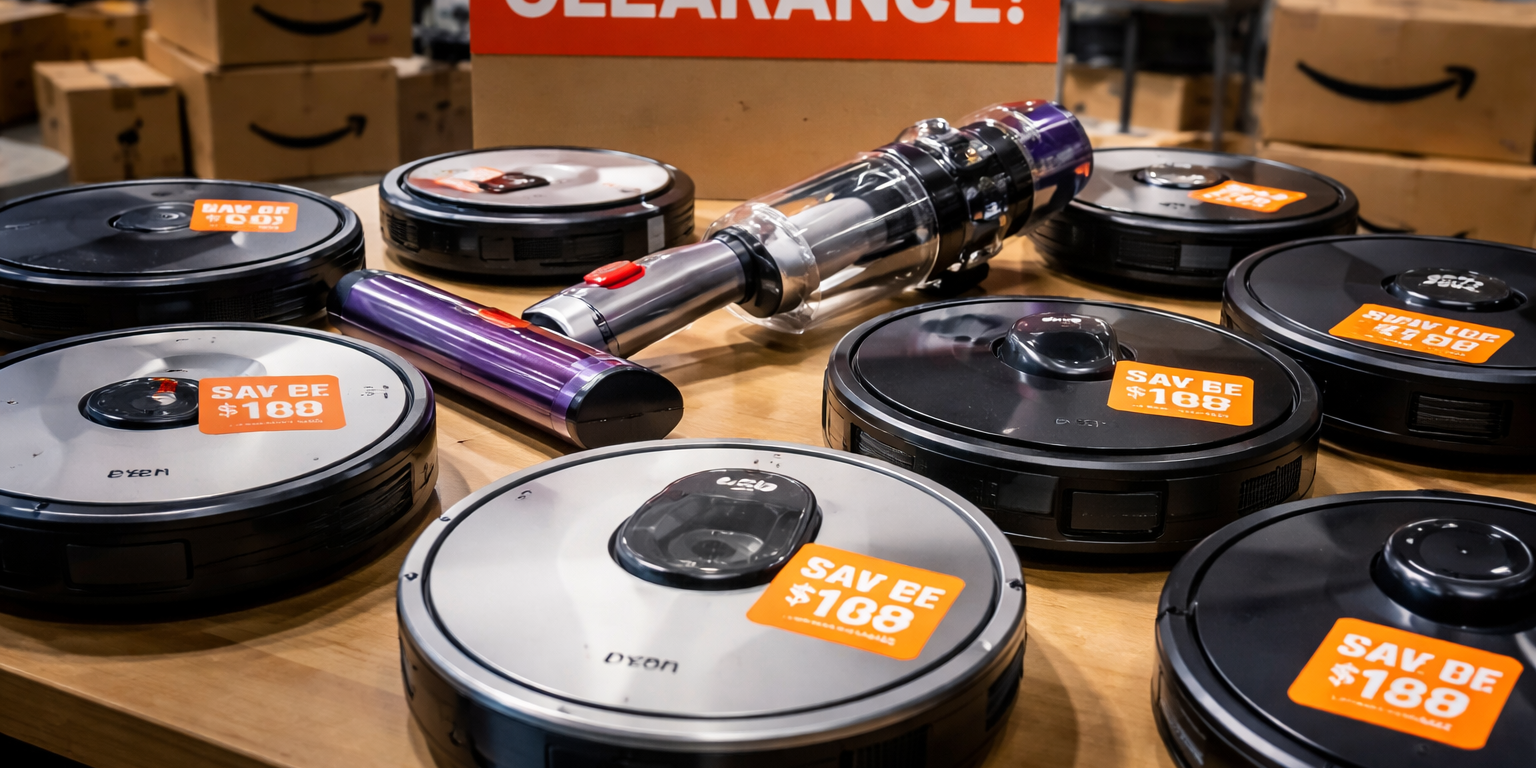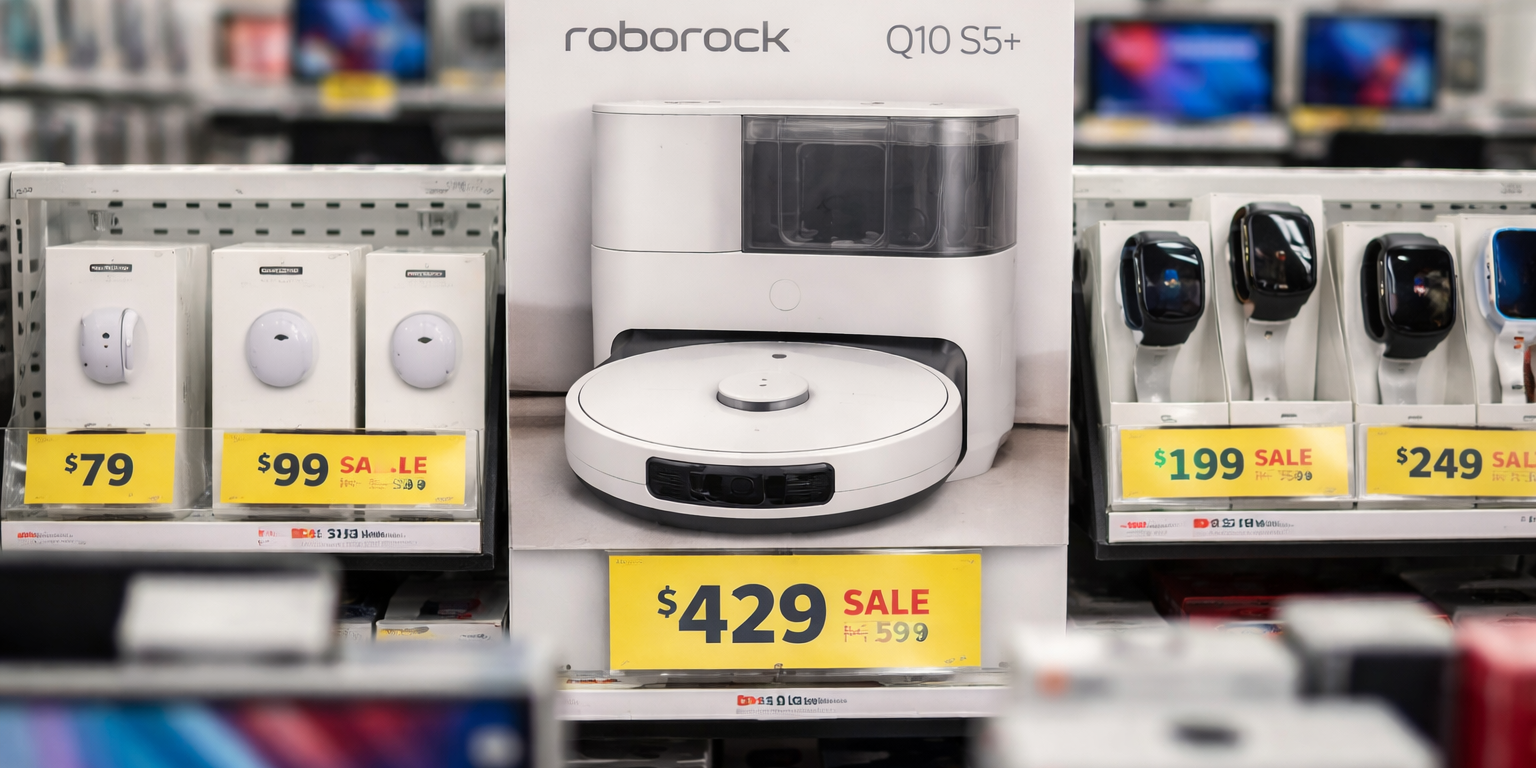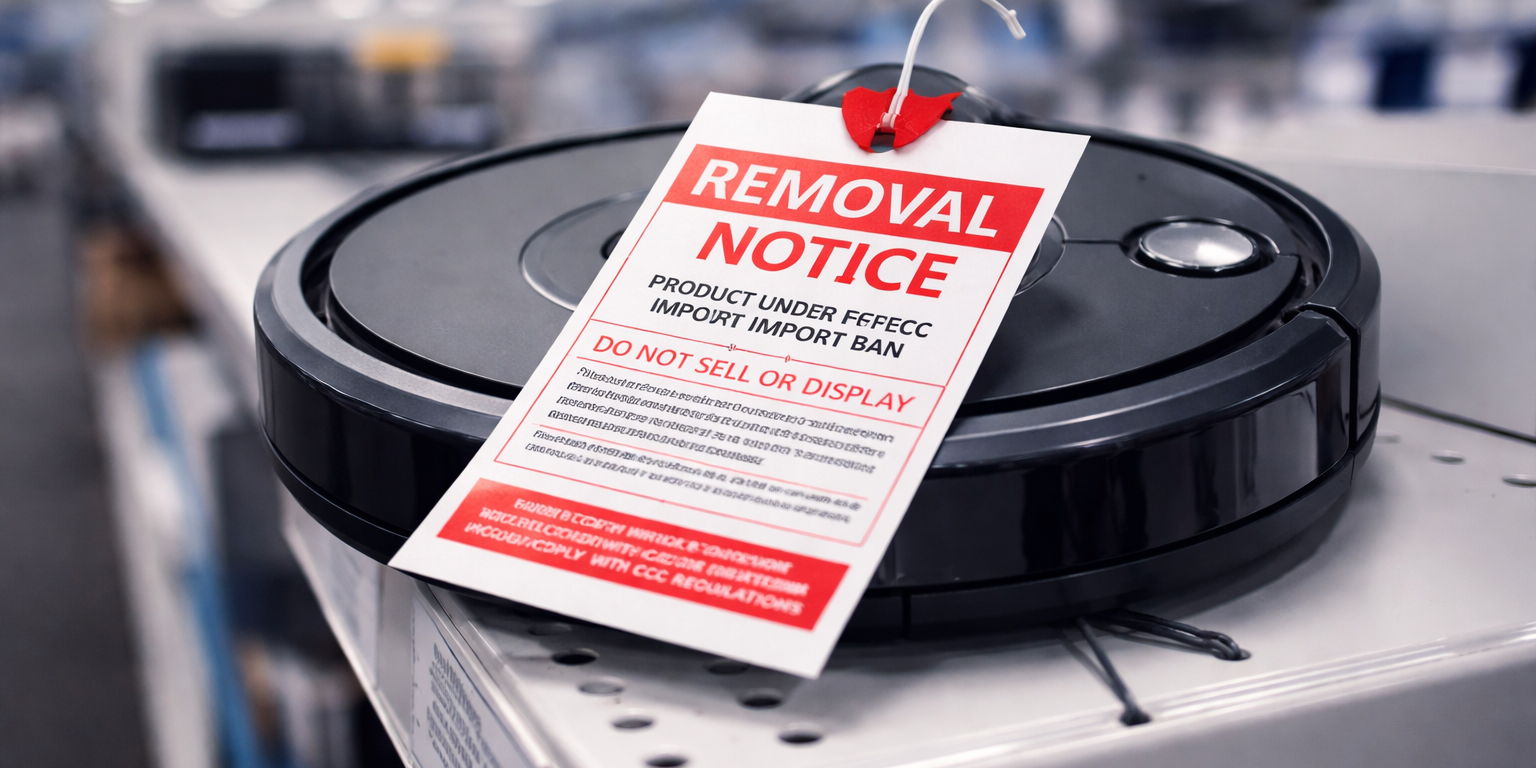
The Federal Communications Commission has classified autonomous vacuum cleaners as advanced robotics subject to foreign manufacturing restrictions enacted in late 2025, a determination that removes multiple product lines from American retailers and raises questions about long-term support for devices already deployed in millions of households. The agency's interpretation hinges on the presence of simultaneous localization and mapping systems, wireless communication protocols, and decision-making algorithms—technical features standard across mid-range and premium vacuum models for nearly a decade. Manufacturers including Roborock, Ecovacs, and Dreame Technology face immediate compliance requirements or market exit, while brands assembling units domestically or in approved nations continue operations without interruption. The regulatory action stems from national security considerations around networked devices capable of collecting environmental data, though the FCC has not disclosed specific threat assessments that prompted inclusion of home cleaning equipment in the same category as military-adjacent autonomous platforms.
Robot vacuums entered the regulatory crosshairs because their core technologies mirror those in industrial and defense robotics: lidar-based navigation creates detailed floor plans, onboard processors execute pathfinding algorithms, and cloud connectivity enables remote operation and firmware updates. The FCC ruling applies to any autonomous mobile platform manufactured in countries designated as elevated security risks—a list that includes China, where the vast majority of consumer robot vacuum production occurs. Companies like iRobot, which shifted Roomba manufacturing to Malaysia in 2024, remain unaffected. Shark, owned by SharkNinja, already produces its vacuum robots in Thailand and Vietnam. But Chinese manufacturers dominating the performance segment now confront a binary choice: establish qualifying production facilities outside restricted territories or forfeit the American market. Roborock, which captured 23 percent of U.S. premium vacuum sales in 2025 according to NPD Group, has not announced relocation plans. Ecovacs reported similar market share in the mid-tier segment. Both companies saw their stock prices decline 18 and 22 percent respectively in the week following the FCC's clarification that vacuums fell within scope.
Consumers who purchased affected models before the ban's effective date face no immediate penalties, but the regulatory environment creates uncertainty around software support, replacement parts, and warranty service. The FCC has stated that existing devices may continue operating, yet manufacturers headquartered in restricted countries may choose to discontinue cloud services rather than maintain infrastructure for a non-growing installed base. Roborock's S8 MaxV Ultra, which retailed for $1,599 and required app-based operation for scheduling and zone configuration, exemplifies the dependency chain now at risk. The vacuum's navigation relies on real-time data uploads to Chinese servers for processing, a architecture that raises questions about long-term viability if the company ceases U.S. operations entirely. Industry analysts note that companies could theoretically maintain support servers in compliant jurisdictions, but the business case weakens without new hardware sales to justify ongoing investment. Replacement parts represent another pressure point—brush rolls, filters, and batteries specific to discontinued models may become scarce as manufacturers prioritize product lines still generating revenue.
The vacuum sector represents a fraction of the FCC's broader autonomous robotics framework, which encompasses warehouse logistics units, agricultural machinery, and commercial cleaning platforms. The regulation's language defines restricted systems as those combining autonomous navigation, networked communication, and data collection—a description that captures everything from Amazon's Proteus warehouse robot to John Deere's autonomous tractors, provided foreign manufacture occurs in designated countries. The FCC has published exemption procedures allowing case-by-case review for manufacturers demonstrating hardware security measures, but the application process requires detailed technical disclosure and carries no guaranteed timeline. Legal challenges are underway from multiple trade organizations, with arguments centering on whether the agency exceeded its statutory authority by regulating physical goods rather than spectrum usage. The Consumer Technology Association filed suit in the D.C. Circuit Court in March 2026, claiming the rules constitute an unconstitutional prior restraint on commerce. A hearing is scheduled for October 2026, though preliminary injunctions have been denied, leaving the ban in effect pending final adjudication.
What to Watch: Roborock and Ecovacs are expected to clarify U.S. market strategies by September 2026, with potential announcements regarding Mexican or Southeast Asian manufacturing partnerships. The D.C. Circuit Court hearing on October 15, 2026, will determine whether the FCC's regulatory interpretation survives constitutional challenge, potentially invalidating the vacuum classifications. Monitor whether iRobot and SharkNinja adjust pricing strategies to capitalize on reduced competition in the premium segment, particularly for models above $800 retail. Several Chinese manufacturers have quietly begun discussions with contract manufacturers in approved jurisdictions, though no production commitments have been publicly disclosed.