A regional airline banned humanoid robots from its passenger cabins after travelers swarmed a robot mid-flight, creating enough disruption to prompt an immediate policy response. The carrier has not identified itself publicly, nor has it released specifics about how the robot was ticketed, whether it occupied a seat, or what threshold of passenger behavior triggered the prohibition. Sources familiar with the incident describe the reaction as curiosity-driven rather than fear-based, with passengers leaving their seats to photograph and interact with the machine. That curiosity, however, conflicted with standard cabin protocols about remaining seated during flight phases, forcing crew intervention. The airline now treats humanoid robots as prohibited items, though the policy's legal standing remains untested and its enforcement mechanisms unclear.
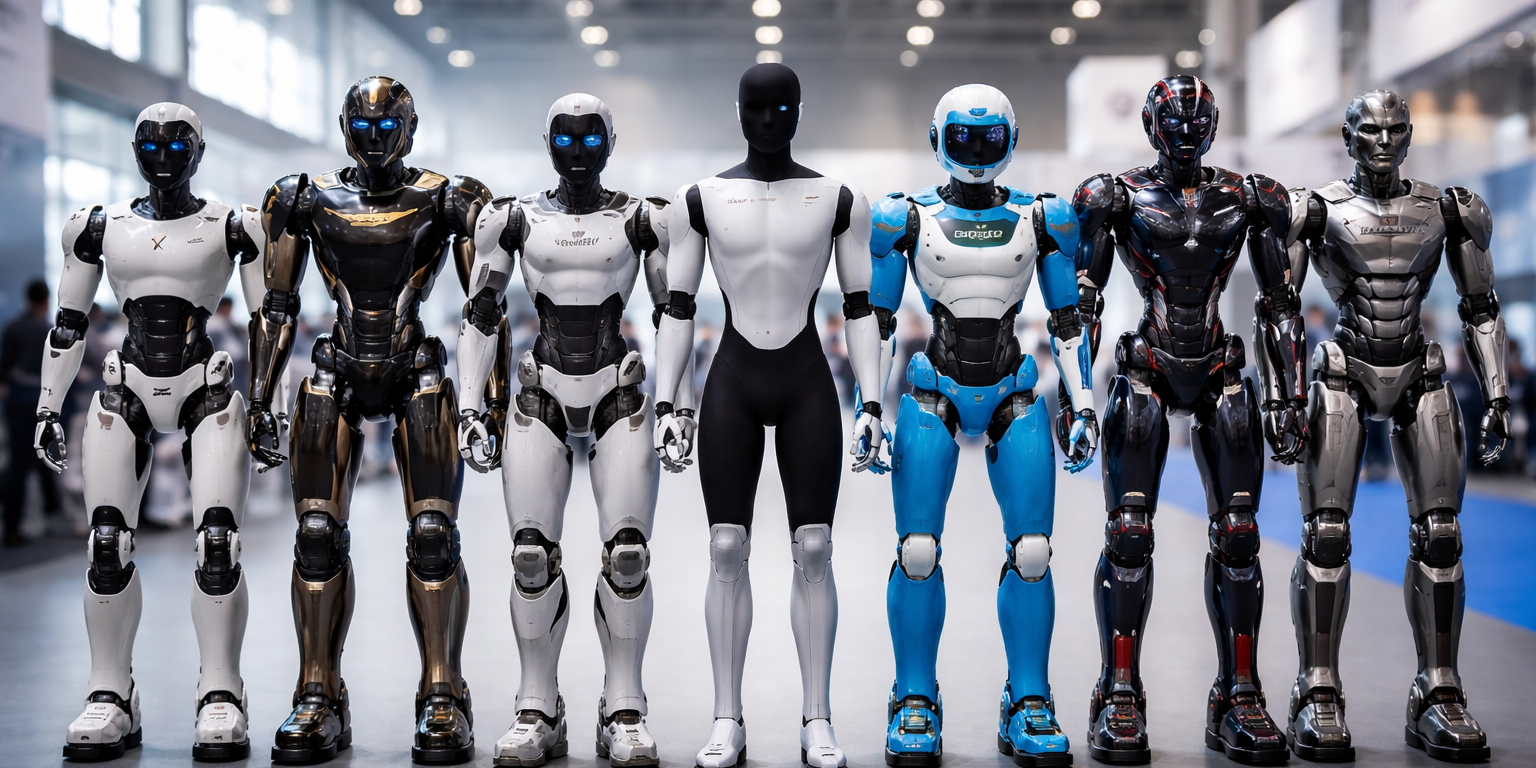
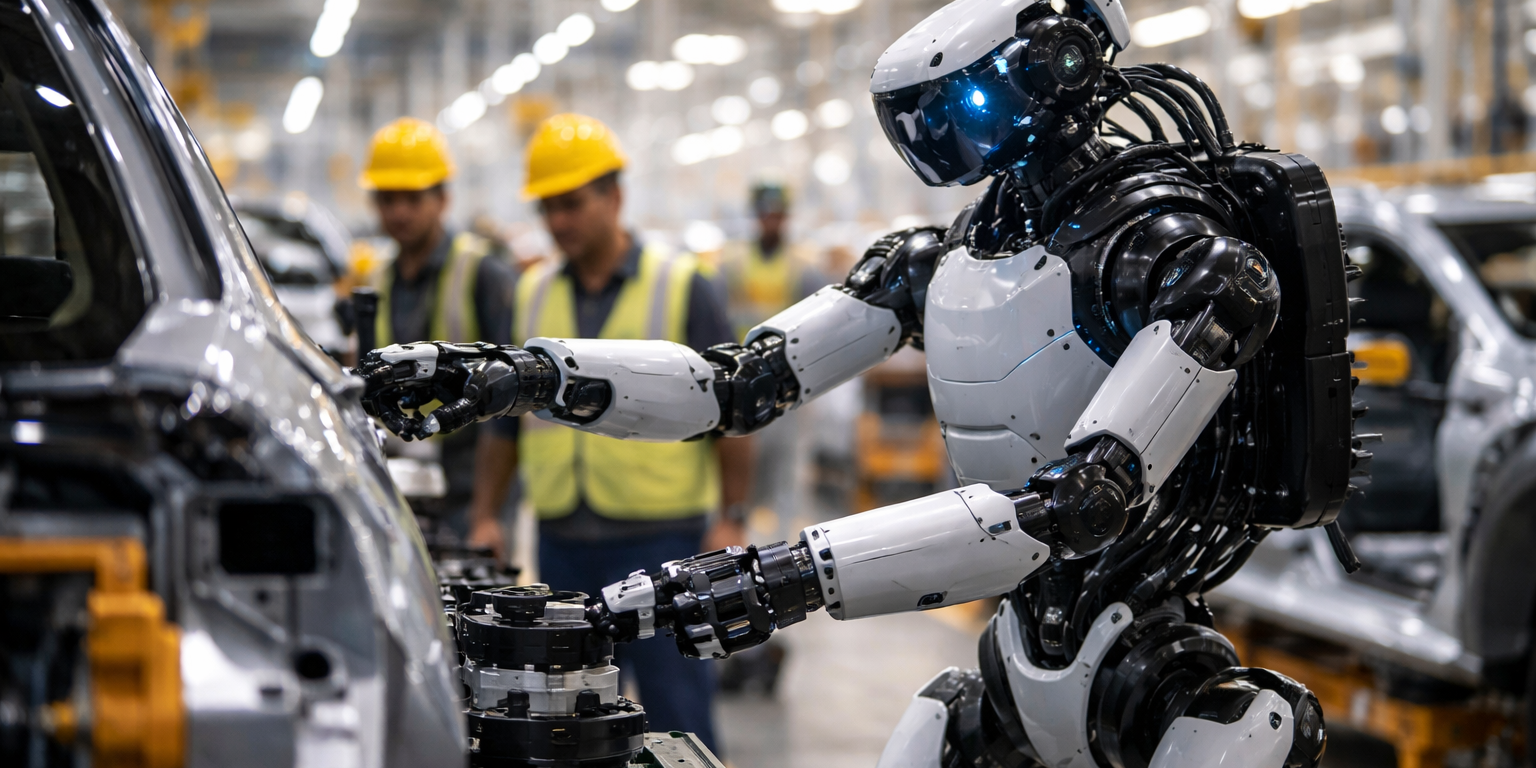
The ban arrives as commercial humanoid development accelerates past laboratory confines into public infrastructure. Figure deploys its Figure 02 humanoid at BMW's Spartanburg facility, where it handles parts insertion tasks alongside human workers. Tesla's Optimus robot, demonstrated in prototype form through 2024, targets factory automation and domestic assistance roles Elon Musk projects will reach volume production by 2026. Agility Robotics ships its Digit humanoid to logistics customers including Amazon, which tested the bipedal machine for tote handling at a fulfillment center south of Seattle. These systems share morphology designed for environments built around human dimensions—doorways, stairs, aisles—but their operational parameters assume controlled industrial or residential settings, not the confined, safety-critical space of a commercial aircraft cabin at 35,000 feet.
Aviation regulations contain no category for autonomous bipedal machines traveling as passenger companions. The Federal Aviation Administration's hazardous materials guidelines address lithium batteries, but humanoid robots fall into regulatory gray space between personal electronics, mobility aids, and cargo. An airline could classify a humanoid as assistive technology under Air Carrier Access Act provisions, as carry-on baggage subject to size and weight limits, or as a item requiring special handling akin to musical instruments or sporting equipment. Each classification carries different liability implications. If a humanoid qualifies as assistive technology, carriers face restrictions on refusing transport. If classified as standard luggage, weight and dimension rules apply, but most humanoids exceed overhead bin capacity. The robot involved in the incident apparently traveled in-cabin rather than cargo hold, suggesting someone secured passenger-adjacent accommodation through unclear means—possibly purchasing a seat, possibly claiming medical necessity, possibly negotiating case-by-case approval.
The airline's response—outright prohibition rather than refined guidelines—reflects institutional risk aversion when facing novel scenarios without regulatory precedent. Airlines operate under strict liability frameworks where passenger safety incidents generate immediate FAA scrutiny, potential fines, and litigation exposure. A humanoid robot represents multiple hazard vectors: battery fire risk from high-capacity cells, physical injury potential from actuators engaging unexpectedly, and the demonstrated behavioral disruption to other passengers. Yet the same concerns theoretically apply to laptop computers, powered wheelchairs, and service animals, all accommodated through specific protocols. The difference lies in familiarity. Gate agents understand wheelchair batteries and animal behavior through established training. They lack frameworks for evaluating a bipedal robot's safety systems, emergency shutdown procedures, or appropriate restraint during turbulence. Rather than develop those frameworks, this carrier eliminated the variable entirely.
Industry-wide policy fragmentation poses problems for robotics manufacturers planning commercial deployments. If individual airlines implement contradictory humanoid policies—some permitting cabin travel, others requiring cargo hold transport, others banning robots entirely—companies moving robots between facilities face logistical complexity that hampers operational scaling. Agility Robotics ships Digit units to customer sites currently using freight transport, but envisions scenarios where robots travel with human technicians to deployment locations. Figure's roadmap includes robots moving between work sites as autonomous agents rather than passive cargo. Tesla's vision for Optimus assumes mobility across contexts, potentially including commercial transport. These use cases require regulatory clarity that balances safety imperatives against innovation flexibility. The International Air Transport Association develops industry guidance, but actual enforcement remains carrier-by-carrier until federal regulators issue binding standards.
What to Watch: Monitor whether the Federal Aviation Administration issues advisory guidance on humanoid robot transport within the next quarter, particularly classification standards distinguishing assistive technology from commercial robotics. Track whether major carriers—American, Delta, United—proactively publish humanoid policies before facing their own incidents, and whether IATA convenes a working group on autonomous system transport. Watch for robotics manufacturers engaging directly with DOT and FAA officials to shape frameworks before restrictive precedents solidify across the industry.