The physical AI market will grow to $430 billion by 2030, according to a recent industry forecast that identifies nine distinct vertical sectors poised for expansion. Industrial automation and autonomous vehicles lead the pack, but the analysis singles out smart infrastructure, healthcare robotics, agricultural technology, defense systems, space applications, consumer robotics, and general-purpose robots as equally significant contributors. The projection comes as capital flows into embodied AI accelerate and companies race to move beyond simulation into real-world deployment.
Fleet-scale orchestration and safety certification emerge as twin pillars supporting this growth trajectory. The former addresses a persistent challenge in physical AI: coordinating hundreds or thousands of autonomous systems in dynamic environments. Warehouse operators running mixed fleets of mobile robots, logistics companies managing self-driving trucks across state lines, and manufacturers deploying collaborative robots on production lines all require software layers that go beyond single-unit control. Safety certification represents the regulatory bottleneck. Autonomous systems operating in public spaces, hospitals, or alongside human workers must meet standards that vary by jurisdiction and application. Companies that solve certification at scale gain decisive advantages. The market forecast assumes certification frameworks will mature significantly between now and 2030, particularly in North America, Europe, and select Asian markets.
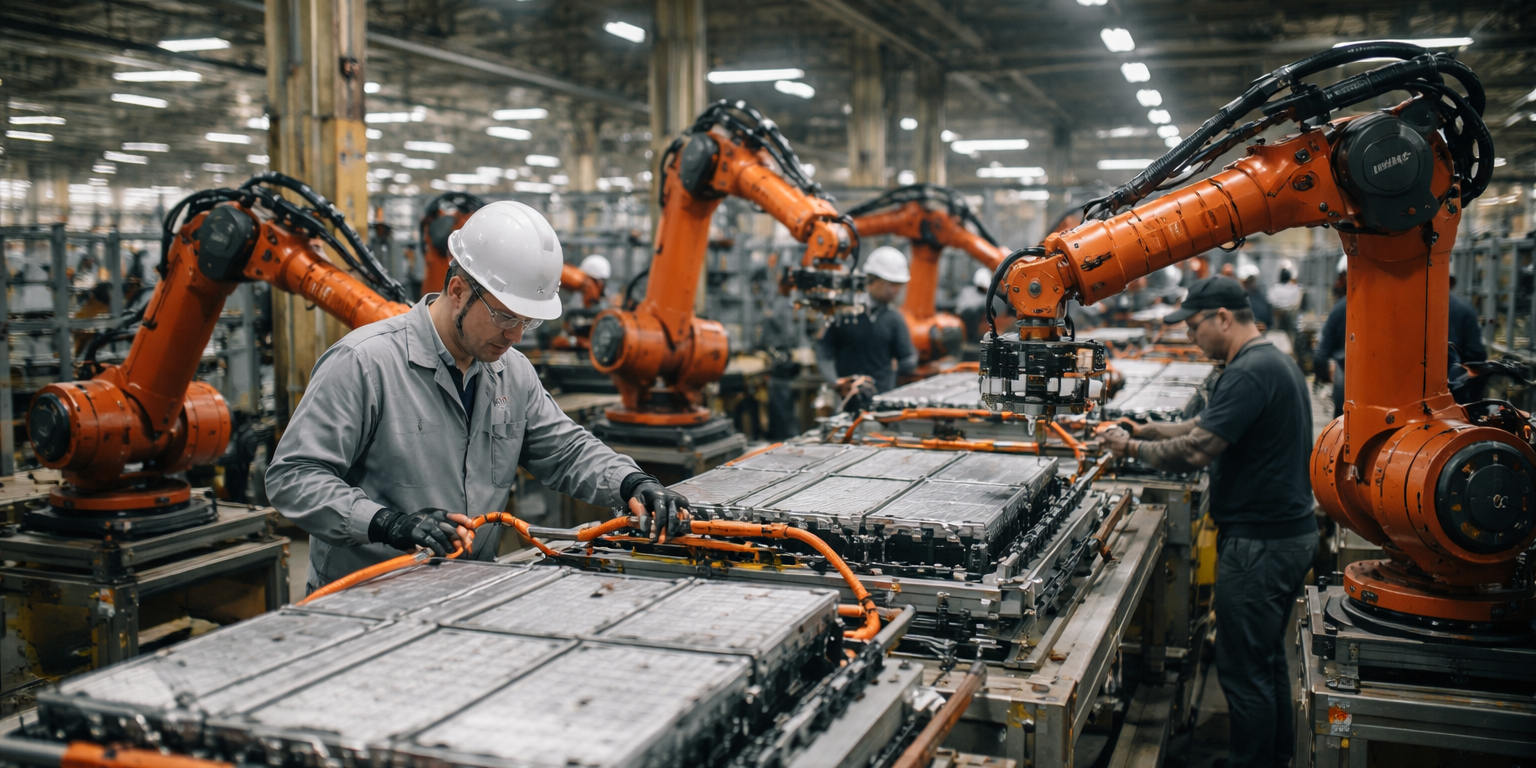
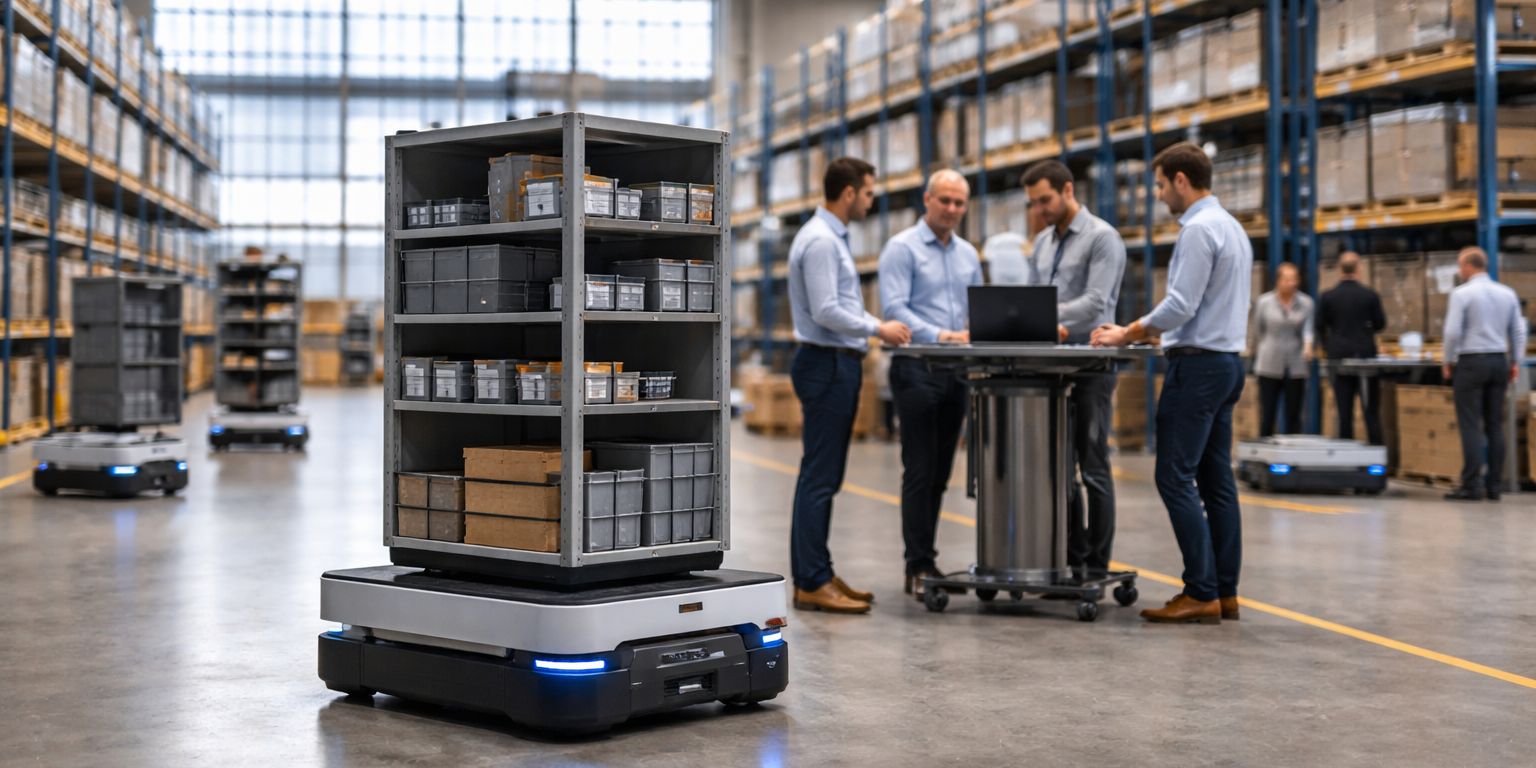
Industrial automation commands the largest near-term share, building on decades of investment in factory robotics and the installed base of programmable logic controllers. Physical AI layers add perception, adaptive motion planning, and multi-robot coordination to existing infrastructure. Automotive manufacturers have begun deploying vision-equipped robots that adjust to part variations without reprogramming. Electronics assembly lines use force-sensing manipulators that handle fragile components with human-like dexterity. Distribution centers operate mobile robots that navigate around human workers and dynamically reroute based on real-time demand. These applications generate immediate return on investment, driving adoption among companies that measure payback in quarters, not years. Autonomous vehicles represent a larger long-term opportunity but face longer development cycles and higher regulatory hurdles. The forecast assumes commercial trucking, last-mile delivery, and mining applications will scale before consumer robotaxis reach mass deployment.
Healthcare and agricultural technology occupy distinct positions in the adoption curve. Healthcare robotics benefit from high willingness to pay and clearly defined use cases surgical assistance, rehabilitation, eldercare but navigate strict regulatory pathways. Agricultural robots operate in less constrained environments and address acute labor shortages, particularly in specialty crop harvesting and precision spraying. Defense and space applications involve smaller unit volumes but higher per-system values and government procurement cycles that extend across multiple budget years. Consumer robotics remains the wild card. Household robots priced below $5,000 could unlock massive unit volumes if they deliver reliable utility beyond novelty. The market forecast likely assumes moderate consumer adoption, given the sector's historical pattern of overpromising and underdelivering. Smart infrastructure encompasses traffic management, energy grid optimization, and building systems, none of which generate headlines but all of which involve deploying sensors and actuators at urban scale. The business models here lean toward software-as-a-service rather than hardware sales, with municipalities and utilities paying for uptime and performance.
What to Watch: Track certification announcements from UL, TÜV, and BSI for autonomous mobile robots operating in human spaces, expected throughout the second half of 2026. Monitor capital deployment by industrial automation incumbents Fanuc, ABB, KUKA into AI-native startups or internal development teams. Watch for fleet management software consolidation as logistics operators demand single platforms to manage mixed autonomous vehicle types. Finally, observe agricultural robotics field trial results from major growers in California, Australia, and the Netherlands, which will inform 2027 purchasing decisions.