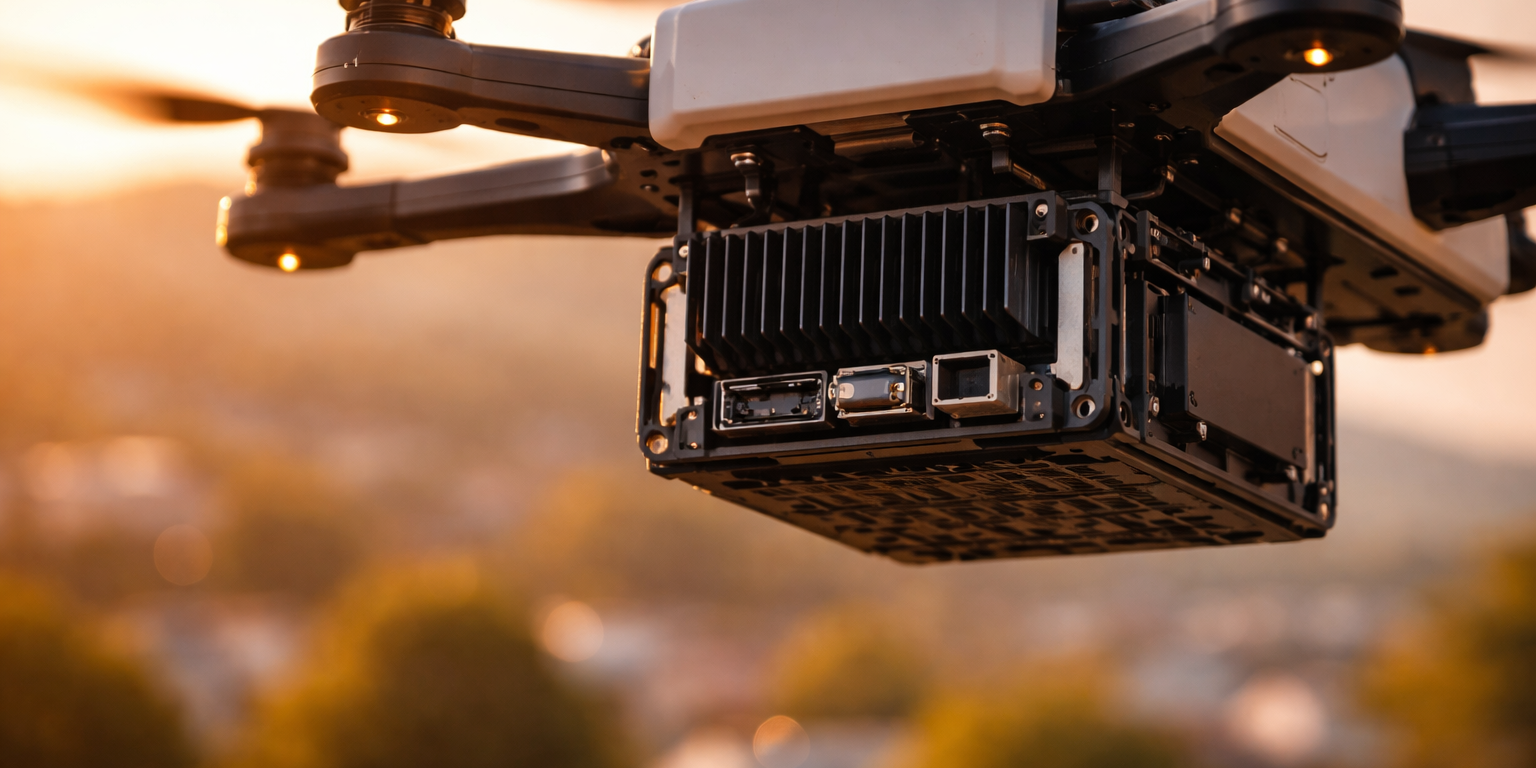
One hundred and fifty robots is not a large number by the standards of warehouse automation, where single operators run fleets in the tens of thousands. In construction, it is a bold bet. Origin, a deeptech startup, has raised $20 million from Accel and Zacua to deploy that many autonomous machines across the US and Europe by 2027, according to reporting from Livemint. The machines will not be sold outright. Contractors will rent them on a subscription, and Origin claims the arrangement can cut project costs by as much as 20%. For an industry where margins routinely run in the low single digits, that figure is either a very good pitch or a very large claim. Probably both.
The timing explains the appetite. Western construction is short of people in a way that no wage increase has fixed. In the US, the industry has struggled for years to fill skilled trades roles as an older workforce retires faster than younger workers arrive, and European contractors report the same pattern across Germany, the UK, and the Nordics. Projects slip, bids come in higher, and subcontractors price in the risk. That is the gap Origin is targeting. Rather than trying to replace a whole crew, autonomous robots can absorb the repetitive, physically punishing tasks that are hardest to staff, leaving scarce skilled workers for judgment-heavy work. Investors have noticed. Accel's participation signals that top-tier venture money now sees construction as a serious robotics market, not a novelty one.
The subscription structure is the detail worth examining closely. Construction firms are famously reluctant to buy expensive equipment for a single project cycle, and they are even more reluctant to carry the maintenance burden of unfamiliar robotics. A robots-as-a-service model sidesteps both problems. The contractor pays for output, not hardware, and Origin keeps responsibility for uptime, software updates, and repair. That shifts risk onto the startup's balance sheet, which is exactly why 150 units matters. Each deployed robot is a recurring revenue stream, but it is also a liability if it breaks, idles, or underperforms. Fleet utilisation, meaning the share of paid hours a machine is actually productive on site, will decide whether the economics work. A robot sitting in a container between jobs earns nothing and still depreciates.
For engineers, the harder question is autonomy itself. A factory floor is engineered for robots. A construction site is the opposite: the geometry changes daily, surfaces are uneven, weather intrudes, and dozens of trades work in overlapping, poorly documented sequences. Perception systems that perform well in a controlled demo can degrade quickly in dust, rain, and shifting layouts. Origin's ability to scale from pilot to 150 machines will depend on how well its autonomy stack generalises across sites it has never seen, and how often a human has to intervene. Every intervention erodes the labour savings the pitch depends on. Competitors in adjacent niches, from drywall finishing to rebar tying to layout marking, have each found that the last ten percent of reliability costs more than the first ninety. Origin will have to prove it has avoided that trap, and the first large batch of field data will say more than any funding announcement.
The round also fits a broader pattern: capital is moving toward robotics companies that sell outcomes instead of machines. Investors have grown wary of hardware businesses with long sales cycles and heavy inventory, and a subscription model that attaches to a measurable cost saving gives them a cleaner story. It also gives contractors a way to test automation without a major commitment. If Origin hits its numbers, it could pressure larger equipment makers to offer similar service-based terms. If it misses, the lesson will be that construction's variability still outruns what autonomous systems can reliably handle at scale.
What to Watch Track the first disclosed deployment numbers from Origin through late 2026, particularly how many of the planned 150 units are active versus in pilot, and whether any named US or European contractors publicly commit to multi-site rollouts. Watch for utilisation and intervention-rate figures, which will reveal whether the claimed 20% savings holds outside controlled conditions. Keep an eye on whether Accel or Zacua lead a follow-on round, and on whether established equipment makers respond with their own robots-as-a-service offerings in the next quarter or two.