NVIDIA closed a $12.9 billion acquisition of Acubed this week, absorbing French humanoid robotics startup Pollen Robotics in the process. Acubed, a Silicon Valley venture studio backed by Airbus Ventures and Khosla Ventures, acquired Pollen earlier in 2026 for an undisclosed sum after the Paris-based company demonstrated commercial traction with its Reachy telepresence robot. The Pollen deal gives NVIDIA direct ownership of both the hardware platform and the software stack it has been promoting as a reference design since launching its Humanoid Robot Development Platform in March. Investors noted the timing: NVIDIA announced the platform barely six months before closing the Acubed transaction, suggesting the acquisition was already in motion when the company made its humanoid ambitions public. The purchase price represents NVIDIA's largest acquisition since its failed attempt to buy ARM Holdings for $40 billion in 2022.
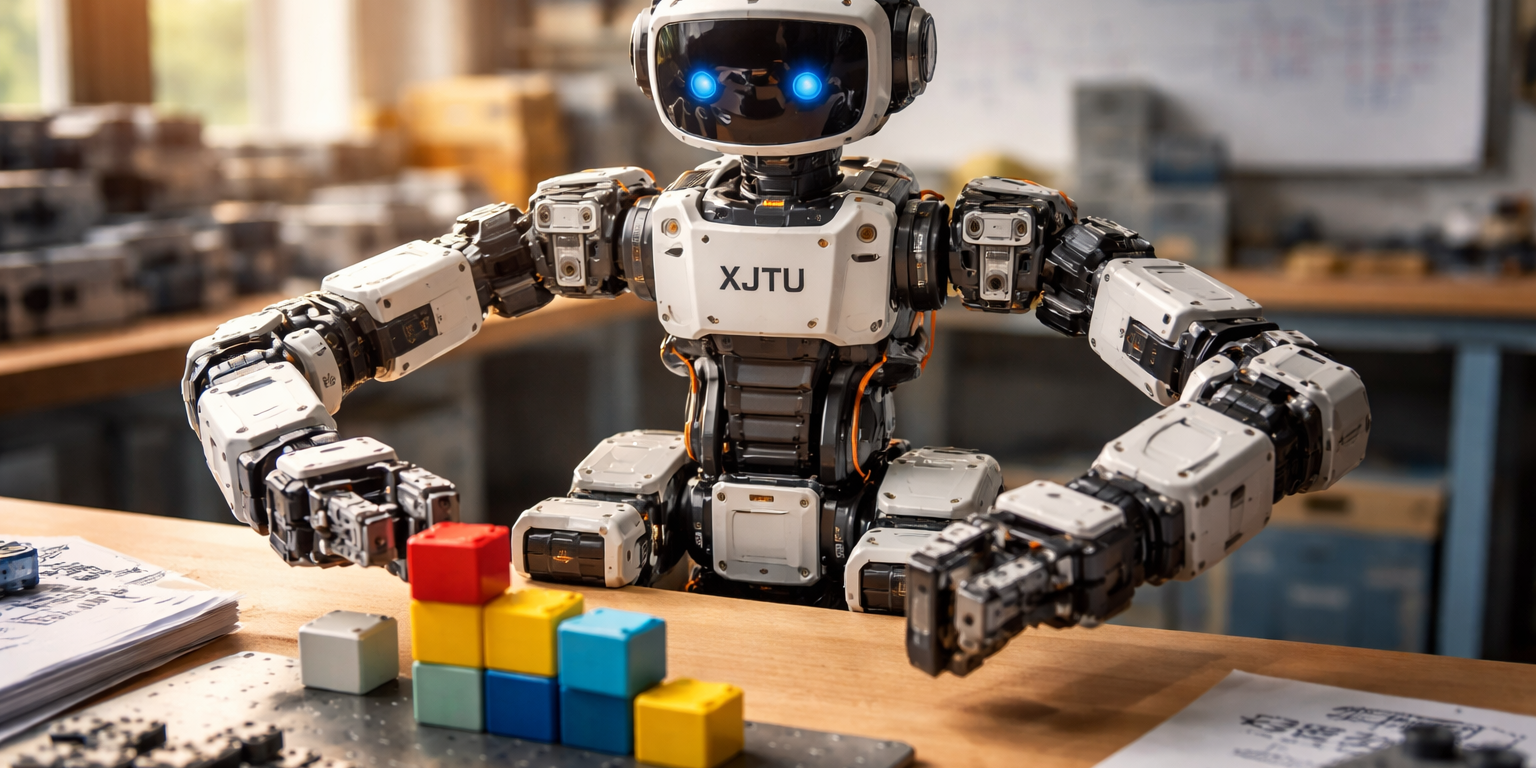
Pollen Robotics shipped 847 Reachy units between its 2021 commercial launch and the end of 2025, according to figures disclosed during Acubed's due diligence process. The telepresence robot sells for €19,500 in its base configuration and €34,000 for the research-grade model with force-torque sensors in each joint. Universities account for 64 percent of sales, with the remainder split between corporate research labs and a handful of pilot deployments in hospitality and elder care settings. The robot stands 1.2 meters tall, weighs 18 kilograms, and features seven degrees of freedom in each arm. Its defining characteristic is a head-mounted stereoscopic camera system that streams video to a remote operator wearing a VR headset, allowing intuitive control of the robot's movements through natural head and hand motions. Carnegie Mellon, MIT, and ETH Zurich all operate multiple Reachy units in their robotics labs. Tokyo-based SoftBank Robotics tested six units in a 2024 pilot program at Japanese hotels but did not proceed to a commercial deployment.
The Acubed acquisition hands NVIDIA a team of 43 engineers, most of them based in Paris, along with manufacturing relationships in Shenzhen that currently produce Reachy robots at a rate of roughly 80 units per month. Matthieu Lapeyre, Pollen's founder and CEO, confirmed he will remain with NVIDIA through at least the end of 2027 under terms of the deal. Lapeyre previously worked at Inria, the French national research institute for digital science and technology, where he developed open-source robotic platforms including Poppy, a 3D-printed humanoid used in hundreds of schools. He founded Pollen in 2019 with €2.3 million in seed funding from Bpifrance and several angel investors. The company raised an additional €8.5 million in Series A funding in 2022 led by Partech Ventures. Acubed entered negotiations to acquire Pollen in late 2025 after the startup struggled to close a Series B round, according to three people familiar with the discussions. Terms of that transaction were never disclosed, but two investors estimated Acubed paid between €35 million and €45 million for the company.
The broader move signals NVIDIA's intent to own the full stack for humanoid robotics, from silicon to software to reference hardware designs. The company now controls the Jetson Thor system-on-chip announced in March, the Isaac robotics simulation platform, the Omniverse development environment, and a physical robot platform that customers can purchase and deploy. This mirrors the strategy NVIDIA used to dominate autonomous vehicle development, where it provides everything from Drive Orin chips to simulation tools to reference sensor configurations. Several robotics executives expressed concern about this level of vertical integration. Boston Dynamics CEO Robert Playter told analysts in August that hardware commoditization benefits the industry by allowing companies to compete on software and applications rather than mechanical engineering. Figure AI, which raised $675 million in February at a $3.2 billion valuation, builds its Figure 02 humanoid around NVIDIA chips but maintains complete control over its hardware designs and manufacturing. Agility Robotics takes a similar approach with its Digit robot. Both companies declined to comment on whether NVIDIA's acquisition of a hardware competitor changes their relationship with the chipmaker.
What to Watch: Pollen Robotics will exhibit at IROS 2026 in Pittsburgh from September 27 to October 1, where NVIDIA is expected to demonstrate new capabilities enabled by tighter integration between Reachy hardware and Jetson Thor silicon. The Humanoids Summit in Seoul on September 22-23 features a panel discussion on vertical integration in robotics with representatives from Boston Dynamics, Figure AI, and NVIDIA. Watch whether other humanoid startups announce partnerships with alternative chip providers such as Qualcomm, which unveiled its Snapdragon Robotics Platform in June, or AMD, which has been quietly courting robotics customers since early 2026. Track whether Carnegie Mellon and MIT continue purchasing Reachy units now that the platform is owned by a for-profit corporation rather than an independent startup.