Nvidia announced coordinated AI initiatives with six Japanese industrial firms July 16, a single-day partnership rollout that signals the chipmaker's intent to embed its computing platforms across Japan's manufacturing base. Fanuc, Yaskawa Electric, Fujitsu, Hitachi, Kawasaki Heavy Industries, and Komatsu each disclosed separate AI projects tied to Nvidia hardware or software frameworks. The timing suggests months of parallel negotiations designed to create momentum in a market where domestic partnerships carry unusual weight.
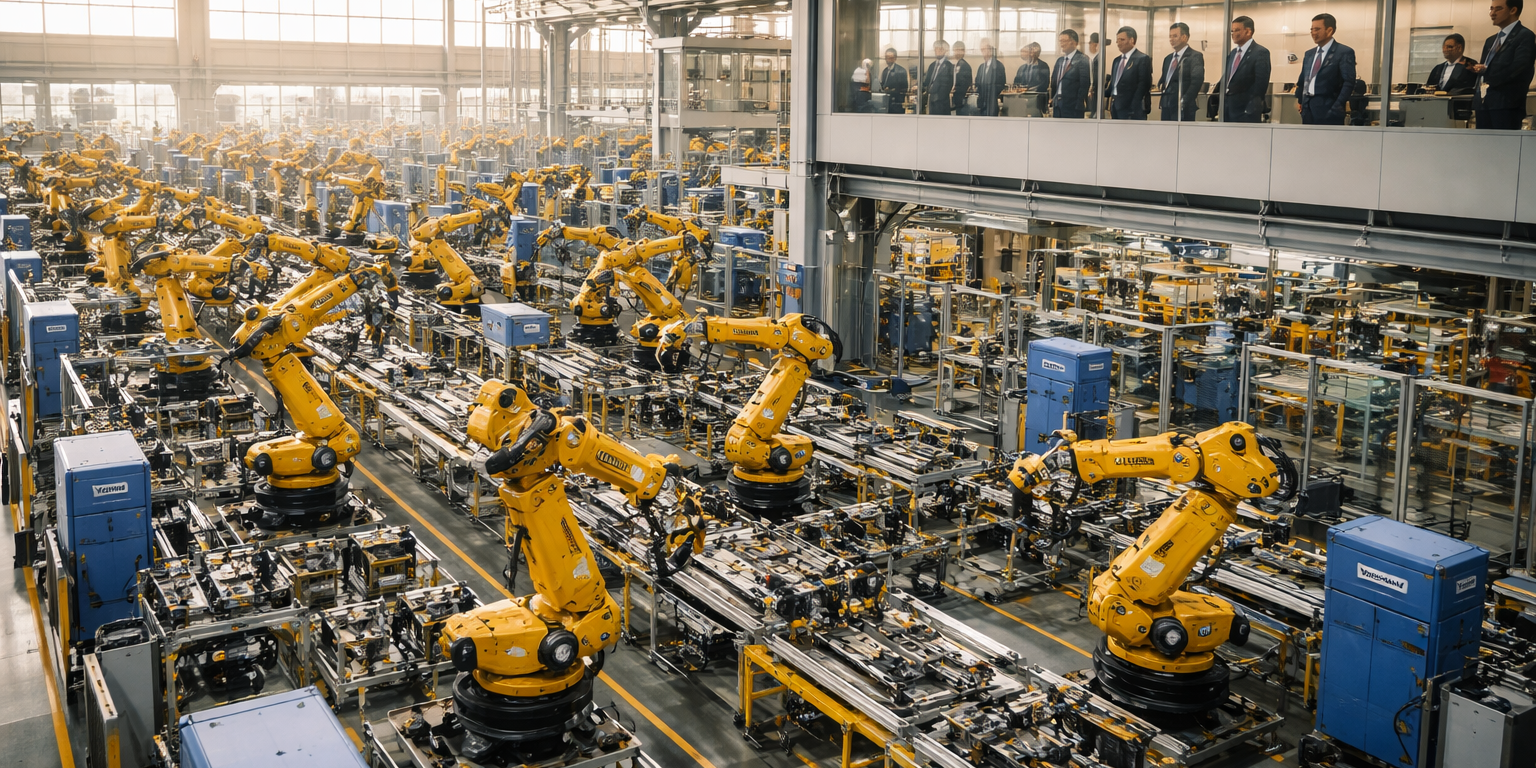
Japan represents the world's second-largest robotics production hub after China, shipping 186,000 industrial robots in 2025 according to the Japan Robot Association. Fanuc alone controls roughly 30 percent of global CNC controller market share, while Yaskawa holds similar dominance in servo motors and industrial welding systems. Nvidia has targeted these companies specifically because their installed base provides immediate scale. A single AI feature adopted across Fanuc's controller lineup reaches hundreds of thousands of machines already deployed in automotive plants, electronics assembly lines, and machine shops from Ohio to Guangdong. The company has been methodically building Japanese partnerships since opening its Tokyo research office, but the synchronized July 16 announcements represent a step change in ambition.
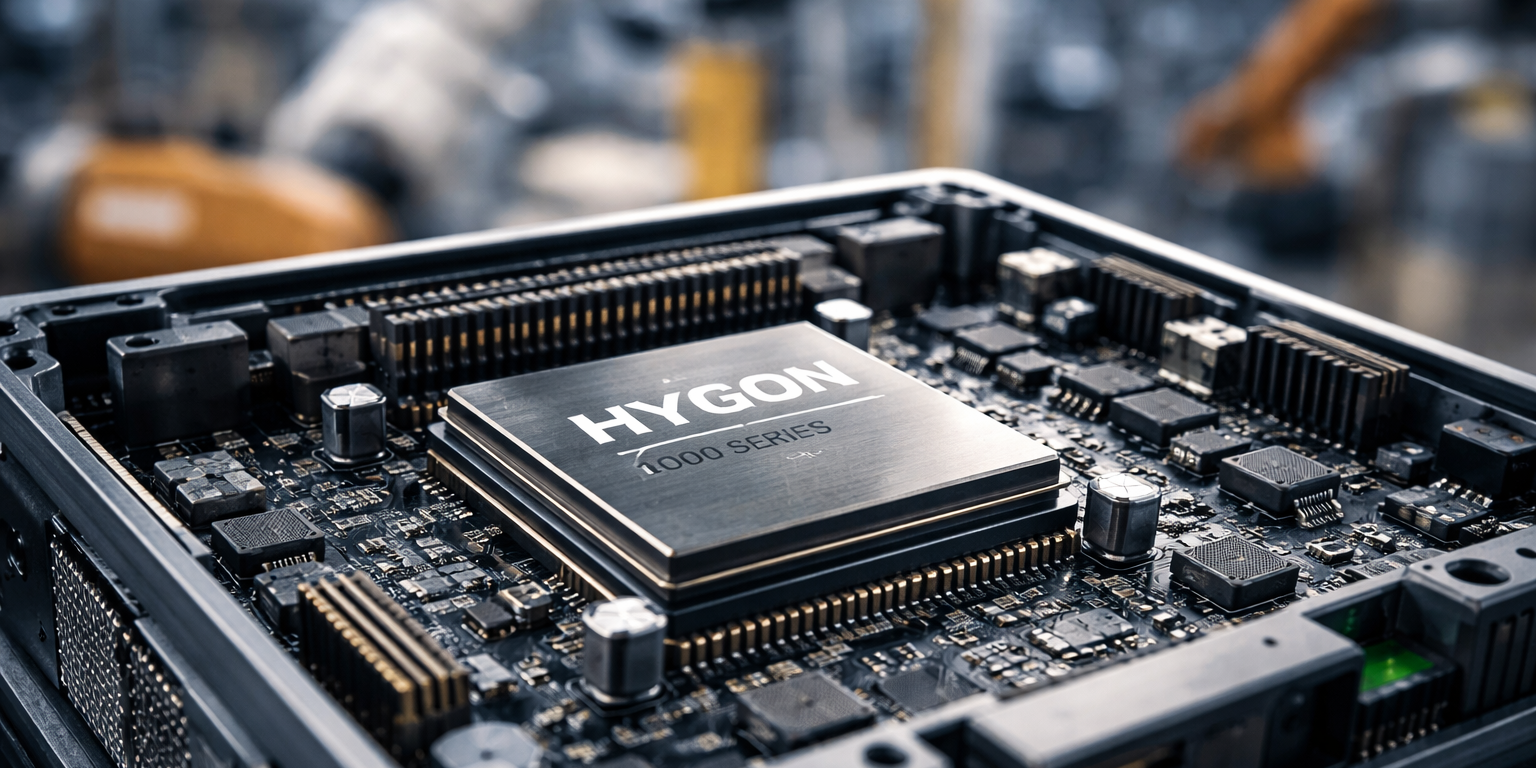
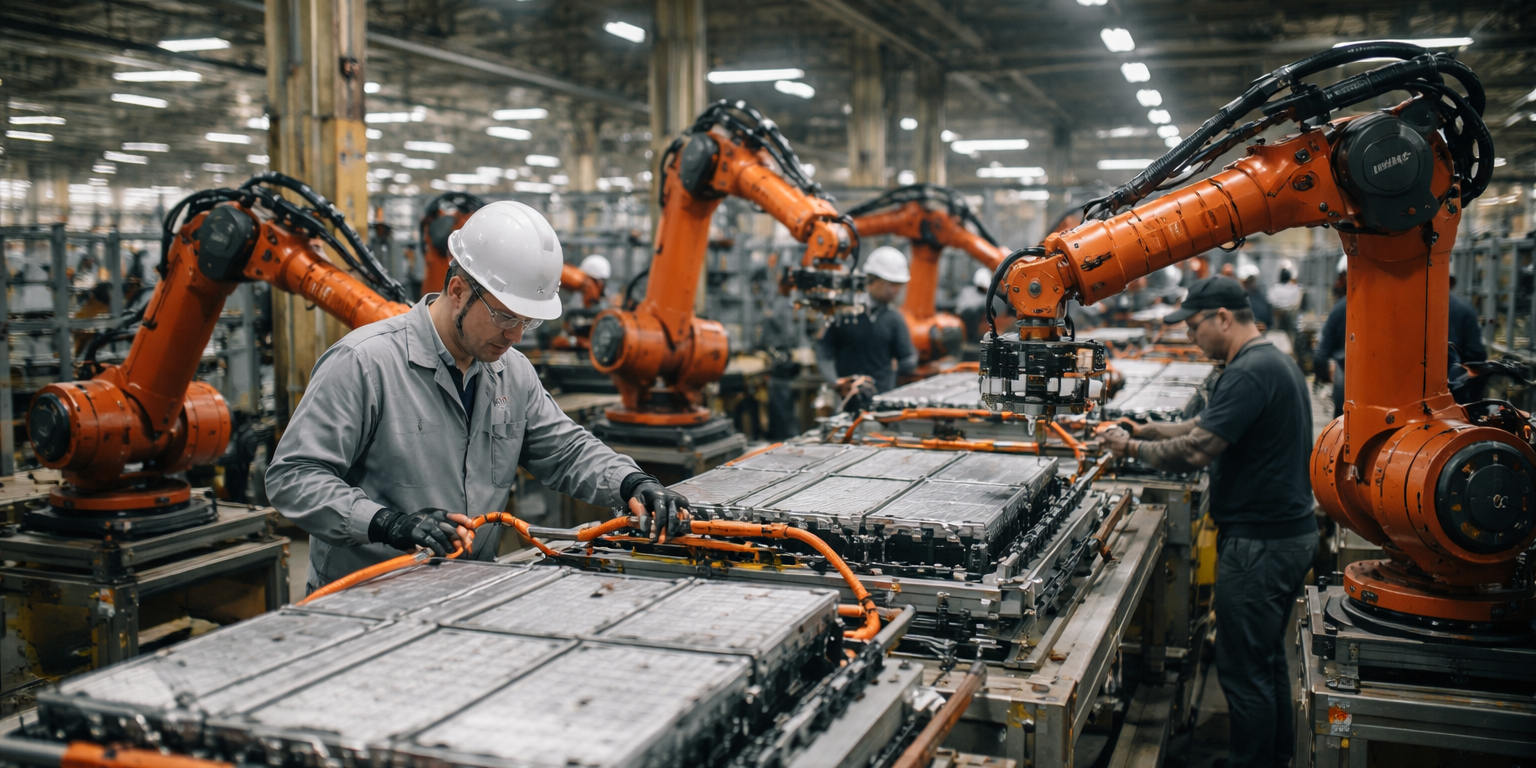
The individual initiatives vary in scope and timeline. Fanuc's announcement centers on integrating Nvidia's Jetson Orin modules into next-generation CNC controllers for real-time anomaly detection during machining operations, with pilot deployments scheduled at Toyota and Denso facilities in Aichi Prefecture by October 2026. Yaskawa disclosed a joint development agreement to embed vision-guided welding capabilities powered by Nvidia Isaac robotics software into its Motoman AR series, targeting automotive body shops where weld quality variation remains a persistent yield issue. Komatsu's initiative focuses on autonomous haul trucks for mining operations, leveraging Nvidia Drive platforms already proven in on-road vehicles but adapted for 400-ton dump trucks operating in open-pit mines across Australia and Chile. Fujitsu and Hitachi announcements focused less on robotics hardware and more on cloud infrastructure for training industrial AI models, positioning both companies as integration partners for manufacturers lacking internal AI expertise. Kawasaki Heavy Industries revealed the least detail, mentioning only exploratory work on humanoid robots for logistics applications without naming specific products or timelines.
The partnerships arrive as Japanese manufacturers confront labor shortages projected to intensify through 2030. Japan's working-age population declined by 580,000 people in 2025, the steepest single-year drop since the government began tracking the metric in 1950. Small and midsize manufacturers have historically resisted automation due to integration costs and complexity, but AI-enhanced systems that require less programming expertise may shift that calculus. Nvidia's strategy hinges on reducing the technical barrier through pre-trained models and simplified interfaces, effectively commoditizing capabilities that previously required dedicated AI engineering teams. If Fanuc or Yaskawa can deliver AI features that a general machinist or maintenance technician can configure, the addressable market expands from large manufacturers to the 380,000 small and midsize enterprises that employ 70 percent of Japan's manufacturing workforce. That shift would represent a fundamental change in robotics economics, moving from capital-intensive deployments requiring systems integrators toward plug-and-play installations that amortize over months rather than years.
What to Watch: Fanuc's October 2026 pilot results at Toyota and Denso will indicate whether real-time anomaly detection delivers measurable yield improvements in high-volume production. Monitor whether Yaskawa announces pricing for Isaac-enabled Motoman systems, which would reveal how much AI capability adds to unit economics. Track any follow-on partnerships Nvidia announces with smaller Japanese robotics firms like Nachi-Fujikoshi or Daihen, which would signal broader platform adoption beyond the top-tier manufacturers. Finally, watch for Chinese competitors like Estun Automation or Inovance to announce countermoves, particularly partnerships with domestic AI firms like Huawei or Baidu seeking to replicate Nvidia's playbook in their home market.