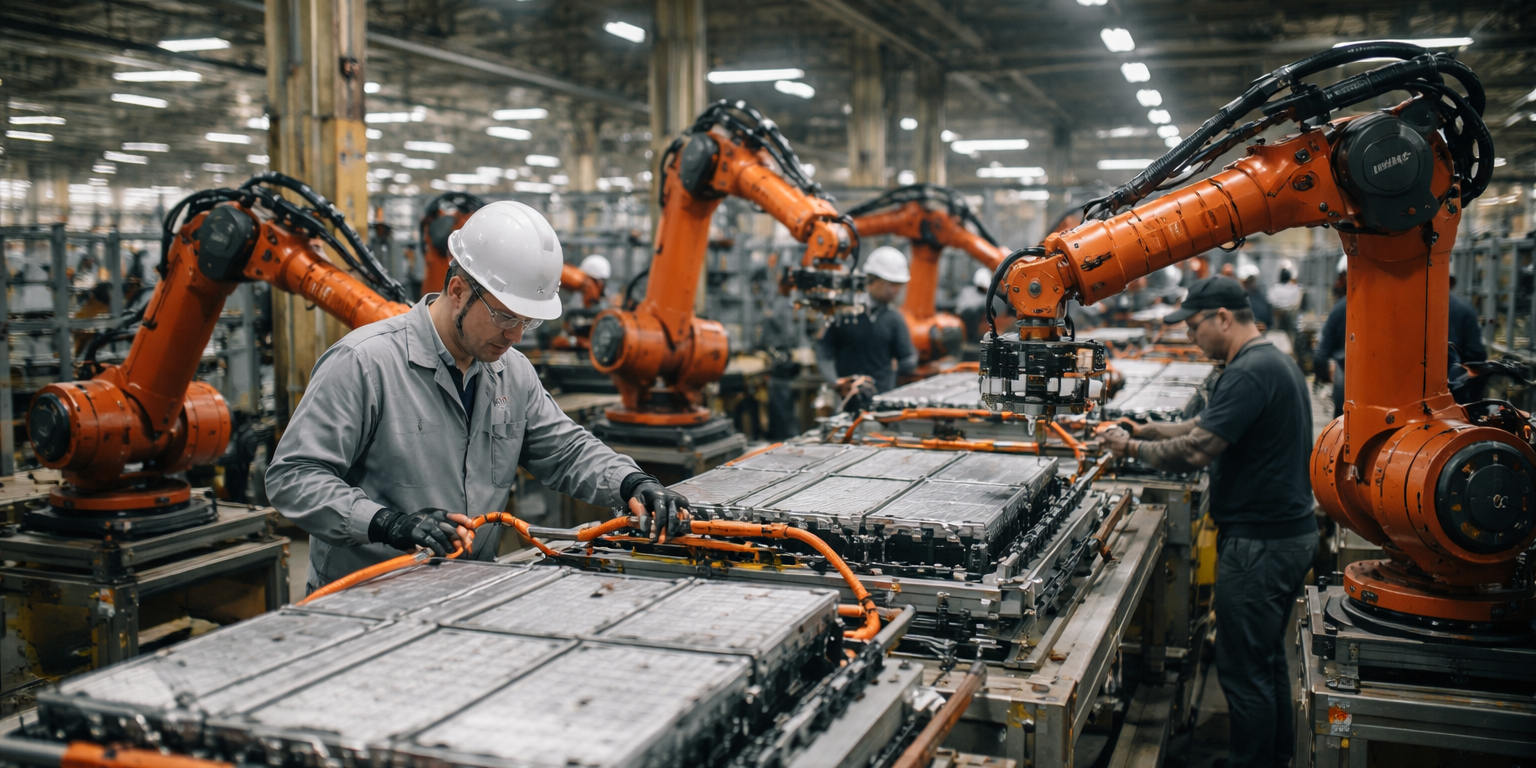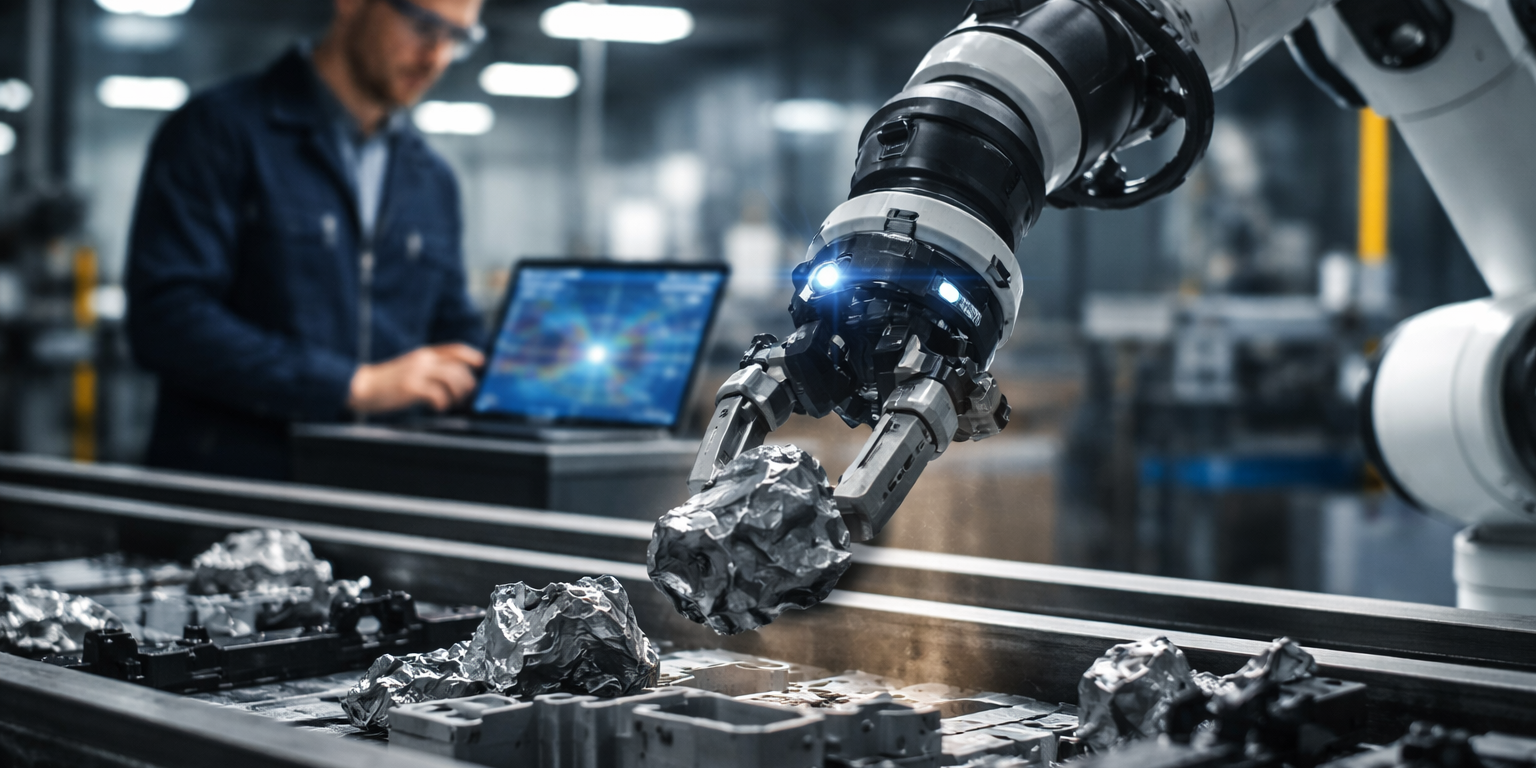
The deployment of generative AI in robotics has moved from pilot programs to production-scale implementation across manufacturing facilities in North America, Europe, and parts of Asia, marking a fundamental shift in how industrial automation systems are designed and operated. The technology's ability to generate motion paths, optimize grasp strategies, and adapt to unstructured environments without human-coded instructions has captured the attention of manufacturers facing persistent labor shortages and demand for mass customization. Unlike traditional robotic systems that require weeks of programming for new tasks, generative AI models can synthesize new behaviors from demonstration data or natural language instructions, reducing deployment times from months to days in documented case studies.
This acceleration follows years of research and development investment by both established robotics manufacturers and venture-backed startups. The competitive landscape now includes major industrial automation providers integrating generative AI capabilities into existing product lines, as well as pure-play AI companies partnering with robot makers to embed foundation models directly into control systems. The technical challenge has shifted from proving feasibility to achieving reliability and safety certification in regulated environments, particularly in sectors like automotive assembly, electronics manufacturing, and pharmaceutical production where quality tolerances remain unforgiving. Early adopters report significant reductions in integration costs, though concerns about model interpretability and failure modes continue to shape deployment strategies.
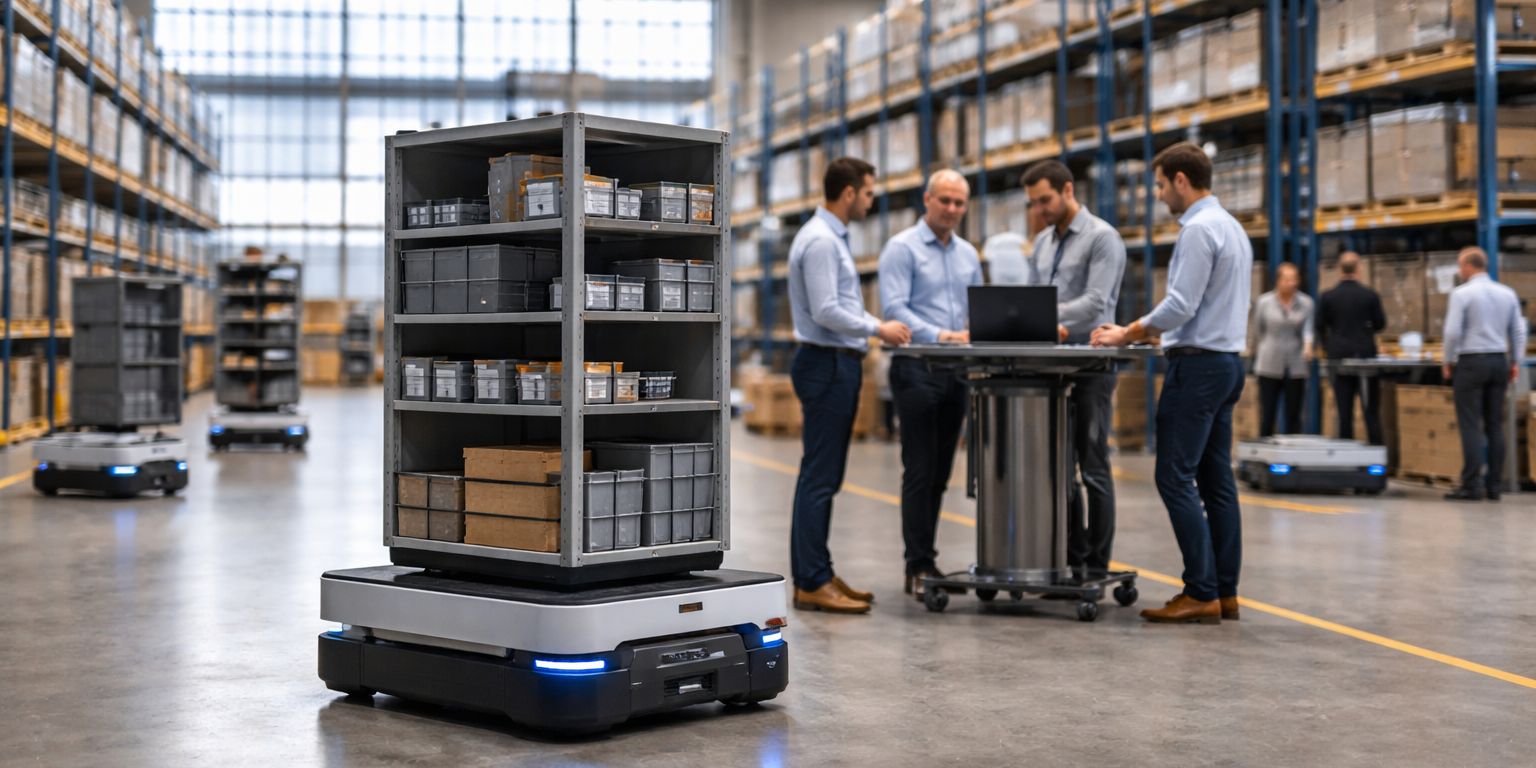
Collaborative robots represent a particularly active segment for generative AI integration, driven by their proximity to human workers and the need for adaptive behavior in shared workspaces. The ability to generate safe motion trajectories in real time, respond to unexpected obstacles, and learn task variations from minimal demonstration data aligns directly with the value proposition of collaborative automation. Logistics and warehouse automation have emerged as another high-growth application area, where generative AI models handle the combinatorial complexity of picking diverse objects from bins, optimizing packing configurations, and adapting to seasonal inventory changes without reprogramming. The integration of these AI systems with industrial IoT platforms enables fleet-level optimization, where learnings from one robot deployment can be synthesized and transferred to others across a network.
North America's market leadership reflects concentrated investment from both private and public sectors, with significant funding flowing toward companies developing foundation models specifically for robotic manipulation and navigation. The region benefits from proximity to major cloud computing infrastructure, AI research institutions, and early-adopter manufacturers willing to deploy emerging technologies ahead of proven ROI. However, Asia-Pacific markets are scaling rapidly, particularly in electronics manufacturing clusters where generative AI addresses the frequent product changeovers and tight tolerances that strain traditional automation approaches. European manufacturers have focused on integrating generative AI within existing Industry 4.0 frameworks, emphasizing data sovereignty and explainability requirements that differ from North American deployment patterns. The technical standards and safety certification processes remain fragmented across regions, creating both barriers and opportunities for vendors capable of navigating multiple regulatory environments.
What to Watch: Monitor major industrial automation providers for embedded generative AI announcements at fall trade shows, particularly around vision-language models for robot programming. Track warehouse automation deployments in Q3 2026 as retailers prepare for peak season with AI-enabled picking systems. Watch for updates from collaborative robot manufacturers on safety certification progress for adaptive behavior models, especially in FDA-regulated environments. Pay attention to edge computing partnerships that enable on-device inference for generative models, reducing latency and addressing data privacy concerns in manufacturing environments.