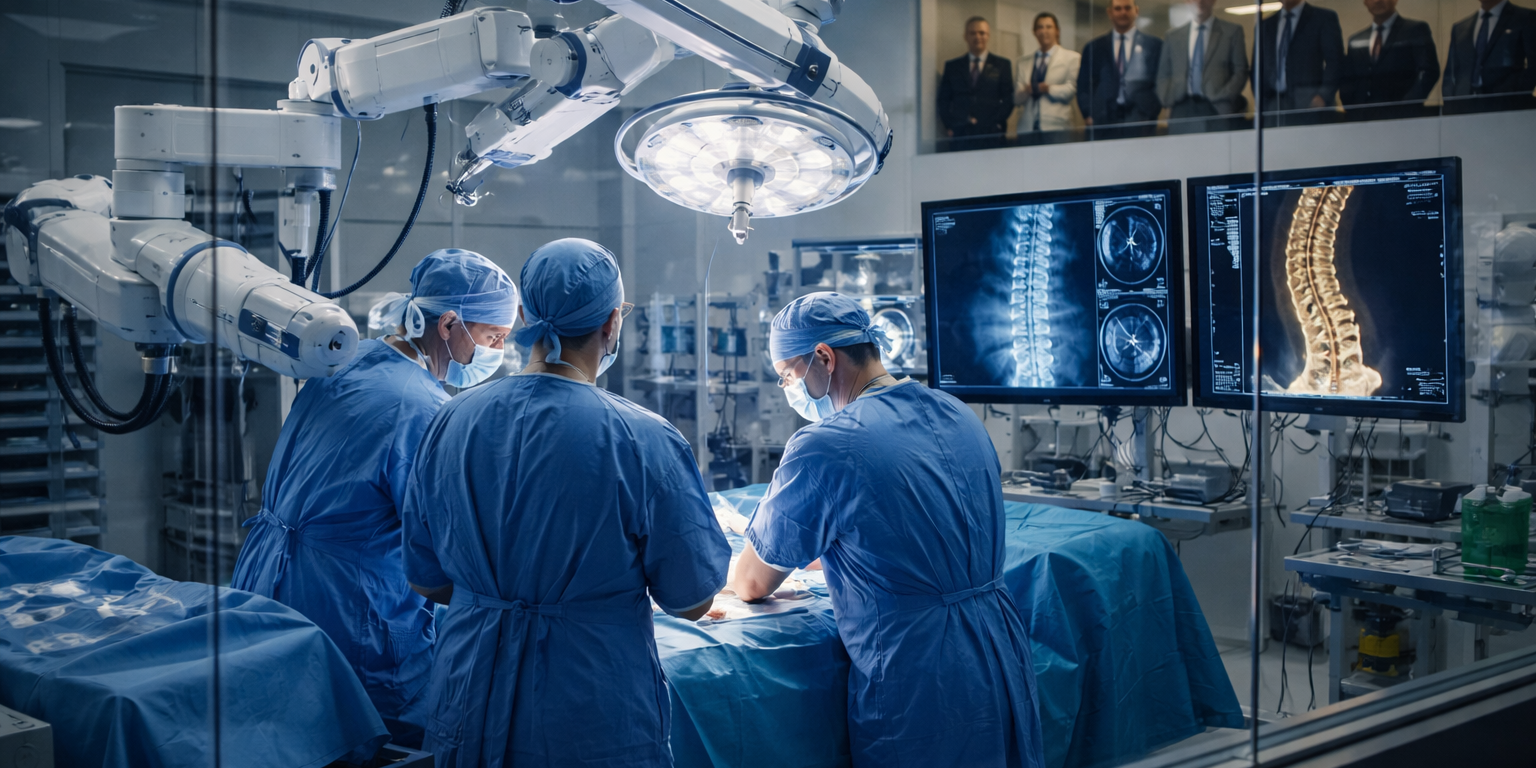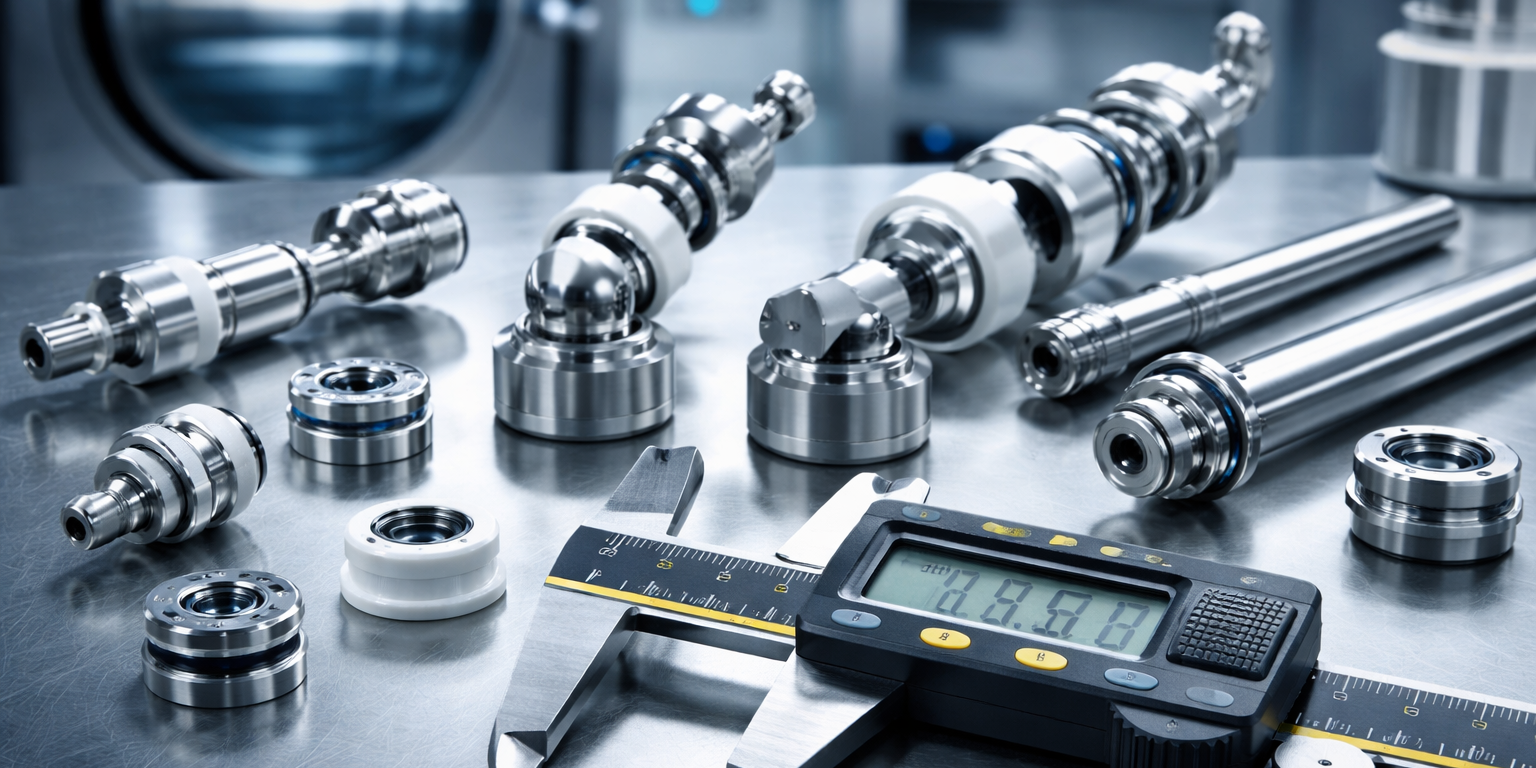
NN Inc., a Charlotte-based precision manufacturer with roots in automotive bearings and aerospace seals, landed a contract to produce critical components for a robotic-assisted surgery platform owned by a company it declined to name. The agreement represents the first time NN has secured work on a surgical robotics system rather than traditional medical devices like implants or diagnostic instruments. Company leadership described the contract as material to near-term revenue growth, with production scheduled to ramp through the remainder of 2026.
The timing reflects broader momentum in surgical robotics, where platform manufacturers face mounting pressure to diversify supply chains and secure domestic production capacity. Intuitive Surgical ships roughly 350 da Vinci systems per quarter, while newer entrants like CMR Surgical, Medtronic, and Johnson & Johnson push into soft tissue procedures beyond the urology and gynecology workflows that made robotic surgery mainstream. Those platforms rely on precision-machined metal and polymer components that must perform across thousands of autoclave sterilization cycles while maintaining tolerances measured in microns. NN operates twelve manufacturing facilities across North America, Europe, and Asia, giving it geographic flexibility that pure-play medical shops often lack. The company reported $450 million in trailing revenue as of its most recent quarterly filing, with medical products accounting for roughly one-third of sales.
Surgical robotics represents a different engineering challenge than the metal injection molding and high-precision machining NN historically performed for automotive customers. Robotic instruments endure repetitive motion under variable loads while surgeons manipulate tissue, requiring materials that resist fatigue and maintain dimensional stability across temperature swings. The components also face regulatory scrutiny absent in industrial applications—each part must trace back through documented quality systems that satisfy FDA design control requirements and ISO 13485 certification audits. NN spent the past eighteen months upgrading cleanroom capacity and training manufacturing engineers on medical-specific process validation, investments that previously yielded contracts with orthopedic implant manufacturers but not surgical robotics firms. The new contract suggests those efforts convinced at least one platform maker that NN can deliver the quality and traceability surgical robotics demand.
The company did not disclose which robotic surgery platform it will support, citing confidentiality terms common in early-stage supplier relationships. Industry observers note that surgical robotics companies increasingly use non-disclosure agreements to obscure component sourcing as they prepare for regulatory submissions or competitive product launches. The secrecy also reflects commercial sensitivity around bill-of-materials costs, which directly impact the per-procedure economics hospitals evaluate when deciding whether to lease or purchase robotic systems. NN said it expects the contract to contribute meaningfully to revenue in the fourth quarter of 2026, implying production will reach commercial scale within six months. That timeline aligns with how surgical robotics companies typically onboard new suppliers—qualification runs and first-article inspections through summer, then volume ramps as assembly lines prepare for end-of-year shipments.
For NN, the contract offers a path into a medical device segment where margins run higher than automotive or general industrial work. Surgical robotics companies pay premium prices for components that meet stringent biocompatibility and reliability standards, often two to three times what comparable automotive parts command. The sector also shows resilience compared to NN's traditional markets—automotive suppliers face cyclical demand tied to vehicle production, while surgical robotics grew even through pandemic-related procedure deferrals. Analysts covering the medical device sector estimate the global surgical robotics market will exceed $12 billion in annual revenue by 2028, with installed base growth driving recurring instrument and accessory sales that dwarf initial capital equipment purchases. NN's ability to secure work on a robotic platform, rather than single-use instruments, suggests it can capture a slice of that recurring revenue stream.
What to Watch: Monitor NN's Q3 and Q4 2026 earnings calls for revenue breakouts indicating whether the surgical robotics contract scales as projected. Watch for FDA 510(k) clearances or PMA approvals involving new robotic surgery systems, which may reveal the platform NN supports. Track whether NN announces additional medical device contracts or facility expansions, signaling broader strategy to grow its footprint in surgical robotics supply chains. Observe competitor moves from precision manufacturers like Integer Holdings and Paragon Medical as they bid for similar work.