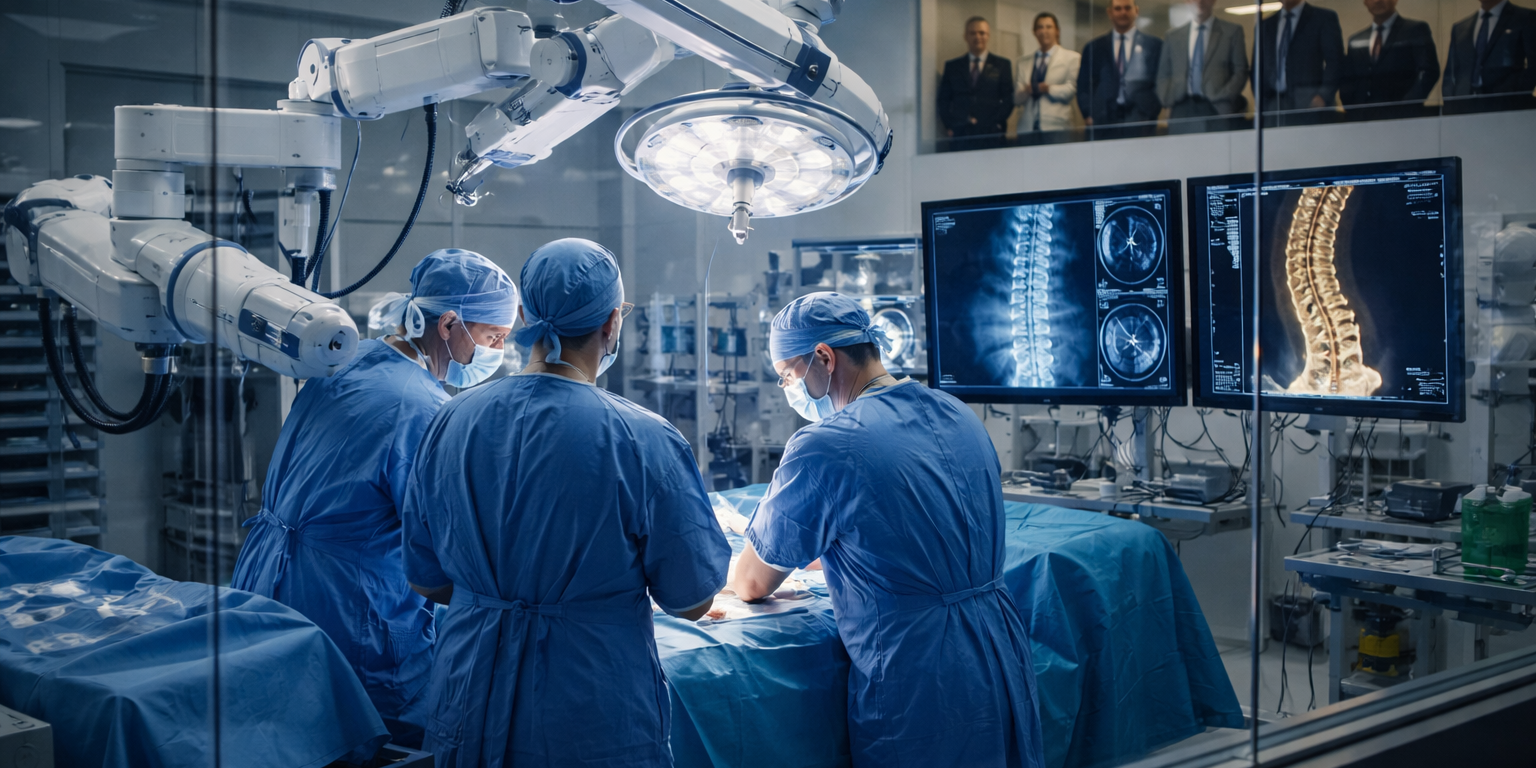
Intuitive Surgical operates 11,106 da Vinci surgical systems worldwide as of December 2025, marking a 12% expansion from the previous year and reinforcing the company's stranglehold on the robotic-assisted surgery market. The Sunnyvale, California-based manufacturer has maintained double-digit growth in system placements for six consecutive years, with no direct competitor approaching its scale. Each installation represents not just capital equipment revenue but an annuity stream from proprietary instruments and service contracts that create switching costs measured in millions of dollars per hospital system.
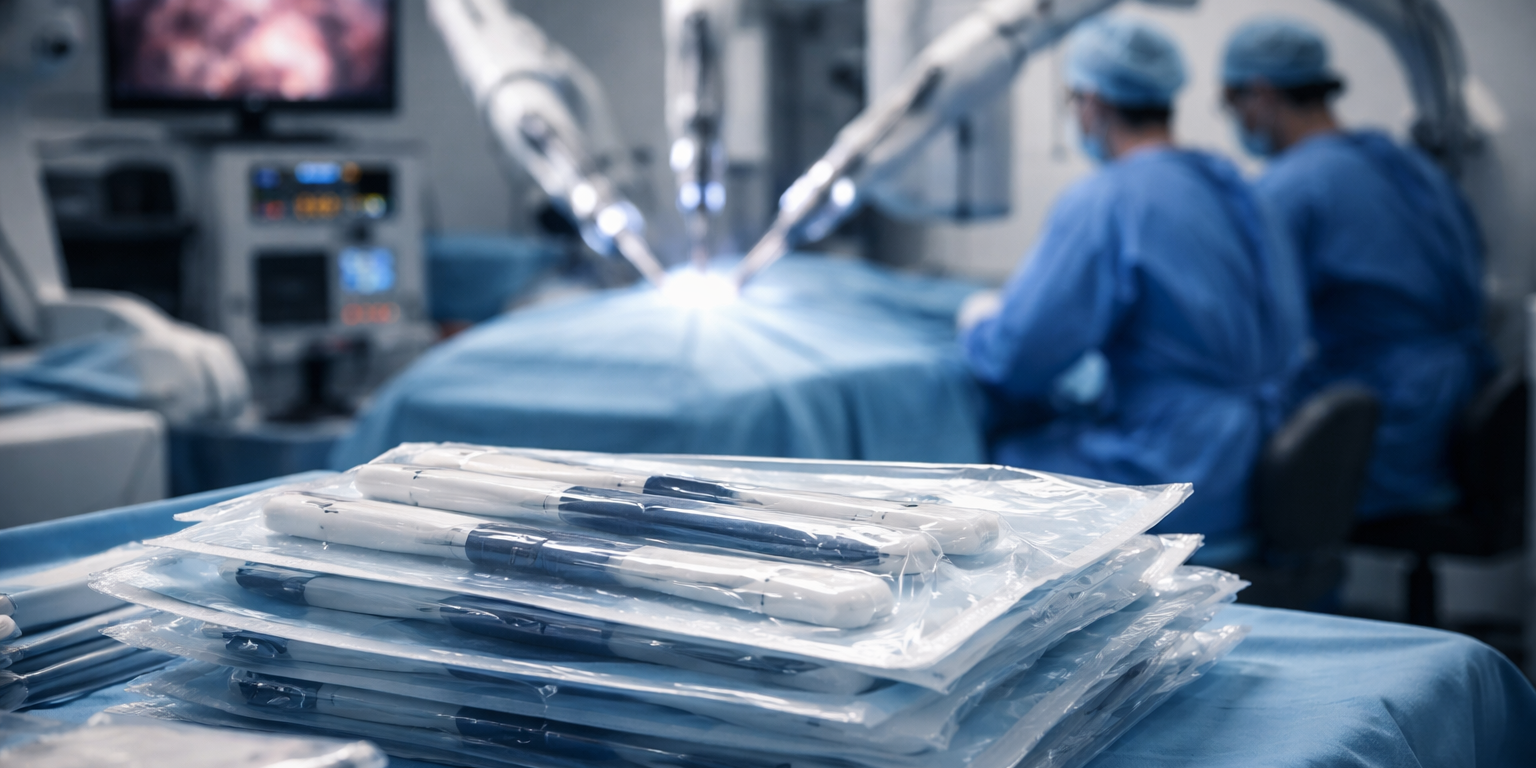
The installed base milestone matters because it drives Intuitive's actual profit center: consumables. Each da Vinci procedure requires single-use instruments that cost hospitals between $2,000 and $3,500, depending on complexity. With an average of 312 procedures per system annually, the revenue model resembles razor-and-blades economics at hospital scale. The company reported 2.1 million procedures performed on its systems in 2025, up 16% year-over-year, translating to roughly $189 per procedure in instrument revenue alone. Service contracts add another layer, with annual maintenance fees ranging from $150,000 to $250,000 per system depending on usage tiers. This recurring revenue accounted for approximately 72% of total revenue in the most recent fiscal year, insulating the business model from capital equipment budget cycles that plague pure medical device manufacturers.
The da Vinci system itself exists in four current configurations: the Xi, X, SP (single-port), and the fifth-generation da Vinci 5 launched in March 2024. The Xi remains the volume leader for multi-port general surgery applications, offering four articulated arms and EndoWrist instruments with seven degrees of freedom exceeding human wrist capability. Hospitals pay between $1.5 million and $2.5 million per system depending on configuration and accessories, but that upfront cost matters less to Intuitive's valuation than procedure volume trends. General surgery applications including hernia repair and colorectal resection drove 38% of procedure growth in 2025, overtaking urology as the fastest-growing specialty segment. The clinical evidence base has matured sufficiently that robotic assistance is now standard of care for prostatectomy at major academic centers, with adoption spreading to hysterectomy and partial nephrectomy.
Competition has intensified but not yet disrupted the installed base advantage. Medtronic received FDA clearance for its Hugo robotic-assisted surgery system in June 2022 and has placed approximately 180 systems globally, primarily in Europe and Latin America where reimbursement structures favor lower-cost alternatives. Johnson & Johnson's Ottava system remains in development with commercial launch expected in late 2027, featuring a smaller footprint and spider-like arm architecture. Asensus Surgical's Senhance system has achieved only limited traction with roughly 40 installations, hampered by instrument economics that don't improve on open surgery costs. CMR Surgical, a UK-based private company, has deployed more than 200 Versius systems internationally but has yet to enter the U.S. market. None of these challengers have cracked the fundamental problem: hospitals that have trained surgical teams on da Vinci face seven-figure retraining costs and workflow disruption to switch platforms. Intuitive has 25 years of surgeon training data, simulation curriculum, and peer-reviewed outcomes literature that new entrants cannot replicate on relevant timescales.
The stock performance reflects this durable competitive position rather than speculative enthusiasm. Shares have appreciated more than 400% over the past decade on steady execution: installed base growth in the low-teens percentage range, procedure growth in the mid-teens, and operating margins expanding from 26% in 2015 to 37% in 2025 as the instrument business scales. The company generates approximately $2.8 billion in annual free cash flow with minimal debt, funding R&D at 8% of revenue while returning capital through share repurchases. Valuation multiples have compressed from 60x earnings in 2020 to roughly 48x forward earnings currently, but the multiple reflects a recurring revenue business with gross margins exceeding 68% rather than a capital equipment vendor. For context, Stryker and Zimmer Biomet trade at 22x and 18x earnings respectively, but neither commands Intuitive's growth trajectory or switching costs. The robotics premium persists because the business model works: once a hospital system commits to da Vinci, incremental procedures become high-margin software-like revenue that compounds as surgeons build proficiency and expand case selection.
What to Watch: Monitor da Vinci 5 upgrade adoption through 2026 as hospitals replace aging Xi systems, with particular attention to whether Intuitive maintains its historical 85% repurchase rate when existing customers refresh. Track Hugo system placements in the U.S. after Medtronic's May 2024 FDA clearance, especially in community hospitals where price sensitivity exceeds academic medical centers. Watch for Johnson & Johnson's Ottava pivotal trial data expected in Q3 2026, which could accelerate or delay that system's commercial timeline. Finally, observe Intuitive's expansion into adjacent specialties including thoracic and head-and-neck surgery, where procedure volumes could add 15-20% to the addressable market by 2028.