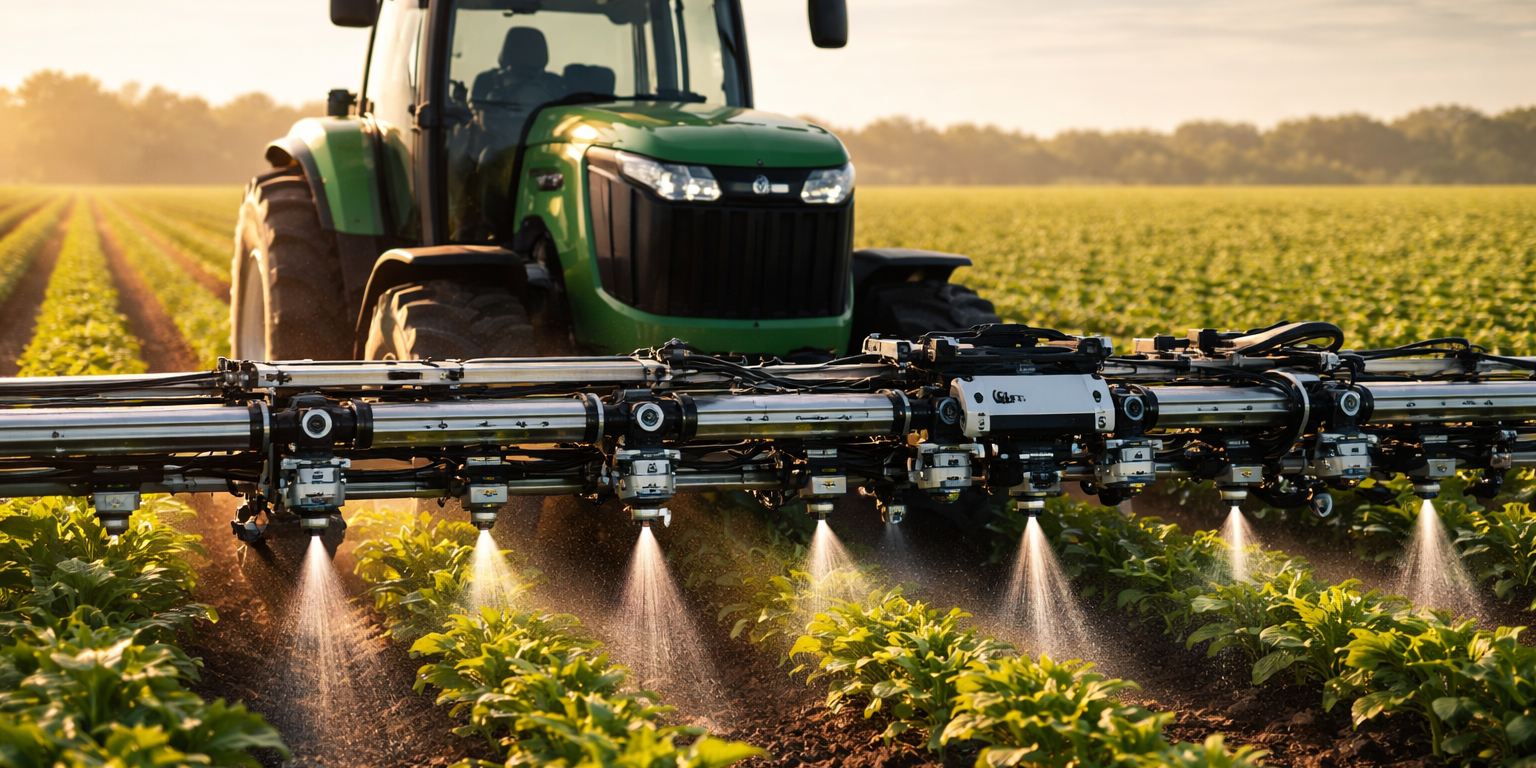
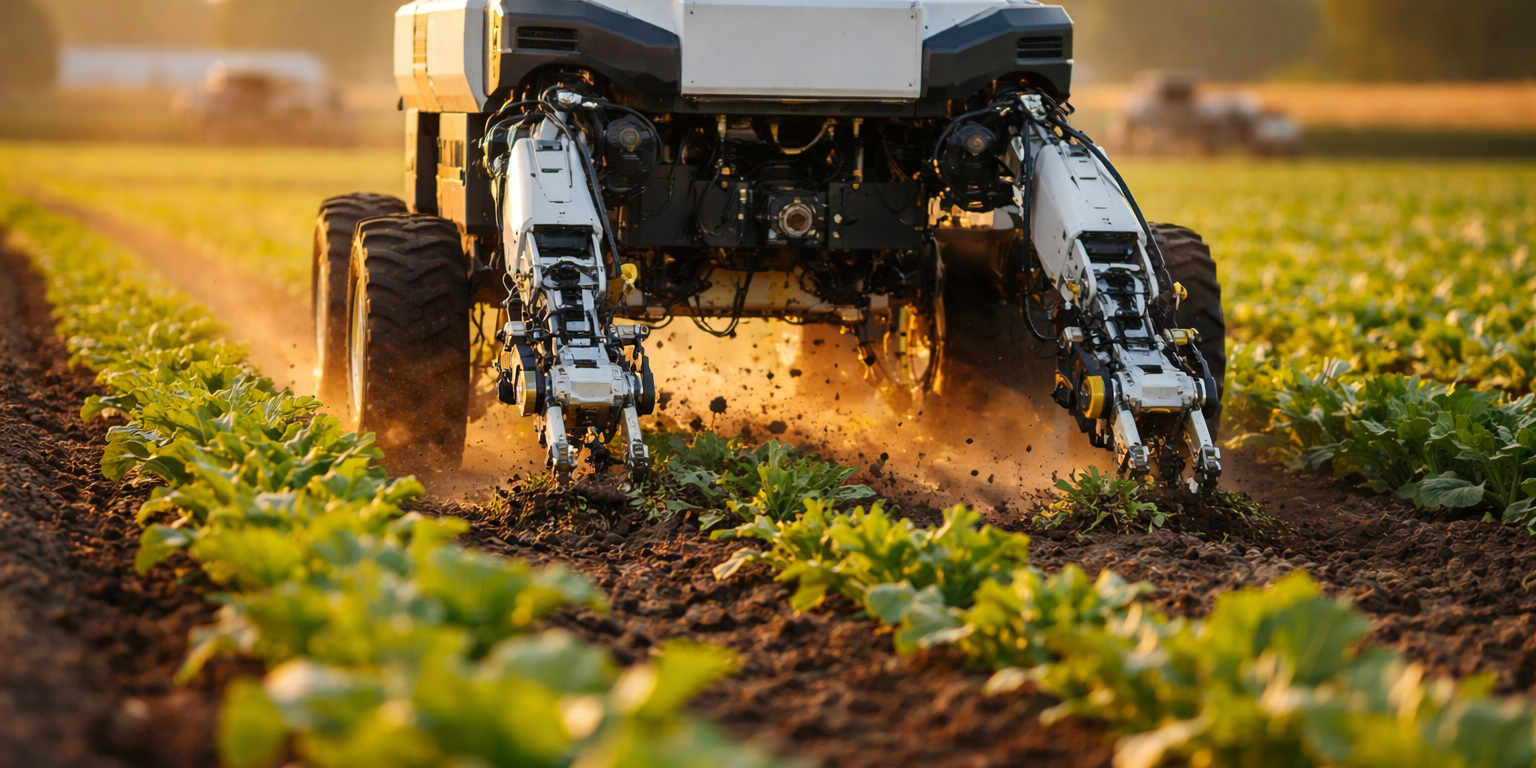
Niqo Robotics says its autonomous weeding platform has reached a critical inflection point: the core business is nearly covering its own operating costs. That milestone, rare among hardware-intensive agricultural robotics companies, arrives as the firm announces expansion into new crop types, additional geographies, and a successor to its current weeding robot platform scheduled for late 2026. The trajectory marks a shift from technology validation to commercial scaling, a transition that has eluded many competitors in the precision agriculture space. For an industry littered with prototypes that never escaped pilot programs, approaching break-even on hardware deployed in commercial fields represents tangible evidence of product-market fit. The company has not disclosed revenue figures or unit deployment numbers, but the profitability claim suggests field operations have moved beyond subsidized trials into repeatable, paying customer deployments.
The weeding platform uses computer vision and targeted mechanical removal to eliminate unwanted plants without herbicides, a capability that has gained urgency as regulatory pressure mounts on chemical weed control and labor costs climb across major agricultural regions. Niqo's existing fleet operates primarily in vegetable crops, where high-value production justifies the capital investment and per-acre service fees associated with robotic weeding. The economics work when crop value exceeds $3,000 per acre and herbicide resistance or organic certification requirements limit chemical options. Expansion into new crops suggests Niqo has identified additional segments where those conditions hold, though the company has not specified which crops or regions it will target next. Industry observers note that extending into row crops like corn or soybeans would require dramatically different economics, given those commodities generate $600 to $900 per acre. More likely targets include specialty crops, tree nuts, or protected agriculture where margins support premium services.
The next-generation robot arriving later in 2026 will presumably address limitations in the current platform, though technical specifications remain undisclosed. First-generation agricultural robots typically face constraints around field speed, weeding width, battery endurance, and ability to operate in varied soil moisture conditions. Improvements in any of those dimensions could expand the addressable market or improve unit economics enough to accelerate fleet expansion. The timing also suggests Niqo has incorporated feedback from early commercial deployments, a critical step given that agricultural robotics companies often struggle to translate laboratory performance into field reliability. Weather, dust, mud, crop variability, and 14-hour workdays impose demands that prototype testing rarely captures. A second-generation platform validated through multiple growing seasons of commercial operation carries significantly more credibility than an initial release.
The path to profitability in agricultural robotics has proven treacherous. Blue River Technology, acquired by Deere for $305 million in 2017, spent years refining its See & Spray technology before widespread commercial deployment. Carbon Robotics has raised over $100 million for its laser weeding platform but has not disclosed profitability metrics. FarmWise and Naio Technologies have both pivoted strategies as field realities diverged from initial projections. Niqo's claim to near-sustainability in its core business, if accurate, suggests the company has solved the unit economics puzzle that continues to challenge the sector. The combination of expanding crop coverage, new geographies, and a next-generation platform indicates management believes the business model is repeatable beyond initial deployments. For investors and competitors alike, the critical question is whether Niqo has genuinely cracked the code on agricultural robot profitability or whether break-even status reflects unsustainable conditions that will not scale. The company's ability to deploy the next-generation platform while maintaining financial discipline will answer that question over the coming 18 months.
What to Watch: Monitor whether Niqo discloses specific crop types or countries for its expansion, which would clarify whether the company is targeting high-value specialty crops or attempting to scale into commodity agriculture. Watch for technical specifications and pricing on the next-generation robot when it launches in late 2026, particularly field speed and weeding width, which directly determine per-acre economics. Track any announcements of strategic partnerships or customer contracts that would validate the claimed path to profitability with independent third-party deployments. Finally, observe whether competing platforms from Carbon Robotics, FarmWise, or new entrants adjust pricing or product positioning in response to Niqo's profitability claims.