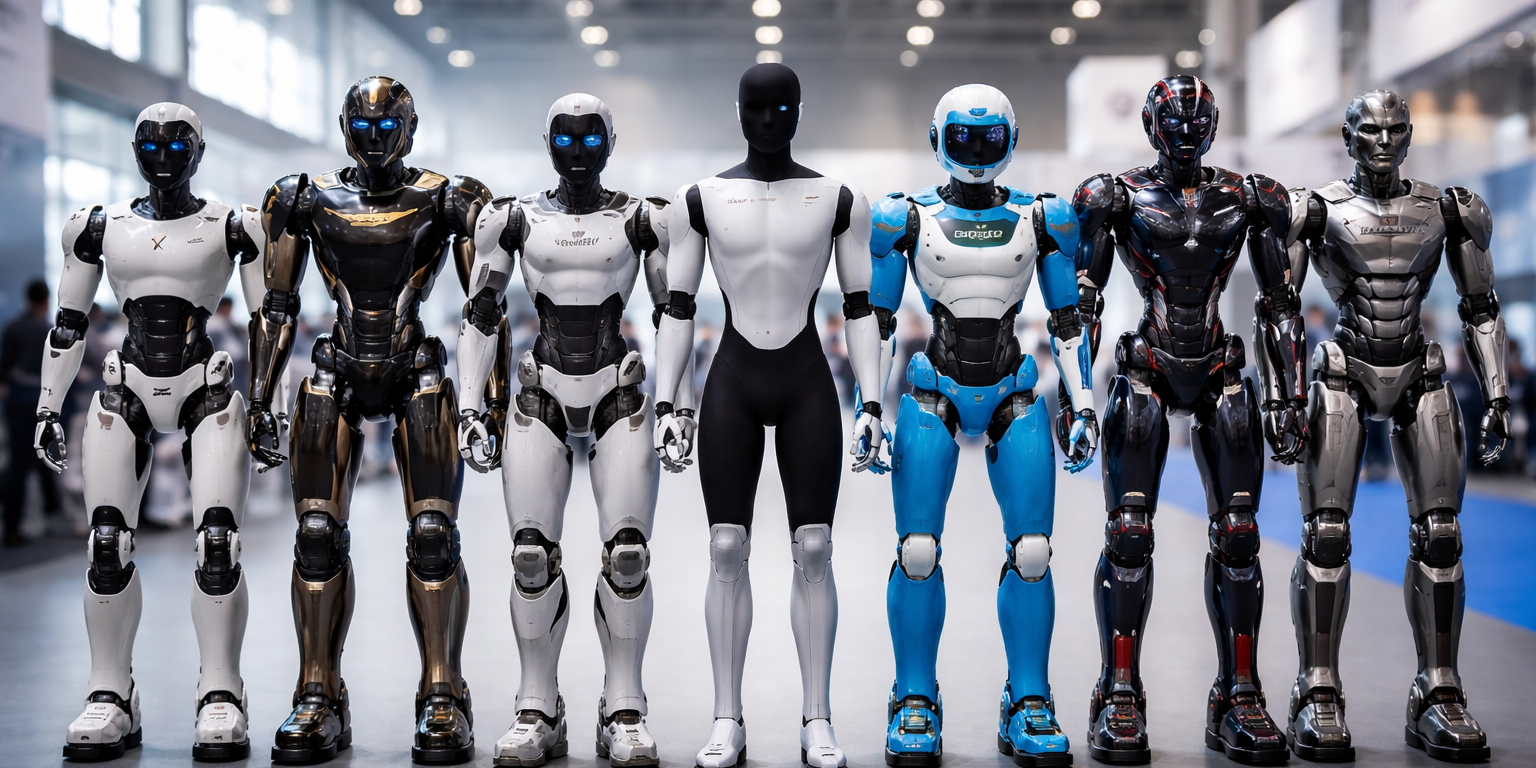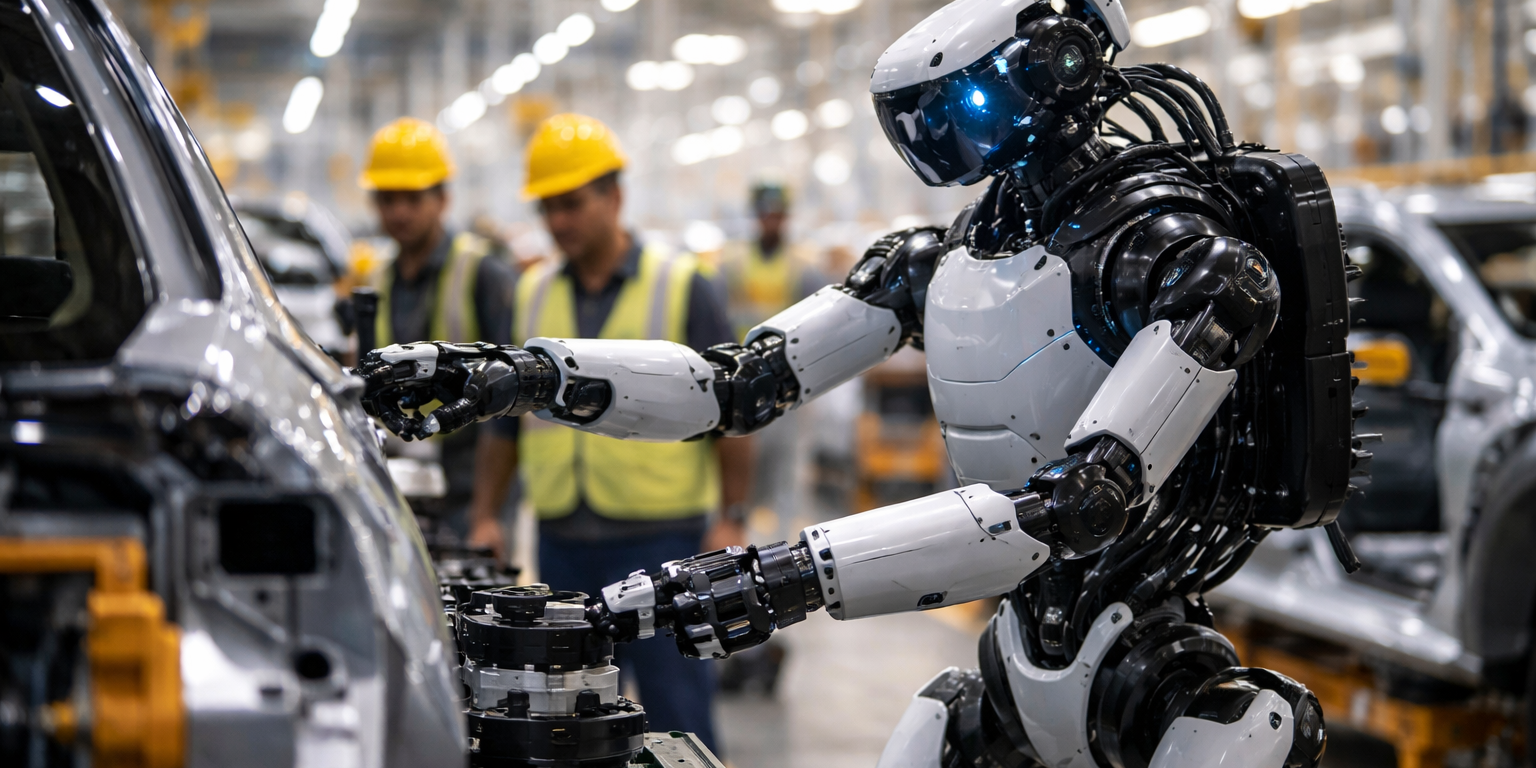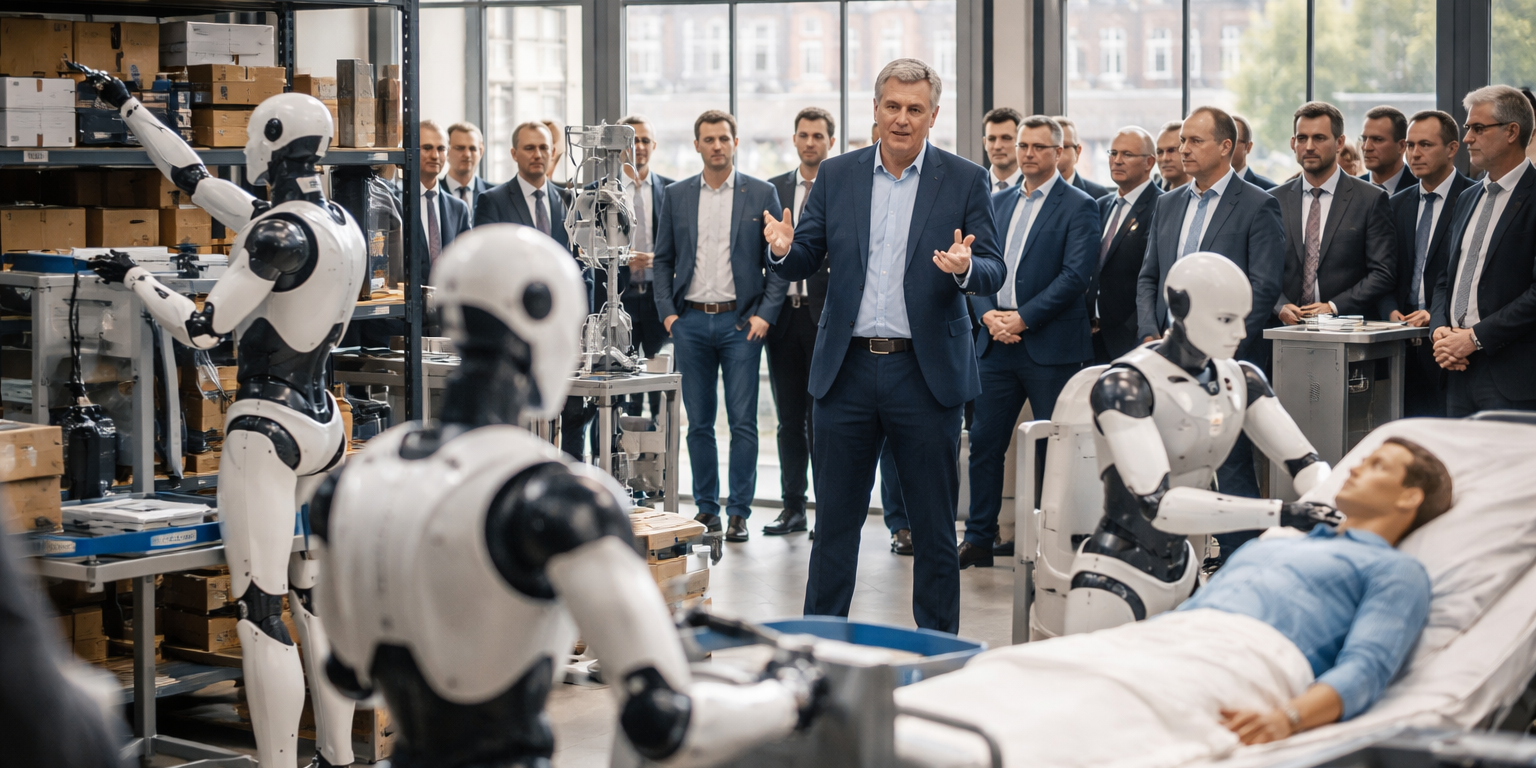
The Netherlands now hosts a dedicated Humanoid Application Center designed to push European robotics companies into commercial humanoid deployment, a market where China and the United States have built substantial leads in both capital deployment and production scale. CEO Evert Jaap Lugt, who leads the initiative, told reporters that Europe risks permanent marginalization unless it moves quickly to develop practical use cases for bipedal robots in sectors ranging from warehousing to healthcare. The facility will serve as both a testing ground and a demonstration space where European manufacturers can refine hardware and software integration before committing to production runs. Lugt's team believes the continent's robotics talent remains competitive, but the infrastructure for translating research into deployed systems has lagged. Real estate director Niels Langenhuizen is providing facilities as part of a broader strategy to attract automation-focused tenants, betting that humanoid robotics will drive demand for specialized industrial space over the next decade.
Europe's position in the humanoid race has deteriorated measurably since late 2024, when Chinese manufacturers began shipping units in volumes that eclipsed Western output by an order of magnitude. Companies like Unitree and UBTECH have placed thousands of humanoids in logistics and retail environments across Asia, while European firms remain largely in prototype stages. The gap is not purely technical. Chinese robotics companies benefit from vertically integrated supply chains, government procurement commitments, and access to low-cost manufacturing at scale. American firms, meanwhile, have attracted billions in venture funding, with Figure AI, Apptronik, and Tesla all targeting production timelines that would see commercial units shipping by late 2027. European robotics R&D remains strong, particularly in control algorithms and sensor fusion, but the path from lab to factory floor has proven slower than anticipated. Lugt's center attempts to address this by shortening the feedback loop between developers and end users, focusing on deployments that can generate revenue within 18 months rather than five years.
Lugt made a striking claim during the center's unveiling, suggesting that AI-enabled humanoids could eventually serve as digital surrogates for deceased loved ones, combining physical embodiment with conversational models trained on personal data. The statement reflects broader ambitions in the humanoid sector, where companies are positioning bipedal robots not just as labor substitutes but as social agents capable of complex interaction. Whether the market will support such applications remains uncertain, but the framing signals how dramatically expectations have shifted since early 2025. At that time, most humanoid robotics firms focused exclusively on warehouse and manufacturing tasks, arguing that the business case for service-oriented humanoids remained decades away. The rapid improvement in large language models and multimodal AI systems has collapsed that timeline, at least in theory. Whether humanoids can actually deliver on the promise of general-purpose assistance, or whether they will remain expensive novelties suited only for narrowly defined tasks, will determine the trajectory of the entire sector. The Dutch center's focus on application development rather than pure research suggests its backers believe the technology is ready for real-world stress testing.
The Netherlands brings specific advantages to humanoid robotics beyond its central European location. The country has invested heavily in automated port infrastructure, with Rotterdam serving as a testbed for autonomous cargo handling and delivery systems. Dutch logistics companies have expressed interest in humanoid robots for last-mile delivery and warehouse restocking, tasks where wheeled robots have struggled with stairs, uneven surfaces, and tight indoor spaces. The combination of a high-wage labor market and a regulatory environment that permits robotics trials has made the Netherlands attractive for companies looking to validate systems before scaling production. Langenhuizen's real estate involvement points to another dimension of the buildout: the physical spaces required for humanoid robotics operations differ from traditional factories. Testing facilities need high ceilings, modular obstacle courses, and power infrastructure capable of supporting dozens of charging units simultaneously. By developing purpose-built spaces now, Dutch developers are positioning to capture tenants as the industry matures. The strategy mirrors earlier bets on data center infrastructure, where early movers secured long-term leases from hyperscalers before demand became obvious to the broader market.
What to Watch: Track European Commission funding announcements through Q4 2026 for robotics infrastructure grants, which could determine whether other member states follow the Netherlands in building application centers. Monitor hiring patterns at PAL Robotics and Enchanted Tools, two European humanoid developers that could anchor the Dutch facility's early demonstrations. Watch for procurement commitments from Dutch logistics firms, particularly those operating in Rotterdam's port complex, as a signal that commercial deployments are moving beyond pilot stages. Finally, observe whether the facility announces partnerships with Chinese or American humanoid manufacturers, which would indicate a shift toward integration rather than homegrown competition.