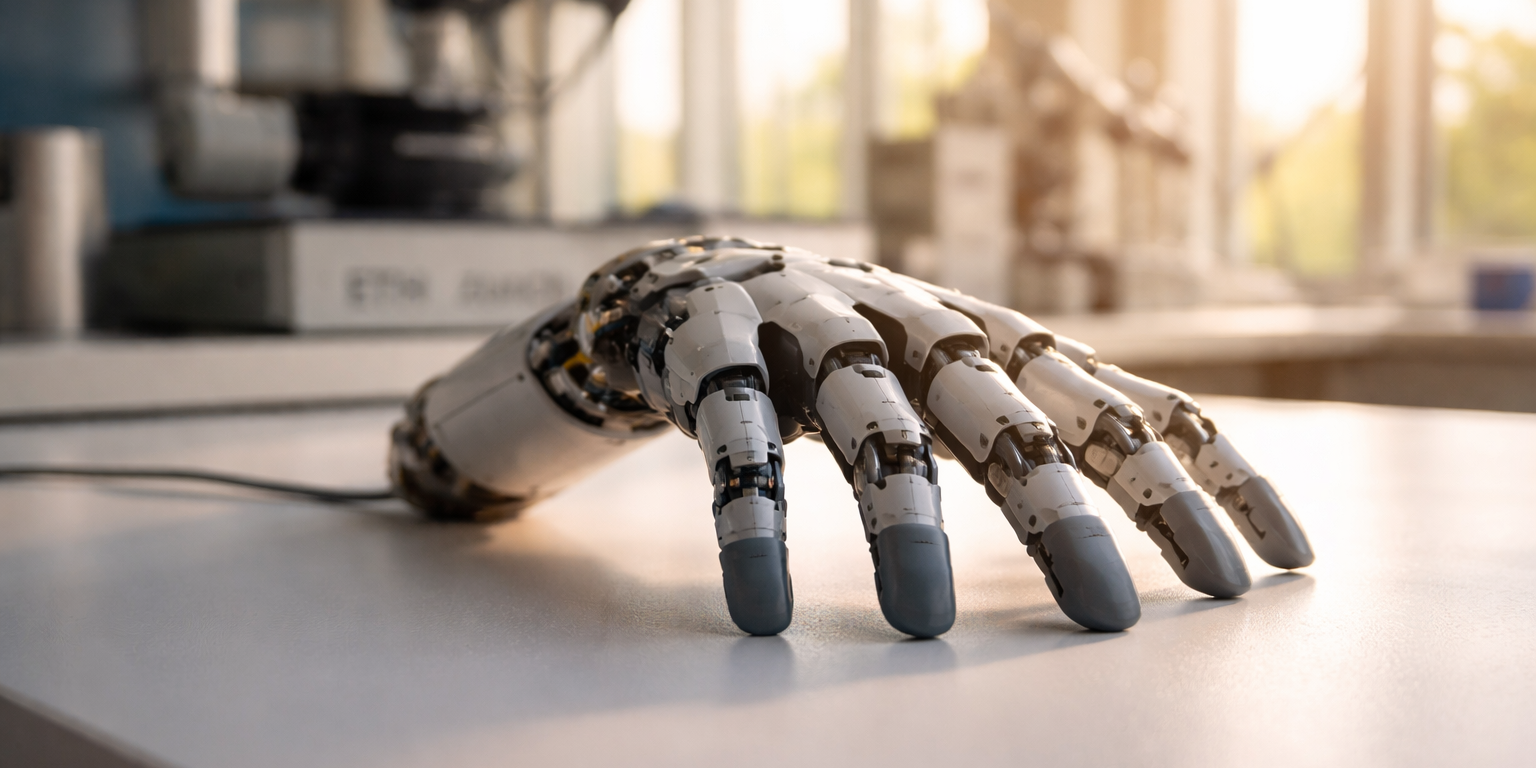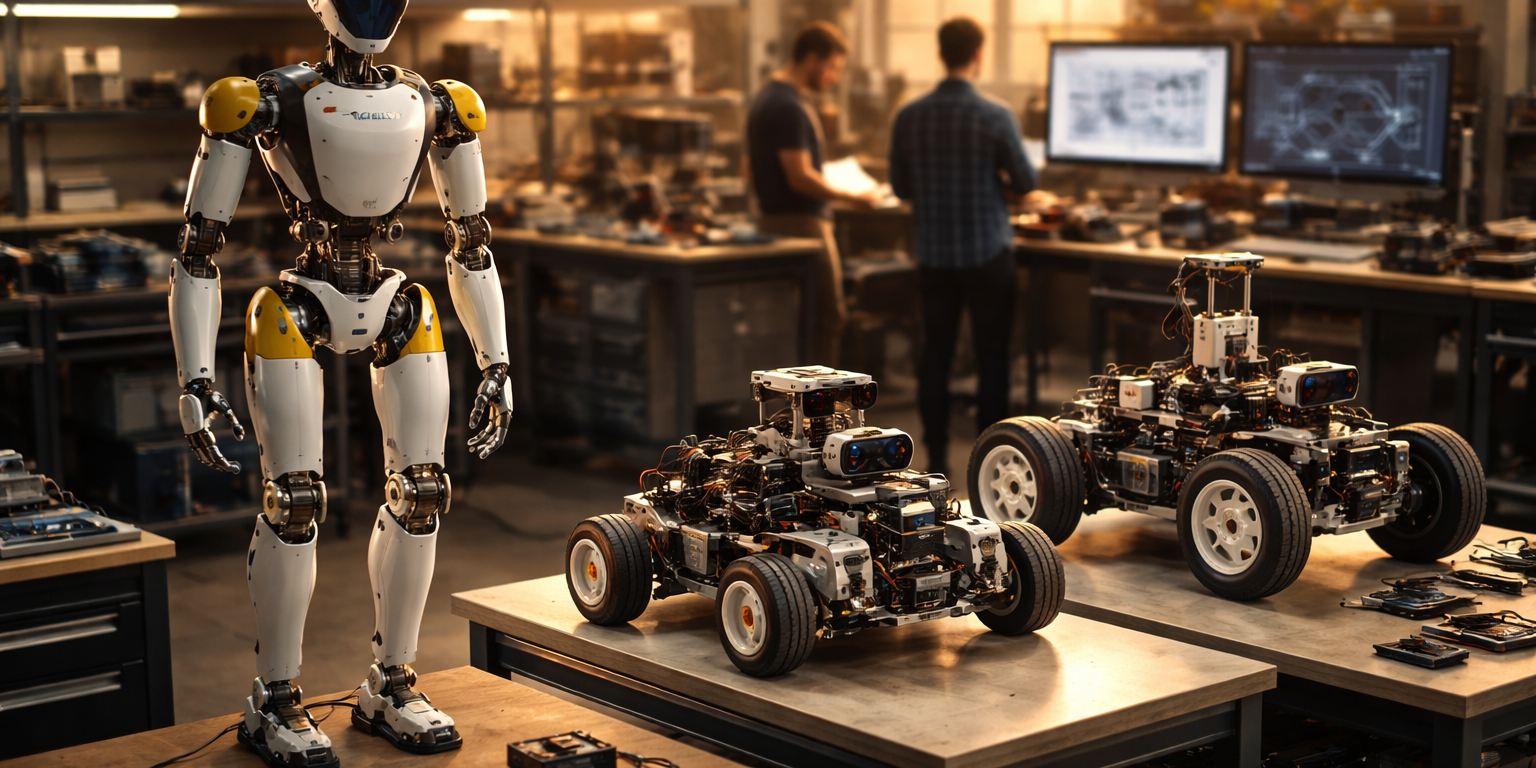
Tesla intends to deploy thousands of Optimus humanoid robots inside its own manufacturing facilities before the end of 2026, according to public statements from Elon Musk tracked across company announcements this year. The timeline represents an acceleration from earlier estimates and places the electric vehicle manufacturer among the most aggressive industrial adopters of bipedal robotics globally. Tesla has not disclosed which factories will receive the robots first or specified the tasks they will perform, though previous demonstrations showed Optimus units handling battery cell sorting and light assembly work at the Fremont, California plant. The internal deployment strategy sidesteps the commercial sales questions that have dogged Boston Dynamics, Figure AI, and other humanoid developers, allowing Tesla to refine hardware and control systems under controlled conditions before engaging external customers.
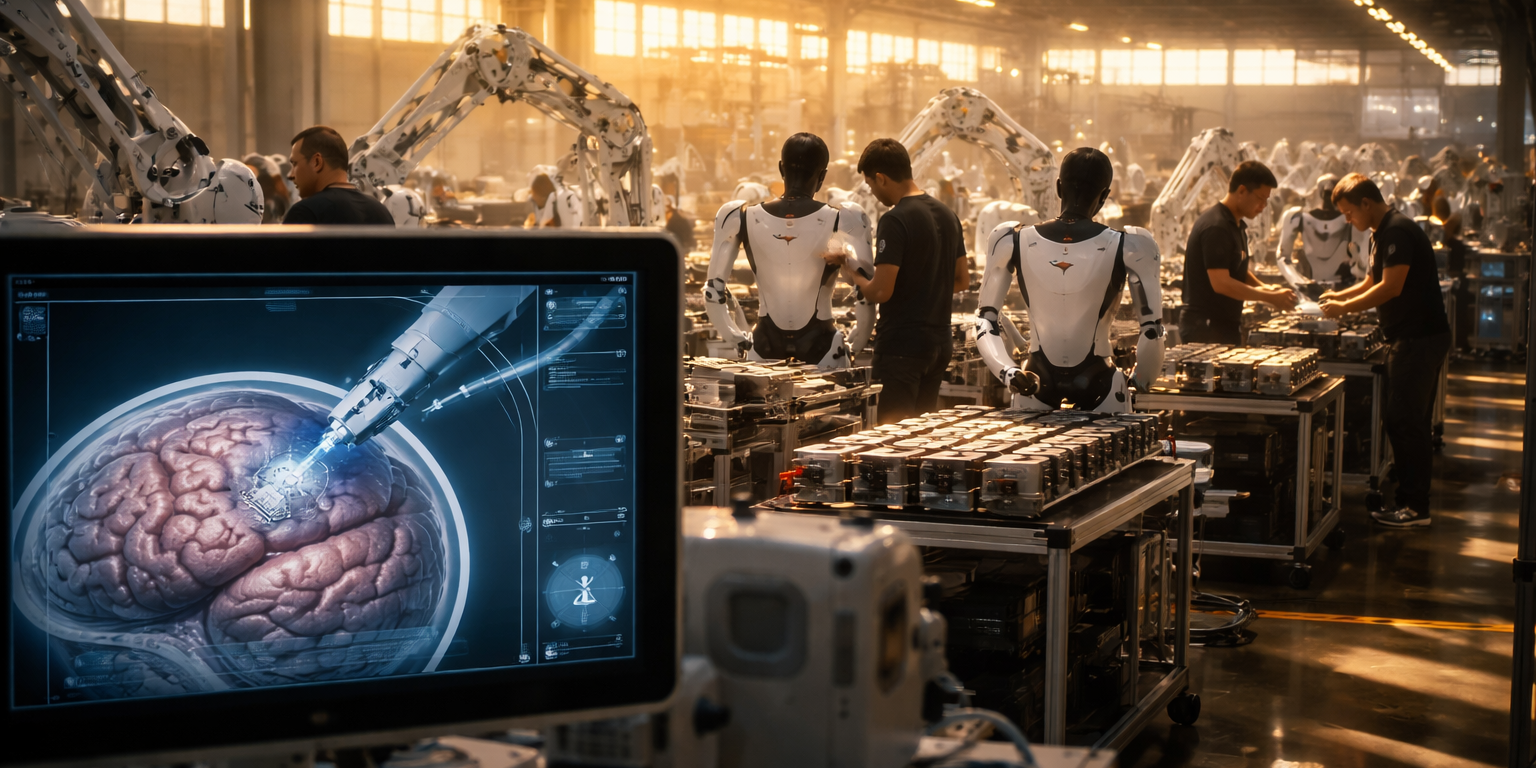
Neuralink, Musk's brain-computer interface venture, has implanted its N1 device in multiple human patients since receiving FDA approval for clinical trials in 2023. The company now aims to transition from experimental procedures to a commercial product rollout within the next twelve months, targeting patients with severe paralysis and neurodegenerative conditions. Second-generation hardware entered testing earlier this year with higher electrode density and improved signal processing, addressing surgical complications that emerged during initial implants. Neuralink faces competition from Synchron, which began human trials in 2021 with a less invasive stent-based approach, and Blackrock Neurotech, which has implanted its Utah Array in over 50 patients since 2004. The race to commercialization hinges on demonstrating reliable long-term performance, which none of the competitors have yet proven at scale beyond research settings.
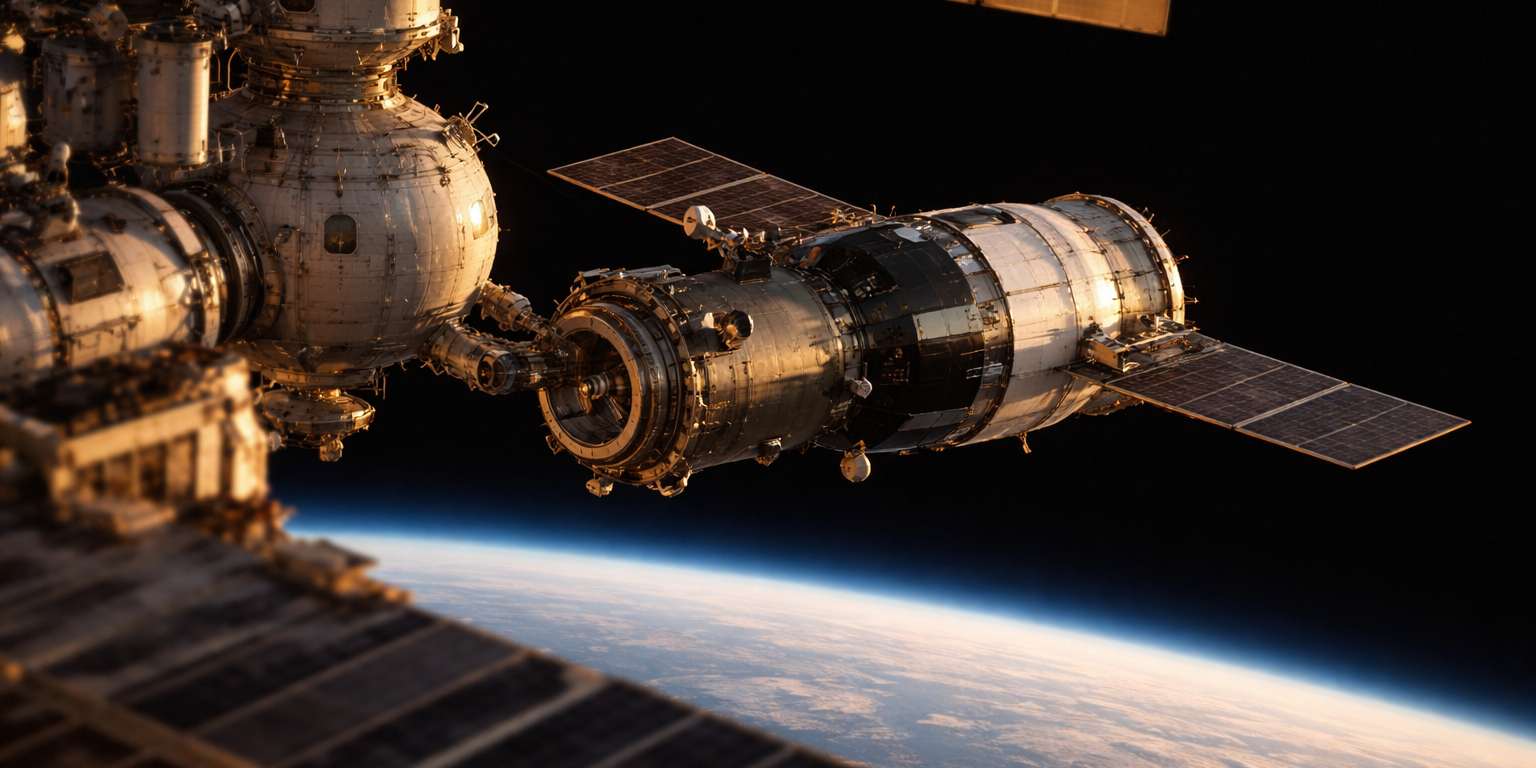
SpaceX continues Starship development with orbital refueling demonstrations planned before the vehicle attempts crewed lunar missions under NASA's Artemis program. The fully reusable heavy-lift system completed its fifth integrated flight test in October 2024, successfully catching the Super Heavy booster with mechanical arms at the launch tower in Boca Chica, Texas. Starship's 120-ton payload capacity to low Earth orbit exceeds any operational rocket by a factor of three, enabling satellite constellation deployment economics that SpaceX competitor OneWeb cannot match with conventional launch vehicles. The vehicle's reusability profile, if demonstrated as designed, would reduce launch costs below $10 million per flight according to SpaceX estimates, though independent analysts suggest $20-30 million represents a more realistic near-term floor given maintenance and operational overhead.
Tesla's Full Self-Driving system entered unsupervised operation in Texas and California earlier this year after accumulating over 2 billion miles of supervised driving data. The company projects broader regulatory approval across additional states by 2027, contingent on demonstrating safety performance that exceeds human drivers by statistically significant margins. Waymo operates commercially in San Francisco, Phoenix, and Los Angeles with approximately 700 Jaguar I-PACE vehicles, while Cruise suspended operations in 2024 following a pedestrian dragging incident but resumed limited testing in early 2026. Tesla's approach differs fundamentally from competitors through its vision-only sensor suite, eschewing the lidar systems that Waymo, Cruise, and Aurora Innovation consider essential for reliable perception. The architectural choice reduces hardware costs but demands vastly more training data to compensate for cameras' inferior range and weather performance compared to lidar point clouds.
Musk's Dojo supercomputer project aims to reduce Tesla's dependence on NVIDIA H100 GPUs for neural network training, while xAI constructs what it claims will become the world's largest AI training cluster in Memphis, Tennessee. The facility's projected 100,000 GPU installation would exceed Meta's current largest cluster by 30 percent, assuming xAI secures sufficient power supply from the Tennessee Valley Authority. Colossus, xAI's initial Memphis deployment, went operational in September 2024 with 100,000 NVIDIA H100 GPUs, but the expansion to custom Tesla-designed chips faces the same manufacturing constraints that have delayed Dojo's rollout. TSMC's 3nm production capacity remains constrained through 2027, forcing AI companies into a zero-sum competition for wafer starts where hyperscalers like Microsoft, Google, and Amazon command purchasing leverage that startups cannot match.
What to Watch: Tesla's Q4 2026 earnings call should clarify Optimus deployment numbers and any performance metrics from factory operations. Neuralink's FDA submissions for commercial approval will signal whether the company can transition from experimental to scalable procedures within the stated timeline. SpaceX's orbital refueling demonstration, currently scheduled for Q1 2027, represents the critical path milestone for Artemis lunar missions and commercial Starship viability. Track TSMC capacity allocation announcements for any indication that xAI or Tesla secured additional 3nm wafer starts for custom chip production.