Mistral AI released Robostral Navigate in late June 2026, an 8-billion-parameter model trained on robotics tasks including manipulation, navigation, and sensor fusion. The model runs inference on hardware configurations common in factory settings—specifically systems with 16GB of VRAM or less—without requiring persistent cloud connections. That combination addresses two friction points that have slowed adoption of foundation models in manufacturing: network latency for real-time control loops and reluctance to send production floor data off-premises. Mistral provided benchmark results showing the model achieves 92% success rates on standard pick-and-place tasks and 87% on dynamic obstacle avoidance in simulated environments, figures that place it within range of larger models that require server-grade infrastructure. The company has not disclosed training data sources, compute costs, or licensing terms beyond confirming commercial use requires a separate agreement.
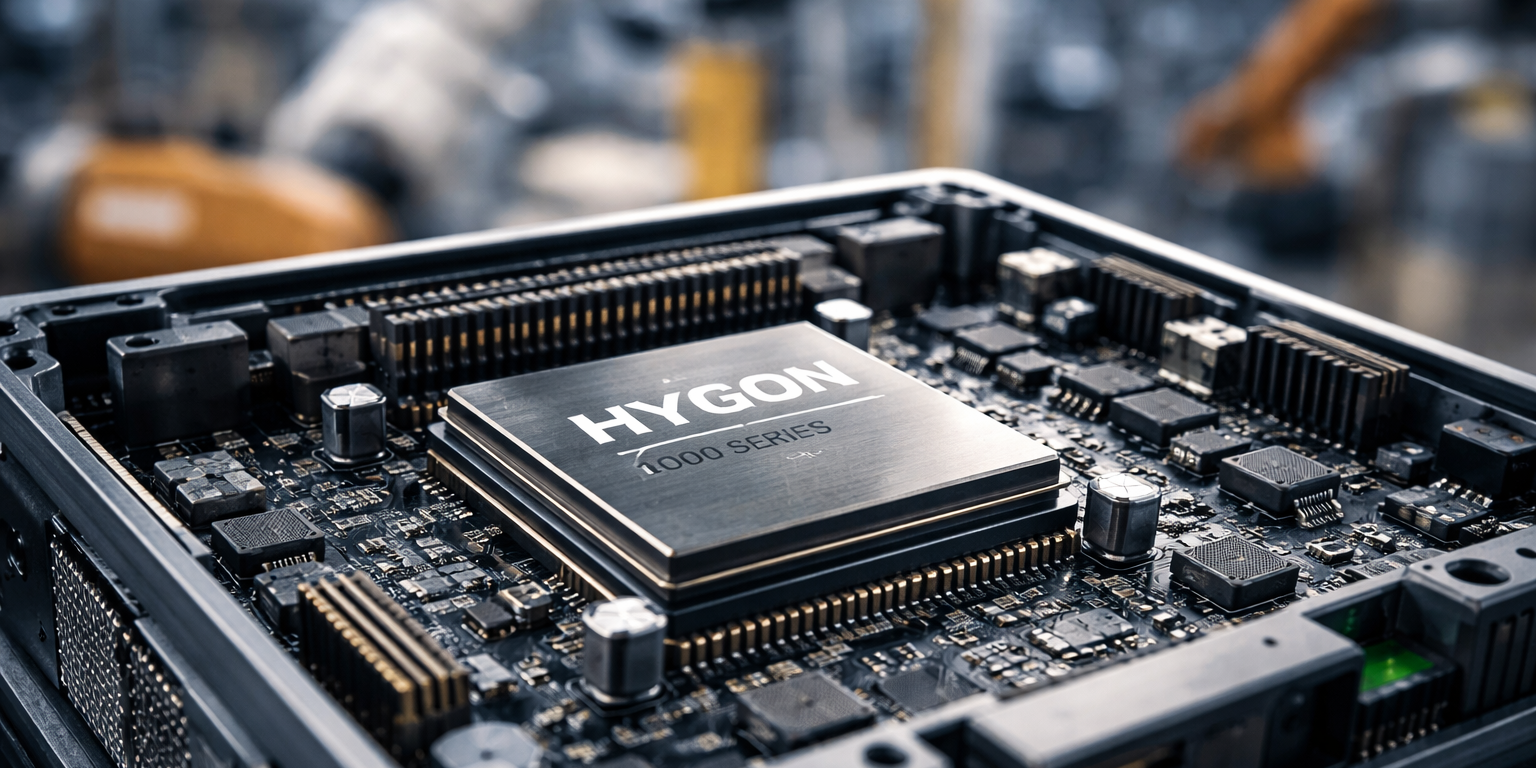
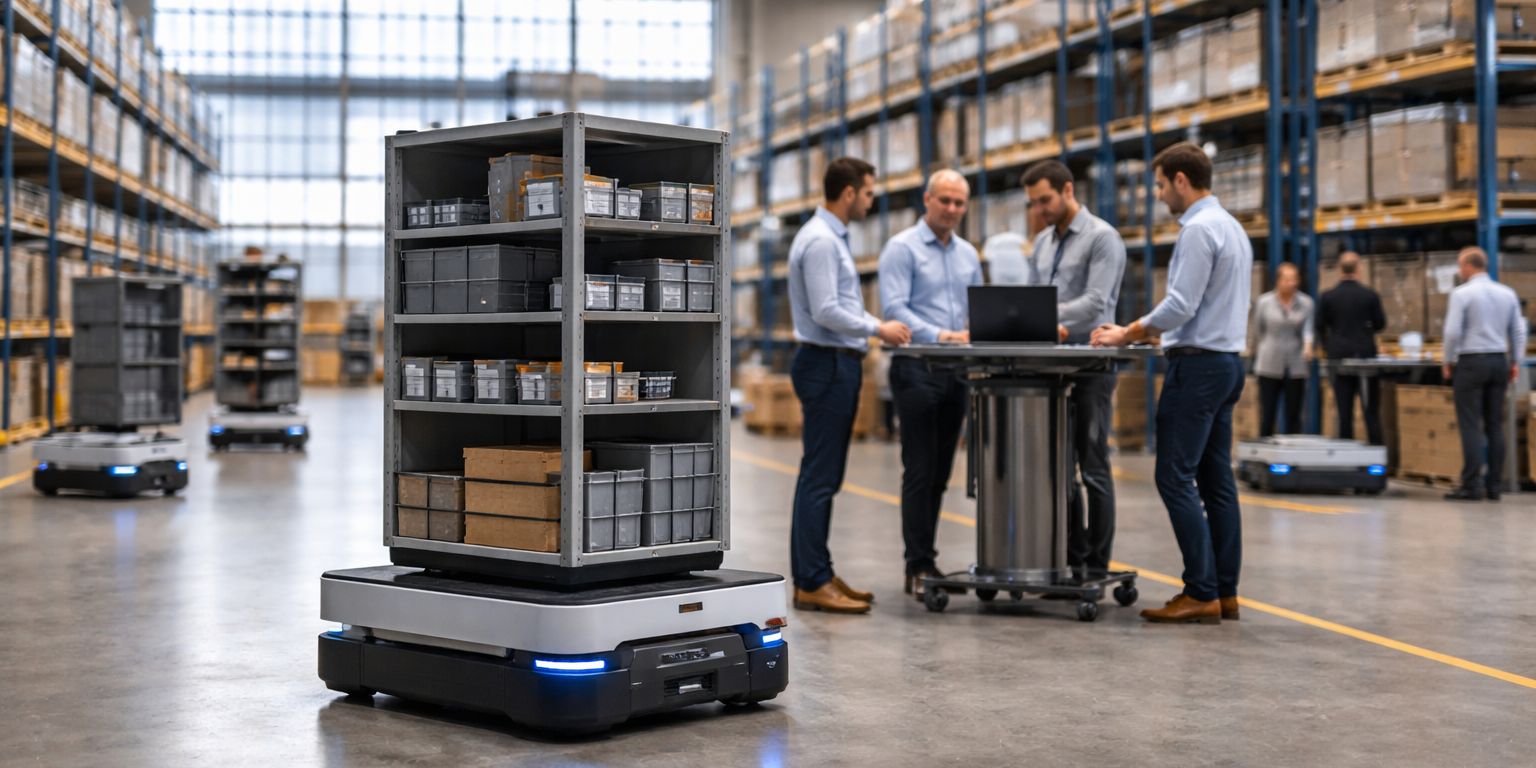
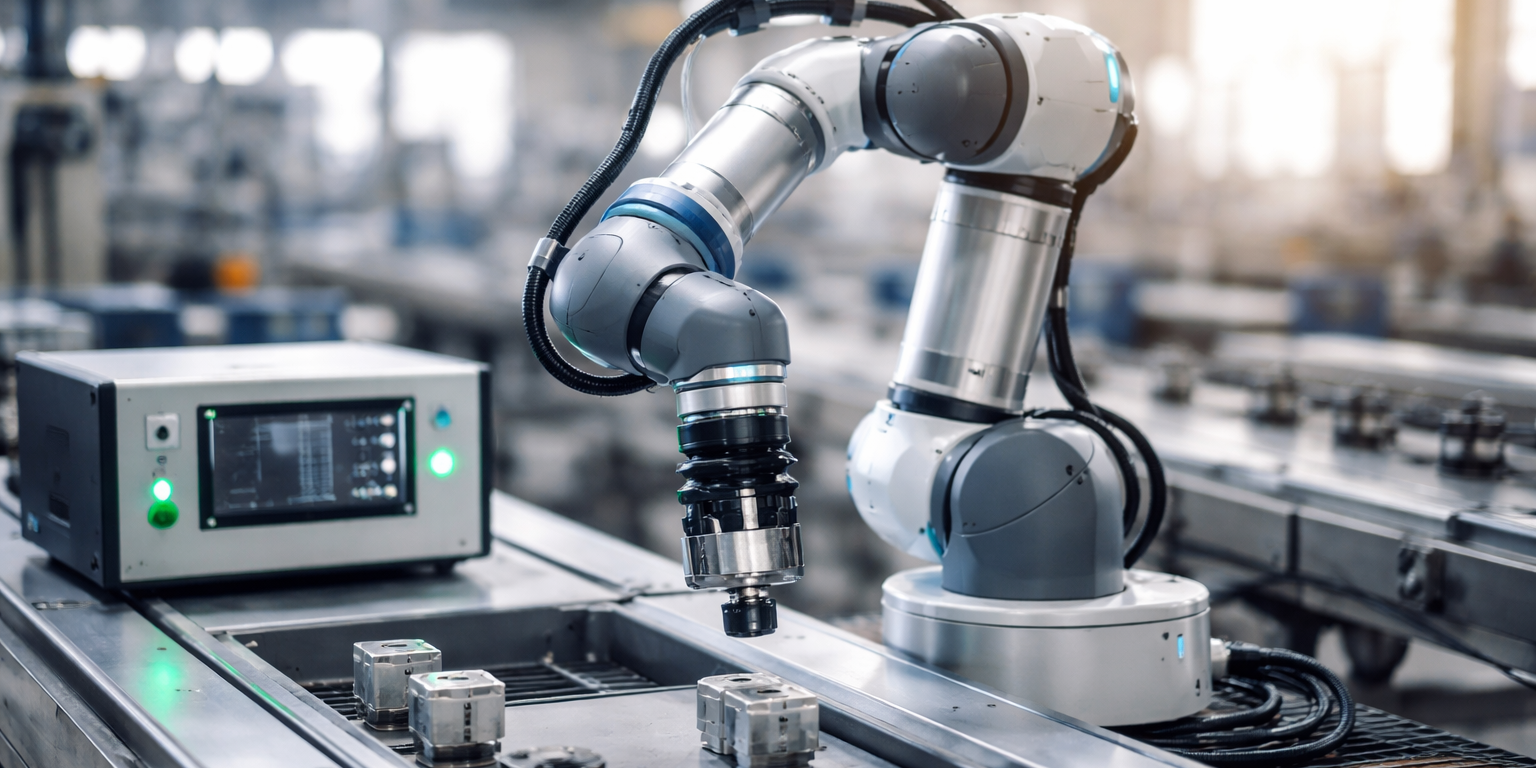
Mistral built its reputation on efficient language models that compete with larger rivals on specific tasks, and Robostral Navigate extends that approach into embodied AI. The 8-billion-parameter count sits well below the 70-billion-plus models some robotics labs have experimented with, but those larger systems rarely leave research settings due to hardware demands. Companies deploying robots in warehouses, distribution centers, and assembly lines typically provision compute at the edge—industrial PCs mounted on mobile platforms or in control cabinets—not racks of GPUs. Robostral Navigate targets that deployment reality. The model accepts inputs from common industrial sensors including RGBD cameras, lidar arrays, and joint encoders, then outputs trajectory commands compatible with standard robot operating system middleware. Mistral claims the architecture supports fine-tuning on custom tasks with datasets as small as 500 annotated examples, a threshold relevant for manufacturers with proprietary processes who cannot share data externally for training.
The release arrives as robotics companies face a tension between the appeal of general-purpose AI and the constraints of production environments. Foundation models trained on internet-scale data have demonstrated emergent capabilities in language and vision, and labs including Google DeepMind, OpenAI, and Physical Intelligence have published results showing similar models can control robots across multiple tasks. But deploying those systems in industrial settings involves tradeoffs. Latency matters when a robot arm moves at two meters per second near human workers. Data residency matters when a pharmaceutical manufacturer runs a proprietary compounding process. Cost per inference matters when a fleet operator runs 200 units per shift. Robostral Navigate offers a data point for evaluating those tradeoffs: a model small enough to fit existing hardware budgets, trained broadly enough to generalize across tasks, but requiring validation on each specific application before deployment. Mistral has not announced manufacturing partners testing the model in production, though the company confirmed pilot projects are underway with undisclosed industrial automation firms in Europe and North America.
The broader implication centers on investment allocation in the robotics stack. If smaller, task-specific models prove sufficient for most industrial applications, capital flows differently than if the industry consolidates around a few massive general-purpose systems. Hardware vendors building edge AI accelerators, integrators customizing solutions for end users, and manufacturers evaluating build-versus-buy decisions all adjust plans based on which model architecture wins deployment share. Mistral's entry adds a credible alternative to vertically integrated offerings from robotics companies that bundle proprietary models with their hardware, and to cloud-based AI services that require connectivity most factory floors lack. The model's performance will ultimately be judged not on benchmarks but on whether integrators specify it in proposals, whether it passes safety validation for deployment near workers, and whether the economics pencil compared to hand-coded controls or human-labeled data pipelines. Those answers will emerge over the next two quarters as pilot deployments either scale or stall.
What to Watch: Track whether Mistral discloses customer names or deploys Robostral Navigate in publicly observable settings like logistics hubs before year-end 2026, which would validate the model beyond simulation. Monitor announcements from industrial PC and edge accelerator vendors—companies such as NVIDIA, AMD, and Intel—regarding optimized inference support, as hardware partnerships often precede volume deployments. Watch for benchmarking studies from third-party labs comparing Robostral Navigate to models from Sanctuary AI, Tesla, Figure AI, and Physical Intelligence on identical tasks, since independent validation matters more than vendor claims in procurement decisions. Finally, observe Mistral's licensing terms once formalized, particularly pricing structure and data residency requirements, as those details determine addressable market among manufacturers with strict IT policies.