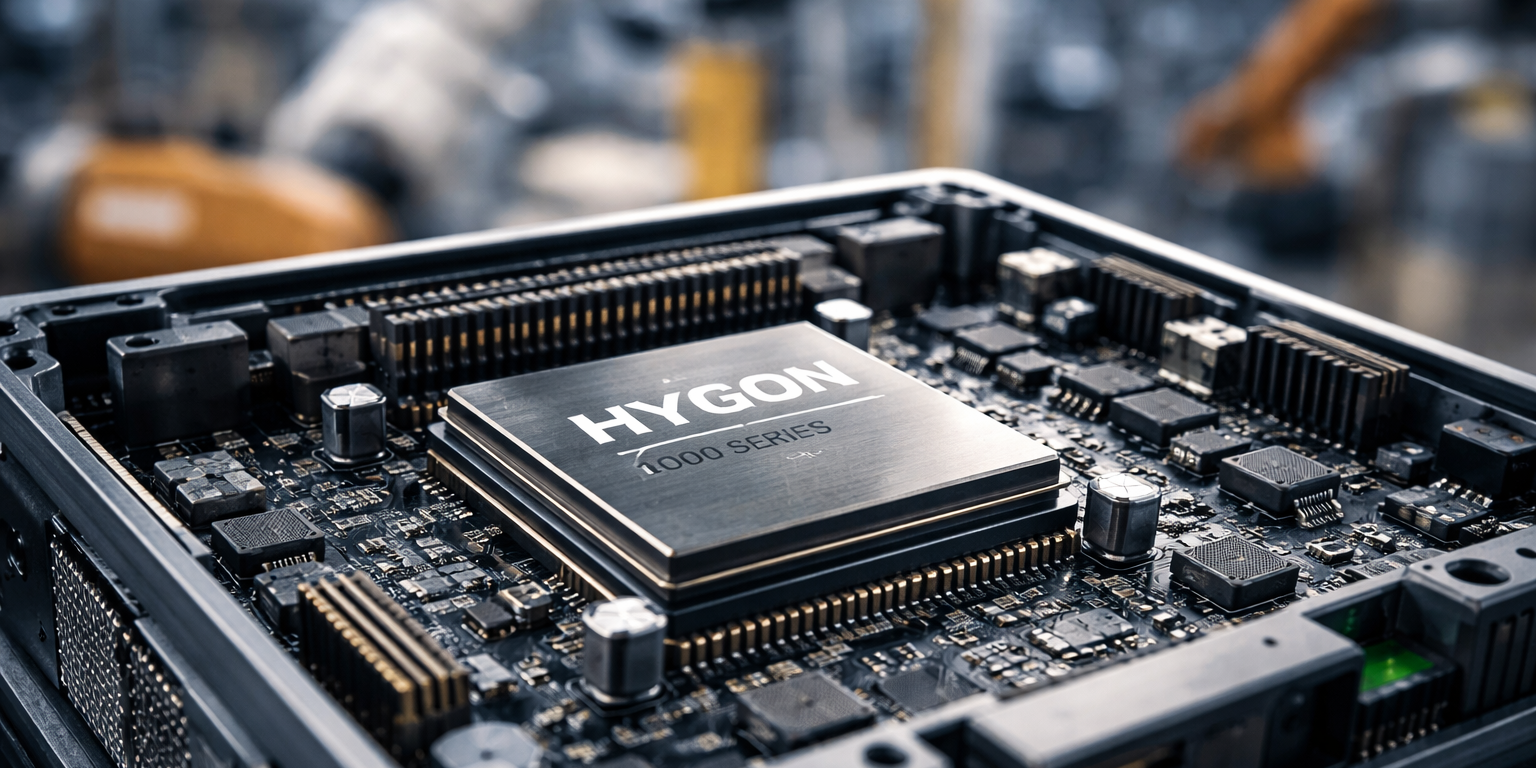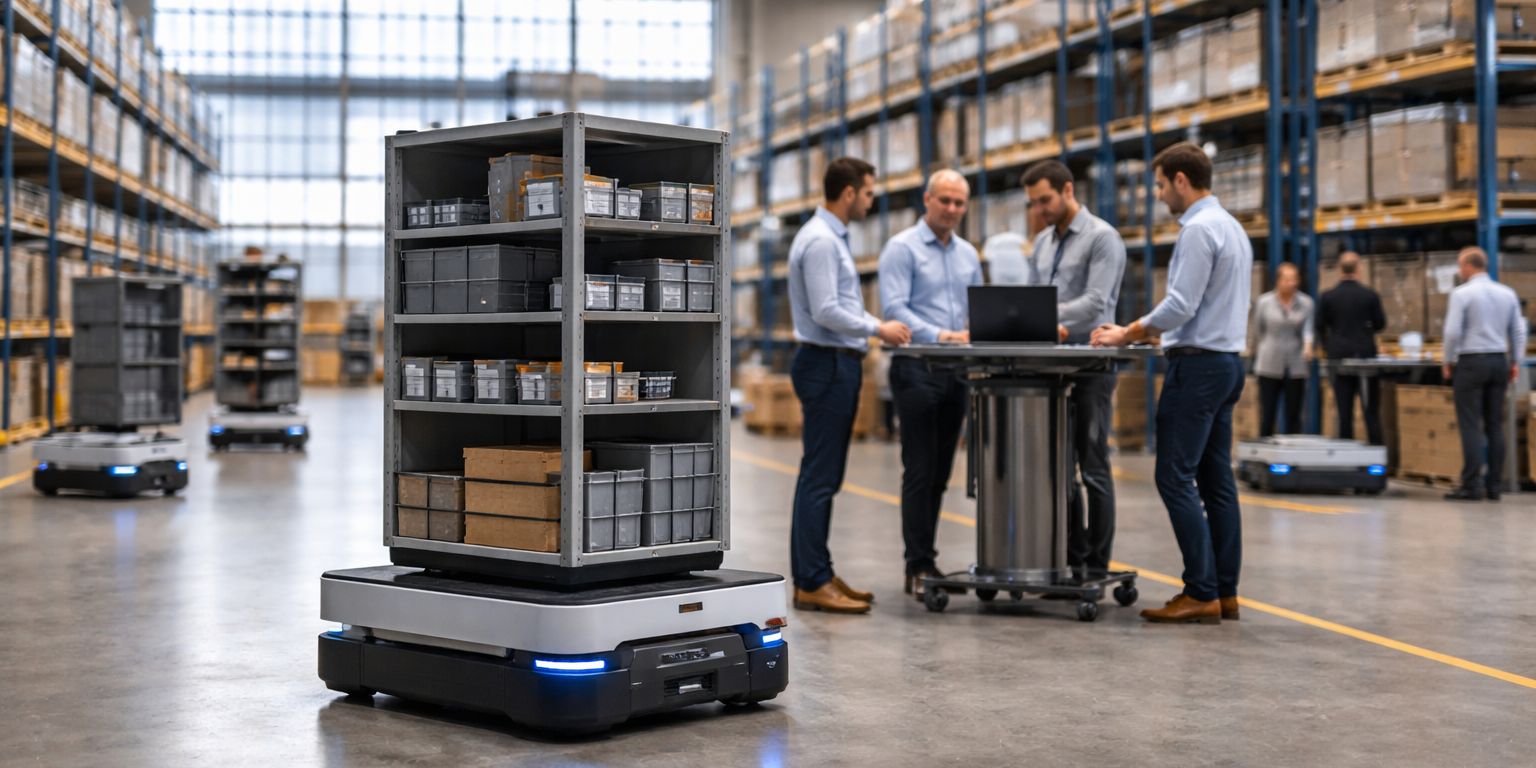
GMEX Robotics has signed a letter of intent to acquire an undisclosed equity position in a California-based robotics and industrial AI company, a move aimed at building what it describes as a next-generation physical AI connectivity and sensing platform. The target company's identity remains under wraps pending finalized terms, though GMEX says the acquisition would eliminate wireless communication bottlenecks that currently constrain autonomous robot fleet coordination in warehouses and manufacturing facilities. No financial terms were disclosed.
The deal reflects a broader industry shift toward software-driven business models as robotics hardware increasingly becomes commoditized. GMEX positions the acquisition as a strategic pivot toward recurring subscription revenue rather than one-time equipment sales. Wireless latency and bandwidth constraints have emerged as limiting factors for fleets of autonomous mobile robots that must coordinate movements, share sensor data, and respond to dynamic changes in real time. Current WiFi and cellular infrastructure often cannot handle the data throughput required when dozens or hundreds of robots operate in close proximity, leading to jerky movements, failed handoffs, and safety shutdowns. The California company apparently addresses these issues through proprietary wireless protocols or edge computing architecture, though specifics remain sparse in the announcement.
GMEX has historically focused on robotics hardware development and integration services, sectors where margins compress as competition intensifies. Software subscriptions offer predictable revenue streams and gross margins often exceeding 70 percent, a stark contrast to hardware sales where margins can fall below 30 percent after factoring in components, assembly, and warranty costs. The company's letter of intent suggests it sees wireless coordination software as a platform opportunity, potentially licensing the technology to other robotics manufacturers or charging fleet operators monthly fees based on the number of deployed units. Whether GMEX plans a minority stake for strategic access or a controlling interest for full platform ownership remains unclear from public statements.
The timing aligns with accelerating deployments of autonomous mobile robots across logistics and manufacturing. Warehouses operated by third-party logistics providers have become testing grounds for mixed fleets from multiple vendors, creating interoperability headaches. A robot from one manufacturer often cannot communicate directly with another vendor's units, forcing operators to rely on centralized fleet management systems that add latency and single points of failure. Startups and established players alike are pursuing wireless mesh networks, dedicated spectrum solutions, and ultra-wideband protocols to solve these coordination challenges. GMEX appears to be betting that acquiring proven technology beats internal development for speed to market. Letters of intent typically include due diligence periods lasting 60 to 90 days, during which financial audits, technology validation, and regulatory reviews occur before final agreements. The announcement did not specify a timeline for closing, leaving open the possibility that the deal could collapse if discoveries during diligence prove unfavorable.
Industry observers will watch whether GMEX can successfully integrate a software acquisition into its existing hardware operations, a transition that has proven difficult for many robotics companies. Cultural clashes between hardware engineering teams focused on physical reliability and software teams prioritizing rapid iteration have derailed past deals. The shift to subscription revenue also demands different sales strategies, customer support infrastructure, and financial forecasting models. GMEX will need to demonstrate that the California company's technology works across diverse industrial environments and can scale beyond initial pilot deployments. If successful, the acquisition could pressure competitors to pursue similar deals or accelerate internal wireless coordination development. The robotics industry has seen a recent flurry of software-focused acquisitions as companies seek differentiation beyond mechanical design and sensor integration.
What to Watch: Monitor whether GMEX discloses the California target company's identity and equity stake percentage once due diligence concludes, likely within 90 days. Track announcements from competitors such as Zebra Technologies, Teradyne's Mobile Industrial Robots unit, and Locus Robotics regarding wireless fleet coordination technology or similar acquisitions. Watch for GMEX product launches or partnership announcements in Q3 or Q4 2026 that reveal how the combined companies plan to commercialize the connectivity platform. Pay attention to whether GMEX begins reporting software subscription revenue as a separate line item in future financial statements, signaling the business model transition is underway.