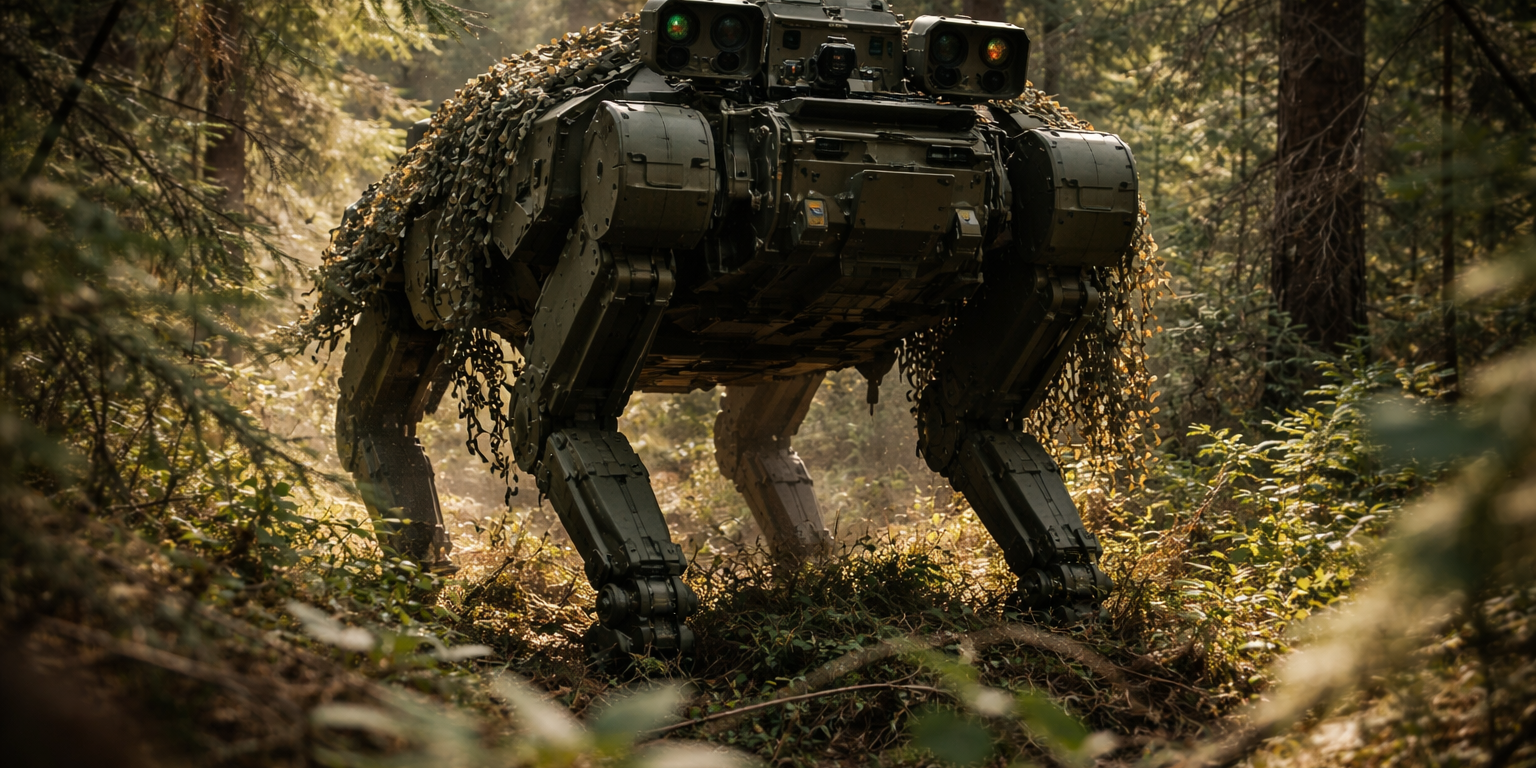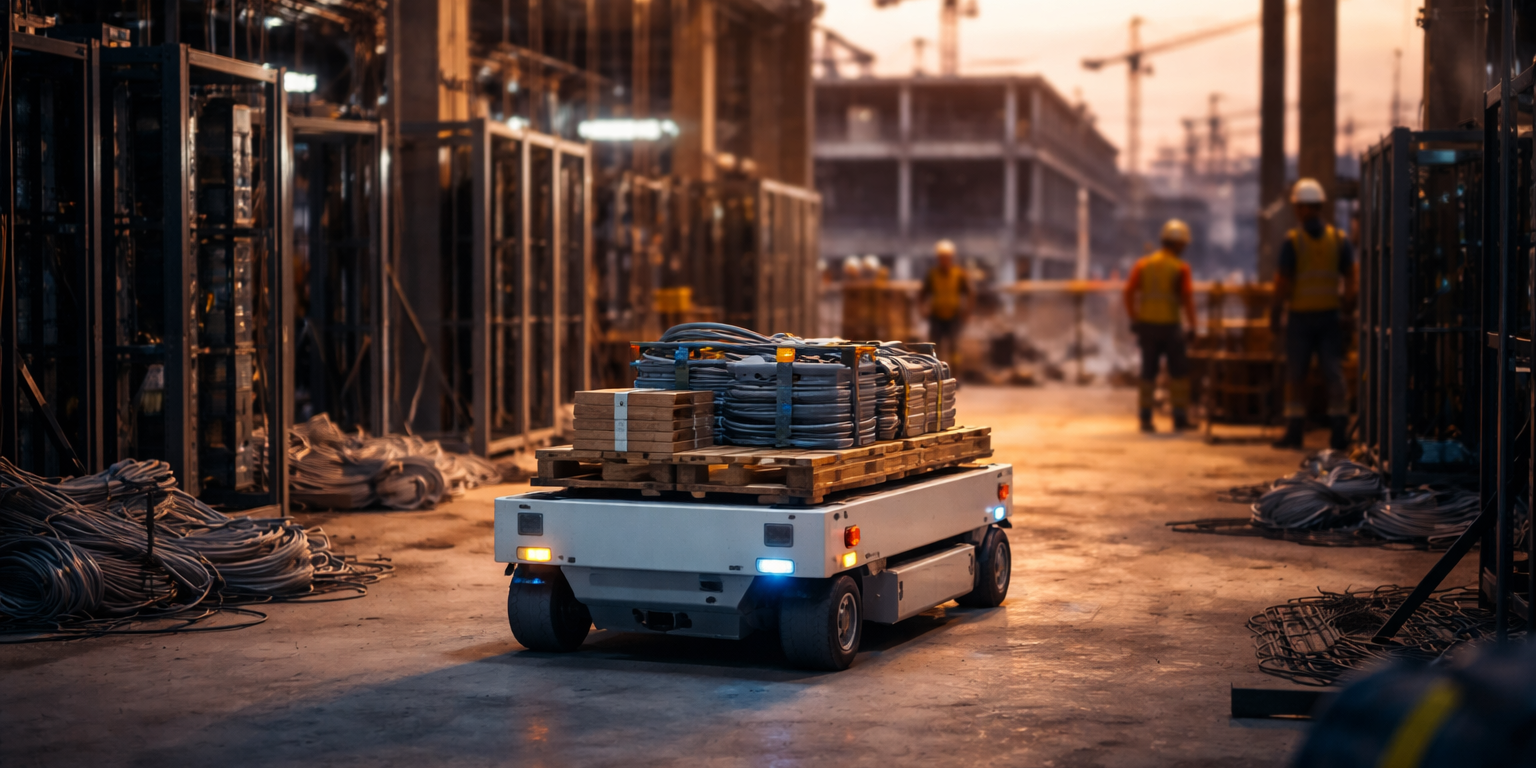
Meta Platforms has deployed autonomous mobile robots across multiple facilities in its data center network, automating tasks that range from moving construction materials on build sites to performing routine maintenance checks in operational server halls. The company declined to specify how many units are currently in service or which robotics vendors supply the hardware, but sources familiar with the deployment describe it as spanning both greenfield construction projects and mature operational sites across North America and Europe.
The timing aligns with Meta's publicly stated commitment to spend upward of $65 billion on infrastructure in 2026 alone, the majority earmarked for AI training capacity to support its Llama model family and internal recommendation systems. Data center construction timelines have become a bottleneck across the industry, with lead times for new facilities stretching past eighteen months in some markets due to electrical grid constraints and skilled labor shortages. Autonomous systems that can operate continuously during construction phases—moving rebar, positioning modular components, transporting tools between work zones—directly address the labor availability problem without requiring changes to building codes or permitting processes that govern human workers. Meta's facilities team reportedly views the robots as a way to maintain construction velocity even as the company scales its footprint into secondary markets where experienced data center tradespeople are scarce.
Once a facility goes live, the same robots transition to operational roles. They conduct thermal imaging surveys to identify cooling inefficiencies, transport replacement components to technicians working on server racks, and perform visual inspections of cable runs and power distribution units. These are tasks that human operators handle today, but they consume time that could otherwise go toward higher-complexity troubleshooting or capacity planning work. The operational cost structure shifts meaningfully when robots priced at roughly $80,000 to $150,000 per unit—a typical range for industrial AMRs with navigation and manipulation capabilities—can run three shifts without additional labor expenses. For a hyperscaler operating dozens of facilities, each employing hundreds of technicians and contractors, even a modest reduction in person-hours per megawatt of capacity translates to eight-figure annual savings at scale.
The deployment also signals where Meta expects its competitive edge to come from as the AI infrastructure race intensifies. Google, Microsoft, and Amazon have all disclosed automation initiatives within their cloud operations, but few have provided specifics about robotics on the construction side. Meta's willingness to integrate autonomous systems earlier in the facility lifecycle suggests the company sees speed-to-deployment as critical, particularly as it competes for the same scarce electrical capacity and real estate that rivals are pursuing. If robots can shave weeks off a construction schedule or reduce the technician headcount required to maintain uptime SLAs, those advantages compound across a portfolio that Meta plans to expand significantly before the end of 2027. Industry analysts note that the labor savings matter less than the throughput gains: in a market where demand for AI compute consistently outstrips supply, the operator who can light up new capacity fastest captures disproportionate revenue.
What to Watch: Monitor whether Meta discloses robotics vendors or performance metrics during its Q3 2026 earnings call in late October, particularly any data linking automation to construction cycle time reductions. Track announcements from Boston Dynamics, Agility Robotics, or Fetch Robotics around hyperscale data center partnerships, as these firms have the necessary payload and navigation capabilities. Watch for labor union responses in markets where Meta is building, especially if automation visibly reduces contractor staffing levels on high-profile projects. Finally, observe whether AWS or Google Cloud reference similar deployments in their own infrastructure updates before year-end, which would confirm this as an industry-wide shift rather than a Meta-specific initiative.