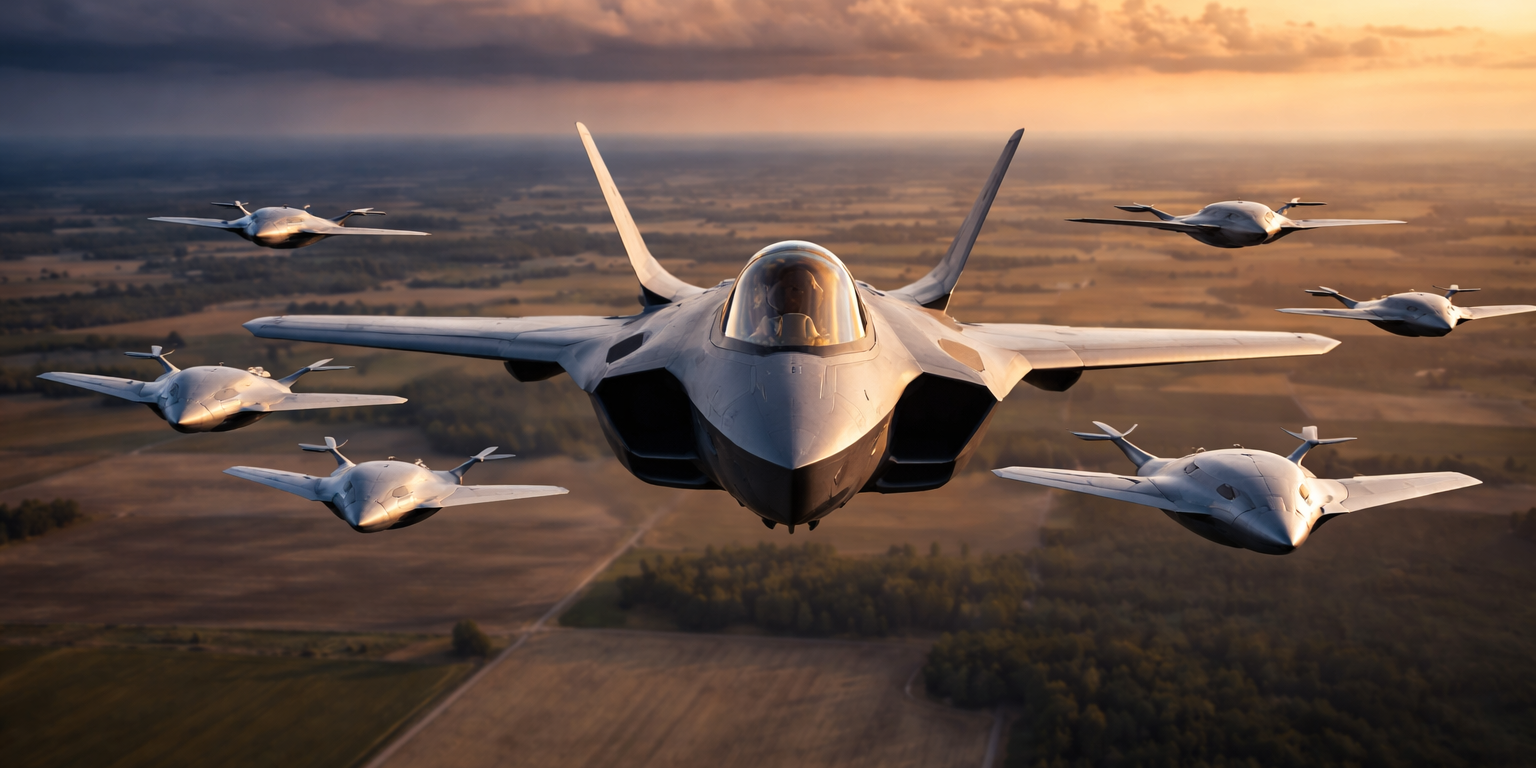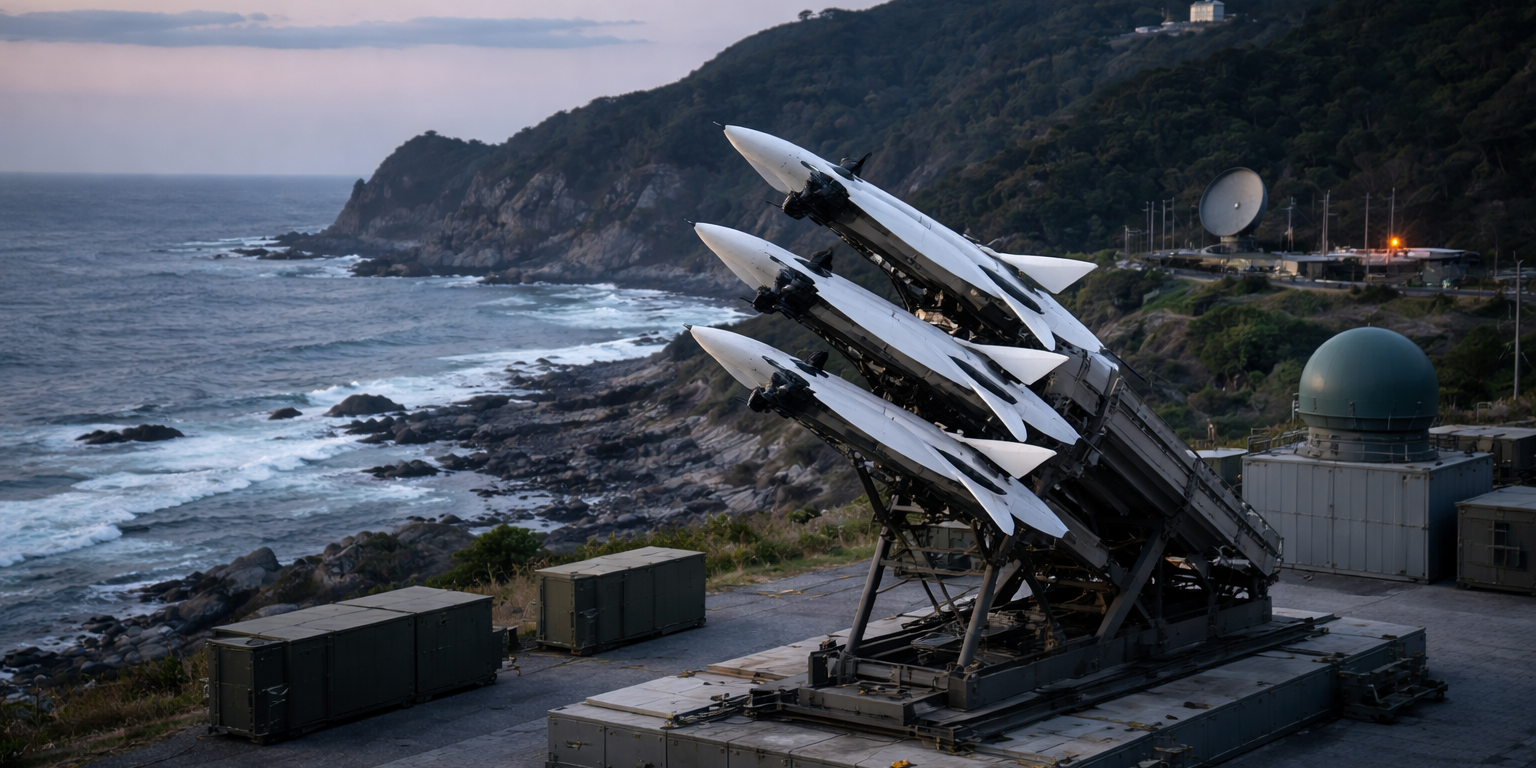
Japan's Ministry of Defense plans to complete installation of interceptor drone systems across radar sites, naval bases, and other critical military locations by the end of 2027, joining a procurement wave that has seen defense agencies worldwide funnel billions into counter-unmanned aircraft capabilities over the past eighteen months. The timeline compresses what neighboring South Korea stretched across three years into a single fiscal cycle. Sources familiar with the procurement process say specifications favor kinetic intercept over electronic warfare jamming, reflecting lessons from Ukraine where radio frequency countermeasures proved less effective than physical destruction against adaptive swarm tactics.
The decision follows two years of quiet trials at Japan Self-Defense Force facilities in Hokkaido and Kyushu prefectures, where Israeli-made Drone Dome and American Coyote systems underwent evaluation against DJI Matrice 300 surrogates and custom-built fixed-wing platforms. Those tests, conducted between March 2024 and November 2025, revealed detection gaps at ranges below 800 meters in coastal environments where radar clutter from wave action degraded tracking algorithms. Engineers at Mitsubishi Heavy Industries and Kawasaki Heavy Industries subsequently pitched indigenous solutions combining millimeter-wave radar with optical tracking, though ministry officials have not disclosed whether domestic providers will win contracts or whether Japan will license foreign technology for local assembly. Defense budget documents reviewed by industry analysts show ¥47 billion allocated for counter-UAS procurement through fiscal 2028, with roughly 60 percent earmarked for hardware acquisition and the remainder covering training, maintenance, and system integration with existing air defense networks.
The urgency stems from confirmed incursions over Japanese territory by unidentified drones, including a September 2025 incident near Yokota Air Base that prompted a two-hour ground stop for all military aviation in the Kanto region. Public details remain scarce, but flight data analyzed by independent researchers suggests the intruding aircraft operated in pairs, used commercial LTE for command and control rather than traditional radio frequencies, and executed coordinated reconnaissance patterns consistent with pre-programmed waypoint navigation rather than human piloting. That incident alone reportedly accelerated procurement timelines by six months and shifted doctrine from passive detection to active interdiction. Japan now joins the United States, United Kingdom, South Korea, and Australia in fielding dedicated counter-drone units, creating a de facto Pacific alliance posture that mirrors NATO's approach in Eastern Europe. The systems will initially protect 14 named locations including Misawa Air Base, the Akizuki-class destroyer fleet, and air defense command centers in Tokyo and Osaka, with expansion to 40 sites contingent on budget approval in the next legislative session.
For robotics suppliers, Japan represents the last major developed economy without a formalized counter-UAS procurement framework, making it a prize market estimated at $2.3 billion through 2032 by defense consultancy Avascent. Israeli firms Rafael Advanced Defense Systems and Israel Aerospace Industries hold early advantages given their systems' combat validation in Gaza and Lebanon, but American competitors including Anduril Industries and Raytheon have established Tokyo offices within the past fourteen months specifically to pursue this opportunity. European entrants face steeper challenges: MBDA's SkyWarden system, while operationally mature, requires integration with NATO Link 16 protocols that Japan has not fully adopted, adding engineering costs that may price it out of initial tranches. The technical requirements favor modular architectures that combine hard-kill effectors like net-capture drones or projectile interceptors with soft-kill options including GPS spoofing and datalink jamming, giving systems integrators like NEC and Fujitsu potential roles even if foreign suppliers provide core components. Analysts note that whatever platforms Japan selects will likely become defaults for other East Asian nations including Indonesia, the Philippines, and Vietnam, multiplying the commercial stakes beyond the immediate Japanese contracts.
What to Watch: Ministry of Defense shortlist announcements expected in Q4 2026 will reveal whether Japan prioritizes battle-proven foreign systems or accepts higher risk with domestic development. Track Mitsubishi Heavy Industries and Kawasaki Heavy Industries earnings calls for R&D spending increases that would signal indigenous platform efforts. Monitor whether Japan's deployment accelerates similar programs in Taiwan and Singapore, both of which have counter-UAS evaluations underway but no firm timelines. Separately, watch for doctrine publications from the Japan Self-Defense Force on rules of engagement for autonomous intercept, which will shape liability frameworks across Asia-Pacific commercial drone operations.