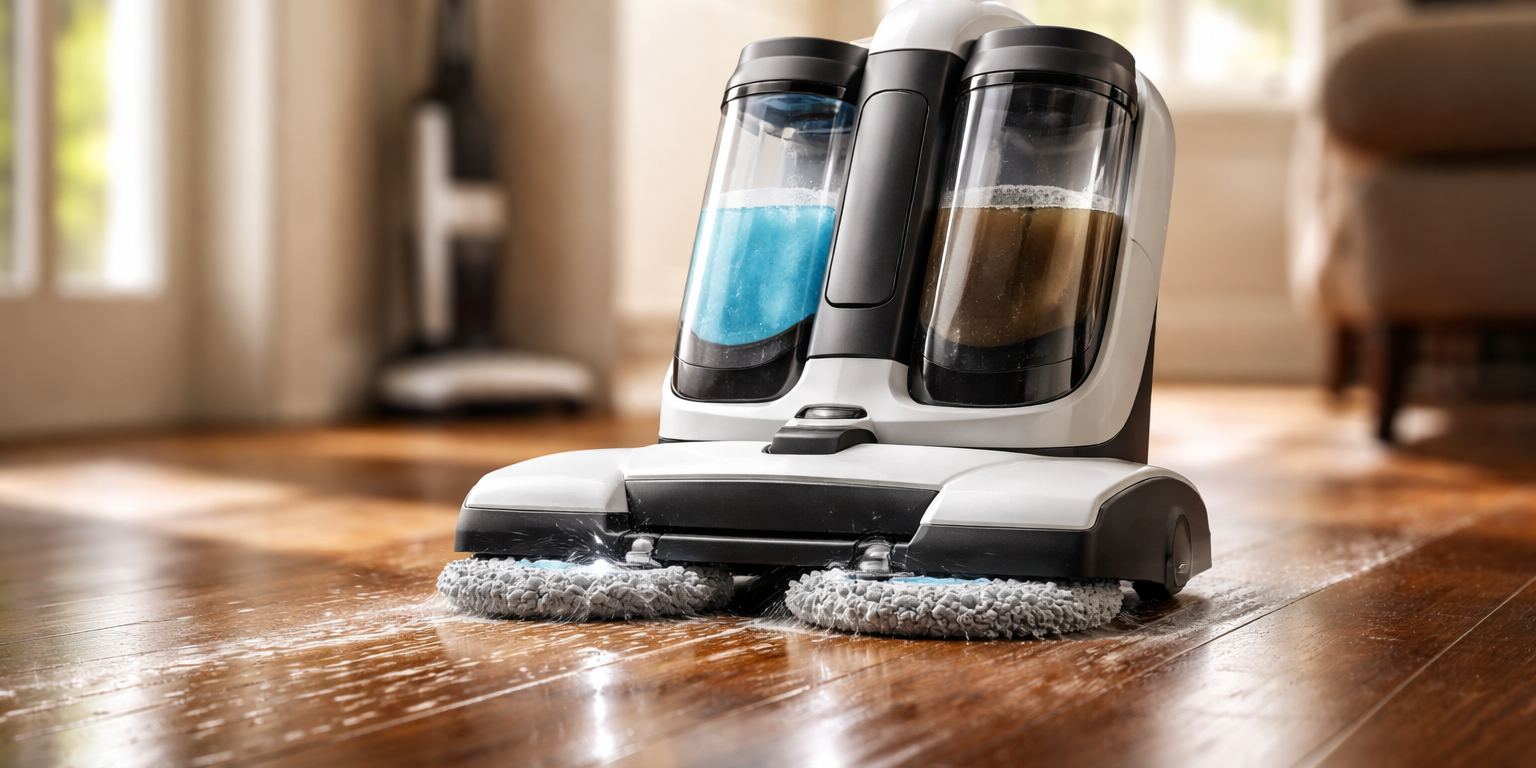
iRobot has begun shipping a hard floor cleaning system that operates as five distinct devices in one unit, marking the company's most significant product category expansion since it introduced wet mopping capabilities to the Roomba line. The new platform sweeps debris, washes floors with solution, applies EPA-registered disinfectant, dries surfaces, and cleans its own pads and tanks automatically after each cycle. The system represents a departure from iRobot's traditional focus on autonomous navigation, instead emphasizing chemical delivery and multi-stage liquid handling in a machine designed for hard surfaces only.
The company developed the floor cleaner over a three-year period following consumer research indicating that 68 percent of households use separate devices for vacuuming and deep-cleaning hard floors. Engineering teams based in Bedford integrated a dual-tank system that keeps clean solution separate from waste water, along with UV-C emitters that reduce bacteria on the cleaning pads between uses. The disinfecting solution, which iRobot formulated in partnership with a chemical supplier it declined to name, received EPA registration for efficacy against common household pathogens including E. coli and Staphylococcus aureus. The registration process took 14 months longer than iRobot initially projected, pushing the product launch from late 2025 into the current quarter.
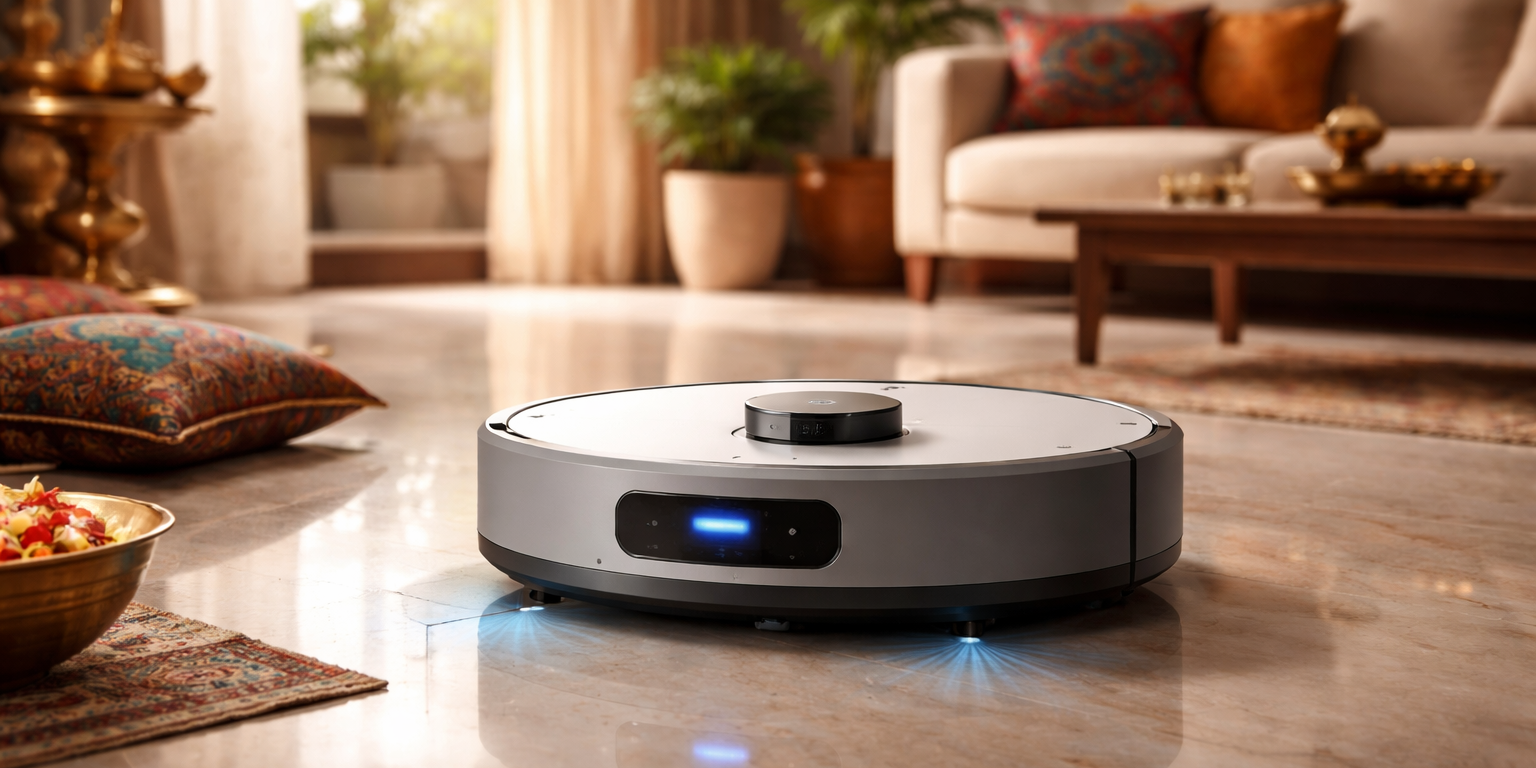
Alongside the floor cleaner, iRobot released three new Roomba models that incorporate updated obstacle recognition software and redesigned brush systems. The flagship model adds a front-facing camera to its existing suite of sensors, enabling it to identify and avoid objects as small as 2 centimeters in any lighting condition. This builds on technology iRobot first tested in commercial settings, where the company deployed several hundred units in office buildings and retail spaces across seven U.S. cities between February and November of 2025. Data from those pilots showed a 43 percent reduction in user interventions compared to previous-generation models. The camera system uses on-device processing rather than cloud connectivity, a response to privacy concerns that emerged after Amazon's 2022 acquisition attempt collapsed amid regulatory scrutiny.
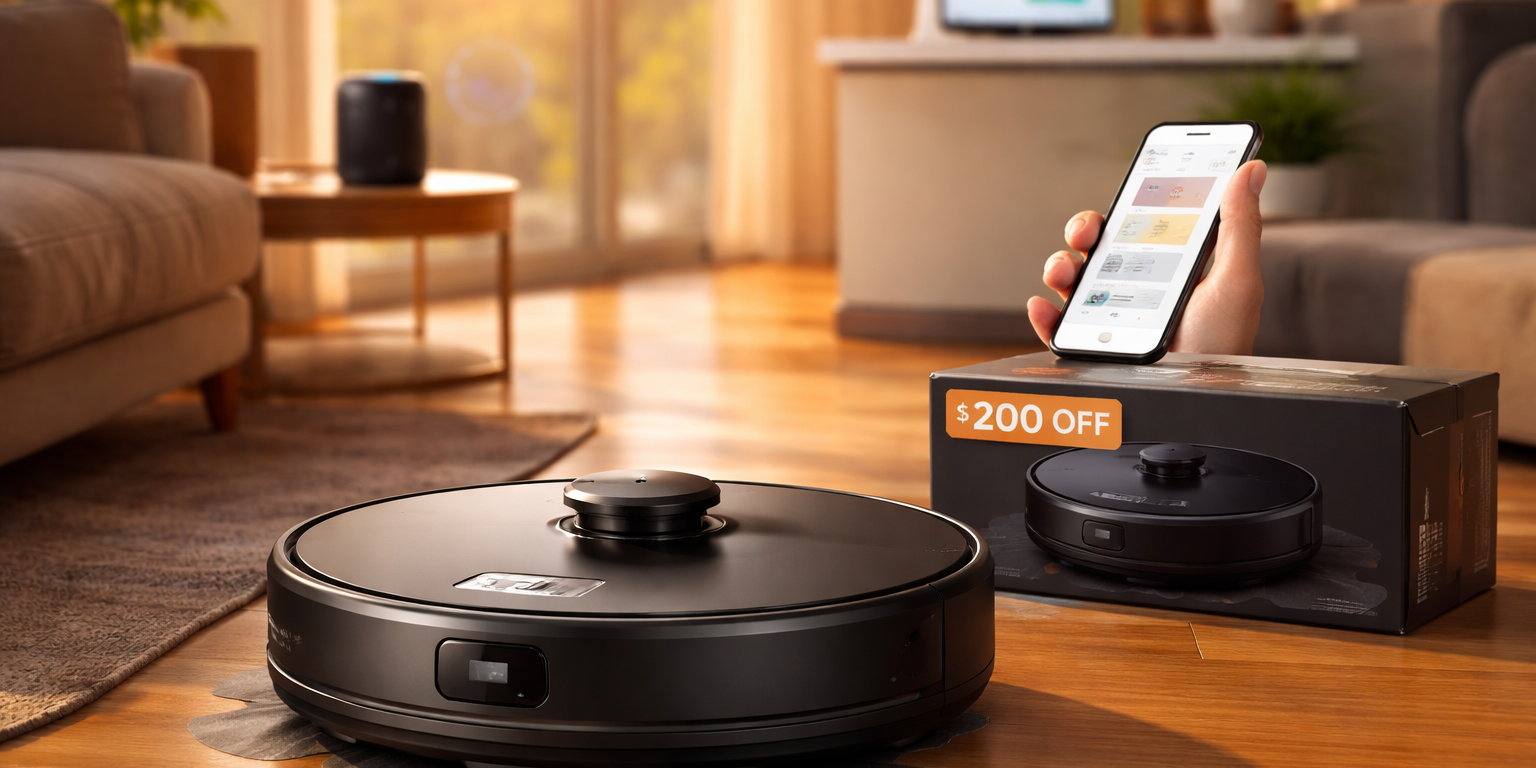
The timing of this product expansion coincides with pressure on iRobot's core vacuum business from Asian competitors selling robotic models below $300. Market analysis from IDC shows iRobot's share of the North American robotic vacuum segment declined from 47 percent in Q4 2023 to 39 percent in Q1 2026, while brands including Roborock and Ecovacs gained ground with units priced 30 to 40 percent below comparable Roomba models. By moving into dedicated hard floor care, iRobot aims to address a market that Euromonitor estimates at $2.1 billion annually in North America alone, with traditional brands like Bissell and Shark holding dominant positions through corded and cordless manual devices. The 5-in-1 system carries a retail price of $649, positioning it above most single-function floor cleaners but below the cost of purchasing separate machines for each task it performs. Retailers including Best Buy and Target have committed to in-store demonstrations, which iRobot considers essential given that consumers typically compare cleaning performance visually before purchasing floor care equipment.
What to Watch: iRobot plans to release sales data for the 5-in-1 floor cleaner during its Q3 earnings call scheduled for October 2026, which will indicate whether consumers accept the product's price premium over manual alternatives. The company has filed patents for a hybrid device that combines robotic navigation with the disinfecting system, suggesting a fully autonomous hard floor cleaner may arrive in 2027. Additionally, monitor whether competing vacuum brands including SharkNinja respond with their own disinfecting systems before the 2026 holiday shopping season, as product development cycles in the floor care category typically run 18 to 24 months.